يقول: «الرسول هو من أرسله الله بشريعة مجددة أو جديدة يدعو الناس إليها، في حين أن النبي هو من أرسله الله ليقرر الشريعة السابقة.» وعليه، فموسى ﵇ كان نبيًا لأنه أُوحي إليه بشريعة، وكان رسولًا لأن هذه الشريعة كانت لأجل رسالته. أما هارون ﵇ فقد كان نبيًا أيضًا لأنه أُوحي إليه بشريعة، لكنه لم يكن رسولًا، لأن الشريعة التي أُوحي إليه بها لم تكن لأجل رسالته، بل كانت لأجل رسالة موسى ﵇. وعلى هذا القياس، فإن محمدًا ﷺ كان نبيًا ورسولًا لأنه أُوحي إليه بشريعة كانت لأجل رسالته ﷺ.
Says, ‘The messenger is sent by Allah with a revived or new Sharī’ah which he calls people to, whereas the prophet is sent by Allah to affirm the former Sharī’ah.’ Thus, Musa was a prophet because he was inspired with a Sharī’ah and a messenger because this Sharī’ah was for his mission. On the other hand, although Aaron was also a prophet because he was inspired with a Sharī’ah, he was not a messenger because the Sharī’ah, which was revealed to him was not for his mission, rather it was for the mission of Musa . By the same token, Muhammad was a prophet and a messenger because he was inspired with a Sharī’ah, which was for his mission.
الرسالة هي الواسطة بين الله وعباده لبيان وتوضيح طريقة قضاء حوائج الدنيا والآخرة. والحكمة تقتضي إرسال الرسل، لأنهم يأتون بالشرائع ومصالح للناس.
The message is the mediation between Allah and the slaves in order to explain and clarify the method of satisfying the needs of this world and the hereafter. Wisdom necessitates the sending of messengers as they bring laws and benefits for people.
فَقَدْ وَقَعَ فِعْلاً إِرْسَالُ الرُّسُلِ، فَاللهُ اصْطَفَى رُسُلاً مِنَ الْبَشَرِ وَأَرْسَلَهُمْ مُبَشِّرِينَ بِالْجَنَّةِ وَالثَّوَابِ لِأَهْلِ الْإِيمَانِ وَالطَّاعَةِ، وَمُنْذِرِينَ بِنَارِ جَهَنَّمَ وَالْعِقَابِ لِأَهْلِ الْكُفْرِ وَالْمَعْصِيَةِ، وَبَيَّنُوا لِلْإِنْسَانِ مَا يَحْتَاجُهُ وَيَلْزَمُهُ مِنْ أُمُورِ الدُّنْيَا وَالْآخِرَةِ، وَذَلِكَ لِأَنَّ الْعَقْلَ عَاجِزٌ عَنْ أَنْ يُقَرِّرَ الْحَسَنَ وَالْقَبِيحَ، وَعَنْ أَنْ يُدْرِكَ الْإِنْسَانَ وَشُؤُونَهُ عَلَى وَجْهِ الْكَمَالِ.
Thus, the sending of Messengers has actually occurred. Allah appointed messengers from amongst mankind and sent them as bearers of glad tidings of paradise and reward to the people of belief and obedience. They were warners of the hell fire and punishment to people of disbelief and disobedience and they clarified the needs and requirements of this world and the hereafter for man. All because the mind is incapable of either deciding the good and bad or able to comprehend man himself and his affairs.
يُؤَيِّدُ اللهُ الأنبياءَ والرسلَ بالمعجزاتِ التي تخالفُ المعتادَ. والمعجزةُ أداةٌ من اللهِ لا تُخالفُ الواقعَ فحسبُ، بل يُظهرها مُدَّعي النبوةِ حين يتحدّى الكافرينَ العاجزينَ عن الإتيانِ بمثلِها. ولو لم يُؤيَّدِ الرسولُ بمعجزةٍ لما وجبَ قبولُ دعواهُ، إذ لا يُمكنُ التمييزُ حينئذٍ بين الدعيِّ المدّعي للنبوةِ والنبيِّ الصادقِ. ومن هنا تكونُ المعجزةُ شاهدةً على صدقِ النبيِّ ومقنعةً للناسِ، لأنّ الرجلَ العاديَّ لا يستطيعُ أن يأتيَ بمثلِ هذا الأمرِ.
Allah consolidates the prophets and messengers with miracles which oppose the norm. The miracle is a tool from Allah that not only opposes the reality, but is rendered by the claimant of prophethood when he challenges the disbelivers who are incapable of achieving anything similar. If the messenger was not supported by a miracle it would not be necessary to accept his claim, since no distinction could be made between an impostor claiming prophethood and a genuine prophet. Hence, the miracle substantiates the prophet's truthfulness and convinces the people since an ordinary man can not achieve such a feat.
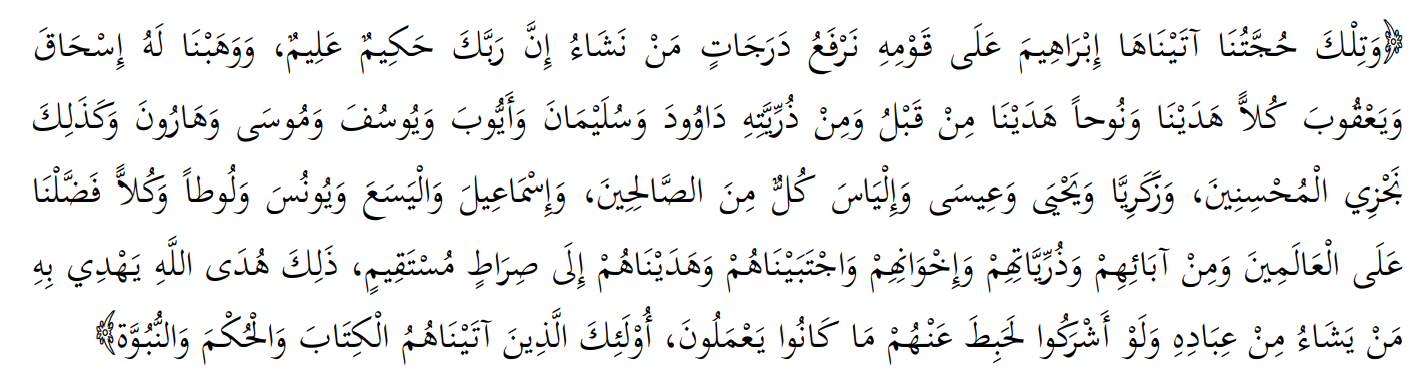
أوَّلُ الأنبياءِ آدمُ عليه السلام، وآخرُهم محمدٌ ﷺ. وتثبُتُ نبوةُ آدمَ عليه السلام من ثلاثةِ مصادرَ مختلفةٍ: أوَّلًا: من القرآنِ الكريمِ. قالَ اللهُ تعالى:
The first prophet was Adam whilst the last prophet was Muhammad . The prophethood of Adam can be proven through three different sources: Firstly through the Quran. Allah says,