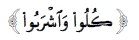
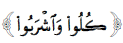
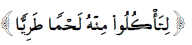
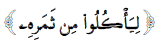
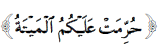
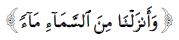
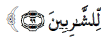
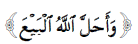
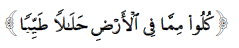
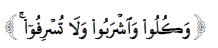
«Y coman y beban, pero no sean excesivos (extravagantes)». (TMQ 7:31) Lo que significa que beber cualquier cosa está permitido; por lo tanto, beber un artículo específico no requiere evidencia para ser permitido, porque la evidencia general lo ha permitido. Sin embargo, la prohibición de beber un artículo específico, como los embriagantes, por ejemplo, requiere evidencia.
“And eat and drink, but be not excessive (extravagant).” (TMQ 7:31) which means that the drinking of everything is permitted; thus the drinking of a specific item does not require an evidence to make it permitted, because the general evidence has made it permitted. However, the prohibition of drinking a specific item, such as intoxicants for instance, requires evidence.
De manera similar, se encuentran evidencias generales que permiten todo lo relacionado con acciones como hablar, caminar, jugar, oler, inhalar, mirar y otras acciones que realiza el ser humano; por tanto, la permisión de cualquier cosa relacionada con ellas no requiere evidencia, pero la prohibición de cualquier cosa relacionada con estas acciones sí requiere una evidencia que la haga ilícita.
Similar to these, general evidences are found permitting everything related to actions such as talking, walking, playing, smelling, inhaling, looking and other actions which man performs; thus the permission of anything related to them does not require an evidence, but the prohibition of anything related to these actions does require an evidence to make it forbidden.
Por lo tanto, las evidencias que aportan los textos y que se dirigen a las acciones han delineado la regla de las cosas de manera general e irrestricta; por ello, no requieren otros textos para precisar sus reglas. Así, la aparición de textos específicos relativos a las cosas, una vez establecida la regla general de estas, sirve como evidencia de que dichas reglas específicas han llegado para excluir las cosas de la regla general. De ahí que los textos de la Shari'ah hayan venido a precisar la regla legal referente a las cosas, indicando que son permitidas; por consiguiente, lo son salvo que exista un texto que las prohíba. Es de este modo como se deriva el principio de la Shari'ah «El origen de las cosas es la ibahah». Estas son las evidencias para este artículo.
Therefore, the evidences brought by the texts and targeted at the actions have outlined the rule of things in a general and unrestricted manner; ,therefore, they do not require other texts to outline their rules. Thus, the advent of specific texts related to things, once the general rule of these things had been outlined, serves as evidence that these specific rules have come to exclude the rule of these things from the general rule. Hence, the Shari’ah texts have come to outline the Shari’ah rule pertaining things, denoting that they are permitted; hence, they are permitted unless a text exists to prohibit them. It is in this manner that the Shari’ah principle “The origion of things is ibahah” is derived. These are the evidences for this article.