۱۸ اسلامی ریاست یوه بشري ریاست ده، نه یوه دیني ریاست (تیوکراټیک ریاست).
18 The Islamic State Is A Human State And Not A Theocratic State.
اسلامي دولت هماغه خلافت دی، ځکه دا هغه مقام دی چې په هغه کې د دې ادارې سرپرست د واکمنۍ او ولایت ټول صلاحیتونه لري او ټول احکام، پرته له کومې استثنا، غوره کوي. دا د ټولو مسلمانانو په نړۍ کې عمومي مشرتوب دی، ترڅو د اسلامي شریعت ټول احکام د هغو افکارو او هغو احکامو سره پلی شي چې دا دین یې راوړی او تشریع یې کړي، او د اسلامي دعوت د نړۍ ته د رسولو مسؤلیت پر غاړه واخلي، په دې ترڅ کې چې دوی ته اسلام معرفي شي، دوی ته دا دین وړاندې شي او د الله په لاره کې جهاد وشي. دا ته امامت او د مؤمنانو مشرتوب هم ویل کېږي. دا یو بشري دنده ده، نه الهي، او موخه یې دا ده چې د اسلام دین په انسانانو پلی شي او د دوی په منځ کې خپور شي. دا هېڅکله نبوت نه دی، ځکه نبوت او رسالت د نبي یا رسول ته دې معنا کې اړه لري چې د الله (سبحانه و تعالی) له خوا وحي له لارې شریعت راښکاره کېږي، ترڅو دا د خلکو ته رسول شي، پرته له دې چې پام دې پر پلي کولو وي. الله (سبحانه و تعالی) فرمایي:
The Islamic State is the Khilafah as it is the position in which the one who supervises it possesses all the competence of ruling and authority, and adopts all the rules without exception. It is the general leadership over all Muslims in the world to implement all the Islamic Shar’a rules, by the thoughts it came with and the rules it legislated, and to carry the Islamic da’wah to the world, by informing them of Islam, calling them to it and jihad in the way of Allah. It is also known as the Imamah and the leadership over the believers. It is a human role not a divine one, which exists to implement the deen of Islam over human beings and to spread it among them. It is definitely not the Prophethood as the Prophethood and Messengership conotates to the Prophet or the Messenger the Shar’a from Allah (saw) via the means of revelation to deliver it to the people without paying attention to his implementing it. Allah (swt) says:
پر رسول باندې د څرګند پیغام رسولو پرته بل هېڅ مسؤولیت نشته. [TMQ 24:54]
"There is nothing upon the Messenger except the clear conveyance " [TMQ 24:54]
او
And:
بې شکه تاسو باندې رسولدل (تبلیغ) دي. [TMQ 3:20]
"Verily it is upon you the conveyance " [TMQ 3:20]
او
And:
په رسول باندې څه نه دي مګر رسول کول (پیغام رسول)۔ [TMQ 5:99]
"There is nothing upon the Messenger except the conveyance" [TMQ 5:99].
دا د خلافت څخه توپیر لري چې د الله تعالی د شریعت د انسانانو په سر تطبیق دی. د پیغمبر ﷺ یا رسول ﷺ لپاره دا شرط نه دی چې هغه څه تطبیق کړي چې الله تعالی ورباندې نازل کړي، ترڅو رسول وګرځي. بلکې د رسول یا نبي کیدو شرط دا دی چې الله تعالی هغه ته یوه شریعت نازل کړي او حکم ورکړي چې هغه رسوي. موسی (ع)، عیسی (ع) او ابراهیم (ع) نبیان او رسولان وو، که څه هم هغوئ هغه شریعت نه و تطبیق کړی چې دوی راوړی و، نه هم دوی حکام وو. له همدې امله د نبوت او رسالت مقام د خلافت مقام نه دی. نبوت یو الهي مقام دی چې الله تعالی هغه چا ته ورکوي چې هغه یې وغواړي، پداسې حال کې چې خلافت یو بشري مقام دی چې مسلمانان هغه چا ته بیعت کوي چې دوی یې وغواړي له مسلمانانو څخه. زموږ مولا محمد ﷺ یو داسې حاکم وو چې هغه شریعت یې تطبیق کاوه چې راوړی یې و، نو هغه به د نبوت او رسالت مشر وو او په ورسره به د مسلمانانو د رهبرۍ مقام په اسلامي احکامو د تطبیق کولو کې مشر وو. الله تعالی هغه ته امر وکړ چې حکومت وکړي لکه څنګه چې هغه ته یې امر وکړ چې پیغام ورسوي، لکه څنګه چې الله تعالی هغه ته وفرمایل:
This is different from the Khilafah which is the implementation of Allah’s Shar’a upon human beings. It is not a condition upon the Prophet (saw) or Messenger (saw) to implement what Allah (swt) revealed to him in order to be a Messenger, rather the condition to become a Messenger or Prophet is that Allah reveals a Shar’a to him and commands him to convey it. Musa (as), Isa (as) and Ibrahim (as) were Prophets and Messengers though they did not implement the Shariah they came with nor were they rulers. Therefore the post of Prophethood and Messengership is not the post of Khilafah. Prophethood is a divine post which Allah gives to whomever He wills, while the Khilafah is a human post in which the Muslims pledge whomever they wish over them from among the Muslims. Our master Muhammad (saw) was a ruler who implemented the Shari’ah he came with, so he would be in charge of the Prophethood and Messengership while at the same time he would be in charge of the post of leadership of the Muslims in establishing the Islamic rules. Allah (swt) commanded him to rule just like He commanded him to convey the message as He said to him:
«په هغه څه سره فیصله وکړه چې الله نازل کړي دي» [TMQ 5:47]
"Rule between them by what Allah revealed" [TMQ 5:47]
او
And:
بیشکه مونږ دا کتاب په حق سره تاسو ته نازل کړی ترڅو تاسو د هغه څه له مخې چې الله تاسو ته ښودلي دي، د خلکو ترمنځ قضاوت وکړئ. [TMQ 4:105]
"Verily we revealed the Book to you in Truth so that you rule between the people by what Allah showed you" [TMQ 4:105]
لکه څرنګه چې هغه (سبحانه وتعالی) هغه ته ویلي وو:
Just like He (swt) said to him:
اې رسول، هغه څه ورسوه چې ستا رب دې ته نازل کړي دي [TMQ 5:67]
"O Messenger, convey what has been revealed to you from your Lord "[TMQ 5:67]
او
And:
دا قرآن ماته وحی شوی دی ترڅو تاسو او هر هغه څوک چې دا ورته رسول کیږي، د هغه له عذابه وویروئ. [TMQ 6:19]
"This Qur’an has been revealed to me so that I warn you and whoever it is conveyed to" [TMQ 6:19]
او
And:
ای چادر پیچیدې! پاڅه او خبرداری ورکړه. [TMQ 74:1]
"O you enshrouded in a cloak. Stand up and warn" [TMQ 74:1].
له هغه وخت چې هغه د پیغام رسولو مسؤولیت په خبرو سره ادا کاوه، لکه د الله تعالیٰ د ویناوو رسول:
Except that when he was in charge of conveying the message by speech like conveying Allah’s saying:
الله تعالیٰ تجارت حلال کړې ده او سود حرام کړی دی۔ [TMQ 2:275]
Allah has permitted trade and forbidden riba" [TMQ 2:275]
یا د تړون په څیر، لکه د حدیبیې تړون، هغه به د عمل په اړه په قاطعه توګه خبرې کولې او په قاطعه توګه امر به یې کاوه چې عمل وشي؛ هغه به نه مشوره کوله، بلکې هر هغه رایه به یې رد کوله چې د هغه څه څخه توپیر ولري چې وحي ورسره راغلې وه. او کله چې د داسې حکم په اړه پوښتنه کیدله چې لا تر اوسه پورې په هغې اړه وحي نازله شوې نه وه، نو هغه به چوپ پاتې کیده او تر هغه وخته به یې ځواب نه ورکاوه تر څو وحي نازله شي. په داسې حال کې چې کله به یې یو عمل کاوه نو له خلکو سره به مشوره کوله او د پوهانو رایې یا د اکثرو خلکو رایې ته به یې عمل کاوه، که څه هم دا د هغه له رایې سره توپیر درلودې. او کله چې د خلکو تر منځ قضاوت کاوه، نو دا به یې په قاطعه توګه نه ویل چې هغه څه چې ما پریکړه کړي، د حقیقت سره سم دي؛ بلکې هغه به د هغه څه له مخې قضاوت کاوه چې د دلیل څخه یې اوریدلي وو. کله چې د سورې براءة نازله شوه، نو هغه ﷺ علي بن ابي طالب رضي الله عنه ته امر وکړ چې ابوبکر ته ولاړ شي او د حج په موسم کې خلکو ته د بیزارۍ اعلان وکړي. نو هغه دا په عرفات کې ورته ولوستله او د خلکو په منځ کې ګرځیده تر څو یې ورسوله. کله چې یې د حدیبیې تړون لاسلیک کړ، نو د ټولو صحابه کرامو رایې یې رد کړې او خپله رایه یې په دوی تحمیل کړه، ځکه دا د الله تعالی له لوري وحي وه. کله چې جابر ورڅخه پوښتنه وکړه: "زه د خپل مال په اړه څنګه قضاوت وکړم؟" هغه ﷺ تر هغه پورې ورته ځواب ورنکړ تر څو چې وحي د حکم سره نازله شوه. البخاري د ابن المنکدر له لارې روایت کوي چې هغه وویل:
or by action like the Treaty of Hudaybiyya, he would be decisive in conveying and command decisively to undertake the action; nor would he consult but would rather reject all opinion if he was advised anything different from what the revelation came with. And when he was asked of a rule for which no revelation had descended yet, he would keep silent and not reply until the revelation descended. Whereas when he would undertake an action he would consult people and act according to the opinion of experts or the opinion of the majority even where it differed from his opinion, and when he would judge between people he would not be decisive saying that what he judged with conformed with the reality rather he was judging according to what he heard of the evidence. When Surah Bara’ah was revealed, he (saw) commanded Ali bin Abi Talib (ra) to go meet Abu Bakr and commanded him to announce inculpability “Bara’ah to the people during the Hajj period. So he read it to them Arafah and went around to the people until he had conveyed it. When he signed the Treaty of Hudaybiyya he rejected the opinion of all the Sahabah (ra) and compelled his opinion upon them as it was revelation from Allah (swt). When Jabir asked him: “How should I judge over my wealth?", He did not answer him until the revelation descended with the rule. Al-Bukhari narrated via bin al-Munkadir who said:
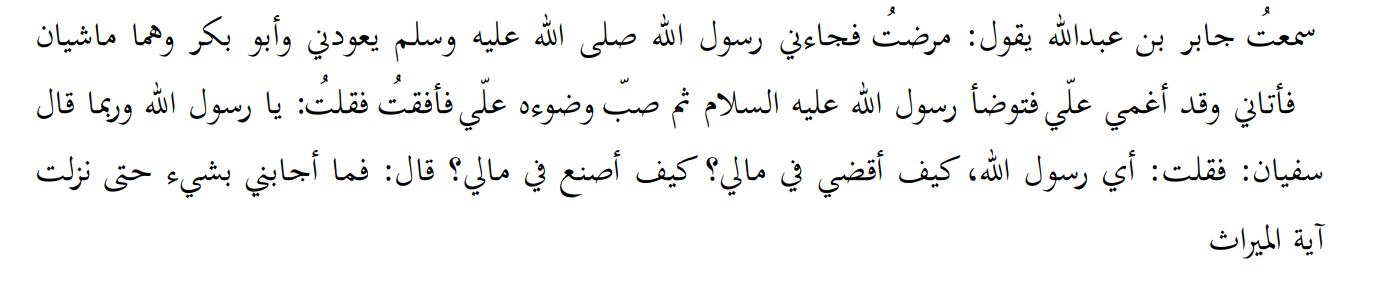
"ما جابر بن عبدالله څخه واورېدل: زه ناروغ شوم، نو د الله رسول ﷺ زما د عیادت لپاره د ابوبکر سره، پیښو باندې راغی. دوی هغه وخت راورسېدل چې زه بې هوښه وم. د الله رسول ﷺ وضو وکړه، بیا یې د اوبو یوه اندازه په ما واچوله. زه ویښ شوم او د الله رسول ﷺ ته مې وویل: ای د الله رسوله، زه باید د خپل مال په اړه څنګه پریکړه وکړم؟ زه د خپل مال سره څه وکړم؟ هغه راته هیڅ ځواب ونه ورکړ، تر دې چې د میراث آیت نازل شو."
“I heard Jabir bin Abdullah saying: I was ill so the Messenger of Allah (saw) came to visit me together with Abu Bakr walking. They found me when I was unconscious. The Messenger of Allah (saw) made wudhu then poured some water upon me. I woke up and said to the Messenger of Allah (saw): O Messenger of Allah, how should I judge over my wealth? What should I do with my wealth? He said: He did not answer me at all until the ayah of inheritance was revealed.”
یہ بات نبوت اور رسالت کے بوجھ کو اٹھانے اور لوگوں تک پہنچانے کے دائرے میں تھی، جبکہ حکمرانی کا بوجھ اٹھانے میں آپ کا طرزِ عمل مختلف ہوتا تھا۔ اُحد کے موقع پر آپ ﷺ نے مسلمانوں کو مسجد میں جمع کیا اور مشورہ کیا کہ مدینہ کے اندر رہ کر لڑا جائے یا باہر نکل کر۔ اکثریت کی رائے یہ تھی کہ باہر نکل کر لڑا جائے، جبکہ رسول اللہ ﷺ کی رائے مدینہ کے اندر رہ کر لڑنے کی تھی۔ آپ ﷺ نے اکثریت کی رائے پر عمل کیا، نکلے اور مدینہ سے باہر جا کر لڑے۔ اسی طرح جب آپ ﷺ لوگوں کے درمیان فیصلہ کرتے تو انہیں خبردار فرماتے کہ کہیں وہ آپ کو کسی کے حق کے خلاف دوسرے کے حق میں فیصلہ کرنے پر مجبور نہ کریں۔ امام بخاری نے ام سلمہ رضی اللہ عنہا سے روایت کیا ہے کہ رسول اللہ ﷺ نے اپنے گھر کے دروازے پر کچھ جھگڑا سنا تو آپ ﷺ ان کے پاس تشریف لے گئے اور فرمایا:
This was in the undertaking of the burden of Prophethood and Messengership and conveying to the people, whereas in undertaking the burden of rule he would behave differently. In Uhud he collected the Muslims in the mosque, consulted over whether to fight inside Madinah or outside; the opinion of the majority was to fight outside while the Messenger’s opinion was to fight inside. He acted upon the majority opinion, left and fought outside Madinah. Similarly when he judged between people, he would warn them from causing him to judge for them against someone else’s due right. Al-Bukhari narrated from Umm Salamah about the Messenger of Allah (saw) that he heard a dispute at the door of his house so he went to them and said:
زه یو انسان یم، او د اختلاف لرونکي اړخونه زما په لور راځي، او ممکن ستاسو کوم یو په خپل دلیل کې د بل په پرتله ډیر بلیغ وي، نو زه ګمان کوم چې هغه ریښتونی دی او د هغه په ګټه حکم کوم. که زه د کوم چا په ګټه داسې حکم وکړم چې په هغې سره هغه د یو مسلمان حق په ناحقه واخلي، نو هغه څه چې هغه اخلي هېڅ نه دي مګر د اور یوه ټوټه، او دا د هغه پورې ده چې واخلي یا پرې ږدي.ﷺ
“I am only a human being, and litigants with cases of dispute come to me, and someone of you may happen to be more eloquent (in presenting his case) than the other, whereby I may consider that he is truthful and pass a judgment in his favor. If ever I pass a judgment in favor of somebody whereby he takes a Muslim's right unjustly, then whatever he takes is nothing but a piece of Fire, and it is up to him to take or leave.”
همچنان هغه له هغه څخه روایت کوي چې هغه وفرمایل:
Similarly he narrated from him that he (saw) said:
زه ښه غواړم چې الله عزوجل سره داسې حال کې ملاقات وکړم چې هېڅوک زما څخه د هغه ظلم په اړه غوښتنه ونه کړي چې ما د هغه سره کړی وي، که دا د وینې په اړه وي او که د مال په اړه.
“Verily I wish to meet Allah ‘azza wa jalla without anyone seeking from me an injustice I committed against him, whether in blood or money.”
دا دې ته اشاره کوي چې هغه به دوه ډوله دندې په غاړه اخیستې: د نبوت او رسالت مقام، او د دې دنیا په کې د مسلمانانو مشرتابه کول چې د الله (ج) شریعت قایموي چې هغ ته نازل شوې وه. هغه به هر دندې د هغې د اړتیا سره سم چلند کاوه، نو یو به یې د بل څخه بېل ډول ترسره کاوه. هغه د حکومت کولو په اړه د خلکو بیعت واخیست، دا بیعت یې له ښځو او نارینه وو څخه اخیست، خو له هغو ماشومانو څخه یې نه اخیست چې لا بلوغ ته نه وو رسیدلي، که دا څرګندوي چې دا بیعت د حکومت په اړه و نه د نبوت په اړه. له دې ځایه موږ وینو چې الله (ج) هغه د پیغام د رسولو یا د دې د بار په اخیستلو کې هیڅ په کې ملامت نه کړ، بلکې هغه ته یې امر کاوه چې د خلکو د ځواب نه ویلو له امله خپه نه شي، ځکه د پیغام د بار اخیستل یوازې رسولو وو؛ نو په هغه باندې یوازې رسول فرض وو. الله (ج) وفرمایل:
This goes to indicate that he would undertake two roles: the position of Prophethood and Messengership, and the position of leading the Muslims in this world in establishing the Shari’ah of Allah (swt) which was revealed to him. He would dispose in undertaking each role according to what it required, so he would conduct one differently from the other. He took the pledge of the people in ruling, taking it from both women and men but not from young children who had not yet reached puberty, which emphasises that it was a pledge upon ruling not upon Prophethood. From here we find we find that Allah (swt) never censured him in anything to do with conveying the message or undertaking its burden, rather he would request him not to be troubled due to people’s failure to respond to him as the undertaking of the burden of the message was conveying alone; so there was no duty upon him except to convey. Allah (swt) said:
په هغوی باندې د بېفایدې افسوس کې خپلې روحونه ضایع نه کړئ. [TMQ 35:8]
"Let not your souls go out in (vainly) sighing for them" [TMQ 35:8]
او
And:
«په هغه شی خفه مه کیږه چې دوی یې پلان جوړوي» [TMQ 16:27]
"Do not grieve over what they are plotting" [TMQ 16:27]
او
And:
«په تاسو باندې یوازې رسولول دي» [TMQ 42:48]
"The only (duty) upon you is conveying" [TMQ 42:48].
تاسو وایی: که څه هم الله (ج) هغه ته په هغو کړنو کې ملامته وکړه چې هغه د حکومت د بار په اخیستلو کې ترسره کړې، په هغو احکامو د عمل کولو کې چې پخوا ورته نازل شوي او رسول شوي وو. الله (ج) هغه ته ملامته وکړه ځکه چې هغه داسې څه وکړل چې د غوره والا خلاف و. الله (ج) وفرمایل:
However Allah (swt) censured him over his undertaking of the burden of ruling in the actions he performed in implementing rules previously revealed to him and already conveyed. Allah (swt) censured him over doing something contrary to what was better. Allah (swt) said:
دا د یو نبی لپاره روا نه دی چې ده ته د جګړې اسیران وي، تر دې چې هغه په ځمکه کې ډیر وژل ونه کړي. [TMQ 8:67]
"It is not for a Prophet to have captives of war until he made great slaughter in the world" [TMQ 8:67]
او
And:
"الله تا وبخښنه وکړي! ولې تا دوی ته اجازت ورکړ؟" [TMQ 9:43].
"Allah forgive you! Why did you grant them permission?" [TMQ 9:43].
ان سب باتوں سے واضح ہو جاتا ہے کہ مسلمانوں کے رہنماؤں کا حکمرانی میں کردار نبوت کے کردار سے مختلف تھا۔ اس سے یہ بھی واضح ہو جاتا ہے کہ خلافت، جو دنیا کے تمام مسلمانوں پر عمومی قیادت ہے، ایک انسانی منصب ہے، نہ کہ الٰہی۔ کیونکہ یہ وہ منصب ہے جس کی سربراہی رسول اللہ ﷺ کیا کرتے تھے، اور آپ ﷺ نے اسے چھوڑتے ہوئے یہ لازم کیا کہ ایک مسلمان آپ ﷺ کے بعد اسے سنبھالے، تاکہ وہ رسول اللہ ﷺ کی جگہ لے اور حکمرانی میں آپ ﷺ کا خلیفہ بنے، لیکن نبوت میں نہیں۔ یہ رسول اللہ ﷺ کی خلافت ہے مسلمانوں کی قیادت میں اسلامی احکام کے نفاذ اور پیغام پہنچانے میں، نہ کہ وحی وصول کرنے میں یا اللہ کی طرف سے کوئی شریعت لینے میں۔
All this is clear that the role of leading Muslims in the rule was different from the role of Prophethood. From this it becomes clear that the Khilafah, which is the general leadership over all Muslims in the world, is a human post not a divine one. Since it is a role which the Messenger (saw) used to be in charge of and he left it while obliging that a Muslim should take it over for him so that he takes the place of the Messenger of Allah (saw) and be his Khalifah in ruling but not in Prophethood. It is a Khilafah to the Messenger in leading the Muslims to implement the Islamic rules and conveying the message not in receiving revelation or taking a Shari’ah from Allah.
جہاں تک رسول اللہ ﷺ کی عصمت کا تعلق ہے، وہ آپ ﷺ کے نبی ہونے کی وجہ سے ہے نہ کہ حاکم ہونے کی وجہ سے۔ اس لیے کہ عصمت تمام انبیاء و رسولوں کے لیے لازمی صفت ہے، خواہ وہ خود اپنی شریعت کے ذریعے لوگوں پر حکومت کرنے والے اور اسے نافذ کرنے والے ہوں، یا وہ صرف اس کے پہنچانے تک محدود ہوں اور اس کے ذریعے حکومت کرنے یا اسے نافذ کرنے کے پابند نہ ہوں۔ ہمارے آقا موسیٰ ؑ، ہمارے آقا عیسیٰ ؑ اور ہمارے آقا ابراہیم ؑ معصوم تھے، جس طرح ہمارے آقا محمد ﷺ معصوم تھے، کیونکہ عصمت نبوت اور رسالت کے لیے ہے نہ کہ حکومت کے لیے۔ رہی بات آپ ﷺ کا حکومت کی ذمہ داری اٹھانے کے دوران کوئی حرام کام نہ کرنا اور نہ ہی کوئی واجب کام چھوڑنا، تو یہ آپ ﷺ کی نبوت اور رسالت کے لحاظ سے عصمت کی وجہ سے تھا، نہ کہ حاکم ہونے کے لحاظ سے۔ پس آپ ﷺ کا حکومت اٹھانا اس بات کا تقاضا نہیں کرتا تھا کہ آپ ﷺ عصمت کے ساتھ متصف ہوں، البتہ عملی طور پر آپ ﷺ نبی و رسول ہونے کی وجہ سے معصوم تھے۔ اسی بنا پر آپ ﷺ انسان ہونے کی حیثیت سے، انسانوں پر حکومت کرنے والے کے طور پر، حکومت کی ذمہ داری اٹھاتے تھے۔ قرآن مجید نے صراحت کے ساتھ بیان کیا ہے کہ آپ ﷺ انسان ہیں۔ اللہ تعالیٰ نے فرمایا:
As for the Messenger (saw)’s infallibility, it comes from his being a Prophet not from his being a ruler. This is because infallibility is an obligatory attribute for all Prophets and Messengers, irrespective of whether they themselves were the ones to rule over people by their Shari’ah and implement it or whether they were merely restricted to conveying it without ruling with it or implementing it. Our master Musa (as), our master Isa (as) and our master Ibrahim (as) were infallible just like our master Muhammad (saw) was infallible as the infallibility is for Prophethood and the Message not the rule. As for his (saw) not doing any haram action during his undertaking the burden of ruling nor leaving any obligatory action, this came from his being infallible in relation to Prophethood and the Message not in relation to his being a ruler. So his (saw) undertaking the rule did not require his being characterised with infallibility, but practically he was infallible due to his being a Prophet and Messenger. Accordingly, he would undertake the rule in his description as a human being ruling over human beings. The Qur’an has come explicitly stating that he is a human being. Allah (swt) said:
ووایه: "زه یوازې ستاسو په شان یو انسان یم" [TMQ 18:110]
"Say: Verily I am only a human similar to you" [TMQ 18:110]
بعد ازاں یہ وضاحت کی گئی کہ اس کے ذریعے انہیں باقی انسانیت سے ممتاز کیا گیا، (جیسا کہ فرمایا گیا):
Then it clarified distinguishing him from the rest of humanity (by saying):
"ماته دا وحی شوې ده" [TMQ 6:50].
"It has been revealed to me" [TMQ 6:50].
امتیاز اُن کا باقی انسانیت سے یہ ہے کہ اُن پر نبوت میں وحی نازل ہوتی ہے۔ اس کے علاوہ وہ باقی انسانوں کی طرح ایک انسان ہیں۔ پس حکمرانی میں وہ بھی دوسرے انسانوں کی طرح ایک انسان ہیں، لہٰذا اُن کے بعد جو خلیفہ بنے وہ بلاشبہ باقی لوگوں کی طرح ایک انسان ہی ہوگا، کیونکہ وہ اُن کا خلیفہ حکمرانی میں ہے، نبوت یا رسالت میں نہیں۔ اس لیے اس کے لیے عصمت کی شرط نہیں، کیونکہ یہ اُن امور میں سے نہیں جن میں عصمت لازم ہو؛ عصمت تو صرف نبوت کے لیے لازم ہے۔ وہ ایک حکمران ہے، اس کے سوا کچھ نہیں، لہٰذا جو لوگ اس کے ذمہ دار ہوں اُن کے لیے عصمت کی شرط کی کوئی گنجائش نہیں۔ بلکہ جو شخص اس ذمہ داری کو اٹھائے اُس کے لیے عصمت کا مطالبہ جائز ہی نہیں، کیونکہ عصمت انبیاء کے ساتھ خاص ہے اور انبیاء کے سوا کسی کے لیے جائز نہیں۔ اس کا وجود رسول اللہ ﷺ کے لیے تبلیغ کی خاطر ضروری تھا۔ پس یہ تبلیغ میں عصمت ہے، اور حرام کے ارتکاب سے بچنے کی عصمت اس کے ساتھ فطری طور پر لازم آتی ہے، کیونکہ تبلیغ میں عصمت حرام سے بچاؤ کی عصمت کے بغیر مکمل نہیں ہو سکتی۔ جس چیز کا تقاضا عصمت کرتی ہے وہ تبلیغ ہے۔ [The Islamic Personality, Vol. 2, p. 95]
The distinction from the rest of humanity is that he is revealed to i.e. in the Prophethood. Apart from that he is a human like the rest of mankind. So he is in the rule a human like other people so whoever becomes Khalifah after him would doubtless be a human being like the rest of the people since he is his Khalifah in the rule not in Prophethood or the Message. Therefore infallibility is not a condition for it since it is not one of the matters which require infallibility which is only required for Prophethood. He is a ruler, nothing else, so there is no place for requiring infallibility for those who are in charge of it. In fact, it is not allowed to require infallibility for the one undertaking it as infallibility is restricted to Prophets and it is not allowed for other than Prophets as its existence for the Prophet and Messenger (saw) is required for conveyance. So it is infallibility in conveyance and its acquirement in never performing a haram naturally follows the infallibility in conveyance as the infallibility in the latter cannot be complete save with the infallibility from performing haram. The matter which requires it is the conveyance, The Islamic Personality Vol 2 95
نه د خلکو باور یا بې باوري، او نه د عملونو کې غلطي یا د هغې نشتوالی؛ بلکه هغه شی چې دا ټکی یې غواړي د پیغام رسولو مسئله ده، بل هېڅ نه. دا ځکه چې که هغه د الله (ج) له خوا معصوم نه وای، نو دا امکان درلودی چې هغه پیغام پټ کړي، پکې زیاتوالی یا کمی راولي، د الله پر وړاندې دروغ وتړي چې هغه څه ووایي چې الله نه دي ویلي، یا غلطي وکړي او هغه څه ورسوي چې ورته امر شوی نه و. دا ټول شیان د الله (ج) له پیغام سره نه برابرېږي او د هغه د رسول والي سره چې باید ومنل شي هم نه جوړېږي. نو لازمي ده چې رسول د پیغام په رسولو کې معصوم وي، او د حرام له کولو څخه معصومیت هم په طبیعي ډول دې ته تړلی دی. له همدې امله، علماؤ د انبیاؤ د حرام له کولو څخه د معصومیت په اړه اختلاف کړی دی؛ ځینو ویلي چې هغه یوازې د لویو ګناهونو (کبائرو) څخه معصوم دی او وړې ګناهې (صغائر) له هغه څخه منل کېږي، او ځینو ویلي چې هغه د لویو او وړو دواړو ګناهونو څخه معصوم دی. دا خبره یې د دې پر بنسټ کړې چې آیا دغه عملونه د پیغام د بشپړولو پورې تړلي دي که نه. که د پیغام بشپړتیا پرې تړلې وي، نو د پیغام رسولو معصومیت هغه هم پوښي، ځکه پیغام نه بشپړېږي مګر دا چې رسول له هغو څخه معصوم وي. او که د پیغام بشپړتیا پرې نه تړلې وي، نو معصومیت هغه نه پوښي، نو هغه له هغو څخه معصوم نه دی، ځکه پیغام له هغو پرته هم ترسره کېږي. په همدې اساس، مسلمانانو کې دا خبره اختلافي نه ده چې رسول (ص) د هغو عملونو په کولو کې معصوم نه دی چې د غوره کار خلاف وي، ځکه د پیغام رسول په هغو پورې تړلي نه دي. نو معصومیت یوازې د پیغام رسولو پورې ځانګړی دی، او له همدې امله دا یوازې د انبیاؤ او رسولانو لپاره شتون لري او د دوی له پرته په بل چا کې ممکن نه دی.
بې شکه د معصومیت دلیل عقلي دی، نه نقلي، ځکه چې د هیڅ شرعي نص، نه په قرآن کریم کې او نه په حدیث کې، راغلی چې د چا لپاره هم معصومیت ثابت کړي، که انبیاء وي، که رسولان او که نور. په اړه د الله تعالیٰ د قول:
Verily the evidence for infallibility is rational not textual as there has not come any Shari’ah texts, whether a clear text in the Qur’an or Hadith, upon the existence of infallibility for anyone whether the Prophets, the Messengers or others. As for Allah’s statement:
بې شکه، الله غواړي یوازې له تاسو، ای د کور اهل بیته، ناپاکي (رجس) لرې کړي او تاسو په بشپړه توګه پاک کړي. [TMQ 33:33]،
"Verily, Allah only intends to remove filth (rijs) from you, the family of the house, and purify you completely" [TMQ 33:33],
دا د دې معنا ده چې الله تعالیٰ غواړي تاسو څخه هر ډول شک او تورن کول لرې کړي. دا آیت د دریو آیتونو یوه برخه ده. الله (سبحانه وتعالیٰ) فرمایي:
Its meaning is that He intends to remove from you any doubt and accusation. This ayah is a piece among three ayat. Allah (swt) said:
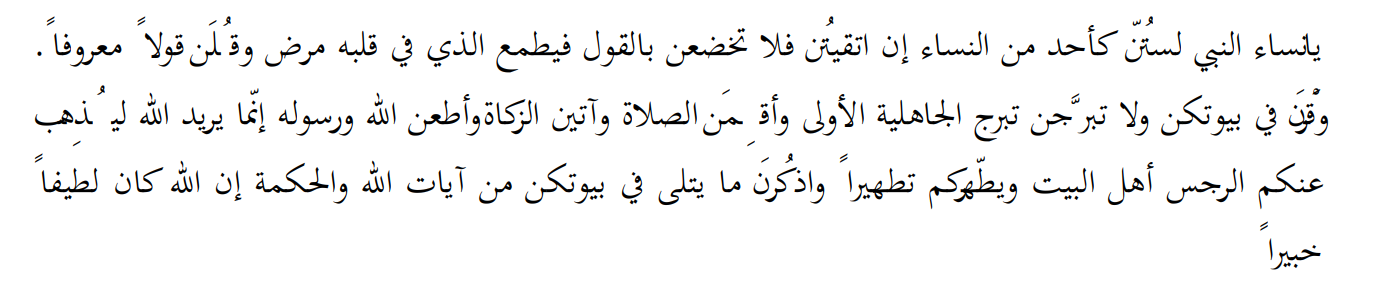
ای د نبی ﷺ بیبیانو! تاسو د نورو ښځو په شان نه یاست. که تاسو له الله ویرېږئ، نو په خبرو کې نرمه لهجه مه خپلوئ، ترڅو هغه څوک چې په زړه کې ناروغي لري طمع وکړي، بلکه ښه او سمه خبره وکړئ. په خپلو کورونو کې آرام پاتې شئ، او د لومړني جاهلیت په شان ځانونه مه ښکاره کوئ، لمونځ قائم کړئ، زکات ورکړئ، او د الله او د هغه د رسول ﷺ اطاعت وکړئ. بېشکه الله غواړي چې له تاسو څخه ناپاکي لرې کړي، ای د کور اهل بیت! او تاسو پاکه کړي بشپړه پاکي. او هغه څه یاد کړئ چې ستاسو په کورونو کې د الله د آیاتو او حکمت څخه تلاوت کېږي. بېشکه الله لطیف، خبردار دی. [TMQ 33:32-34]
"O wives of the Prophet, you are not like any other woman. If you fear (Allah) then be not too complaisant of speech lest one in whose heart is a disease should be moved with desire but speak a speech (that is) just. And stay quietly in your houses and make not a dazzling display like that of the former times of ignorance, and establish prayer and give the zakat and obey Allah and His Messenger. Verily Allah only wishes to remove filth from you, O family of the house, and purify you completely. And remember what is recited in your homes of the signs of Allah and the Wisdom. Verily Allah is Courteous, All-Knowing" [TMQ 33:32-34].
دې آیت او عصمت (له ګناه څخه ساتل) ترمنځ هیڅ ډول اړیکه نشته. د الله تعالیٰ د دې قول «لِيُذْهِبَ عَنكُمُ الرِّجْسَ» څخه دا نه شي پوهېدلی چې هغه تاسو معصومان کوي. بلکې د رجس لرې کول د ټولو ناپاکۍ لرې کول دي، او دلته مراد مجازي ناپاکي ده، يعني شک او شبهه، لکه څنګه چې دواړو آیتونو د دې جملې څخه مخکې جملو کې په ښکاره ډول روښانه ده. دلته پاکول د شک او شبهې څخه پاکول دي، ځکه چې د «رجس» کلمې معناوې مادي ناپاکي، مجازي ناپاکي او حتی عذاب دي، لکه څنګه چې په قرآن کې د دې معنا لرونکي راغلي دي. الله سبحانه و تعالیٰ فرمایي:
There is no relationship between this ayah and infallibility in any way whatsoever. It is not possible to understand from His statement “to remove filth from you” i.e. to make you infallible. Rather the removing of filth is the removing of all dirt and the meaning here is metaphorical filth i.e. doubt and suspicion as is explicitly clear in the sentences before this sentence in the two ayat. The purification here is cleansing from doubt and suspicion because the meaning(s) of the word filth is material filth, metaphorical filth and even punishment as it has come in the Qur’an with these meanings. Allah (swt) said:
د بتانو له ناپاکۍ څخه ځان وساتئ [TMQ 22:30]
"Avoid the filth of the idols" [TMQ 22:30]
او
And:
همدغسې الله په هغو کسانو باندې ناپاکي مقرر کوي چې ایمان نه راوړي. [TMQ 6:125]
"Similarly does Allah ordain the filth upon those who do not believe" [TMQ 6:125].
په دې دوو آیتونو کې ناپاکي مجازي ناپاکي ده. او الله (جل جلاله) فرمایلي دي:
In these two ayat, filth is metaphorical filth. And Allah (swt) said:
یا د خنزیر غوښه، یقیناً دا ناپاکي ده۔ [TMQ 22:30]
"Or the meat of pig for verily it is filth" [TMQ 22:30]
یعنی ناپاکی (حدث) یعنی ظاہری گندگی۔ اور اللہ (سبحانہ وتعالیٰ) نے فرمایا:
i.e. ritual impurity meaning physical filth. And Allah (swt) said:
همدغسې الله هغو کسانو باندې غضب اچوي چې ایمان نه راوړي. [TMQ 6:125]
"Thus Allâh puts the wrath on those who believe not" [TMQ 6:125].
یعنی د الله تعالی قول «لِیُذْهِبَ عَنکُمُ الرِّجْسَ» د دې مفهوم دی چې مجازي ناپاکي یعنې شک له تاسو څخه لیرې کړي. او د هغه قول «وَیُطَهِّرَکُمْ تَطْهِیراً» په اړه، یقیناً د «یُطَهِّرَکُمْ» لفظ او د «تطهیر» کلمه نه په ژبه کې، نه په قرآن کې او نه په حدیث کې د عصمت (معصومیت) په معنا راغلې ده. په ژبه کې «طَهَرَ» یعنې څه شی له ناپاکۍ پاک کول، او «تَطهیر» د هغې له ناپاکۍ لرې کولو ته وایي، او ښځه له حیض څخه «طاهر» ده او له ناپاکۍ او عیبونو څخه «طاهرة» ده، او په شرعي اصطلاح کې «طهارت» د حدث له لرې کولو ته وایي. رسول الله ﷺ فرمایلي دي:
So His statement in the ayah “to remove the filth from you” means to remove metaphorical filth i.e. suspicion. As for His saying: “And purify you completely” verily the word yutahirukum (to purify you) and the word purification never came with the meaning of infallibility, neither in the language, Qur’an or the Hadith. In the language, to purify (tahara) something purification (tatheera) means to remove impurity from it, and the woman is pure (tahir) from menstruation and (tahira) from impurity and defects, and (tahara) in the Shar’a is removing the (hadath). He (saw) said:
الله تعالیٰ د پاکۍ (طهور) پرته لمونځ نه قبلوي
“Allah does not accept prayer without purity (tuhur)”
او دا معنا په قرآن کریم کې راغلې ده. الله (ج) فرمایي:
And it has come in the Qur’an with this meaning. Allah (swt) said:
او خپل جامې پاکې وساته [TMQ 74:4]
"And purify your garment" [TMQ 74:4]
او
And:
د پاکولو لپاره د هغه اوبه [TMQ 8:11]
"Water so that you may be purified by it" [TMQ 8:11]
او
And:
د هغوی سره نږدې مه کیږئ تر هغه چې دوی پاک نه شي. [TMQ 2:222]
Do not approach them until they purify themselves [TMQ 2:222]
"تا را وټاکلی او پاک یې کړی" [TMQ 3:42
"Chose you and purified you" [TMQ 3:42
یعنی له عیبونو څخه، او همدارنگه:
i.e. from faults and also:
او که تاسو جنب یاست، نو خپل ځانونه پاک کړئ. [TMQ 5:6]
"And if you are (junub) then purify yourselves" [TMQ 5:6]
یعنی له ناپاکۍ څخه. د مؤمنانو پاکولو هم هغه وخت راغی کله چې الله (ج) وفرمایل:
I.e from the impurity. The purification of the believers also came when Allah (swt) said:
"الله نه غواړي چې تاسو ته ستونزه (حرج) راولي، بلکه غواړي چې تاسو پاک کړي او تاسو باندې خپل نعمت بشپړ کړي" [TMQ 5:6].
"Allah does not wish to make difficulty (haraj) for you but rather He wishes to purify you and complete His blessing upon you" [TMQ 5:6].
دا ټول متنونه بیانوي چې د آیت معنا دا ده چې الله (سبحانه وتعالی) دوی د شک او بدګمانۍ څخه پاک کړي دي، او دا نفي کوي چې د دې معنا عصمت دی، له همدې امله آیت عصمت ته اشاره نه کوي.
All these texts specify that the meaning of the ayah is that Allah (swt) cleansed them from doubt and suspicion, and negates that its meaning is infallibility hence the ayah does not indicate infallibility.
له دا وجه ده چې د هیچا لپاره د معصومیت د شتون لپاره د نص کوم دلیل نشته؛ یوازې د عقل دلیل یې شته. عقل دا لازموي چې د رسول او نبي لپاره د پیغام په رسولو کې معصومیت وي، ځکه د نبوت او رسالت دنده داسې ده چې که هغه معصوم نه وي نو نبي یا رسول نشي کېدای. عقل دا هم لازموي چې هغه څوک چې د الله (ج) له لوري د پیغام رسولو دنده نه وي ورکړل شوې، هغه د معصوم کېدو اجازه نه لري، ځکه هغه یو انسان دی او د هغه فطرت چې الله (ج) په هغه پیدا کړی، په هغه کې تېروتنه او هېرېدل راځي. او تر هغه چې هغه ته د الله (ج) له لوري د پیغام دنده نه وي ورکړل شوې، دا معنا لري چې هیڅ شی داسې نشته چې د هغه معصوم کېدو ته اړتیا ولري. که دا ادعا وشي چې هغه معصوم دی، نو دا معنا لري چې هغه د الله له لوري د پیغام مکلف دی، او دا جائز نه دی، ځکه د محمد، د الله رسول ﷺ وروسته هیڅ نبي نشته. الله (ج) فرمايي:
Therefore there is no textual evidence for the existence of infallibility for anyone; there is only rational proof for it. The mind is what compels that there be infallibility in conveyance for the Prophet and Messenger as his being a Prophet and Messenger requires that he be infallible otherwise he cannot be a Prophet or Messenger. The mind is the one which compels that one not given the responsibility to convey a message from Allah (swt) is not allowed to be infallible as he is a human being, and his nature (fitra) with which Allah (swt) created him is that error and forgetfulness occur in him. And as long as he is not given responsibility with a message from Allah (swt), this means there is nothing which requires that he be infallible. If it is claimed that he is infallible, then this means that he is responsible with a message from Allah which is not permitted since there is no Prophet after Muhammad, the Messenger of Allah (saw). Allah (swt) said:
مګر هغه د الله رسول او د پیغمبرانو خاتم دی ﷺ [TMQ 33:40].
" But he is the Messenger of Allah and seal of the Prophets" [TMQ 33:40].
د عصمت ادعا کول د رسالت ادعا کول دي، ځکه رسول د الله له لوري پیغام رسونکی دی، او د بشري صفاتو له امله هغه کې د الله له لوري د پیغام په رسولو کې د تېروتنې او گمراهۍ امکان شتون لري. د پیغام د تېروتنې او بدلون څخه د ساتنې لپاره ضروري ده چې رسول د تېروتنې او گمراهۍ څخه معصوم وي. په همدې یوازې سبب، عصمت د رسول صفت دی او یوازې هغه ته ضروري دی. که چې د هغه پرته بل چا لپاره دا ادعا وشي، په داسې حال کې چې معلومه ده چې عصمت یوازې د الله له لوري د پیغام د رسولو لپاره ضروري دی، نو دا د دې بل شخص لپاره د هغه شي ادعا ده چې عصمت ته اړتیا لري او د هغه علت یعنې د پیغام رسول. په دې ترتیب دا به د دې ادعا په معنا وي چې هغه د الله (جل جلاله) له لوري د پیغام رسولو مسؤول دی. له همدې امله د خلیفه لپاره عصمت شرط کول جایز نه دي، ځکه د هغه لپاره د عصمت شرط کول په دې معنا دي چې هغه د الله (جل جلاله) له لوري د پیغام رسولو مسؤول دی، او دا جایز نه دي.
Claiming infallibility means claiming Messengership since the Messenger is a conveyor from Allah, and there is within him due to his attributes as a human being the potential of error and misguidance in conveying from Allah, protecting the message of Allah from error and change in the conveyance requires that the Messenger be infallible from error and misguidance. For this reason alone, infallibility is an attribute of the Messenger and it alone requires infallibility. If it is claimed for anyone other than him while being known that the only matter requiring it is conveying the message from Allah then it is equivalent to claiming for this other person what requires infallibility and its cause i.e. conveying the message. Thus it would be claiming that he is responsible to convey a message from Allah (swt). Therefore it is not allowed to require infallibility for the Khalifah as requiring it means that he is responsible to convey a message from Allah (swt) thus requiring him to be infallible, and this is not permitted.
دا خبره واضحه کوي چې خلیفه یو انسان دی چې غلطي کولی شي یا سم کار کولی شي، او هغه ته هم د هر انسان په شان د غفلت او هېرون، دروغ، خیانت او ګناهونو څخه پېښېدل جایز دي، ځکه هغه انسان دی نه نبي او نه رسول. رسول ﷺ خبر ورکړی چې امام ته د غلطۍ پېښېدل ممکن دي، او هغه ﷺ خبر ورکړی چې د هغه څخه داسې څه پېښېدای شي چې د ظلم، ګناهونو او نورو له امله خلک ده څخه کرکه وکړي او ده ته لعنت ووايي. حتی هغه ﷺ خبر ورکړی چې د هغه څخه ښکاره کفر هم پېښېدای شي. مسلم روایت کړی: زهیر بن حرب ماته بیان کړ چې شبابه مونږ ته بیان کړ چې ورقا ماته بیان کړ له ابی زیاد څخه، هغه له العرج څخه، هغه له ابوهریره څخه، هغه له نبي ﷺ څخه روایت کوي چې هغه ﷺ وفرمایل:
This makes it clear that the Khalifah is a human being who can make a mistake or be correct, and it is allowed to occur from him what occurs from any human being of neglect and forgetfulness, falsehood, treachery, sins as he is a human being and not a Prophet or Messenger. The Messenger (saw) informed that it is possible for the Imam to err, and he informed that it may occur from him what may cause people the hate him and curse him due to injustice, sins etc. He even informed that clear disbelief may occur from him. Muslim narrated: Zuhayr bin Harb related to me that Shababa related to us that Warqa related to me from Aby Zayyad from Al- ‘Araj from Abu Hurayray from the Prophet (saw) who said:
بیشکه امام د یوې ډال په څیر دی چې د هغه تر شا جنګ کیږي او د هغه په واسطه ساتنه کیږي. که هغه د الله عزوجل د تقوا په حکم کوي او عدل کوي، نو دا کار د هغه لپاره اجر لري. او که هغه د دې پر خلاف حکم کوي، نو د هغه پر وړاندې هم همغه وزر دی.
“Verily the Imam is a shield from behind whom they fight and by whom they are protected. If he commanded with the fear (taqwa) of Allah ‘azza wa jalla and does justice then there is reward for that for him. If he commands with other than that, then there is the same against him.”
دا پدې مانا ده چې امام معصوم نه دی او دا امکان لري چې د الله د ویرې پرته بل څه امر وکړي۔ مسلم هم روایت کړی: عثمان بن ابي شیبه موږ ته روایت وکړ، هغه جریر څخه، هغه له العمش څخه، هغه له زید بن وهب څخه، هغه له عبدالله څخه چې ویلي یې دي: رسول الله ﷺ وفرمایل:
This means that the Imam is not infallible and it is possible for him to command other than the fear of Allah. Muslim also narrated: Uthman bin Abi Sheeba related to us that Jareer related to us from Al-‘Amash from Zayd bin Wahhab from Abdullah who said: The Messenger of Allah (saw) said:
بې شکه زما له وفات وروسته به داسې ځینې ناروا غوره کولې او داسې کارونه به وي چې تاسو به یې ردوئ. هغوی وویل: اې د الله رسوله! ته موږ ته څه حکم کوې که څوک له موږ څخه دغه حال ورسیږي؟ هغه وفرمایل: هغه حقونه ادا کړئ چې ستاسو په غاړه دي، او د الله څخه هغه څه وغواړئ چې ستاسو حق دی۔ ﷺ
“Verily there will be after me some improper preferences and matters which you will reject. They said: O Messenger of Allah, what would you command anyone of us when that reaches him? He said: Fulfill the rights due from you and ask Allah (for) what is due to you.”
مسلم روایت کوي: اسحاق بن ابراهیم الحنظلي موږ ته بیان کړ، ویې ویل چې عیسی بن یونس موږ ته خبر ورکړ، هغه وویل چې الاوزاعي موږ ته روایت کړی له زید بن یزید بن جابر څخه، هغه له زریق بن حیان څخه، هغه له مسلم بن قرظة څخه، هغه له عوف بن مالک څخه، چې رسول الله ﷺ وفرمایل:
Muslim narrated: Ishaq bin Ibrahim Al-Handhalee related to us that Isa bin Yunus informed us that Al-Awza’i related to us from Zayd bin Yazid bin Jabir from Zareeq bin Hayyan from Muslim bin Qurta from ‘Awf bin Malik from the Messenger of Allah (saw) who said:
د ستاسو تر ټولو غوره واکمن هغه دي چې تاسو يې مينه کوئ او هغوی ستاسو مينه کوي، تاسو د هغوی لپاره د خدای دعا کوئ او هغوی ستاسو لپاره د خدای دعا کوي. او تر ټولو بد واکمن هغه دي چې تاسو يې کرکه کوئ او هغوی ستاسو کرکه کوي، تاسو يې لعنت وايئ او هغوی ستاسو لعنت وايي. وویل شو (له حاضرينو څخه): ایا موږ دې ترې په تورې سره ځانونه خلاص نه کړو؟ هغه وفرمایل: نه، تر هغه وخته پورې چې دوی ستاسو په منځ کې لمونځ قایم کوي. که تاسو د هغوی په کې کوم ناخوښ شی وویني، نو د هغوی له ادارې څخه کرکه وکړئ، مګر د هغوی له اطاعت څخه لاس مه اخلئ.
“The best of your rulers are those whom you love and who love you, who invoke God's blessings upon you and you invoke His blessings upon them. And the worst of your rulers are those whom you hate and who hate you and whom you curse and who curse you. It was asked (by those present): Shouldn't we overthrow them with the help of the sword? He said: No, as long as they establish prayer among you. If you then find anything detestable in them. You should hate their administration, but do not withdraw yourselves from their obedience.”
امام بخاری روایت کرتے ہیں: "اسماعیل نے ہم سے بیان کیا کہ ابن وہب نے مجھ سے بیان کیا، ان سے عمرو نے، ان سے بکیر نے، ان سے بسر بن سعید نے، ان سے جنادہ بن ابی امیہ نے، جنہوں نے کہا: ہم عبادہ بن صامت کے پاس داخل ہوئے جو بیمار تھے، تو ہم نے کہا: اللہ آپ کو صحت دے۔ ہمیں کوئی حدیث سنائیے جو آپ نے نبی ﷺ سے سنی ہو، جس کے ذریعے اللہ آپ کو فائدہ پہنچائے۔ انہوں نے کہا:"
Al-Bukhari narrated: “Ismail related to us that Bin Wahhab related to me from Amru from Bukayr from Busr bin Said from Junada bin Abu Umayyah who said: We entered to ‘Ubadah bin As-Samit who was ill and we said: May Allah improve you. Relate to us a hadith which you heard from the Prophet by which Allah will help you. He said:
زه نبي ﷺ زموږ ته راوغوښتو، نو موږ هغه ته بیعت وکړ. هغه زموږ څخه په هغه څه کې چې موږ یې اخیستی وو، ویلي وو چې موږ هغه ته بیعت وکړ چې په هغه څه کې چې زړه یې خوښوي او په هغه څه کې چې زړه یې ناخوښوي، په سختۍ او اسانۍ کې، او کله چې نورو ته زموږ پر وړاندې لومړیتوب ورکول کیږي، او دا چې موږ د واکمنانو سره په حکم کې نزاع نه کوو. (هغه وفرمایل): مګر دا چې تاسو څرګند کفر (کفر بواح) وویني چې په هغه کې تاسو ته د الله له خوا واضح دلیل (سلطان) وي.
“The Prophet (saw) called us so we gave him a pledge. So he said in what we took from us that we pledged him to hear and obey in what attracts us and what we hate, in hardship and ease, and when others are preferred over us and that we do not dispute the rule with those in authority (He said): Unless you see clear disbelief (kufr bawah) upon which you have from Allah a clear proof (sultan).”
او له عایشې څخه روایت دی چې هغې وویل: «رسول الله ﷺ وفرمایل:
And from Aisha who said: “The Messenger of Allah (saw) said:
مسلمانانو څخه د شرعي سزاګانو لرې کول تر امکانه پورې وکړئ؛ که د هغه لپاره کومه لاره (د خلاصون) وي، نو هغه پخپله لاره پریږدئ، ځکه چې که امام د بخښلو په کې غلطی وکړي نو دا د هغه څخه بهتر دی چې په سزا کې غلطی وکړي.
" Avert the legal penalties from the Muslims as much as possible, if he has a way out then leave him to his way, for if the Imam makes a mistake in forgiving it would be better than making mistake in punishment.”
ترمذي دا حدیث روایت کړی دی چې واضح دی چې امام کیدای شي غلطي وکړي، هیر کړي او ګناه وکړي. سره له دې، رسول الله ﷺ امر وکړ چې تر هغه وخته پورې د هغه اطاعت جاري وساتل شي څو چې هغه په اسلام سره حکومت کوي، څرګنده کفر ترې نه وي صادر شوی او هغه ګناه ته امر نه وي کړی. د رسول الله ﷺ دا خبر وروسته له هغه چې د خلفاوو په اړه يې ويلي وو چې به ځینې داسې وي چې مسلمانان به يې خوښ نه کړي، بیا هم يې د اطاعت امر وکړ، ایا له دې وروسته دا ویل ممکن دي چې خلیفه باید معصوم وي او د هغه لپاره هغه څه روا نه دي چې د انسانانو لپاره روا دي؟ دا د خلیفه د حقیقت له مخې دی چې د عصمت شرط نه شتون لري، بلکه حتی دا شرط ګرځولو اجازه هم نه ده. په هرحال، هغه کسان چې ویلي يې دي چې خلیفه باید معصوم وي، د خپل نظر لپاره يې دلیلونه وړاندې کړي دي، نو موږ باید وګورو او څرګند کړو چې په هغو کې څه دي. دا دلیلونه په څلورو دلیلونو کې لنډ شوي دي.
Tirmidhi narrated this hadith which is clear that the Imam can err, forget and sin. Despite that, the Messenger (saw) commanded to continue obeying him as long as he rules by Islam and clear disbelief has not occurred from him and he has not commanded with sin. After the news of the Messenger (saw) about the Khulafaa that there will be some which the Muslims will dislike yet he commanded obedience, is there after that any possibility of saying that the Khalifah must be infallible and that it is not permitted from him what is permitted from human beings? This is from the reality of the Khalifah in relation to the absence of the condition of infallibility, rather even the absence of permission to even make it a condition. However, those who said it is required that the Khalifah be infallible have presented evidences for their view, so we must examine and clarify what is within them. These evidences are summarised in four evidences:
1. امام د شریعت په ساتلو، رسولولو او زده کولو، د ولس د چارو څارنې، د دوی تر منځ د عدالت د قایمولو، مظلومانو سره د مرستې، د حدودو او د تعزیر د سزاوو د تطبیق او د اسلام د احکامو په شرعي ډول د عملي کولو کې د رسول ﷺ ځای لري. له همدې امله ضروري ده چې هغه له ځانه تر پایه معصوم وي او د ټولو بدیو، وړو او لویو، له هغو چې په قصد ترسره شوي وي یا په هیروالي، پاک وي.
1. The Imam stands in the position of the Messenger in preserving the Shari’ah , conveying and teaching it, supervising the citizens’ affairs, establishing justice among them, assisting the oppressed, establishing the mandatory Islamic punishments (hudood) and discretionary punishments (ta’zeer) and implementing Islam in the Shari’ah way. Therefore it is inevitable that he be infallible and pure from all evil, large or small, whether they occurred deliberately or through forgetfulness, from the beginning of his life to the end.
۲۔ که چیرې امام څخه ګناه ممکنه وي، نو دا به یو معصوم امام ته اړتیا وي چې هغه له ګناه کولو او غلطۍ څخه وساتي. او که دویم ته هم د غلطۍ او ګناه کولو اجازه وي، نو بیا به یو بل معصوم امام ته اړتیا وي چې دا هم له هغه څخه وساتي، او همداسې به دا لړۍ روانه وي تر دې چې خبره د یو داسې معصوم امام پر سر ودرېږي چې له هغه څخه ګناه یا غلطي ممکنه نه وي. نو په دې بنسټ باید یو معصوم امام موجود وي۔
زما وعده ظالمانو ته شامله نه ده. [TMQ 2:124]
"My promise does not include the oppressors" [TMQ 2:124]
د الله (سبحانه و تعالی) دا خبره د یوه معصوم امام د واجب والي دلیل ده چې د شریعت ساتونکی وي. دا آیت د سورۂ البقرہ دی. الله (سبحانه و تعالی) فرمایي:
The statement from Allah (swt) is an evidence upon the obligation of an infallible Imam who is a protector of Shari’ah. This ayah is in Surah Al-Baqarah. Allah (swt) said:
او هغه وخت چې ابراهیم د خپل رب له لوري د ځینو کلماتو په واسطه وازمول شو او هغه يې پوره کړل. هغه (الله) وفرمایل: زه به تا د خلکو امام وګرځوم. هغه وویل: او زما د اولاد څخه (هم)؟ هغه وفرمایل: زما ژمنه ظالمانو ته نه رسیږي. [TMQ 2:124]
"And when Ibrahim was tested by his Lord with certain words which he fulfilled. He said: I will make you an Imam for the people. He said: And of my offspring? He said: My promise will not reach the oppressors" [TMQ 2:124].
هغه الفاظ چې «جاعلك» دي، دا هغه معنا لري چې پدې آیت وروسته راتلونکي آیت ورکوي. کله چې ابراهیم علیه السلام د الله تعالیٰ دا خبره واورېده:
The words making him are those making him an Imam as the ayah coming after this ayah give sense to. When Ibrahim heard Allah’s statement:
بیشکه زه به تاسو د خلکو امام وګرځوم [TMQ 2:124]
"Verily I will make you an Imam for the people" [TMQ 2:124]
او هغه د دې عزتمنو مقام عظمت ولید؛ هغه هیله درلوده چې د هغه اولاد هم د دې څخه برخه ولري. نو الله (ج) وفرمایل:
And saw the greatness of this honourable post; he hoped that his descendants would have a share of it. So Allah (swt) said:
زما عهد ظالمانو ته نه رسیږي۔ [TMQ 2:124]
"My promise does not reach the oppressors" [TMQ 2:124].
دې ځای کې معنا دا ده چې دا مقام هغه چا ته نه ورکول کیږي چې عیب لرونکی وي یا په ظلم داغدار شوی وي، او دا معنا له دې ډیره عامه ده چې دا څوک په خپل ځان ظلم کوي که په بل چا، که څه هم د ځینې لنډ وخت لپاره وي د خپل ژوند په یوه برخه کې. بلکې دا مقام هغه چا ته ورکول کیږي چې په خپل ژوند کې هیڅ ډول ظلم نه کوي.
Its meaning is that this post will not be given to someone who is blemished or will become stained with injustice, which is more general than whether this one is unjust to his own soul or someone else even if only for a short time in his life. Rather it is given to someone who does not do any injustice in his life.
ب) الله (سبحانه و تعالیٰ) فرمایي:
b) Allah (swt) said:
ایا هغه څوک چې حق ته لاره ښیي د پیروي زیات حقدار دی، که هغه څوک چې پخپله لاره نه شي موندلی تر هغه چې ورته لاره وښودل نه شي؟ [TMQ 10:35]
"Is the one guided to the Truth of more right to be followed or the one who does not guide unless he is guided?" [TMQ 10:35].
دا د امام د معصوم کیدو د واجب کیدو یو دلیل دی، ځکه هغه څوک چې حق ته لارښوونه کوي باید معصوم وي، او هغه څوک چې له هغه څخه غلطي ممکنه وي هغه حق ته لارښوونه نه کوي، که څه هم ممکنه ده چې هغه حق ته ورسیږي.
This is an evidence for the obligation of the infallibility of the Imam as he guides to the truth, and the one from whom an error is possible does not guide to it though it may happen that he achieves the truth.
ج) الله (سبحانه وتعالی) فرمایي:
c) Allah (swt) said:
﴿اَطِيْعُوا اللّٰهَ وَاَطِيْعُوا الرَّسُوْلَ وَاُولِي الْاَمْرِ مِنْكُمْ﴾ [ټي ایم کیو ۴:۵۹]
"Obey Allah and obey the Messenger and those in authority among you" [TMQ 4:59].
یہ آیت اماموں کی عصمت پر دلیل ہے، یعنی امام کی عصمت پر، کیونکہ اللہ (سبحانہ و تعالیٰ) نے اولی الامر کی اطاعت کو بغیر کسی قید کے واجب کیا ہے، اس طرح کہ اس اطاعت کو کسی خاص شخص یا خاص مدت کے ساتھ مقید نہیں کیا۔ اس کا لازمی نتیجہ یہ ہے کہ جس کی اطاعت کی جائے وہ معصوم ہو، کیونکہ غیر معصوم شخص گناہ اور خطا کا حکم دے سکتا ہے۔ اگر اس کی حالت یہ ہو اور پھر بھی اس کی اطاعت واجب ہو، حالانکہ وہ کام حرام ہو، تو لازم آئے گا کہ وہ رب، جس کی شان بلند ہے، دو متضاد چیزوں کو جمع کرنے کا حکم دے، اور یہ محال ہے۔ پس جس کی اطاعت کی جائے وہ معصوم ہونا چاہیے۔ نیز اللہ (سبحانہ و تعالیٰ) نے اولی الامر کی اطاعت کو رسول ﷺ کی اطاعت کے ساتھ جوڑا ہے، اور رسول ﷺ کی اطاعت کو اپنی اطاعت کے ساتھ جوڑا ہے، اور یہ بلندیِ مرتبہ کا تقاضا کرتا ہے۔ یہاں اولی الامر سے مراد معصوم امام ہیں۔ یہ ان لوگوں کے دلائل ہیں جو کہتے ہیں کہ امام کا معصوم ہونا شرط ہے۔ ان میں سے ہر ایک دلیل کا جواب درج ذیل ہے:
This ayah is an evidence for the infallibility of those in authority i.e. infallibility of the Imam, because Allah (swt) commanded the obedience of those in authority in an unrestricted manner without specifying the obedience for a specific or period. This requires that the obeyed one is infallible as a fallible one can command with sin and error. If his obedience was obliged while this is (his) situation though it is forbidden, this obliges that the Lord whose matter is glorified has commanded to combine two opposites or contradictory matters which is impossible. The obeyed one must be infallible. Also, Allah (swt) linked obedience to those in authority with obedience to the Messenger (saw) whose obedience is linked to His (swt) obedience which requires exaltation. Those meant in authority here are the infallible Imams. These are the evidences of those who say that it is a condition that the Imam be infallible. The response to each one of this is summarised in the following:
أولاً: الخليفة يقوم مقام الرسول ﷺ في الحكم بتطبيق الشريعة، لا في تبليغها عن الله سبحانه وتعالى؛ فهو خليفته ﷺ في الحكم لا في التبليغ عن الله سبحانه وتعالى. ولا يقتضي ذلك أن يكون معصوماً، إذ إن منصب الحكم لا يشترط فيه العصمة، لا عقلاً ولا شرعاً. صحيح أن هناك صفات يُشترط توفرها في الخليفة، وهي: الإسلام، والذكورة، والحرية (ألا يكون عبداً)، والبلوغ (أي أن يكون قد بلغ الحلم)، والعقل، والعدالة، والكفاية. وكل واحدة من هذه الصفات اشترطت استناداً إلى أدلة جاءت بها الشريعة. غير أن اشتراط هذه الشروط لا يعني أن الخليفة معصوم من مخالفتها، بل يعني أن من يتولى هذا المنصب ملزم بأن تكون فيه هذه الصفات عند توليته، لا أنه معصوم من فقدانها. فقد يفقدها بعد توليه، فيستحق حينئذٍ العزل، أو يخرج من الخلافة (أي لا يبقى خليفة). واشتراط هذه الصفات في الخليفة كاشتراط العدالة في الشاهد لقبول شهادته، ولا يعني ذلك اشتراط العصمة من مخالفتها. ولذلك فإن قيام الخليفة مقام النبي ﷺ في الحكم ليس دليلاً على وجوب عصمته. أما تبليغ الشريعة من قِبل المسلمين، فليس تبليغاً عن الله سبحانه وتعالى. بل هو القيام بما طلبه الله سبحانه وتعالى من المسلمين من حمل الدعوة إلى الناس، وتعليمهم أفكار الإسلام وأحكامه، ولا يمكن أن يعني ذلك شيئاً آخر. وليس هو تبليغاً عن الله سبحانه وتعالى، بل هو من المسؤوليات التي جاء بها الرسول ﷺ، وهو ليس كتبليغ الرسول ﷺ عن الله سبحانه وتعالى. ولذلك فهو لا يقتضي العصمة، فأداؤه كأداء سائر التكاليف الشرعية. خلیفہ پر یہ (تبلیغِ شریعت) اس حیثیت سے واجب نہیں کہ وہ خلیفہ ہے، بلکہ یہ ہر اُس مسلمان پر واجب ہے جو شریعت کا علم رکھتا ہو۔ خلیفہ کو شریعت پہنچانے کا حکم اس حیثیت سے دیا گیا ہے کہ وہ ایک مسلمان ہے؛ اور اگر وہ عالم ہو تو اس حیثیت سے بھی، کیونکہ شریعت کے علم رکھنے والے مسلمان پر جو کچھ وہ جانتا ہے اسے پہنچانا واجب ہے۔ پہنچانے والوں پر عصمت واجب نہیں اور نہ ہی یہ ان کے لیے شرط ہے۔ رہی اسلامی دعوت کو لے کر چلنے کی ذمہ داری جو خلیفہ پر اس حیثیت سے واجب ہے کہ وہ خلیفہ ہے، تو یہ اس پر اس حیثیت سے واجب ہے کہ وہ ایک حکمران ہے جس کے ہاتھ میں اختیار ہے۔ اس پر واجب ہے کہ وہ اسے ایک مخصوص طریقے سے لے کر چلے، یعنی جہاد کے ذریعے، اور جہاد کے لیے عصمت کی شرط درکار نہیں۔ بلکہ اس کی شرط لگانے کی کوئی گنجائش ہی نہیں۔
بې شکه ستاسو په سر به داسې واکمنان مقرر شي چې تاسو به د هغوئ ځینې کارونه پېژنئ او ځینې به یې انکار کوئ. څوک چې د هغوئ له منکراتو څخه کرکه وکړي هغه بې ګناه دی، او څوک چې انکار وکړي هغه خوندي دی؛ خو هغه څوک چې راضي شي او پیروی وکړي (هغه نه بې ګناه دی او نه خوندي). صحابه وویل: اې د الله رسوله ﷺ، ایا موږ له هغوئ سره جنګ ونه کړو؟ هغه ﷺ وفرمایل: نه، تر هغه وخته پورې چې دوي لمونځ کوي.
“Verily there will be appointed rulers over you. You will recognise (some of what they do) and deny (some of what they do). Whoever dislikes (the munkar from them) will be guiltless, and whoever denies it will be safe; but whoever is pleased and follows (will not be guiltless or safe). They said: O Messenger of Allah, should we not fight them? He said: No, not as long as they prayed.”
اس کے ذریعے شریعت نے خلیفہ کو گناہ کرنے سے روکنے کا طریقہ واضح کیا ہے۔ یہ روکنا کسی ایسے امام کے وجود سے نہیں ہوتا جو اُسے روکے، بلکہ اُمت ہی اُسے روکتی ہے۔ جو شخص یہ کہتا ہے کہ خلیفہ کو گناہ سے روکنے کے لیے ایک اور خلیفہ کی ضرورت ہے، وہ حکمرانی کے معنی کو نہیں سمجھتا اور اس کا تصور ہی اس کے پاس نہیں، کیونکہ خلیفہ کسی دوسرے خلیفہ کو نہیں روکتا، بلکہ اس سے حکومت کے لیے لڑتا ہے، یا اس کی پیروی کرتا ہے اور یوں گورنر یا والی بن جاتا ہے نہ کہ خلیفہ، یا اس سے بغاوت کی بنا پر جنگ کرتا ہے۔ تو پھر یہ کیسے تصور کیا جا سکتا ہے کہ ایک خلیفہ دوسرے خلیفہ کو گناہ کرنے سے روکے؟
Through this the Shar’a clarified the method to prevent the Khalifah form committing sins. It is not via the existence of an Imam who prevents him but rather the Ummah does that. The one who says that the Khalifah requires another Khalifah to prevent him from committing sins does not understand what ruling means and he does not have a vision of it because the Khalifah does not prevent another Khalifah but rather he fights him over for the rule. Or he follows him, thereby becoming a governor or Wali not the Khalifah, or he fights him for rebellion. So how can one imagine that a Khalifah prevents another Khalifah from committing sins?
دریم: امامت یو الهي منصب نه، بلکه یو بشري منصب دی. دا د شریعت د حکم د ساتلو لپاره نه دی، بلکه د هغې شریعت د تطبیق لپاره دی چې الله (سبحانه و تعالی) خپل پیغمبر محمد ﷺ ته نازل کړی. په څه چې د شریعت د ساتنې پورې اړه لري، یقیناً الله (سبحانه و تعالی) ژمنه کړې چې دا به ساتي، لکه څنګه چې د قرآن د ساتلو ژمنه یې کړې ده. الله (سبحانه و تعالی) فرمایي:
Thirdly: The Imamah is not a divine post but a human one. It does not exist to protect the Shari’ah rule but rather to implement the Shari’ah which Allah (swt) revealed to our master Muhammad (saw). As for the protection of the Shari’ah, verily Allah (swt) guarantees to protect it when He (swt) guarantees to protect the Qur’an. Allah (swt) said:
بې شکه مونږ دا ذکر (قرآن) نازل کړی دی او مونږ به یقیناً د هغه ساتونکي یو. ([TMQ 15:9])
"Verily We revealed the Remembrance and We will be its protector" [TMQ 15:9].
د خلیفه د تاسیس اصلي موخه دا نه ده چې هغه د هغه ټول څه ساتلو لپاره وټاکل شي چې پیغمبر ﷺ یې راوړي دي، ترڅو ووایي چې د هغه لپاره واجب دی چې ټول احکام زده کړي او د ټولو ساتونکی وي. بلکې د هغه د تاسیس موخه د کتاب او سنت د احکامو قائمول دي، یعنې د اسلام پلي کول او د هغې دعوت نړۍ ته رسول، او دا د هغه څخه دا نه غواړي چې ټول احکام زده کړي او ټول وساتي. له همدې امله د هغه لپاره معصوم کیدل شرط نه دي، نو د دې ځای دا نه ده چې د هغه ټاکل د هغې موخې سره په ټکر کې وي چې د هغې لپاره ټاکل شوی دی. د خلکو هغه باور چې ټول احکام د خلیفه څخه د الله ﷻ احکام په حقیقت کې، پرته له کوم شک څخه واخلي چې د هغې پر عمل او تعقیب مخه نیسي، دا د خلیفه د معصوم یا غیر معصوم کیدو څخه نه راځي. بلکې دا د حکم د خپل دلیل څخه راځي؛ که دا یو شرعي دلیل وي او د شرعي استنباط په واسطه استخراج شوی وي، نو خلک به باور ولري چې دا حکم شرعي حکم دی او په دې حالت کې به هیڅ شک په هغوي کې نه راځي چې د هغه پر عمل او تعقیب کې خنډ شي، پرته له دې چې وګوري خلیفه څوک دی، که څه هم هغه پخپله د هغه حکم سره مخالف وي چې دوی استنباط کړی دی. ځکه د استنباط کې اختلاف یو حکم د یو مجتهد په نزد مشروع او د بل په نزد نامشروع نه کوي. بلکې دا د ټولو مسلمانانو په نزد شرعي حکم دی تر هغه چې د استنباط کوونکي په وړاندې د شرعي دلایلو څخه کوم شبهه دلیل (حتی) موجود وي او د لغوي او شرعي علومو له مخې ممکنه وي چې دې ډول استنباط څخه استنباط وشي. په هغه څه چې هغه د ګناه او تېروتنې د امکان له امله غیر معصوم دی او په دې سبب د هغه پر باور نه کیږي، او دا چې انسان ډاډه نه وي چې هغه څه چې هغه ته رهنمایي کوي د الله ﷻ حکم دی، دا مسئله د حکم او حاکم ده، یعنې هغه حکم چې هغه پرې حکم کوي او ورسیږي، او هغه حاکم چې حکم کوي او ورسیږي. هغه باور چې غوښتل کیږي دا نه دی چې حاکم د الله (سبحانه وتعالی) د قانون ته رسیږي که نه، یا دا چې هغه د هغې سره حکومت کوي که نه. اعتبار یوازې هغه حکم ته دی چې هغه پرې حکم کوي او غوره کوي، دا چې آیا هغه اسلامي قانون دی که نه. دا د هغه شخص په اړه نه ده چې دا حکم ورکوي، دا چې آیا هغه معصوم دی که نه. هغه څه چې خلک په حکم ټینګ باور کوي، تر دې چې د هغه په اړه شک ورنه ننوځي او دا چې دوی ته د عمل کولو یا تعقیب کولو مخه ونه نیسي، د خود حکم په اړه دوی خپل غور دی، دا چې آیا دا مشروع دی که نه. دا په دې نه پورې اړه لري چې هغه خلیفه چې حکم ترې اخلي معصوم دی که نه۔
The objective in establishing the Khalifah is not that he is appointed to protect all that the Prophet (saw) came with such that it is said that it is obligatory for him to know all the rules and be a protector for all of them. Rather the objective in establishing him is to establish the rules of the Book and Sunnah i.e. to implement Islam and carry its da’wah to the world which does not require from him to know all the rules and protect all of them. Therefore it is not required for him to be infallible so accordingly appointing him does not neccesarily mean contradicting the objective for which he was appointed. As for the people’s trust in him such that they take all rules from him as the rules of Allah (swt) in reality without any doubt which prevents acting upon and following them, this does not come from the Khalifah being infallible or fallible. Rather it comes from the evidence of the rule itself; if it is a Shari’ah evidence and has been deduced by a Shari’ah deduction, the people will trust that this rule is a Shari’ah rule and no doubt will enter into them in this situation preventing them from acting upon and following it without looking to who the Khalifah is, even if he himself differs from the rule they deduced. This is because a difference of opinion in deduction does not make a rule legitimate before a mujtahid and illegitimate before another. Rather it is a Shari’ah rule before all Muslims as long as there is (even) obscure evidence (shubha daleel) from the Shari’ah evidence before the deducer of the rule and it is possible according to the linguistic and Shari’ah knowledge's that one can deduce this type of deduction. As for his being fallible due to the possibility of sin and error upon him leading to lack of trust in him, and that one is not definite that what he leads to is the law of Allah (swt), the issue here is one of the rule and the ruler i.e. the rule he rules by and arrives at and the ruler who rules and arrives at. The trust sought is not whether the ruler arrives at Allah’s (swt) law or whether he rules by it or not. The consideration is only in the rule which he rules by and adopts in relation to it being an Islamic law or not. It is not in relation to the person who gives it as to whether he is infallible or not. That which makes the people implicitly trust the rule so as to prevent doubt entering into it which would prevent them from acting upon or following it is their consideration of the rule itself as to whether it is legitimate or not. It does not depend on whether the Khalifah from whom they take the rule is infallible or not.
زما ژمنه ظالمانو ته نه رسیږي۔ [التوبہ ۲:۱۲۴]
"My promise does not cover the oppressors" [TMQ 2:124],
په دې کې لفظ «امام» د خلافت یا واکمنۍ معنا نه لري. لفظ «امام» په قرآن کریم کې په ډیرو آیتونو کې راغلی دی. الله (ج) فرمایي:
The word Imam therein does not mean the Khilafah or the rule. The word Imam came in the Glorious Qur'an in many ayat. Allah (swt) said:
او د هغه څخه مخکې د موسیٰ کتاب د پیشوا او رحمت په توګه و. [TMQ 11:17]
"And before him the book of Musa (as an) Imam and mercy" [TMQ 11:17]
او
And:
او هغه کسان چې وایي: اې زموږ رب، زموږ ته زموږ له ښځو او زموږ له اولاد څخه د سترګو روښانتیا ورکړه، او موږ د پرهېزګارانو امامان وګرځوه. [TMQ 25:74]
"And those who say: O our Lord, grant for us from our wives and our offspring the comfort of our eyes and make us Imams for the pious" [TMQ 25:74].
د دې دوو آیتونو کې د "امام" کلمې معنا لارښود ده. امام البخاري وویل: "د الله (سبحانه و تعالی) دا قول:"
The meaning of the word Imam in these two ayat is a guide. Imam Al-Bukhari said: “The statement of Allah (swt):
او موږ د پرهېزګارانو لپاره امامان وګرځوه. [TMQ 25:74]
"And make us Imams for the pious" [TMQ 25:74].
هغه وویل: «هغه مشران چې د مخکینیو پیروي کوي او وروستیان یې پیروي کوي۔» د الله تعالی د دې ارشاد کې «امام» کلمه:
He said: Leaders who follow those before us and are followed by those after us.” The word Imam in Allah’s statement:
او یاد کړه هغه وخت چې ابراهیم علیه السلام ته د هغه رب څو کلمو په ذریعه امتحان واچاوه، نو هغه ټولې پوره کړې. (الله) وفرمایل: زه تا د خلکو امام جوړوم. (ابراهیم) وویل: او زما اولاد ته؟ (الله) وفرمایل: زما ژمنه ظالمانو ته نه رسیږي. [سورة البقرة: ۱۲۴]
"And when Ibrahim was tested by his Lord with some words which he fulfilled. He said: I make you an Imam for the people. He said: And my descendants? He said: My promise does not cover the oppressors" [TMQ 2:124 ].
معنی یہاں نبوت اور پیروی ده، ځکه چې هغه آیتونه چې دې ته پسې راځي د کعبې، د اسماعیل علیه السلام د اولادې او د ابراهیم علیه السلام ته د نبوت د ورکولو په اړه بحث کوي، نو معنی داسې کیږي: موږ تاسو داسې امام ګرځولی یې چې خلک یې تقلید کوي، او داسې نبی چې خلک یې پیروي کوي. دا ناشونې ده چې دلته د "امام" کلمه د خلافت یا حکومت معنی ولري، په ځانګړې توګه ځکه چې ابراهیم علیه السلام هیڅکله حکومت نه دی کړی او نه هم حاکم و، بلکې هغه نبی او رسول و. نو الله تعالیٰ هغه ته وفرمایل چې دا مقام، یعنې پیروي او نبوت، ظالمانو ته نه ورکول کیږي، کله چې هغه له الله تعالیٰ څخه وغوښتل چې هغه څه چې هغه ته یې ورکړي دي، د هغه اولاد ته هم ورکړي. نو په دې آیت کې د خلیفه د معصوم والي دپاره هیڅ دلیل نشته. سربیره پردې، د "ظالمانو" کلمې متضاده معنی "امین" ده، نه "معصوم" اشخاص. نو هغه څوک چې ظالم نه دي، دا معنی نه لري چې دوی معصوم دي؛ بلکې دا معنی لري هغه کسان چې د ظلم نه شتون سره موصوف دي، یعنې عدل. څرنګه چې دوهم متن دی، یعنې آیت:
The meaning here is Prophethood and example as the ayat which are after it discuss about the Ka’abah, the people of Ismail then the granting of Prophethood to Ibrahim so the meaning becomes: We made you an Imam whom the people imitate and a Prophet whom people follow. It is not possible that the word Imam here means the Khilafah or rule, especially since Ibrahim was never in charge of the rule nor was he a ruler but was a Prophet and Messenger. So Allah (swt) said to him that this post which is the example and Prophethood is not for oppressors when he requested from Him (swt) to ordain for his descendants what He ordained for him. So there is no evidence in the ayah for the infallibility of the Khalifah. Moreover, the opposite meaning for the word oppressors is trustworthy not infallible persons. So those who are not oppressors does not mean that they are infallible; rather it means those who are characterised with the absence of oppression which is justice. As for the second text which is the ayah:
"حق ته لارښوونه کوي هغه څوک چې حق ته لارښوونه کوي" [TMQ 10:35]،
"Is the one guided to the Truth" [TMQ 10:35],
معنی اور مفہوم یہ ہے، واللہ اعلم: کیا وہ شخص جو ہدایت کی پیروی کرتا ہے، یعنی رسول (ﷺ)، زیادہ حق دار ہے کہ اس کی پیروی کی جائے، یا وہ شخص جو خود ہدایت نہیں پاتا، اور اسے بھی کوئی ہدایت نہیں دیتا جب تک کہ کوئی دوسرا اسے ہدایت نہ دے؟ پوری بات ہدایت اور ہادی کی پیروی کے بارے میں ہے، اور اس کا حکومت یا خلافت سے کوئی تعلق نہیں۔ امام لوگوں پر حکومت کرتا ہے، اور اس کا فرض حکمرانی ہے نہ کہ ہدایت دینا؛ وہ گمراہ اور نافرمان لوگوں کو سزا دیتا ہے، اور کافروں سے جنگ کرتا ہے۔ یہاں لفظ "ہادی" رسول (ﷺ) کے سوا کسی کے لیے استعمال نہیں ہوا۔ یہ مفہوم خلیفہ پر لاگو نہیں ہوتا، اور اس آیت کا خلیفہ کی عصمت سے کوئی تعلق نہیں۔ کیا حکومت ہدایت ہے، یا شریعت کا نفاذ؟
Its meaning and Allah (swt) knows best is: Is the one who is following the guidance i.e. the Messenger (swt) more worthy to be followed or the one who is misguided nor does he guide except if another guides him. The whole subject is guidance and following the guide, and it has no relationship with the rule or Khilafah. The Imam rules the people and his duty is ruling not guidance; he punishes the misguided and disobedient persons, and fights the disbelievers. The word guide is not used here except for the Messenger. The meaning does not apply upon the Khalifah, and there is no relationship between this ayah and Khalifah’s infallibility. Is the rule guidance or the implementation of the Shari’ah ?
ځوابي متن ترجمه شوی نه شو، ځکه تاسو هیڅ متن نه دی لیږلی. د ژباړې لپاره، مهرباني وکړئ هغه انګلیسي متن راولیږئ چې غواړئ د پښتو ژباړه یې وشي.
As for the third text which is the ayah:
"اَطِيْعُوا اللّٰهَ وَاَطِيْعُوا الرَّسُوْلَ وَاُولِي الْاَمْرِ مِنْكُمْ" [سورۃ النساء 4:59]
"Obey Allah and obey the Messenger and those in authority among you" [TMQ 4:59],
دا د واکمنو اطاعت کولو حکم دی، او د دې سره د الله (ج) اطاعت او د رسول (ﷺ) اطاعت یوځای ذکر شوي دي. دا دلیل دی چې د دوی حکم د الله (ج) او د رسول (ﷺ) د حکم په شان دی، بل هیڅ نه. دا حکم په عمومي ډول د آیت په دننه کې عملي شو؛ خو نور آیتونه او ډېر احادیث یې تخصیص کړی دی. دا حکم د هغو آیتونو او احادیثو په واسطه تخصیص شو چې د ګناه پرته او کفر پرته په نورو کارونو کې د اطاعت سره اړه لري؛ او دا په دې پای نه مومي، بلکې د امام سره د جګړې حکم هم کوي. تخصیص کوونکي آیتونه او احادیث پدې باب واضح دي. الله (ج) فرمایلي دي:
It is the command to obey those in authority, and linking this with obedience to Allah (swt) and obedience to the Messenger (saw). It is evidence that its rule is like the rule of obeying Him (swt) and obeying the Messenger (saw), nothing else. It came in practice generally within the ayah; it is, however, specified by other ayat and numerous ahadith. It was specified by those ayat and ahadith related to obedience in other than sin and other than disbelief; and it did not stop there but rather commanded fighting the Imam. The specifying ayat and ahadith are explicit upon this. Allah (swt) said:
له مه اطاعت کوه هغه څوک چې زموږ له یادونې څخه یې زړه غافل کړی دی [TMQ 18:28]
"Do not obey the one whose heart we have made forget our remembrance" [TMQ 18:28]
او
And:
کافرانو ته غاړه مه ږدئ [TMQ 25:52]
"Do not obey the disbelievers" [TMQ 25:52]
او
And:
دروغ ویونکو ته غاړه مه ږدئ [TMQ 68:8]
"Do not obey the liars" [TMQ 68:8]
او
And:
هېڅ هم د هر ناولایقه قسم خوړونکي اطاعت مه کوه. [TMQ 68:10]
"Do not obey each despicable swearer" [TMQ 68:10]
او
And:
په دوی کې د ګناهګارو یا کافرو اطاعت مه کوه [TMQ 76:24]
"Do not obey among them the sinful or the disbeliever" [TMQ 76:24]
د رسول الله ﷺ ته خطاب د هغه د امت ته خطاب دی، تر هغه چې دا ثبوت رانغلی وي چې دا خطاب یوازې د هغه لپاره دی او د هغه د ځانګړتیاوو څخه دی؛ دلته داسې کوم دلیل نه دی راغلی چې دا یوازې د هغه لپاره وي، نو دا د هغه د امت ته خطاب دی۔ امام البخاری د نافع څخه روایت کوي، هغه د عبدالله (رض) څخه، هغه د نبي ﷺ څخه چې هغه فرمایلي:
The speech to the Messenger (saw) is the speech to his Ummah as long as there came no evidence that it is specific for him and among his specificities; no evidence came here that it is specific for him so it is a speech to his Ummah. Al-Bukhari narrated from Nafi’ from Abdullah (ra) from the Prophet (saw) who said:
مسلمان شخص ته د اورېدو او اطاعت کول واجب دي، هغه څه کې چې هغه ته خوښ وي او چې هغه ته ناخوښ وي، مګر که هغه ته د ګناه حکم وشي. که هغه ته د ګناه حکم وشي، نو نه اورېدل دي او نه اطاعت.
“To hear and to obey is obligatory upon the Muslim person in what he likes and dislikes except if he is commanded with a sin. If he is commanded with a sin, there is no hearing or obedience.”
او هغه ﷺ د خلیفهګانو او مشرانو اطاعت په اړه وفرمایل، لکه څنګه چې مسلم روایت کړی دی:
And he (saw) said in the matter of obeying the Khalifahs and leaders according to what Muslim narrated:
هغوی وویل: آیا موږ له دوی سره جنګ ونه کړو؟ هغه وویل: نه، تر هغه وخته پورې چې دوی لمونځ کوي.
“They said: Should we not fight them? He said: Not as long as they prayed.”
او هغه روایت کړی دی:
He also narrated:
ويل شو: اې د الله رسول، ایا موږ دوی سره په توره مقابله ونه کړو؟ هغه وفرمایل: نه، تر هغه وخته پورې چې دوی ستاسو په مینځ کې لمونځ قایموي. او: «…مګر دا چې تاسو ښکاره کفر وویني.»
“It was said: O Messenger of Allah, should we not confront them with the sword? He said: Not as long as they establish the prayer over you?” and: “…except if you see clear disbelief.”
او البخاری او مسلم روایت کړي دي:
And Al-Bukhari and Muslim narrated:
څوک چې ناخوښه شي (نو هغه بې ګناهه دی)، او څوک چې انکار وکړي (نو هغه ژغورل شوی دی)، خو څوک چې پیروي وکړي (نه بې ګناهه دی او نه ژغورل شوی)۔ (روایت شوی د مسلم لخوا)
“Whoever dislikes (then he) is guiltless and whoever rejects (then he) is safe, but whoever follows (is neither guiltless nor safe)” (Reported by Muslim)
یہ آیات و احادیث خلیفہ کی اطاعت کو گناہ یا کفر کے علاوہ دوسرے امور میں واجب ٹھہراتی ہیں۔ لہٰذا یہ بات نہیں آتی کہ خطاکار شخص گناہ اور غلطی کا حکم دے سکتا ہے، ایسا کہ اگر اس کی اطاعت واجب ہو تو لازم آئے کہ اللہ سبحانہ و تعالیٰ نے خلیفہ کی اطاعت کا حکم دے کر اور گناہوں سے روکنے کا حکم دے کر دو متضاد امور کو جمع کر دیا ہے۔ یہ بات اس لیے لازم نہیں آتی کہ دو متضاد امور کا جمع ہونا موجود ہی نہیں، کیونکہ وہ گناہ اور کفر کے علاوہ امور میں اطاعت کا حکم دیتا ہے، گناہ اور کفر میں عدم اطاعت کا حکم دیتا ہے، اور گناہوں سے ممانعت کا حکم دیتا ہے۔ پس اس مسئلے میں اللہ (سبحانہ و تعالیٰ) کے احکام میں کوئی تضاد نہیں۔ اس سے واضح ہوا کہ یہ آیت عصمت کے وجوب پر دلیل بننے کے لائق نہیں، اس لیے اس سے کیا گیا استدلال باطل ہے۔
These ayat and ahadith specify the obedience to the Khalifah for other than sin or disbelief. Therefore the statement does not come that the fallible can command with sin and error such that if his obedience is obliged this would necessarily mean that Allah (swt) has commanded the joining between two contradictory matters by commanding obedience to the Khalifah and prohibiting sins. This statement does not come because there does not exist the joining between two contradictory matters as He commands obedience in other that sin and disbelief, commands with non-obedience in sin and disbelief, and commands the prohibition of sins. So there is no contradiction in His commands (swt) in this issue. This clarifies that this ayah is not suitable as evidence upon the requirement of infallibility so such deduction by it fails.
یه دلیلونه دی چې عصمت شرط کوي. د دې ټولو دلیلونو هر یو د استنباط له مرتبې څخه لویدلی او د دلیل په توګه مناسب نه دی. له دې امله دا واضحه شوه چې د خلیفه لپاره عصمت شرط نه دی، بلکه دا لازمول جایز نه دي، او خلافت یوه بشري وظیفه ده نه الهي. نو اسلامي دولت یوه بشري دولت دی، نه یو تیوکراټیک دولت.
These are the evidences of those stating (the requirement) of infallibility. Each one of them has fallen from the rank of deduction and is not suitable as proof. Therefore from this it is clarified that it is not required from the Khalifah that he be infallible rather it is not allowed to entail this and that the Khilafah is a human post not a divine one. Thus the Islamic State is a human state and not a Theocratic state.