۲۱۔ د جنګ سیاست
21. The War Policy
جنګي پالیسي د جګړې د کارونو هغه تدبیر دی چې د هغې د حالت له مخې داسې ترسره کیږي چې د مسلمانانو لپاره بریا او د دوی د دښمنانو لپاره ماتې راشي. په دې کې فوري عملي اړخ ښکاره دی. شریعت په جګړه کې هغه کارونه روا کړي چې له هغې پرته نور حالات یې منع کړي وو، او هغه کارونه یې په جګړه کې منع کړي چې له هغې پرته یې روا کړي وو. دا ځکه چې شریعت په جګړه کې د دښمن سره دروغ ویل روا کړي، په داسې حال کې چې دا د جګړې پرته نورو حالاتو کې منع دی. په دې ډول شریعت د جګړې لپاره هغه قواعد وټاکل چې یوازې جګړې پورې اړه لري. له دې ملاحظاتو څخه هغه دي چې د دښمن سره د چلند پورې اړه لري. د دې ځینې هغه دي چې د جګړې په عملیاتو پورې اړه لري، ځینې نور د اسلامي لښکر پورې اړه لري، او ځینې نور له دې پرته نورو شیانو پورې اړه لري.
War policy is taking care of the affairs of war upon the position of its matter so as to make the victory for Muslims and defeat for their enemies. The immediate practical aspect is apparent in it. The Shar’a allowed within war things it forbade in other than it, and forbade things within it that it allowed in other than it. It allowed within it lying to the enemy whereas this is forbidden in other than war. In this way, it made for the war policy rules considered specific to war. From these considerations are those related with regards to dealing with the enemy. Of these is what is related to the actions of war itself, others are related to the Islamic army and others related to other than these.
په هغو احکامو کې چې د دښمن سره د معاملې پورې اړه لري، اسلام خلیفه او مسلمانانو ته دا حکم کړی چې د دښمن سره داسې معامله وکړي څنګه چې دښمن د مسلمانانو سره کړې، او دښمن ته هغه شی روا کړي چې دښمن د مسلمانانو لپاره روا کړی وي، که څه هم دا د حرامو شیانو څخه وي. الله جلجلاله فرمایي:
Among what is related to dealing with the enemy, Islam ordained for the Khalifah and Muslims to do with the enemy similar to what the enemy did to the Muslims and permit upon the enemy similar to what the enemy allowed upon the Muslims, even if it were from the forbidden things. Allah (swt) said:
«که تاسو ته د هغه څه په شان سزا ورکړل شي چې تاسو ته یې ورکړل شوې ده؛ او که تاسو صبر وکړئ، نو دا د صبر کونکو لپاره غوره ده.» [TMQ 9:126]
“If you are punished with then punish with similar to what you were punished with. And if you are patient, it is better for the patient ones” [TMQ 9:126].
روایت شوی چې د دې آیت د نازلېدو سبب دا وو چې مشرکانو د احد په ورځ مسلمانان مُثله کړل؛ د دوی خېټې یې پرانیستې، شرمگاههای یې پرې کړل او د پوزې سرونه یې وشلول. په دې کار کې یې د هېچا یوه څه نه پرېښود مگر د حنظله بن الراهب څخه. رسول الله ﷺ د حمزه پر سر ودرېد چې مُثله شوی وو، هغه یو بد منظره وو ځکه خېټه یې پرانیستل شوې وه او پوزه یې پرې شوې وه، نو ویې فرمایل:
It is narrated that the cause for the revelation of this ayah is that the polytheists mutilated Muslims on the day of Uhud; they slit open their stomachs, cut their private parts and slit the tips of their noses. They did not leave anyone without mutilating him except Handhala bin Ar-Rahib. The Messenger of Allah (saw) stood over Hamza who had been mutilated, and he was an evil sight as his stomach had been split and his nose cut so he said:
«قسم ہے اُس ذات کی جس کی قسم کھائی جاتی ہے، اگر اللہ تعالیٰ نے مجھے ان پر فتح عطا فرمائی تو میں ان کے ستر آدمیوں کو ان کے بدلے میں مُثلہ کروں گا»
“By the One who is sworn by, if Allah grants me victory over them I will mutilate seventy in your place”
دا آیت نازل شو. دا آیت په جنګ کې نازل شوی، او که څه هم دا د مُثلې (بدن ټکه کولو) په کې له زیاتۍ منع کوي، بیا هم دا په دې څرګنده ده چې مسلمانانو ته اجازه ورکوي چې د هغو کارونو په څېر وکړي چې کافرانو د دوی سره کړي دي. له آیت څخه حتی دا هم سمجھیږي چې هغو کافرانو ته د مُثلې کول جائز دي چې د مسلمانانو له وژل شوو سره یې مُثله کړې وي، مګر داسې نه چې د هغو کار څخه زیات شي، که څه هم مُثله حرامه ده او په دې اړه روایتونه راغلي دي. په هرحال، مسلمانان کولی شي داسې وکړي که کافرانو د مسلمانانو له وژل شوو سره مُثله کړې وي. د دې په شان دوکه او د تړون ماتول دي؛ که دښمن دا کار کوي یا له هغه څخه د دې ویره وي، نو زموږ لپاره دا کول جائز دي. نور نو زموږ لپاره دا جائز نه دي. دا کار زموږ لپاره جائز دی که څه هم د جنګي پالیسۍ له مخې په دې اړه منعیتونه شتون لري، ځکه چې منع یوازې هغه ځای ده چیرته چې دښمن دا کار نه وي کړی. که دوی داسې کړي، نو مسلمانانو ته دا کول جائز دي. الله (ج) فرمایلي دي:
So this ayah was revealed. The ayat was revealed in war, and even though it prohibits excess in mutilation nevertheless it is explicit in allowing Muslims to do similar to what the disbelievers did to them. It is even understood from the ayah the permissibility of mutilated those killed among the disbelievers who mutilated those killed among the Muslims, except that it is not exceeded in mutilation what they did although mutilation is haram and there came news regarding that. However, the Muslims can do it if disbelievers mutilated those killed among the Muslims. Similar to this is deceit and breaking the covenant if the enemy does that or it is feared from him that he will do it, then it is allowed for us to do it. Otherwise it is not allowed for us to do it. It is allowed for us to do this even though there are prohibitions about it according to the war policy since its prohibition is only where the enemy has not done it. If they do it, it is allowed for Muslims to do it. Allah (swt) said:
که تاسو د یوې ډلې څخه خیانت ته ویره لرئ، نو د دوی عهد دوی ته په برابره توګه بیرته ورکړئ. [TMQ 8:58]
“If you fear treachery from a people, then throw it against them equally (ala siwa)” [TMQ 8:58].
په دې اساس مسلمانانو لپاره جایز ده چې د دښمن په وړاندې په خپله جګړه کې اتومي وسلې وکاروي، حتی که دا کار د دښمن له خوا د دوی (مسلمانانو) په وړاندې د دې وسلو له کارولو مخکې وي، ځکه ټول دولتونه په جګړه کې د اتومي وسلو کارولو اجازه ورکوي. نو کارول یې جایز دي، که څه هم اتومي وسلې کارول حرام دي، ځکه دوی انسانیت له منځه وړي، پداسې حال کې چې جهاد د اسلام په واسطه د انسانیت د ژوندي کولو لپاره دی، نه د انسانیت د له منځه وړلو لپاره.
Accordingly it is allowed for Muslims to use nuclear weapons in their war with the enemy, even if this was before the enemy used them against them (Muslims) as all States permit the use of nuclear weapons in war. So it is allowed to use them although it is forbidden to use nuclear weapons since they destroy humanity whereas jihad is to revive humanity with Islam and not to exterminate humanity.
د جنګ له عملونو څخه دا دي چې مسلمانان د کافرانو ونې، د دوی خواړه، کرنې او کورونه وسوځولی شي او ړنګولی یې شي. الله (ج) فرمایلي دي:
Of what is related to actions of war is that Muslims can burn the trees of disbelievers, their food, farms, and homes and destroy them. Allah (swt) said:
تاسو هیڅ کجوری ونه پرېکړه او نه مو هغه په خپلو بېخونو ولاړه پرېښوده، مګر د الله په اجازه او د سرغړونکو د سپکولو لپاره.
“You did not cut any palm-tree (leena) or leave it standing upon its roots except by the permission of Allah and in order to disgrace the transgressors”
د الله رسول ﷺ د کجورو ونې وسوځولې او دا پوه و چې دا به د هغه په ضد تعبیر شي. اما هغه څه چې د یحیی بن سعید الانصاري له لارې روایت شوي دي چې ابوبکر الصدیق رضي الله عنه هغه لښکر مشر ته وویل چې هغه یې شام ته لیږلی و:
The Messenger of Allah (saw) did burn the palm-trees together with his realization that it would be interpreted against him. As for what is narrated by Yahya bin Said Al-Ansar that Abu Bakr As-Siddiq (ra) said to the army leader he sent to Sham:
"د پسونو یا اوښانو پښې مه پرېږدئ، مګر د خوړو لپاره؛ او د خرما ونې مه سوزوئ او نه یې مه سیلابوئ"
“Do not hamstring sheep or camels except for food nor burn palm-trees or flood them”
په دې باندې ټولو صحابه کرامو اتفاق وکړ، پرته لدې چې څوک یې مخالفت وکړي، چې په جنګ کې اصل دا دی چې نه د اوسیدو ځایونه ویجاړ کیږي او نه ونې پرې کیږي. مګر که خلیفه یا د لښکر مشر وګوري چې د جنګ د بریا ترلاسه کولو لپاره د اوسیدو ځایونو ویجاړول یا د ونو پرې کول ضروري دي، یا د جنګ د بریا ترلاسه کولو ته د ژر کیدو لپاره دا کار غوښتنه کوي، نو د جنګي پالیسۍ له مخې ونې پرې کول او د اوسیدو ځایونه ویجاړول جایز دي، لکه څنګه چې د رسول الله ﷺ څخه دا کار ثابت دی. د دې ورته کار د څارویو وژل او سوزول دي، او هرڅه چې دښمن یې لري؛ که جنګي پالیسي دا غوښتنه وکړي، نو هغه کولی شي دا کار وکړي، حتی که مخکې یې منع وه. الله ﷺ ...
Upon which all the Sahabah consented without any one disputing this, this is the origin in war which is not spoiling habitation or cutting trees. However, if the Khalifah or army leader views that gaining the battle necessitates him destroying habitation or cutting trees, or hastening to gain the battle requires this, then it is allowed in war policy to cut trees and destroy habitation as did the Messenger of Allah (saw). Similar to this is killing and burning cattle, and all that the enemy possesses; if the war policy requires this, then he may do it even if it was forbidden. Allah (swt) said:
نه پښې ږدي هغه ځای ته چې کفارو ته غضه راوړي، او نه د دښمن څخه څه تر لاسه کوي مګر دا چې د هغوی لپاره یو نیک عمل ولیکل شي. [TMQ 9:120]
“Nor do they tread any foot-print which angers the disbelievers or acquire/obtain (nala) anything from the enemy except that a good deed is written fro them” [TMQ 9:120].
دا خطاب په خپل عموم پاتې دی او هیڅ داسې بل دلیل نشته چې دې آیت په حقیقت کې تخصیص یا تقیید وکړي، که هغه بل آیت وي یا حدیث، نو په خپل عموم پاتې کیږي. د کورونو سوځولو او د ونو سوځولو او پرېکولو په جواز کې صحیح احادیث راغلي دي. له ابن عمر ﷺ څخه روایت شوي دي.
This speech is general in everything and there is no other evidence what would bind or specify this ayah in its essence, whether any other ayah or hadith, so it remains in its generality. There came authenticated ahadith about the permissibility of burning houses, and burning and cutting trees. It has been narrated from ibn Umar:
بې شکه د الله رسول ﷺ د بني نضیر کجورې پرې کړې او وسوزولې.
“Verily the Messenger of Allah (saw) cut and burnt the palm-trees of Banu Nadhir.”
په دې باندې حسن وویل: د قریش مشرانو لپاره دا اسانه وه چې بویره وسوځوي، چې شرارې یې ټولو خوا ته الوزیدلې. او په همدې باندې دا آیت نازل شو:
Upon this Hasan said It was easy for the nobles of Quraish to burn Buwaira whose sparks were flying in all directions, And upon this the ayah was revealed:
«تاسو کومه کجوره ونه پرې کړه او نه مو هغه پر خپلو بڼو ودرېدلې پرې ایښې» [TMQ 59:5].
“You did not cut any palm-tree or leave it standing upon its roots” [TMQ 59:5].
جریر بن عبدالله سے روایت ہے، انہوں نے فرمایا: رسول الله ﷺ نے فرمایا:
It is narrated from Jareer bin Abdullah who said: The Messenger of Allah (saw) said:
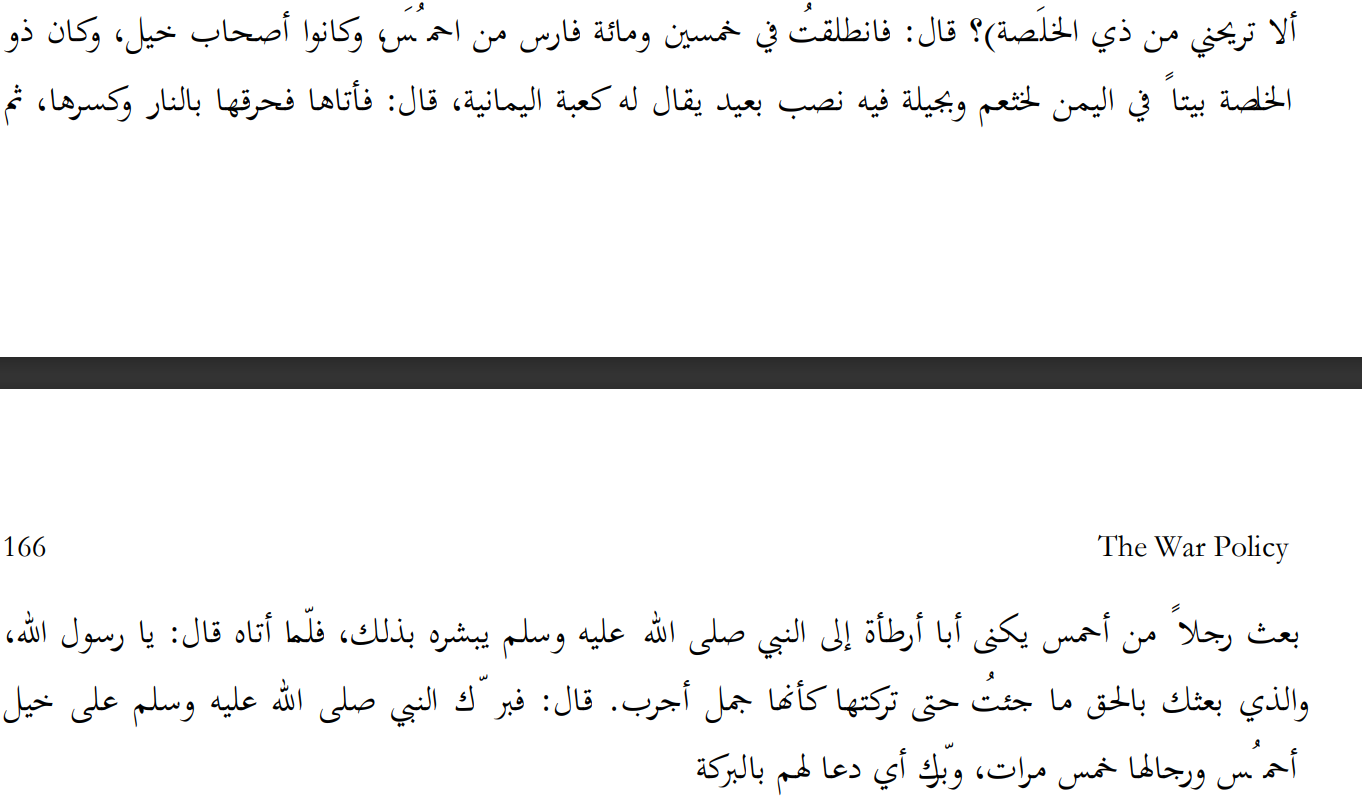
«آیا تو به من از ذوالخلصه آرام نمیدهی؟» او گفت: پس من با یکصد و پنجاه سوار از احمس رفتم، و آنان مردمان اسبهای بستهشده بودند. ذوالخلصه خانهای در یمن بود برای خثعم و بجیله، که در آن بتهایی بود که پرستیده میشدند، و آن را کعبهی یمن مینامیدند. او گفت: پس من نزد آن آمدم، آن را با آتش سوزاندم و ویران کردم. آنگاه مردی از احمس که کنیهاش ابوارطاة بود، نزد پیامبر ﷺ فرستاده شد تا این خبر خوش را به او بدهد. چون به او رسید، گفت: ای فرستادهی خدا، سوگند به آن کسی که تو را به حق فرستاد، نیامدم تا آنکه آن را چون شتران سیاهگونهای برجای گذاشتم. او گفت: «پس پیامبر ﷺ اسبهای احمس و مردان ایشان را پنج بار برکت داد.»
“Will you not grant me rest from Dhu al-Khalsa. He said: So I departed with one hundred and fifty horsemen from Ahnus, and they were people of tethered horses. Dhu al-Khalsa was a house in Yemen for Khath’am and Bujayla with idols that were worshipped, and it was called the Ka’aba of Yemen. He said: so I came to it, burnt it with fire and destroyed it. Them a man from Ahnus whose epithet was Abu Arta’a was sent to the Prophet (saw) to give him the good news about this. When he reached him, he said: O Messenger of Allah, by the One who sent you with the truth, I did not come until I had left it as if it were camels. He said: ‘So the Prophet (saw) blessed the horses of Ahnus and their men five times’”
او "بَرَكَ" د دوی لپاره د برکت د دعا کولو معنی لري۔ او احمد، ابو داؤد او ابن ماجه د اسامه بن زید څخه روایت کړی دی، چې هغه وویل:
And “barraka” means prayed for blessing for them. And Ahmad, Abu Dawud and ibn Majah narrated from Usamah bin Zayd who said:
رسول الله ﷺ ما د یوه ښار ته چې ابنی نومیږي، ولېږلم او وې فرمایل: ورسېږه، بیا یې وسوځوه.
“The Messenger of Allah (saw) sent me to a town called Ibni and said: Reach it then burn.”
دا ابنی د فلسطین یبنا دی۔ دا د عمر (رض) د وصیت میں هم راځي چې مالک د موطا میں روایت کړې، او د دې احادیثو سره د پرتله کولو څخه معلومیږي چې د ونو سوځول او پرې کول، او د کورونو ویجاړول یوازې هغه ځای روا دي چې جنګ یا جګړه دا اړتیا ولري۔ نو دا د جنګي پالیسۍ برخه ګرځي۔ د اسلامي لښکر په هکله دا هم دي چې امام یا د لښکر مشر کولی شي منافقین، تېري کوونکي، هغه چې شا ته تښتي، فتنه ایښودونکي او د دوی په څېر کسان د جنګ ډګر ته له تلو منع کړي، د الله تعالیٰ د دې ارشاد له امله:
This Ibni is the Yubna of Palestine. It also appears in the testament of Umar (ra) narrated by Malik in Al-Muwatta and its comparision with these ahadith that burning and cutting of trees, and the destruction of homes is only where the battle or war requires this. So it enters into the war policy. Of what relates to the Islamic army is that the Imam or army leader can prevent the hypocrites, transgressors, those put to flight, agitators and their like from going to the battlefield due to Allah’s statement:
لیکن الله تعالیٰ ان کا (جہاد کے لئے) نکلنا ناپسند کرتا تھا، اس لئے اس نے انہیں پیچھے رکھ دیا، اور ان سے کہا گیا: "بیٹھے رہو اُن کے ساتھ جو (گھروں میں) بیٹھے ہیں۔" اگر وہ تمہارے ساتھ نکلتے تو تمہارے لئے فساد کے سوا کچھ نہ بڑھاتے، اور وہ تمہارے درمیان دوڑے پھرتے (فساد پھیلاتے) اور تمہارے درمیان فتنہ انگیزی کرتے۔ [TMQ 9:47]
“but Allâh was averse to their being sent forth, so He made them lag behind, and it was said (to them): "Sit you among those who sit (at home Had they marched out with you, they would have added to you nothing except disorder, and they would have hurried about in your midst (spreading corruption) and sowing sedition among you” [TMQ 9:47]
امام منافق یا فاسق را له هغې څخه منع نه کوي چې په جهاد کې ګډون وکړي. مګر که د جنګ پالیسي دا غوښتنه وکړي چې دوی له جهاد ته تللو یا د یوې ځانګړې کړنې د ترسره کولو یا څارنې څخه منع شي، نو د خلیفه او د لښکرو مشر لپاره دا کار جایز دی. څه چې د دښمن سره له معاملې پرته، د جنګي کړنو یا د اسلامي لښکر پورې اړه لري، نو هغه څه چې د بني المصطلق د جنګ څخه د بیرته راستنیدو په وخت کې د رسول الله ﷺ سره پیښ شول، همدا دي. هغوی د مسلمانانو سره د ډیرې ګړندۍ سفر په حال کې بیرته راستانه شول. شپه او ورځ یې تر خپل وس پورې څه ناڅه روان وو، تر دې چې مدینې ته ورسیدل. دوی لښکر ستړی کړ، با وجود دې چې د لښکر سره نرمي کول قاعده ده. د جابر څخه روایت دی چې هغه وویل:
Although the Imam does not prevent the hypocrite or transgressor from participating within it. However, if the war policy requires preventing them from going to battle or undertaking or supervising a specific action, it is allowed for the Khalifah and the army leader to do so. As for what is related to other than dealing with the enemy, the actions of war or the Islamic army, this is what occurred with the Messenger (saw) in his return from the battle of Banu Mustaliq. He returned with the Muslims in surpassing haste. He would walk during the night and day to his utmost effort until he reached Madinah. He exhausted the Islamic army even though the rule is being easy with the army. From Jabir who said:
رسول الله ﷺ به سفر کې ډله څخه وروسته پاتې کیده، ضعیفانو ته به یې په نرمۍ هڅوونه کوله، هغوي به یې خپل شا ته ځای ورکاوه او د دوی لپاره به یې دعا کوله۔
“The Messenger of Allah (saw) would lag behind in travel, gently urge the weak and put him behind him and make du’a for them”
لیکن جنگی سیاست، یعنی وہ حکمت عملی جو عبداللہ بن اُبیّ بن سلول مسلمانوں کے درمیان، یعنی مہاجرین اور انصار کے درمیان فتنہ پیدا کرنے کے لیے کر رہا تھا، اس بات کا تقاضا کرتی تھی کہ لشکر کے کمزور ترین فرد کی رفتار کے مطابق سفر نہ کیا جائے، بلکہ ان کے طاقتور ترین افراد کی رفتار کے مطابق سفر کیا جائے، تاکہ بحث و مباحثے کے لیے کوئی گنجائش نہ چھوڑی جائے۔
However the war policy in relation to what Abdullah bin ‘Ubayy bin Salul was doing of creating strife between Muslims, the Muhajireen and Ansar, necessitated not travelling according to the travel of the weakest of the army but travelling the travel of their strongest so as not to leave a place for discussion or debate.
اسی طرح جنگی سیاست کا تقاضا یہ ہے کہ امام وہ اقدامات کرے جو جنگ کے معاملات کی دیکھ بھال کے لیے ضروری ہوں تاکہ معرکے یا جنگ میں فتح حاصل ہو اور دشمن کو شکست ہو۔ تاہم یہ اس صورت تک محدود ہے جہاں کسی خاص عمل کے بارے میں کوئی نص وارد نہ ہوئی ہو۔ اگر کوئی خاص نص موجود ہو تو جنگی سیاست کے بہانے وہ عمل کرنا جائز نہیں۔ بلکہ واجب ہے کہ آدمی اس نص کے پابند رہے، اس سیاق کے مطابق جس میں وہ نص آئی ہے۔ اگر نص بغیر کسی علت کے مطلق صورت میں آئی ہو تو اس پر عمل کرنا جائز نہیں۔ اگر نص کسی علت کے ساتھ آئی ہو تو نص پر اس علت کے مطابق عمل کیا جائے گا۔ اگر نص میں ممانعت آئی ہو اور یہ بھی آیا ہو کہ رسول اللہ ﷺ نے کسی خاص حالات میں وہ کام کیا، تو ان حالات کے سوا وہ کام نہیں کیا جا سکتا۔ کچھ نصوص ایسے اعمال کے بارے میں وارد ہوئی ہیں جن سے شریعت نے روکا ہے، لہٰذا اس روک تھام پر اسی طرح عمل ہوگا جیسا کہ نص میں آیا ہے۔ اور یہ کہنا بھی درست نہیں کہ جنگی سیاست اس کی اجازت دیتی ہے، کیونکہ جنگی سیاست عام ہے، سوائے اس صورت کے جہاں کوئی نص عموم سے کسی امر کو خارج کرتی ہو، تب اس نص پر عمل ہوگا جو اس نے متعین کیا ہے۔ امام احمد نے صفوان بن عَسّال سے روایت کیا، وہ کہتے ہیں: رسول اللہ ﷺ نے ہمیں ایک لشکر میں بھیجا اور فرمایا:
In such manner the war policy requires that the Imam undertake the actions required to take care of the affairs of war so as to gain victory in the battle or war and defeat for the enemy. However, this is restricted to where no text came upon a specific action; if there exists a specific text, it is not allowed to perform this action under the pretext of war policy. Rather it is obliged that one restricts (himself) to the text according to the context in which it came. If the text came in a definite form without reason (illah), then it is not allowed to undertake the action; if the text came with an (illah) reason, then the text is followed according to the reason. If the text came with a prohibition, and it came that the Messenger (saw) did it in specific circumstances, then one cannot undertake the action except in those circumstances. There came texts about actions which the Shar’a prevented so the prevention is followed according to what came. Nor should one say the war policy (allows it) because the war policy is general except where there came a text excluding a matter for the generality so the text is followed in what is specified by it. Ahmad narrated from Safwan bin ‘Asal who said: The Messenger of Allah (saw) sent us in an expedition and said:
د الله په نامه او د الله په لاره سفر وکړئ. د هغو کسانو سره جنګ وکړئ چې د الله پر ځای نه مني. مُثله مه کوئ، دوکه مه کوئ او ماشوم مه وژنئ. امام البخاري د ابن عمر رضي الله عنهما څخه روایت کړی چې هغه ویلي:
“Travel in the name of Allah and in the way of Allah. Fight those who do not believe in Allah. Do not mutilate, deceive or kill a child.” Al-Bukhari narrated from ibn Umar who said:
امام البخاري له ابن عمر څخه روایت کړی چې هغه وویل:
Al-Bukhari narrated from ibn Umar who said:
د رسول الله ﷺ په یوه جګړه کې یوه ښځه ووژل شوه، نو رسول الله ﷺ د ښځو او ماشومانو د وژلو څخه منع وکړه.
“A woman was found killed in one of the battles of the Messenger of Allah (saw), so the Messenger of Allah (SAW) prohibited the killing of women and children.”
او احمد د اسود بن سریع څخه روایت کوي، چې ویې ویل: د الله رسول ﷺ وفرمایل:
And Ahmad narrated from Al-Aswad bin Sar’i who said: The Messenger of Allah (saw) said:
د هغو خلکو څه حال دی چې وژل یې نن ورځ تر دې هم زیات شوي، تر دې چې ماشومان یې هم ووژل؟ یو سړي وویل: ای د الله رسول ﷺ، دوی یوازې د مشرکانو ماشومان دي. هغه وفرمایل: په حقیقت کې ستاسو غوره کسان د مشرکانو ماشومان دي.
“What is wrong with the people whose killing exceeded today until they killed children? A man said: O Messenger of Allah (saw), they are merely the children of polytheists. He said: Verily the best of you are the children of polytheists.”
ابوداود د انس رضی الله عنه څخه روایت کوي چې رسول الله ﷺ وفرمایل:
Abu Dawud narrated from Anas that the Messenger of Allah (saw) said:
د الله په نوم، د الله په مرسته او د رسول الله ﷺ د ملت پر بنسټ روان شئ. هیڅ پیرانه سړی، ماشوم یا ښځه مه وژنئ، او خیانت مه کوئ. د جنګ مال راټول کړئ او نیک اوسئ، ځکه الله نیکانو سره مینه لري.
“Go forth in the name of Allah, with Allah and in the creed of the Messenger of Allah. Do not kill a perishing old man, a child or a woman and do not betray. Gather together your booties and be righteous as Allah loves the righteous.”
دا احادیث د جګړې ځینې ځانګړي کارونه منع کړي دي، نو سم نه دی چې دوی د رسول الله ﷺ د بهانې لاندې په جګړه کې ترسره شي؛ بلکه دوی یوازې هغه ډول ترسره کیږي لکه څنګه چې نصوص راغلي دي. داسې نصوص راغلي دي چې دا ټول کارونه د توپونو او بمونو په ویشتلو، او د هغه ټولو ضربو په واسطه جواز ورکوي چې له لرې څخه د کومې درنې شیې سره وهل کیږي، که څه هم ښځې او ماشومان وژل کیږي، که چېرې کافرانو ته له وژلو پرته رسیدل ممکن نه وي، د هغوی د دوی سره د ګډولو له امله. امام البخاري د الصعب بن جثامة څخه روایت کړی دی
These ahadith prohibited specific actions in war so it is not correct that they be done in war under the pretext of Messenger of Allah (saw); rather they are only done in the way the texts came. There came texts that allowed doing all these matters by shooting cannons and bombshells, and all that strikes from afar with something heavy even if women and children are killed if it is not possible to reach the disbelievers except by killing them due to their mixing with them. Al Bukhari narrated from As-S’ab bin Jithama
هغه روایت کیږي چې د الله رسول ﷺ څخه د هغو خلکو په اړه پوښتنه وشوه چې د مشرکانو په منځ کې پناه اخلي، او د هغوی ښځې او ماشومان، که چیرې ووهل شي. هغه وفرمایل: دوی هم د هغوی څخه دي.
“That the Messenger of Allah (saw) was asked about the people taking shelter among the polytheists and their women and children, if they are struck. He said: They are of them.”
د الله رسول ﷺ څخه پوښتنه وشوه چې د هغو خلکو په اړه چې د مشرکانو په منځ کې پناه اخلي، او د هغوی ښځو او ماشومانو په اړه چې کله وهل کیږي، نو هغه وفرمایل: دوی هم د هغوی څخه دي.
“That the Messenger of Allah (saw) was asked about the people taking shelter among the polytheists and their women and children, if they are struck. He said: They are of them.”
ما د الله د رسول څخه پوښتنه وکړه ﷺ د مشرکانو د ماشومانو په اړه چې موږ د هغوی سره یوځای وژنو. هغه وفرمایل: "هو، ځکه دوی هم د هغوی څخه دي."
“I asked the Messenger of Allah (saw) about the children of polytheists whom we kill along with them. He said: Yes, for they are of them.”
د طبرانی له ثور بن یزید څخه روایت کړی دی
At-Tabarani extracted from Thawr bin Yazid
هغه چې پیغمبر ﷺ د طائف د خلکو په وړاندې منجنیق پورته کړ.
“That the Prophet (saw) hoisted a catapult upon the people of Taif.”
جب منجنیق فائر کیا جاتا ہے تو وہ عورتوں، بچوں، درختوں وغیرہ میں تمیز نہیں کرتا، جو اس بات کی دلیل ہے کہ جنگ میں توپوں اور بم جیسے بھاری ہتھیاروں کا استعمال جائز ہے، اور ان کے ذریعے ہر چیز کو مارنا، تباہ کرنا اور خراب کرنا جائز ہے۔ اسی طرح اگر کافروں تک پہنچنا عورتوں اور بچوں کو مارے بغیر ممکن نہ ہو، اور وہ ان کے ساتھ مل جانے کی وجہ سے زد میں آ جائیں، تو ان کو مارنا جائز ہے۔ رہا ان میں سے ہر ایک کام کو منجنیق کے بغیر یا ایسی صورتحال کے علاوہ کرنا جہاں ان کو اور جن کافروں سے ہم لڑ رہے ہیں ان کو ممتاز کرنا ممکن نہ ہو، تو اس بارے میں نصوص میں آئے ہوئے بیان کے مطابق تفصیلی حکم ہے۔ رہے بچے، تو ان دو مذکورہ صورتوں کے علاوہ ان کو قتل کرنا قطعی طور پر حرام ہے؛ یہی حکم اس غلام کا ہے، یعنی وہ ملازم جو جبراً کسی قوم کے ساتھ ہو، کیونکہ وہ کمزور لوگوں میں سے ہے۔ یہ اس لیے ہے کہ ان دونوں میں سے کسی کو بھی بغیر کسی وجہ کے قطعی طور پر قتل کرنا ممنوع ہے۔ رہی عورتیں، تو ان کے بارے میں دیکھا جائے گا: اگر وہ لڑتی ہیں تو ان کو قتل کرنا جائز ہے، اور اگر نہیں لڑتیں تو ان کو قتل کرنا جائز نہیں۔ یہ اس حدیث کے مطابق ہے جو احمد اور ابوداؤد نے رباح بن ربیع سے روایت کی کہ وہ رسول اللہ ﷺ کے ساتھ ایک غزوہ میں نکلے جو خالد بن ولید کی قیادت میں لڑا گیا۔ رباح اور رسول اللہ ﷺ کے صحابہ ایک عورت کے پاس سے گزرے جو اس گروہ کے حملے میں ماری گئی تھی۔ وہ اسے دیکھنے کے لیے رک گئے اور اس کے حسن سے حیران ہوئے، یہاں تک کہ رسول اللہ ﷺ اپنی سواری پر ان سے آ ملے تو انہوں نے آپ ﷺ کے لیے جگہ بنا دی۔ رسول اللہ ﷺ اس عورت پر رکے اور فرمایا:
When the catapult is fired, it does not distinguish between women, children, trees etc which indicates that heavy weapons such as cannons and bombshells when used in war then it is allowed to kill, destroy and spoil everything by them. Similarly if it is not possible to reach the disbelievers except by killing women and children; if they are struck due to their mixing with them, killing them is allowed. As for doing each one of these matters alone without the catapult or other than the situation of not being possible to distinguish them and the disbelievers whom we are fighting, in this there is a detailed statement according to what came in the texts. As for children, it is absolutely haram to kill them in other than the two previously mentioned situations; the same applies to the slave i.e. the employee who is with a people through compulsion as he is among the weak people. This is due to the the prohibition of killing either of them in a definite way without being reasoned by any reason. As for women, it is looked into; if she fights then it is allowed to kill her and if she does not, then it is not allowed to kill her. This is according to what Ahmad and Abu Dawud narrated from Rabah bin Rabi’ that he left together with the Messenger of Allah (saw) in a battle which was fought with Khalid bin Walid at its front. Rabah and the Sahabah of the Messenger of Allah (saw) passed by a woman killed in what the front (group) had struck. They stopped to look at her and were astounded by her beauty, until the Messenger of Allah (saw) met them upon his mount so they made a place for him. The Messenger of Allah (saw) stopped over her and said:
دا څوک نه دی چې جنګ ورسره وکړئ. لاړ شه، خالد ته ورشه او ورته ووایه: ماشومان او مزدور مه وژنه.
“This is not someone to fight. Go meet Khalid and say to him: Do not kill children or the hireling.”
دې حدیث د هغې ښځې د وژلو د منع کولو علت دا ګرځولی دی چې هغه جنګ نه کوي. دا خبره د ابو داود هغه روایت لخوا تقویه کیږي چې له عکرمه څخه روایت دی، چې پیغمبر ﷺ
So the hadith made the reason for the prohibition of killing her that she does not fight. This is strengthened by Abu Dawud narrated from ‘Ikrimah that the Prophet (saw)

په حنین په ورځ وژل شوې یوه ښځه تیریده، پیغمبر ﷺ وفرمایل: دا چا وژلې ده؟ یو سړي وویل: زه، ای د الله رسول ﷺ! ما هغه د غنیمت په توګه اخیستې وه او شا ته مې ایښې وه. کله چې هغې زموږ د ماتې ښکاره کول ولیدل، د زما د توري دستې ته یې لاس وغځاوه چې ما ووژني، نو ما هغه ووژله. د الله رسول ﷺ دا کار منع نه کړ. [صحیح مسلم]
“Passed by a woman killed on the day of Hunain and said: Who killed this one? A man said: I did, O Messenger of Allah (saw). I took her as booty and placed her behind me. When she saw defeat over us, she extended (her hand) to the hilt of my sword to kill me so I killed her. The Messenger of Allah (saw) did not prohibit (this).”
دا څرګندوي چې کله ښځه جګړه کوي، نو وژل یې روا دي؛ او که جګړه نه کوي، نو وژل یې روا نه دي. څخه پر هغه بوډا سړي چې مړ کیدونکی وي، که د هغه څخه د کافرانو لپاره هیڅ ګټه پاتې نه وي او نه د مسلمانانو لپاره زیان وي، نو د هغه وژل روا نه دي، د دې منع کولو له امله چې هغه ووژل شي. خو که د هغه څخه د کافرانو لپاره ګټه وي یا د مسلمانانو لپاره زیان وي، نو د هغه وژل روا دي. دا د هغې روایت له امله دی چې احمد او ترمذي د سمرة څخه روایت کړی چې نبي ﷺ وفرمایل:
This clarifies that when the women fights, killing her is allowed; and if she does not fight then killing her is not allowed. As for the perishing old man, if he is perishing without there remaining any benefit to the disbelievers or harm to Muslims, it is not allowed to kill him due to the prohibition of killing him. However, if there is benefit in him for the disbelievers or harm to Muslims, it is allowed to kill him. This is due to what Ahmad and At-Tirmidhi narrated from Samra that the Prophet (saw) said:
د مشرکانو زړه سړي ووژنئ
“Kill the old men of the polytheists”
اور اسی وجہ سے جو امام البخاری نے ابو موسیٰ کی حدیث سے روایت کیا کہ جب نبی ﷺ حنین سے فارغ ہوئے تو آپ ﷺ نے ابو عامر کو اوطاس کے لشکر کا سردار بنا کر بھیجا۔ انہیں دریدِ صمہ ملا، جو سو سال سے کچھ زیادہ عمر کا تھا، اور لوگ اسے جنگ کی تدبیر کے لیے اپنے ساتھ لائے تھے۔ ابو عامر نے اسے قتل کر دیا اور نبی ﷺ نے اس پر اس سے مؤاخذہ نہ فرمایا۔ اسی بنا پر انس (رضی اللہ عنہ) کی حدیث کا مطلب یہ لیا جاتا ہے کہ وہ ایسا بوڑھا ہے جو فنا ہونے والا ہے، جس سے نہ کوئی فائدہ ہے اور نہ اس سے کوئی نقصان نکلتا ہے؛ وہ وہی فانی بوڑھا ہے جیسا کہ اسی حدیث میں آیا ہے۔ یہ امور جن کے کرنے سے ممانعت آئی ہے، وہ صرف اسی طرح کیے جاتے ہیں جس طرح نص ان کے ساتھ آئی ہے۔ اس سے آگے کچھ جائز نہیں۔ مسلمانوں کی طرف سے اپنے کافر دشمن کے ساتھ کیا گیا کوئی بھی عمل قابلِ اعتراض نہیں، جب تک یہ عمل جنگ کی حالت میں واقع ہو، خواہ یہ عمل جنگ سے باہر حلال ہو یا حرام۔ اس سے صرف وہ عمل مستثنیٰ ہے جس کے بارے میں جنگ میں مطلق ممانعت آئی ہو۔
And also due to what Al-Bukhari narrated from the hadith of Abu Musa that when the Prophet (saw) finished from Hunain, he sent Abu Amir over the army of Awtas. He met Dureed As Sama, and he was one hundred (years) and something, and they had brought him to plan the war for them. Abu Amir killed him and the Prophet (saw) did not reject that from him. Accordingly the hadith of Anas (ra) is taken to mean the perishing old man without being any benefit in him or harm emanating from him; he is the perishing old man as came in the same hadith. These matters for which came prohibition about performing them are not done except according to how the text came with them. Anything beyond that is not allowed. No action done by Muslims to their disbeliever enemy is repulsive as long as this action occurred in the situation of war, whether this action was allowed (halal) or forbidden (haram) outside of war. Nothing is excluded from this except the action for which there has come an absolute prohibition against it in war.