۱۸ دولت اسلامی یک دولت انسانی است، نه یک دولت الهیسالار (تئوکراتیک).
18 The Islamic State Is A Human State And Not A Theocratic State.
دولت اسلامی همان خلافت است، زیرا جایگاهی است که فرد سرپرست آن تمام صلاحیت حکومت و اقتدار را دارد و همه احکام را بدون استثنا برمیگزیند. این خلافت رهبری عمومی همه مسلمانان جهان است تا تمام احکام شرع اسلامی را، بر اساس اندیشههایی که با خود آورده و قوانینی که وضع کرده، اجرا کند، و دعوت اسلامی را به جهان ببرد، با آگاه ساختن مردم از اسلام، دعوت دادن ایشان به آن و جهاد در راه الله. این نهاد به امامت و رهبری مؤمنان نیز شناخته میشود. این نقشی انسانی است نه الهی، که وجودش برای اجرای دین اسلام بر انسانها و گسترش آن میان ایشان است. قطعاً این نبوت نیست؛ زیرا نبوت و رسالت به پیامبر یا فرستادهای اشاره دارد که شریعت را از جانب الله ﷺ از راه وحی دریافت میکند تا آن را بدون توجه به اجرای آن به مردم برساند. الله سبحانه و تعالی میفرماید:
The Islamic State is the Khilafah as it is the position in which the one who supervises it possesses all the competence of ruling and authority, and adopts all the rules without exception. It is the general leadership over all Muslims in the world to implement all the Islamic Shar’a rules, by the thoughts it came with and the rules it legislated, and to carry the Islamic da’wah to the world, by informing them of Islam, calling them to it and jihad in the way of Allah. It is also known as the Imamah and the leadership over the believers. It is a human role not a divine one, which exists to implement the deen of Islam over human beings and to spread it among them. It is definitely not the Prophethood as the Prophethood and Messengership conotates to the Prophet or the Messenger the Shar’a from Allah (saw) via the means of revelation to deliver it to the people without paying attention to his implementing it. Allah (swt) says:
وَمَا عَلَى الرَّسُولِ إِلَّا الْبَلَاغُ الْمُبِينُ Note: The text above is a Qur'an verse; it is kept as is with the Arabic recitation, since the original is a Qur'an quotation and the translation instruction applies to rendering the English meaning in Persian. Here is the Persian translation: بر پیامبر جز ابلاغ آشکار [وظیفهای] نیست. [TMQ 24:54]
"There is nothing upon the Messenger except the clear conveyance " [TMQ 24:54]
و
And:
همانا بر عهده توست تنها ابلاغ (پیام). [TMQ 3:20]
"Verily it is upon you the conveyance " [TMQ 3:20]
و
And:
«بر پیامبر جز ابلاغ [آشکار] نیست» [TMQ 5:99].
"There is nothing upon the Messenger except the conveyance" [TMQ 5:99].
این با خلافت، که اجرای شریعت خداوند بر انسانها است، تفاوت دارد. اجرای شریعتی که پیامبر (ﷺ) یا رسول (ﷺ) با خود آورده، شرط رسالت او نیست؛ بلکه شرط اینکه کسی پیامبر یا رسول شود این است که خداوند شریعتی را بر او وحی کند و به او فرمان دهد که آن را ابلاغ کند. موسی (ع)، عیسی (ع) و ابراهیم (ع) پیامبر و رسول بودند، هرچند شریعتی را که با خود آورده بودند اجرا نکردند و حاکم هم نبودند. بنابراین مقام نبوت و رسالت، مقام خلافت نیست. نبوت مقامی الهی است که خداوند آن را به هر که بخواهد میبخشد، در حالی که خلافت مقامی انسانی است که مسلمانان با بیعت، هر که را بخواهند از میان مسلمانان بر خود میگمارند. سرورمان محمد (ﷺ) حاکمی بود که شریعتی را که با خود آورده بود اجرا میکرد؛ پس او هم متصدی مقام نبوت و رسالت بود و هم در همان حال متصدی رهبری مسلمانان در برپایی احکام اسلامی. خداوند (سبحانه و تعالی) به او فرمان داد که حکومت کند، همانگونه که فرمان داد پیام را ابلاغ کند، چنانکه به او فرمود:
This is different from the Khilafah which is the implementation of Allah’s Shar’a upon human beings. It is not a condition upon the Prophet (saw) or Messenger (saw) to implement what Allah (swt) revealed to him in order to be a Messenger, rather the condition to become a Messenger or Prophet is that Allah reveals a Shar’a to him and commands him to convey it. Musa (as), Isa (as) and Ibrahim (as) were Prophets and Messengers though they did not implement the Shariah they came with nor were they rulers. Therefore the post of Prophethood and Messengership is not the post of Khilafah. Prophethood is a divine post which Allah gives to whomever He wills, while the Khilafah is a human post in which the Muslims pledge whomever they wish over them from among the Muslims. Our master Muhammad (saw) was a ruler who implemented the Shari’ah he came with, so he would be in charge of the Prophethood and Messengership while at the same time he would be in charge of the post of leadership of the Muslims in establishing the Islamic rules. Allah (swt) commanded him to rule just like He commanded him to convey the message as He said to him:
«میان ایشان بر اساس آنچه خداوند نازل کرده حکم کن» [TMQ 5:47]
"Rule between them by what Allah revealed" [TMQ 5:47]
و
And:
إِنَّا أَنزَلْنَا إِلَيْكَ الْكِتَابَ بِالْحَقِّ لِتَحْكُمَ بَيْنَ النَّاسِ بِمَا أَرَاكَ اللَّهُ [TMQ 4:105]
"Verily we revealed the Book to you in Truth so that you rule between the people by what Allah showed you" [TMQ 4:105]
همانگونه که خداوند (سبحانه و تعالی) به او فرمود:
Just like He (swt) said to him:
ای پیامبر، آنچه از جانب پروردگارت بر تو نازل شده است به مردم برسان [TMQ 5:67]
"O Messenger, convey what has been revealed to you from your Lord "[TMQ 5:67]
و
And:
این قرآن به من وحی شده است تا شما را و هر که را که به او ابلاغ شود، بیم دهم. [TMQ 6:19]
"This Qur’an has been revealed to me so that I warn you and whoever it is conveyed to" [TMQ 6:19]
و
And:
«ای جامهبهخودپیچیده، برخیز و هشدار ده» [TMQ 74:1].
"O you enshrouded in a cloak. Stand up and warn" [TMQ 74:1].
جز آنکه هنگامی که او مسئول رساندن پیام با گفتار بود، مانند رساندن سخن خداوند:
Except that when he was in charge of conveying the message by speech like conveying Allah’s saying:
خداوند تجارت را حلال کرده و ربا را حرام گردانیده است [TMQ 2:275]
Allah has permitted trade and forbidden riba" [TMQ 2:275]
یا با عمل، مانند صلح حدیبیه، او در رساندن پیام قاطع بود و با قاطعیت دستور انجام کاری را میداد؛ و مشورت نمیکرد، بلکه هر رأیی را که بر خلاف آنچه وحی با خود آورده بود به او پیشنهاد میشد رد میکرد. و هرگاه درباره حکمی که هنوز وحیی دربارهاش نازل نشده بود پرسیده میشد، سکوت میکرد و پاسخ نمیداد تا وحی نازل شود. اما هرگاه میخواست کاری را انجام دهد با مردم مشورت میکرد و به رأی اهل تخصص یا رأی اکثریت عمل میکرد، حتی اگر با رأی خودش متفاوت بود؛ و هرگاه میان مردم داوری میکرد، قاطعانه نمیگفت که آنچه حکم میکند با واقعیت مطابقت دارد، بلکه میگفت بر اساس آنچه از دلایل شنیده است داوری میکند. هنگامی که سورۀ براءت نازل شد، ﷺ به علی بن ابی طالب (رض) دستور داد که نزد ابوبکر برود و به او فرمان داد که در موسم حج، برائت [از مشرکان] را به مردم اعلام کند. پس آن را در عرفه برای مردم خواند و میان مردم گشت تا آن را رساند. هنگامی که صلح حدیبیه را امضا کرد، رأی همۀ صحابه (رض) را رد کرد و رأی خود را بر آنان تحمیل کرد، زیرا آن وحیی از جانب الله (سبحانه و تعالی) بود. هنگامی که جابر از او پرسید: «درباره مالم چگونه داوری کنم؟»، تا وقتی که وحی با حکم آن نازل نشد، به او پاسخ نداد. بخاری از طریق ابن المنکدر روایت کرده است که گفت:
or by action like the Treaty of Hudaybiyya, he would be decisive in conveying and command decisively to undertake the action; nor would he consult but would rather reject all opinion if he was advised anything different from what the revelation came with. And when he was asked of a rule for which no revelation had descended yet, he would keep silent and not reply until the revelation descended. Whereas when he would undertake an action he would consult people and act according to the opinion of experts or the opinion of the majority even where it differed from his opinion, and when he would judge between people he would not be decisive saying that what he judged with conformed with the reality rather he was judging according to what he heard of the evidence. When Surah Bara’ah was revealed, he (saw) commanded Ali bin Abi Talib (ra) to go meet Abu Bakr and commanded him to announce inculpability “Bara’ah to the people during the Hajj period. So he read it to them Arafah and went around to the people until he had conveyed it. When he signed the Treaty of Hudaybiyya he rejected the opinion of all the Sahabah (ra) and compelled his opinion upon them as it was revelation from Allah (swt). When Jabir asked him: “How should I judge over my wealth?", He did not answer him until the revelation descended with the rule. Al-Bukhari narrated via bin al-Munkadir who said:
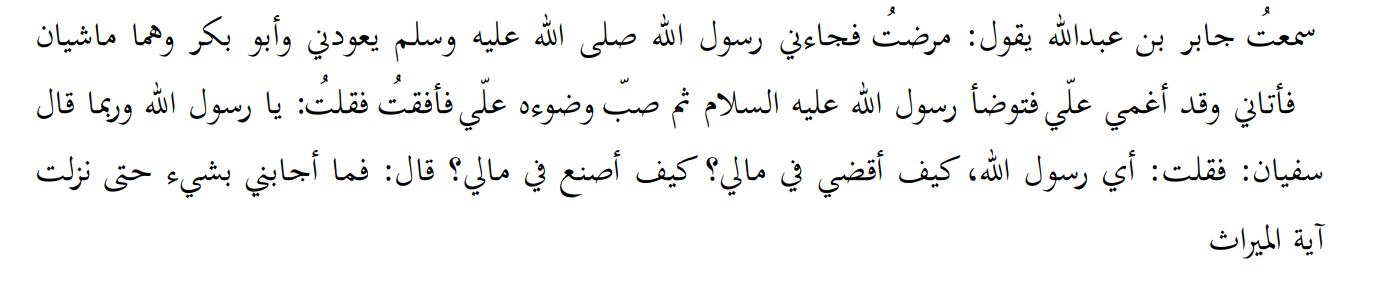
«از جابر بن عبدالله شنیدم که میگفت: بیمار بودم، پس رسول خدا ﷺ همراه با ابوبکر پیاده به عیادتم آمد. مرا در حالی یافتند که بیهوش بودم. رسول خدا ﷺ وضو ساخت، سپس مقداری آب بر من ریخت. به هوش آمدم و به رسول خدا ﷺ گفتم: ای رسول خدا، درباره مالم چگونه حکم کنم؟ با مالم چه کنم؟ او پاسخی به من نداد تا اینکه آیه میراث نازل شد.»
“I heard Jabir bin Abdullah saying: I was ill so the Messenger of Allah (saw) came to visit me together with Abu Bakr walking. They found me when I was unconscious. The Messenger of Allah (saw) made wudhu then poured some water upon me. I woke up and said to the Messenger of Allah (saw): O Messenger of Allah, how should I judge over my wealth? What should I do with my wealth? He said: He did not answer me at all until the ayah of inheritance was revealed.”
این [موضوع] در حوزهی تحمل بار نبوت و رسالت و ابلاغ به مردم بود، در حالی که در پذیرش بار حکومت، رفتار او متفاوت بود. در [جنگ] أُحُد، او مسلمانان را در مسجد گرد آورد و با ایشان مشورت کرد که آیا در داخل مدینه بجنگند یا بیرون از آن. رأی اکثریت این بود که بیرون از مدینه بجنگند، در حالی که رأی پیامبر ﷺ این بود که در داخل مدینه بجنگند. او به رأی اکثریت عمل کرد، بیرون رفت و بیرون از مدینه جنگید. همچنین، هنگامی که میان مردم داوری میکرد، آنان را از این که او را به داوری به زیان حق مسلّم دیگری وادارند، بر حذر میداشت. البخاری از أمّ سلمه روایت کرده است که رسول الله ﷺ صدای نزاعی را در پشت در خانهاش شنید، پس نزد آنان رفت و فرمود:
This was in the undertaking of the burden of Prophethood and Messengership and conveying to the people, whereas in undertaking the burden of rule he would behave differently. In Uhud he collected the Muslims in the mosque, consulted over whether to fight inside Madinah or outside; the opinion of the majority was to fight outside while the Messenger’s opinion was to fight inside. He acted upon the majority opinion, left and fought outside Madinah. Similarly when he judged between people, he would warn them from causing him to judge for them against someone else’s due right. Al-Bukhari narrated from Umm Salamah about the Messenger of Allah (saw) that he heard a dispute at the door of his house so he went to them and said:
«من فقط یک انسان هستم، و طرفین دعوا نزد من میآیند، و ممکن است یکی از شما در بیان دلیلش از دیگری فصیحتر باشد، و در نتیجه من گمان کنم که او راستگو است و به نفع او حکم کنم. اگر هرگاه به نفع کسی حکم کنم که بهواسطه آن حق مسلمانی را به ناحق بگیرد، پس آنچه میگیرد جز پارهای از آتش نیست، و این بر عهده خود اوست که آن را بگیرد یا رها کند.»
“I am only a human being, and litigants with cases of dispute come to me, and someone of you may happen to be more eloquent (in presenting his case) than the other, whereby I may consider that he is truthful and pass a judgment in his favor. If ever I pass a judgment in favor of somebody whereby he takes a Muslim's right unjustly, then whatever he takes is nothing but a piece of Fire, and it is up to him to take or leave.”
و همچنین از او روایت کرده است که او (پیامبر ﷺ) فرمود:
Similarly he narrated from him that he (saw) said:
«به راستی من دوست دارم که خداوند عزّ و جلّ را دیدار کنم، در حالی که هیچکس از من بابت ستمی که در حق او روا داشتهام، چه در خون و چه در مال، مطالبهای نداشته باشد.»
“Verily I wish to meet Allah ‘azza wa jalla without anyone seeking from me an injustice I committed against him, whether in blood or money.”
این امر نشان میدهد که او دو نقش بر عهده داشت: جایگاه نبوت و رسالت، و جایگاه رهبری مسلمانان در این جهان در برپایی شریعت خداوند (سبحانه و تعالی) که بر او نازل شده بود. او در ایفای هر یک از این دو نقش، بنا بر آنچه که هر کدام میطلبید رفتار میکرد، بنابراین یکی را به گونهای متفاوت از دیگری انجام میداد. او در حکومت، بیعت مردم را میگرفت، هم از زنان و هم از مردان، اما از کودکان خردسالی که هنوز به بلوغ نرسیده بودند بیعت نمیگرفت، که این خود تأکید میکند که آن بیعت، بیعت بر حکومت بود نه بر نبوت. از اینجا درمییابیم که خداوند (سبحانه و تعالی) هرگز او را در هیچ امری که به ابلاغ پیام یا تحمل بار آن مربوط میشد، مورد سرزنش قرار نداد؛ بلکه از او میخواست که به سبب ناپاسخگویی مردم، اندوهگین نشود، زیرا تحمل بار رسالت تنها ابلاغ بود؛ پس جز ابلاغ، هیچ وظیفهای بر عهدهاش نبود. خداوند فرمود:
This goes to indicate that he would undertake two roles: the position of Prophethood and Messengership, and the position of leading the Muslims in this world in establishing the Shari’ah of Allah (swt) which was revealed to him. He would dispose in undertaking each role according to what it required, so he would conduct one differently from the other. He took the pledge of the people in ruling, taking it from both women and men but not from young children who had not yet reached puberty, which emphasises that it was a pledge upon ruling not upon Prophethood. From here we find we find that Allah (swt) never censured him in anything to do with conveying the message or undertaking its burden, rather he would request him not to be troubled due to people’s failure to respond to him as the undertaking of the burden of the message was conveying alone; so there was no duty upon him except to convey. Allah (swt) said:
«و بر آنان جانهای خود را از حسرت تباه نکنید» [TMQ 35:8]
"Let not your souls go out in (vainly) sighing for them" [TMQ 35:8]
و
And:
«و در آنچه نیرنگ میکنند اندوه مخور» [TMQ 16:27]
"Do not grieve over what they are plotting" [TMQ 16:27]
و
And:
«تنها وظیفهی تو ابلاغ است» [الشورى: ۴۸].
"The only (duty) upon you is conveying" [TMQ 42:48].
با این حال، خداوند (سبحانه و تعالی) او را به سبب پذیرفتن بار حکومت، و به سبب کارهایی که در اجرای احکامی که پیشتر بر او نازل شده و قبلاً ابلاغ کرده بود انجام داد، مورد عتاب قرار داد. خداوند (سبحانه و تعالی) او را به خاطر انجام کاری که خلاف آنچه بهتر بود، مورد عتاب قرار داد. خداوند (سبحانه و تعالی) فرمود:
However Allah (swt) censured him over his undertaking of the burden of ruling in the actions he performed in implementing rules previously revealed to him and already conveyed. Allah (swt) censured him over doing something contrary to what was better. Allah (swt) said:
«هیچ پیامبری را نرسد که اسیرانی داشته باشد، مگر آنکه در زمین کشتار بزرگی کند.» [TMQ 8:67]
"It is not for a Prophet to have captives of war until he made great slaughter in the world" [TMQ 8:67]
و
And:
«خدا تو را ببخشد! چرا به آنان اجازه دادی؟» [TMQ 9:43].
"Allah forgive you! Why did you grant them permission?" [TMQ 9:43].
از آنچه گفته شد روشن است که نقش رهبران مسلمانان در حکومت با نقش نبوت متفاوت بود. از این رو آشکار میشود که خلافت، که رهبری عمومی بر همه مسلمانان جهان است، یک منصب بشری است نه الهی. زیرا این نقشی است که پیامبر ﷺ عهدهدار آن بود و آن را ترک کرد، در حالی که مقرر فرمود که مسلمانی پس از ایشان آن را بر عهده بگیرد تا جانشین رسول الله ﷺ شود و خلیفهی ایشان در حکومت باشد، نه در نبوت. این خلافت، جانشینی رسول خدا ﷺ در رهبری مسلمانان برای اجرای احکام اسلام و ابلاغ پیام است، نه در دریافت وحی یا وضع شریعتی از جانب خداوند.
All this is clear that the role of leading Muslims in the rule was different from the role of Prophethood. From this it becomes clear that the Khilafah, which is the general leadership over all Muslims in the world, is a human post not a divine one. Since it is a role which the Messenger (saw) used to be in charge of and he left it while obliging that a Muslim should take it over for him so that he takes the place of the Messenger of Allah (saw) and be his Khalifah in ruling but not in Prophethood. It is a Khilafah to the Messenger in leading the Muslims to implement the Islamic rules and conveying the message not in receiving revelation or taking a Shari’ah from Allah.
در مورد عصمت پیامبر (ﷺ)، این عصمت از پیامبر بودن ایشان سرچشمه میگیرد، نه از حاکم بودن ایشان. زیرا عصمت صفتی واجب برای همه پیامبران و رسولان است، چه خودشان بر مردم با شریعت خود حکومت کرده و آن را اجرا کرده باشند، و چه تنها مأمور ابلاغ آن بوده و با آن حکومت یا اجرای آن نکرده باشند. حضرت موسی (ع)، حضرت عیسی (ع) و حضرت ابراهیم (ع) نیز همانند حضرت محمد (ﷺ) معصوم بودند، زیرا عصمت به نبوت و رسالت تعلق دارد، نه به حکومت. اینکه پیامبر (ﷺ) در زمان بر عهده گرفتن مسئولیت حکومت هیچ کار حرامی انجام نداد و هیچ واجبی را ترک نکرد، از معصوم بودن ایشان در مقام نبوت و رسالت ناشی میشود، نه از معصوم بودن در مقام حاکم. بنابراین، بر عهده گرفتن حکومت توسط ایشان مستلزم متصف شدن به عصمت نبود، اما در عمل، ایشان به سبب پیامبر و رسول بودن معصوم بودند. بر این اساس، ایشان حکومت را در وصف خود به عنوان انسانی که بر انسانها حکم میراند، بر عهده گرفتند. قرآن نیز صریحاً آمده که ایشان انسان است. خداوند (سبحانه و تعالی) فرموده است:
As for the Messenger (saw)’s infallibility, it comes from his being a Prophet not from his being a ruler. This is because infallibility is an obligatory attribute for all Prophets and Messengers, irrespective of whether they themselves were the ones to rule over people by their Shari’ah and implement it or whether they were merely restricted to conveying it without ruling with it or implementing it. Our master Musa (as), our master Isa (as) and our master Ibrahim (as) were infallible just like our master Muhammad (saw) was infallible as the infallibility is for Prophethood and the Message not the rule. As for his (saw) not doing any haram action during his undertaking the burden of ruling nor leaving any obligatory action, this came from his being infallible in relation to Prophethood and the Message not in relation to his being a ruler. So his (saw) undertaking the rule did not require his being characterised with infallibility, but practically he was infallible due to his being a Prophet and Messenger. Accordingly, he would undertake the rule in his description as a human being ruling over human beings. The Qur’an has come explicitly stating that he is a human being. Allah (swt) said:
بگو: «همانا من فقط انسانی مانند شما هستم» [TMQ 18:110]
"Say: Verily I am only a human similar to you" [TMQ 18:110]
سپس [Allah] او را از سایر انسانها متمایز ساخت و فرمود:
Then it clarified distinguishing him from the rest of humanity (by saying):
«به من وحی شده است» [TMQ 6:50].
"It has been revealed to me" [TMQ 6:50].
الفرق بينه وبين سائر البشر أنه يوحى إليه، أي في النبوة. وما عدا ذلك فهو إنسان كسائر الناس. فهو في الحكم إنسان كغيره من الناس، ولذلك فمن يصبح خليفة بعده لا شك أنه إنسان كسائر الناس، إذ إنه خليفته في الحكم، لا في النبوة أو الرسالة. ولهذا لا تُشترط العصمة فيه، لأنها ليست من الأمور التي تستلزم العصمة، وإنما تُشترط العصمة للنبوة وحدها. فهو حاكم، لا غير، ولا محل لاشتراط العصمة فيمن يتولون أمره. بل لا يجوز اشتراط العصمة في من يتولى هذا المنصب، لأن العصمة مقصورة على الأنبياء، ولا يجوز أن تكون لغيرهم، إذ وجودها في النبي والرسول ﷺ لازم للتبليغ. فهي عصمة في التبليغ، ويلزم عنها بطبيعة الحال عصمته من فعل الحرام، لأن العصمة في التبليغ لا تكتمل إلا بالعصمة من فعل الحرام. والأمر الذي يستلزم العصمة هو التبليغ. [الشخصية الإسلامية، المجلد الثاني، ص 95]
The distinction from the rest of humanity is that he is revealed to i.e. in the Prophethood. Apart from that he is a human like the rest of mankind. So he is in the rule a human like other people so whoever becomes Khalifah after him would doubtless be a human being like the rest of the people since he is his Khalifah in the rule not in Prophethood or the Message. Therefore infallibility is not a condition for it since it is not one of the matters which require infallibility which is only required for Prophethood. He is a ruler, nothing else, so there is no place for requiring infallibility for those who are in charge of it. In fact, it is not allowed to require infallibility for the one undertaking it as infallibility is restricted to Prophets and it is not allowed for other than Prophets as its existence for the Prophet and Messenger (saw) is required for conveyance. So it is infallibility in conveyance and its acquirement in never performing a haram naturally follows the infallibility in conveyance as the infallibility in the latter cannot be complete save with the infallibility from performing haram. The matter which requires it is the conveyance, The Islamic Personality Vol 2 95
نه عقیدهٔ مردم یا عدم عقیدهٔ آنان، و نه خطا در کردار یا نبودِ آن؛ بلکه آنچه این امر را ایجاب میکند، ابلاغ پیام است، و جز این هیچ. این از آن روست که اگر او از سوی خداوند (سبحانه و تعالی) معصوم نمیبود، ممکن بود پیام را پنهان کند، چیزی بر آن بیفزاید یا از آن بکاهد، به خدا دروغ ببندد و آنچه را که نفرموده بگوید، یا دچار اشتباه شود و غیر از آنچه مأمور به ابلاغ بوده را ابلاغ کند. همهٔ اینها در پیامی از جانب خداوند (سبحانه و تعالی) منتفی است و در اینکه او پیامبری است که باید به او ایمان آورد نیز منتفی است. بنابراین ناگزیر باید پیامبر در ابلاغ پیام به عصمت متصف باشد، و در نتیجه عصمت از ارتکاب حرام نیز بهطور طبیعی بر این اساس حاصل میشود. بر همین اساس، علما در مورد عصمت پیامبران از ارتکاب حرام اختلاف کردهاند؛ برخی گفتهاند که او تنها از ارتکاب گناهان کبیره معصوم است و گناهان صغیره از او پذیرفته است، و برخی گفتهاند که او هم از گناهان کبیره و هم از گناهان صغیره معصوم است. ایشان این سخن را بر این اساس گفتهاند که آیا این کردارها بر تکمیل ابلاغ مترتب میشوند یا نه. اگر تکمیل ابلاغ بر آنها مترتب باشد، آنگاه عصمت در ابلاغ آنها را نیز دربر میگیرد، بهطوری که پیامبر از آنها معصوم میشود، زیرا ابلاغ جز با عصمت او از آنها کامل نمیشود. اما اگر تکمیل ابلاغ بر آنها مترتب نباشد، آنگاه عصمت آنها را دربر نمیگیرد، پس او از آنها معصوم نیست، زیرا ابلاغ بدون آن نیز انجام میشود. بنابراین میان مسلمانان هیچ اختلافی نیست که پیامبر (ﷺ) در ارتکاب کارهایی که خلاف آنچه بهتر است معصوم نیست، زیرا ابلاغ پیام به آنها وابسته نیست. پس عصمت مختص ابلاغ است و از این رو جز برای پیامبران و فرستادگان وجود ندارد و در غیر ایشان امکانپذیر نیست.
در حقیقت، دلیل عصمت عقلی است نه نقلی، زیرا هیچ نص شرعی، چه نصی صریح در قرآن و چه در حدیث، بر وجود عصمت برای هیچ کس، خواه پیامبران، رسولان یا دیگران، وارد نشده است. اما در مورد فرمودهی خداوند:
Verily the evidence for infallibility is rational not textual as there has not come any Shari’ah texts, whether a clear text in the Qur’an or Hadith, upon the existence of infallibility for anyone whether the Prophets, the Messengers or others. As for Allah’s statement:
«همانا الله تنها میخواهد پلیدی (رجس) را از شما، ای خاندان (اهل البیت)، دور کند و شما را کاملاً پاک گرداند» [TMQ 33:33]،
"Verily, Allah only intends to remove filth (rijs) from you, the family of the house, and purify you completely" [TMQ 33:33],
معنای آن این است که او قصد دارد هر شک و اتهامی را از شما بزداید۔ این آیه قطعهای از سه آیه است۔ الله (سبحانه و تعالی) فرمود:
Its meaning is that He intends to remove from you any doubt and accusation. This ayah is a piece among three ayat. Allah (swt) said:
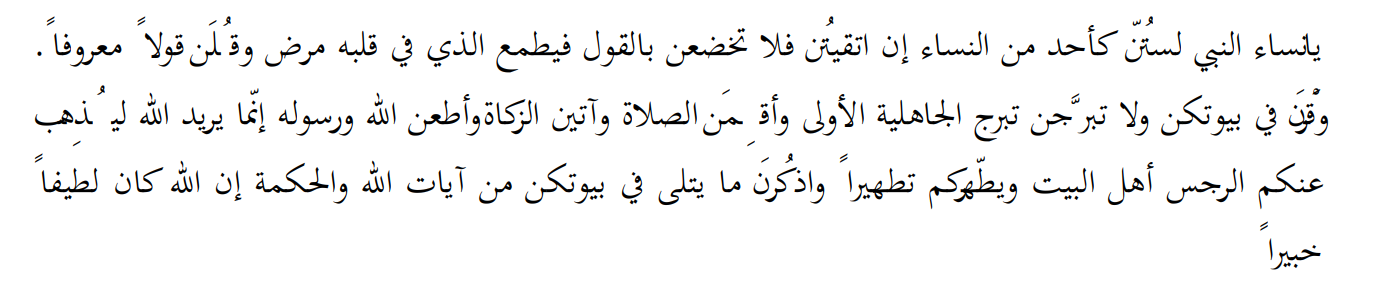
ای زنان پیامبر! شما مانند هیچ یک از زنان دیگر نیستید. اگر پرهیزگاری پیشه کنید، پس در سخن گفتن نرم و دلربا مباشید، مبادا کسی که در دلش بیماری است طمع ورزد؛ بلکه سخنی شایسته و پسندیده بگویید. و در خانههای خود آرام گیرید و خودنمایی نکنید، چنانکه زنان دوران جاهلیت نخستین خودنمایی میکردند؛ و نماز را برپا دارید و زکات دهید و از خدا و پیامبرش فرمان برید. جز این نیست که خدا میخواهد پلیدی را از شما اهل بیت دور کند و شما را کاملاً پاک گرداند. و آنچه را در خانههایتان از آیات خدا و حکمت تلاوت میشود به یاد آورید. همانا خدا باریکبین و آگاه است. [TMQ 33:32-34]
"O wives of the Prophet, you are not like any other woman. If you fear (Allah) then be not too complaisant of speech lest one in whose heart is a disease should be moved with desire but speak a speech (that is) just. And stay quietly in your houses and make not a dazzling display like that of the former times of ignorance, and establish prayer and give the zakat and obey Allah and His Messenger. Verily Allah only wishes to remove filth from you, O family of the house, and purify you completely. And remember what is recited in your homes of the signs of Allah and the Wisdom. Verily Allah is Courteous, All-Knowing" [TMQ 33:32-34].
هیچ ارتباطی میان این آیه و عصمت به هیچ وجه وجود ندارد. از سخن او «تا پلیدی را از شما دور کند» نمیتوان فهمید که یعنی شما را معصوم گرداند. بلکه دور کردن پلیدی، زدودن هر گونه آلودگی است و مقصود در اینجا پلیدی مجازی، یعنی شک و تردید و گمان بد است، همانگونه که از جملات پیش از این عبارت در آن دو آیه کاملاً آشکار است. پاکسازی در اینجا، پاک شدن از شک و گمان است، زیرا معانی واژه «رجس» (پلیدی) عبارت است از پلیدی مادی، پلیدی مجازی و حتی عذاب، همانگونه که در قرآن با این معانی آمده است. خداوند متعال فرموده است:
There is no relationship between this ayah and infallibility in any way whatsoever. It is not possible to understand from His statement “to remove filth from you” i.e. to make you infallible. Rather the removing of filth is the removing of all dirt and the meaning here is metaphorical filth i.e. doubt and suspicion as is explicitly clear in the sentences before this sentence in the two ayat. The purification here is cleansing from doubt and suspicion because the meaning(s) of the word filth is material filth, metaphorical filth and even punishment as it has come in the Qur’an with these meanings. Allah (swt) said:
از پلیدی بتها دوری کنید [TMQ 22:30]
"Avoid the filth of the idols" [TMQ 22:30]
و
And:
همچنین خداوند پلیدی را بر کسانی قرار میدهد که ایمان نمیآورند [TMQ 6:125].
"Similarly does Allah ordain the filth upon those who do not believe" [TMQ 6:125].
در این دو آیه، «رجس» (پلیدی) به معنای پلیدی مجازی است. و الله (سبحانه و تعالی) فرمود:
In these two ayat, filth is metaphorical filth. And Allah (swt) said:
یا گوشت خوک، که قطعاً آن پلید است [TMQ 22:30]
"Or the meat of pig for verily it is filth" [TMQ 22:30]
یعنی نجاست حِسّی، یعنی آلودگی جسمانی. و الله (سبحانه و تعالی) فرمود:
i.e. ritual impurity meaning physical filth. And Allah (swt) said:
اینگونه خداوند خشم را بر کسانی قرار میدهد که ایمان نمیآورند. [TMQ 6:125]
"Thus Allâh puts the wrath on those who believe not" [TMQ 6:125].
پس فرمودهٔ او در آیه «لِیُذهِبَ عَنکُمُ الرِّجسَ» به این معناست که پلیدی مجازی، یعنی بدگمانی، از شما دور شود. اما فرمودهٔ او «وَ یُطَهِّرَکُم تَطهِیرًا»؛ همانا واژهٔ «یُطَهِّرَکُم» (شما را پاک گرداند) و واژهٔ «تطهیر» هرگز در زبان، قرآن یا حدیث به معنای عصمت (مصونیت از گناه) نیامده است. در زبان عربی، «طَهَرَ» یعنی چیزی را از ناپاکی پاک کردن و «تَطهیر» یعنی زدودن ناپاکی از آن. زن از حیض «طاهِر» و از ناپاکی و عیب «طاهِرَة» است، و «طَهارَت» در شریعت یعنی برطرف کردن «حَدَث». پیامبر ﷺ فرمود:
So His statement in the ayah “to remove the filth from you” means to remove metaphorical filth i.e. suspicion. As for His saying: “And purify you completely” verily the word yutahirukum (to purify you) and the word purification never came with the meaning of infallibility, neither in the language, Qur’an or the Hadith. In the language, to purify (tahara) something purification (tatheera) means to remove impurity from it, and the woman is pure (tahir) from menstruation and (tahira) from impurity and defects, and (tahara) in the Shar’a is removing the (hadath). He (saw) said:
«خداوند نماز را بدون طهارت (طهور) نمیپذیرد»
“Allah does not accept prayer without purity (tuhur)”
و این معنا در قرآن آمده است. الله (سبحانه و تعالی) فرموده است:
And it has come in the Qur’an with this meaning. Allah (swt) said:
«و جامهات را پاک گردان» [TMQ 74:4]
"And purify your garment" [TMQ 74:4]
و
And:
«آبی که به وسیلهی آن پاک شوید» [TMQ 8:11]
"Water so that you may be purified by it" [TMQ 8:11]
و
And:
با آنان نزدیکی نکنید تا آنگاه که پاک شوند [TMQ 2:222]
Do not approach them until they purify themselves [TMQ 2:222]
«و تو را برگزید و پاکیزه ساخت» [TMQ 3:42
"Chose you and purified you" [TMQ 3:42
یعنی از عیوب و همچنین:
i.e. from faults and also:
و اگر جنب هستید، پس خود را پاک کنید [TMQ 5:6]
"And if you are (junub) then purify yourselves" [TMQ 5:6]
یعنی از ناپاکی. پاکیزگی مؤمنان نیز آنگاه حاصل شد که الله (سبحانه و تعالی) فرمود:
I.e from the impurity. The purification of the believers also came when Allah (swt) said:
«خداوند نمیخواهد برای شما سختی (حرج) قرار دهد، بلکه میخواهد شما را پاک گرداند و نعمت خود را بر شما کامل کند» [TMQ 5:6].
"Allah does not wish to make difficulty (haraj) for you but rather He wishes to purify you and complete His blessing upon you" [TMQ 5:6].
همه این متون تصریح میکنند که معنای آیه این است که خداوند (سبحانه و تعالی) آنان را از شک و بدگمانی پاک گردانید، و نفی میکنند که معنای آن عصمت باشد؛ از این رو آیه بر عصمت دلالت ندارد.
All these texts specify that the meaning of the ayah is that Allah (swt) cleansed them from doubt and suspicion, and negates that its meaning is infallibility hence the ayah does not indicate infallibility.
بنابراین برای عصمت هیچ کسی دلیل نقلی وجود ندارد؛ تنها دلیل عقلی بر آن وجود دارد. عقل است که الزام میکند در ابلاغ، پیامبر و رسول معصوم باشد، زیرا پیامبر و رسول بودن او مستلزم آن است که معصوم باشد، وگرنه نمیتواند پیامبر یا رسول باشد. عقل است که الزام میکند کسی که مسئولیت ابلاغ پیامی از جانب الله (سبحانه و تعالی) را بر عهده ندارد، معصوم بودنش روا نیست، زیرا او انسانی است و فطرتش که الله (سبحانه و تعالی) او را بر آن آفریده، این است که خطا و فراموشی در او رخ دهد. و تا زمانی که مسئولیت پیام الهی بر عهدهاش گذاشته نشده، هیچ چیزی وجود ندارد که عصمت او را ایجاب کند. اگر ادعا شود که او معصوم است، این بدان معناست که او مسئول پیامی از جانب الله است، و این روا نیست، چرا که پس از محمد ﷺ، فرستادهی الله، هیچ پیامبری نیست. الله (سبحانه و تعالی) میفرماید:
Therefore there is no textual evidence for the existence of infallibility for anyone; there is only rational proof for it. The mind is what compels that there be infallibility in conveyance for the Prophet and Messenger as his being a Prophet and Messenger requires that he be infallible otherwise he cannot be a Prophet or Messenger. The mind is the one which compels that one not given the responsibility to convey a message from Allah (swt) is not allowed to be infallible as he is a human being, and his nature (fitra) with which Allah (swt) created him is that error and forgetfulness occur in him. And as long as he is not given responsibility with a message from Allah (swt), this means there is nothing which requires that he be infallible. If it is claimed that he is infallible, then this means that he is responsible with a message from Allah which is not permitted since there is no Prophet after Muhammad, the Messenger of Allah (saw). Allah (swt) said:
«امّا او فرستادهٔ خدا و خاتم پیامبران است» [TMQ 33:40].
" But he is the Messenger of Allah and seal of the Prophets" [TMQ 33:40].
ادعای عصمت به معنای ادعای رسالت است، زیرا فرستاده، واسطهای از جانب خداوند است و در وجود او، بهسبب ویژگیهای انسانیاش، احتمال خطا و گمراهی در ابلاغ از جانب خداوند وجود دارد. حفظ پیام خداوند از خطا و تغییر در ابلاغ، ایجاب میکند که فرستاده از خطا و گمراهی معصوم باشد. تنها به همین دلیل، عصمت ویژگی فرستاده است و تنها اوست که به عصمت نیاز دارد. پس اگر عصمت برای فرد دیگری ادعا شود، در حالی که دانسته است تنها چیزی که عصمت را ایجاب میکند ابلاغ پیام خداوند است، این به معنای ادعای آن چیزی برای این فرد دیگر است که عصمت را لازم میگرداند و علت آن، یعنی ابلاغ پیام است. بنابراین این ادعا برابر است با آنکه او مسئول ابلاغ پیامی از جانب خداوند (سبحانه و تعالی) است. از این رو، لازم دانستن عصمت برای خلیفه جایز نیست، زیرا لازم دانستن آن به معنای مسئول بودن او در ابلاغ پیامی از جانب خداوند (سبحانه و تعالی) است و در نتیجه ایجاب میکند که او معصوم باشد، و این روا نیست.
Claiming infallibility means claiming Messengership since the Messenger is a conveyor from Allah, and there is within him due to his attributes as a human being the potential of error and misguidance in conveying from Allah, protecting the message of Allah from error and change in the conveyance requires that the Messenger be infallible from error and misguidance. For this reason alone, infallibility is an attribute of the Messenger and it alone requires infallibility. If it is claimed for anyone other than him while being known that the only matter requiring it is conveying the message from Allah then it is equivalent to claiming for this other person what requires infallibility and its cause i.e. conveying the message. Thus it would be claiming that he is responsible to convey a message from Allah (swt). Therefore it is not allowed to require infallibility for the Khalifah as requiring it means that he is responsible to convey a message from Allah (swt) thus requiring him to be infallible, and this is not permitted.
این مطلب روشن میکند که خلیفه انسانی است که میتواند اشتباه کند یا درست بگوید، و از او همان چیزهایی سر میزند که از هر انسانی سر میزند، از قبیل غفلت و فراموشی، دروغ، خیانت و گناهان، زیرا او انسان است و نه پیامبر و نه فرستاده. پیامبر ﷺ خبر داده است که ممکن است امام دچار خطا شود، و خبر داده است که ممکن است از او چیزی سر بزند که موجب شود مردم به سبب ستم، گناهان و جز آن، از او نفرت داشته باشند و او را نفرین کنند. حتی خبر داده است که ممکن است از او کفر آشکار سر بزند. مسلم روایت کرده است: زهیر بن حرب برای من نقل کرد که شبابه برای ما نقل کرد که ورقاء برای من نقل کرد از ابو زناد از اعرج از ابو هریره از پیامبر ﷺ که فرمود:
This makes it clear that the Khalifah is a human being who can make a mistake or be correct, and it is allowed to occur from him what occurs from any human being of neglect and forgetfulness, falsehood, treachery, sins as he is a human being and not a Prophet or Messenger. The Messenger (saw) informed that it is possible for the Imam to err, and he informed that it may occur from him what may cause people the hate him and curse him due to injustice, sins etc. He even informed that clear disbelief may occur from him. Muslim narrated: Zuhayr bin Harb related to me that Shababa related to us that Warqa related to me from Aby Zayyad from Al- ‘Araj from Abu Hurayray from the Prophet (saw) who said:
«همانا امام سپری است که مردم پشت سر او میجنگند و بهوسیله او حمایت میشوند. اگر به تقوای الله عزّ وجلّ فرمان دهد و عدالت ورزد، برای او در این کار پاداش است. و اگر به غیر آن فرمان دهد، وزر و عقوبت آن نیز بر عهده اوست.»
“Verily the Imam is a shield from behind whom they fight and by whom they are protected. If he commanded with the fear (taqwa) of Allah ‘azza wa jalla and does justice then there is reward for that for him. If he commands with other than that, then there is the same against him.”
این بدان معناست که امام معصوم نیست و ممکن است به چیزی غیر از ترس از الله امر کند۔ مسلم نیز روایت کرده است: عثمان بن ابی شیبہ برای ما روایت کرد که جریر از عمش از زید بن وہب از عبدالله برای ما روایت کرد که گفت: رسول الله ﷺ فرمود:
This means that the Imam is not infallible and it is possible for him to command other than the fear of Allah. Muslim also narrated: Uthman bin Abi Sheeba related to us that Jareer related to us from Al-‘Amash from Zayd bin Wahhab from Abdullah who said: The Messenger of Allah (saw) said:
«بیگمان پس از من، برتریدادنهای ناروا و اموری خواهد بود که آنها را انکار خواهید کرد.» گفتند: ای فرستادهی خدا، اگر چنین چیزی به یکی از ما برسد، ما را به چه فرمان میدهی؟ فرمود: «حقوقی را که بر عهدهی شماست ادا کنید و آنچه را که حق شماست از خداوند بخواهید.» ﷺ
“Verily there will be after me some improper preferences and matters which you will reject. They said: O Messenger of Allah, what would you command anyone of us when that reaches him? He said: Fulfill the rights due from you and ask Allah (for) what is due to you.”
مسلم روایت کرده است: اسحاق بن ابراهیم الحنظلی برای ما روایت کرد که عیسی بن یونس به ما خبر داد که الأوزاعی از زید بن یزید بن جابر از زریق بن حیان از مسلم بن قُرطه از عوف بن مالک برای ما روایت کرد، از رسول خدا ﷺ که فرمود:
Muslim narrated: Ishaq bin Ibrahim Al-Handhalee related to us that Isa bin Yunus informed us that Al-Awza’i related to us from Zayd bin Yazid bin Jabir from Zareeq bin Hayyan from Muslim bin Qurta from ‘Awf bin Malik from the Messenger of Allah (saw) who said:
«بهترین زمامدارانِ شما کسانی هستند که آنان را دوست دارید و ایشان نیز شما را دوست دارند، و برایتان دعا میکنند و شما نیز برایشان دعا میکنید. و بدترین زمامدارانِ شما کسانی هستند که از ایشان نفرت دارید و ایشان نیز از شما نفرت دارند، و آنان را نفرین میکنید و ایشان نیز شما را نفرین میکنند.» گفته شد (از سوی حاضران): آیا نباید با شمشیر ایشان را سرنگون کنیم؟ فرمود: «نه، تا زمانی که در میانتان نماز را برپا دارند. و اگر در ایشان چیزی ناپسند دیدید، از عملکرد ایشان نفرت داشته باشید، اما از اطاعت ایشان دست نکشید.»
“The best of your rulers are those whom you love and who love you, who invoke God's blessings upon you and you invoke His blessings upon them. And the worst of your rulers are those whom you hate and who hate you and whom you curse and who curse you. It was asked (by those present): Shouldn't we overthrow them with the help of the sword? He said: No, as long as they establish prayer among you. If you then find anything detestable in them. You should hate their administration, but do not withdraw yourselves from their obedience.”
امام بخاری روایت کرده است: «اسماعیل برای ما نقل کرد که ابن وهب برای من نقل کرد از عمرو، از بُکیر، از بُسر بن سعید، از جُنادہ بن ابی امیہ که گفت: ما بر عُبادہ بن صامت وارد شدیم که بیمار بود، و گفتیم: خداوند تو را بهبود دهد. حدیثی را که از پیامبر ﷺ شنیدهای برای ما نقل کن، که خداوند به واسطهٔ آن به تو یاری رساند. او گفت:
Al-Bukhari narrated: “Ismail related to us that Bin Wahhab related to me from Amru from Bukayr from Busr bin Said from Junada bin Abu Umayyah who said: We entered to ‘Ubadah bin As-Samit who was ill and we said: May Allah improve you. Relate to us a hadith which you heard from the Prophet by which Allah will help you. He said:
«پیامبر ﷺ ما را فراخواند و ما با او بیعت کردیم. از جمله آنچه از ما پیمان گرفت این بود که با او بیعت کردیم که در آنچه دوست داریم و آنچه ناخوش میداریم، در سختی و آسانی، و هنگامی که دیگران بر ما مقدم داشته شوند، شنوا و فرمانبردار باشیم، و با صاحبان امر در فرمانروایی نزاع نکنیم. (پیامبر ﷺ فرمود:) مگر آنکه کفر آشکاری ببینید که برای آن از جانب خداوند دلیل روشنی (سلطان) داشته باشید.»
“The Prophet (saw) called us so we gave him a pledge. So he said in what we took from us that we pledged him to hear and obey in what attracts us and what we hate, in hardship and ease, and when others are preferred over us and that we do not dispute the rule with those in authority (He said): Unless you see clear disbelief (kufr bawah) upon which you have from Allah a clear proof (sultan).”
و از عایشه (رضی اللہ عنہا) که گفت: «رسول الله ﷺ فرمود:
And from Aisha who said: “The Messenger of Allah (saw) said:
«تا جایی که ممکن است، مجازاتهای شرعی را از مسلمانان دور کنید؛ اگر برای او راه گریزی وجود دارد، او را به راهش واگذارید، زیرا اگر امام در بخشیدن اشتباه کند، بهتر است از این که در مجازات اشتباه کند.»
" Avert the legal penalties from the Muslims as much as possible, if he has a way out then leave him to his way, for if the Imam makes a mistake in forgiving it would be better than making mistake in punishment.”
الترمذي روى هذا الحديث، وهو واضح في أن الإمام قد يخطئ وينسى ويعصي. ومع ذلك أمر الرسول ﷺ بالاستمرار في طاعته ما دام يحكم بالإسلام، ولم يصدر منه كفر بواح، ولم يأمر بمعصية. وبعد إخبار الرسول ﷺ عن الخلفاء بأنه سيكون منهم من يُنكِر المسلمون عليهم ومع ذلك أمر بالطاعة، فهل يبقى بعد ذلك أي مجال للقول بأن الخليفة يجب أن يكون معصومًا، وأنه لا يجوز منه ما يجوز من البشر؟ هذا من حقيقة الخليفة في ظل غياب شرط العصمة، بل وغياب الإذن حتى بجعلها شرطًا. ومع ذلك فإن القائلين بوجوب عصمة الخليفة قد قدموا أدلة لرأيهم، فلا بد من النظر في ما تتضمنه وبيانه. وتتلخص هذه الأدلة في أربعة أدلة.
Tirmidhi narrated this hadith which is clear that the Imam can err, forget and sin. Despite that, the Messenger (saw) commanded to continue obeying him as long as he rules by Islam and clear disbelief has not occurred from him and he has not commanded with sin. After the news of the Messenger (saw) about the Khulafaa that there will be some which the Muslims will dislike yet he commanded obedience, is there after that any possibility of saying that the Khalifah must be infallible and that it is not permitted from him what is permitted from human beings? This is from the reality of the Khalifah in relation to the absence of the condition of infallibility, rather even the absence of permission to even make it a condition. However, those who said it is required that the Khalifah be infallible have presented evidences for their view, so we must examine and clarify what is within them. These evidences are summarised in four evidences:
۱. امام در حفظ شریعت، ابلاغ و آموزش آن، نظارت بر امور شهروندان، برقراری عدالت میان ایشان، یاری رساندن به ستمدیدگان، اجرای حدود واجب اسلامی و تعزیرات، و پیادهسازی اسلام بر اساس شریعت، جایگاه رسول را دارد. از این رو ناگزیر است که از آغاز عمر تا پایان آن معصوم باشد و از هر گناه، کوچک یا بزرگ، چه عمدی باشد و چه از روی فراموشی، پاک باشد.
1. The Imam stands in the position of the Messenger in preserving the Shari’ah , conveying and teaching it, supervising the citizens’ affairs, establishing justice among them, assisting the oppressed, establishing the mandatory Islamic punishments (hudood) and discretionary punishments (ta’zeer) and implementing Islam in the Shari’ah way. Therefore it is inevitable that he be infallible and pure from all evil, large or small, whether they occurred deliberately or through forgetfulness, from the beginning of his life to the end.
۲. اگر ارتکاب گناه از امام ممکن باشد، آنگاه برای جلوگیری او از گناه کردن و خطا نمودن، به امامی معصوم نیاز خواهد بود. و اگر برای امام دوم جایز باشد که خطا کند و مرتکب گناه شود، آنگاه امامی معصوم دیگری لازم خواهد بود تا این کار را از او بازدارد، و این روند همچنان ادامه خواهد یافت تا آنکه کار به امامی معصوم ختم شود که ارتکاب گناه و خطا بر او ممکن نیست. پس باید امامی معصوم وجود داشته باشد.
2. If sin is possible from the Imam, it will require an infallible Imam to prevent him from committing sins and erring. And if it is permitted for the second to err and perform sins, then it would require another infallible Imam to prevent this from him, and it would continue in this manner until the matter ends with an infallible Imam against whom it is not possible to commit sins or errors. Therefore there must be an infallible Imam.
«پیمان من شامل ستمگران نمیشود» [TMQ 2:124]
"My promise does not include the oppressors" [TMQ 2:124]
آیهٔ الهی گواهی است بر وجوب امامِ معصوم که نگهبانِ شریعت است. این آیه در سورۂ البقره قرار دارد. خداوند (سبحانه و تعالی) فرمود:
The statement from Allah (swt) is an evidence upon the obligation of an infallible Imam who is a protector of Shari’ah. This ayah is in Surah Al-Baqarah. Allah (swt) said:
و هنگامی که ابراهیم را پروردگارش با کلماتی آزمود و او آنها را به کمال رساند. فرمود: من تو را برای مردم امام قرار میدهم. گفت: و از فرزندانم؟ فرمود: پیمان من به ستمکاران نمیرسد. [TMQ 2:124]
"And when Ibrahim was tested by his Lord with certain words which he fulfilled. He said: I will make you an Imam for the people. He said: And of my offspring? He said: My promise will not reach the oppressors" [TMQ 2:124].
«کلمات» [أي: الكلمات التي ابتلاه بها ربه] که ابراهیم را امام میسازند، همان است که آیهٔ بعد از این آیه معنای آن را روشن میکند. هنگامی که ابراهیم سخن خداوند را شنید:
The words making him are those making him an Imam as the ayah coming after this ayah give sense to. When Ibrahim heard Allah’s statement:
«بیشک من تو را برای مردم امام قرار خواهم داد» [TMQ 2:124]
"Verily I will make you an Imam for the people" [TMQ 2:124]
و (ابراهیم) این مقام بزرگوارانه را دید؛ و امیدوار بود که فرزندانش نیز بهرهای از آن داشته باشند. پس الله (سبحانه و تعالی) فرمود:
And saw the greatness of this honourable post; he hoped that his descendants would have a share of it. So Allah (swt) said:
«عهدِ من به ستمگران نمیرسد» [TMQ 2:124].
"My promise does not reach the oppressors" [TMQ 2:124].
معنای آن این است که این مقام به کسی که عیبدار است یا به ظلم آلوده شده، داده نمیشود؛ و این معنا عامتر از آن است که این شخص به نفس خود یا به دیگری ستم کرده باشد، حتی اگر این ستم تنها برای مدتی کوتاه در زندگیاش بوده باشد. بلکه این مقام به کسی داده میشود که در تمام عمرش هیچ ظلمی روا نداشته باشد.
Its meaning is that this post will not be given to someone who is blemished or will become stained with injustice, which is more general than whether this one is unjust to his own soul or someone else even if only for a short time in his life. Rather it is given to someone who does not do any injustice in his life.
ب) الله (سبحانه و تعالی) فرمود:
b) Allah (swt) said:
آیا آن که به حق راه مینماید، سزاوارتر است که پیروی شود، یا آن که راه نمییابد مگر آن که خود هدایت شود؟ [یونس: ۳۵].
"Is the one guided to the Truth of more right to be followed or the one who does not guide unless he is guided?" [TMQ 10:35].
این دلیلی است بر وجوب عصمت امام، زیرا او به سوی حق هدایت میکند، و کسی که امکان خطا از او میرود، به سوی حق هدایت نمیکند، هرچند ممکن است که به حق دست یابد.
This is an evidence for the obligation of the infallibility of the Imam as he guides to the truth, and the one from whom an error is possible does not guide to it though it may happen that he achieves the truth.
ج) خداوند (سبحانه و تعالی) فرمود:
c) Allah (swt) said:
﴿أَطِيعُوا اللَّهَ وَأَطِيعُوا الرَّسُولَ وَأُولِي الْأَمْرِ مِنكُمْ﴾ [سورۃ النساء: ۵۹]
"Obey Allah and obey the Messenger and those in authority among you" [TMQ 4:59].
این آیه دلیلی است بر عصمت اولیالامر، یعنی عصمت امام، زیرا خداوند (سبحانه و تعالی) اطاعت اولیالامر را بهطور مطلق واجب کرده و آن را به زمان یا موردی خاص مقید نساخته است. این امر مستلزم آن است که کسی که اطاعتش واجب است معصوم باشد، زیرا فرد غیرمعصوم ممکن است به گناه و خطا فرمان دهد. اگر اطاعت او در چنین حالتی واجب باشد، در حالی که (آن فرمان) حرام است، لازم میآید که پروردگاری که شأنش بزرگ داشته شده، به جمع کردن دو امر متضاد یا متناقض فرمان داده باشد، و این محال است. پس کسی که اطاعتش واجب است باید معصوم باشد. همچنین، خداوند (سبحانه و تعالی) اطاعت اولیالامر را به اطاعت رسول خدا ﷺ پیوند داده است، و اطاعت آن حضرت ﷺ نیز به اطاعت خداوند (سبحانه و تعالی) پیوسته است، و این مستلزم برتری و والایی است. مقصود از اولیالامر در اینجا ائمه معصوم هستند. اینها دلایل کسانی است که میگویند عصمت امام شرط است. پاسخ هر یک از این دلایل بهطور خلاصه در ادامه آمده است:
This ayah is an evidence for the infallibility of those in authority i.e. infallibility of the Imam, because Allah (swt) commanded the obedience of those in authority in an unrestricted manner without specifying the obedience for a specific or period. This requires that the obeyed one is infallible as a fallible one can command with sin and error. If his obedience was obliged while this is (his) situation though it is forbidden, this obliges that the Lord whose matter is glorified has commanded to combine two opposites or contradictory matters which is impossible. The obeyed one must be infallible. Also, Allah (swt) linked obedience to those in authority with obedience to the Messenger (saw) whose obedience is linked to His (swt) obedience which requires exaltation. Those meant in authority here are the infallible Imams. These are the evidences of those who say that it is a condition that the Imam be infallible. The response to each one of this is summarised in the following:
اولاً: خلیفه در حکومت جای پیامبر ﷺ را میگیرد، با اجرای شریعت، نه با ابلاغ آن از جانب الله (سبحانه و تعالی)؛ او در حکومت جانشین پیامبر ﷺ است، نه در ابلاغ از جانب الله (سبحانه و تعالی). این جایگاه ایجاب نمیکند که او معصوم باشد، زیرا منصب حکومت، نه از نظر عقل و نه از نظر شرع، مستلزم عصمت نیست. درست است که شرایطی برای خلیفه لازم است، از جمله: اسلام، مرد بودن، آزاد بودن (نه برده)، بلوغ (یعنی رسیدن به سن تکلیف)، عقل سالم، عدالت و توانایی. هر یک از این شرایط بر اساس دلیلهایی از شریعت لازم شمرده شده است. اما لازم بودن این شرایط بدان معنا نیست که خلیفه از مخالفت با آنها معصوم باشد؛ بلکه یعنی کسی که این منصب را بر عهده میگیرد، هنگام انتصاب باید این ویژگیها را داشته باشد، نه اینکه از از دست دادن آنها مصون باشد. ممکن است او این ویژگیها را از دست بدهد، که در آن صورت یا سزاوار عزل میشود یا از خلافت کنار میرود (یعنی دیگر خلیفه نمیماند). لازم شمردن این ویژگیها برای خلیفه، مانند لازم شمردن عدالت برای شاهد است، در رابطه با توصیف او به آن تا شهادتش پذیرفته شود؛ این به معنای آن نیست که از مخالفت با آن معصوم باشد. بنابراین، جایگاه خلیفه در جای پیامبر ﷺ در حکومت، دلیلی بر لزوم عصمت او نیست. اما ابلاغ شریعت توسط مسلمانان، ابلاغ از جانب الله (سبحانه و تعالی) نیست. بلکه انجام چیزی است که الله (سبحانه و تعالی) از مسلمانان خواسته، یعنی حمل دعوت به سوی بشریت و آموزش دادن افکار اسلام و احکام آن به مردم، و این هرگز معنایی جز این ندارد. این ابلاغ از جانب الله (سبحانه و تعالی) نیست؛ بلکه یکی از مسئولیتهایی است که پیامبر ﷺ با خود آورد، و مانند ابلاغ پیامبر ﷺ از جانب الله (سبحانه و تعالی) نیست. از این رو مستلزم عصمت نیست؛ انجام دادن آن مانند انجام دادن سایر مسئولیتهای شرعی است. این بر خلیفه از آن جهت که خلیفه است واجب نیست، بلکه بر هر مسلمانی که به شریعت آگاه است واجب است. خلیفه به تبلیغ شریعت از آن جهت که مسلمان است مأمور است؛ و اگر عالم باشد، از آن جهت که عالم است، زیرا تبلیغ بر مسلمان آگاه به شریعت در آنچه میداند واجب است. عصمت نه بر تبلیغکنندگان واجب است و نه شرط آنان است. اما حمل دعوت اسلامی که بر خلیفه از آن جهت که خلیفه است واجب است، از آن جهت بر او واجب است که حاکمی است که اختیار در دست اوست. بر او واجب است که آن را از راه ویژهای یعنی جهاد حمل کند، و این راه به عصمت نیازی ندارد. بلکه جایی برای شرط کردن آن نیست.
«به درستی که بر شما فرمانروایانی گماشته خواهند شد. شما (برخی از کارهای ایشان را) خواهید شناخت و (برخی از کارهای ایشان را) انکار خواهید کرد. هرکس که از منکرِ ایشان ناخشنود باشد بیگناه خواهد بود، و هرکس که آن را انکار کند در امان خواهد بود؛ اما هرکس که خشنود باشد و پیروی کند (نه بیگناه است و نه در امان). گفتند: ای فرستادهٔ خدا، آیا با ایشان نجنگیم؟ فرمود: نه، تا زمانی که نماز میگزارند.»ﷺ
“Verily there will be appointed rulers over you. You will recognise (some of what they do) and deny (some of what they do). Whoever dislikes (the munkar from them) will be guiltless, and whoever denies it will be safe; but whoever is pleased and follows (will not be guiltless or safe). They said: O Messenger of Allah, should we not fight them? He said: No, not as long as they prayed.”
از این طریق، شرع روش بازداشتن خلیفه از ارتکاب گناهان را روشن کرده است. بازداشتن او نه از راه وجود امامی که او را منع کند، بلکه این کار را امت انجام میدهد. کسی که میگوید خلیفه برای بازداشتن از گناه، به خلیفهای دیگر نیازمند است، معنای حکمرانی را نمیفهمد و تصوری درست از آن ندارد؛ زیرا خلیفه، خلیفهای دیگر را باز نمیدارد، بلکه با او بر سر حکومت میجنگد. یا از او پیروی میکند و در نتیجه والی یا امیر ولایت میشود، نه خلیفه، یا به خاطر شورش با او میجنگد. پس چگونه میتوان تصور کرد که خلیفهای، خلیفهای دیگر را از ارتکاب گناهان بازدارد؟
Through this the Shar’a clarified the method to prevent the Khalifah form committing sins. It is not via the existence of an Imam who prevents him but rather the Ummah does that. The one who says that the Khalifah requires another Khalifah to prevent him from committing sins does not understand what ruling means and he does not have a vision of it because the Khalifah does not prevent another Khalifah but rather he fights him over for the rule. Or he follows him, thereby becoming a governor or Wali not the Khalifah, or he fights him for rebellion. So how can one imagine that a Khalifah prevents another Khalifah from committing sins?
سوماً: امامت منصبی الهی نیست، بلکه منصبی بشری است. وجود آن برای حفظ حکم شریعت نیست، بلکه برای اجرای شریعتی است که الله (سبحانه و تعالی) بر پیامبر ما محمد ﷺ نازل کرده است. اما حفظ شریعت، همانا الله (سبحانه و تعالی) تضمین کرده که آن را حفظ کند، همانگونه که تضمین کرده قرآن را حفظ کند. الله (سبحانه و تعالی) فرموده است:
Thirdly: The Imamah is not a divine post but a human one. It does not exist to protect the Shari’ah rule but rather to implement the Shari’ah which Allah (swt) revealed to our master Muhammad (saw). As for the protection of the Shari’ah, verily Allah (swt) guarantees to protect it when He (swt) guarantees to protect the Qur’an. Allah (swt) said:
«بیشک ما این ذکر را نازل کردهایم و قطعاً خودمان نگهبان آن هستیم» [TMQ 15:9]
"Verily We revealed the Remembrance and We will be its protector" [TMQ 15:9].
هدف از تأسیس خلافت این نیست که خلیفه برای حفظ تمامی آنچه پیامبر ﷺ آورده گمارده شود، به گونهای که گفته شود بر او واجب است همه احکام را بداند و نگهبان همه آنها باشد. بلکه هدف از تأسیس آن، برپایی احکام کتاب و سنت است، یعنی اجرای اسلام و رساندن دعوت آن به جهان، و این مستلزم آن نیست که او همه احکام را بداند و همه را حفظ کند. از این رو، لازم نیست که او معصوم باشد، و بنابراین گماشتن او لزوماً با هدفی که برای آن گمارده شده در تناقض نیست. اما اینکه مردم چنان به او اعتماد داشته باشند که همه احکام را از او به عنوان احکام واقعی خداوند (سبحانه و تعالی) بگیرند، بی هیچ تردیدی که مانع عمل کردن و پیروی از آنها شود، این نه از معصوم بودن خلیفه و نه از غیرمعصوم بودن او ناشی میشود. بلکه از خود دلیل حکم برمیخیزد؛ اگر دلیلی شرعی باشد و با استنباطی شرعی به دست آمده باشد، مردم باور خواهند داشت که این حکم، حکمی شرعی است و در این حالت هیچ شکی در دلشان راه نمییابد که مانع عمل کردن و پیروی از آن شود، بدون آنکه به شخص خلیفه بنگرند، حتی اگر خود او با حکمی که استنباط کردهاند مخالف باشد. این به آن دلیل است که اختلاف نظر در استنباط، حکمی را نزد یک مجتهد مشروع و نزد مجتهدی دیگر نامشروع نمیکند. بلکه تا زمانی که دلیلی شرعی، هرچند مبهم (شبهه دلیل)، نزد استنباطکننده حکم وجود داشته باشد و بر اساس دانشهای زبانی و شرعی امکان استنباط این گونه از استنباط ممکن باشد، آن حکم نزد همه مسلمانان حکمی شرعی است. اما اینکه او به دلیل امکان گناه و خطا بر او، غیرمعصوم باشد و در نتیجه اعتماد به او از میان برود، و آدمی یقین نداشته باشد که آنچه او بدان رهنمون میشود حکم خداوند (سبحانه و تعالی) است، مسئله در اینجا مربوط به حکم و حاکم است؛ یعنی حکمی که او بر پایه آن حکم میکند و به آن میرسد، و حاکمی که حکم میکند و به آن میرسد. اعتمادی که مطلوب است، این نیست که آیا حاکم به حکم خداوند (سبحانه و تعالی) میرسد یا نمیرسد، یا آیا به آن حکم میکند یا نمیکند. ملاک تنها در قاعدهای است که حاکم بر اساس آن حکم میکند و آن را اتخاذ مینماید، از این جهت که آیا آن قاعده حکمی اسلامی است یا نه. این ملاک مربوط به شخصی که حکم را صادر میکند نیست که آیا معصوم است یا نه. آنچه مردم را بهطور ضمنی به قاعده اعتماد میدهد، بهگونهای که شک در آن راه نیابد و مانع از عمل کردن یا پیروی از آن نشود، توجه ایشان به خود قاعده است از این حیث که آیا مشروع است یا نه. این امر به اینکه خلیفهای که قاعده را از او میگیرند معصوم باشد یا نباشد بستگی ندارد.
The objective in establishing the Khalifah is not that he is appointed to protect all that the Prophet (saw) came with such that it is said that it is obligatory for him to know all the rules and be a protector for all of them. Rather the objective in establishing him is to establish the rules of the Book and Sunnah i.e. to implement Islam and carry its da’wah to the world which does not require from him to know all the rules and protect all of them. Therefore it is not required for him to be infallible so accordingly appointing him does not neccesarily mean contradicting the objective for which he was appointed. As for the people’s trust in him such that they take all rules from him as the rules of Allah (swt) in reality without any doubt which prevents acting upon and following them, this does not come from the Khalifah being infallible or fallible. Rather it comes from the evidence of the rule itself; if it is a Shari’ah evidence and has been deduced by a Shari’ah deduction, the people will trust that this rule is a Shari’ah rule and no doubt will enter into them in this situation preventing them from acting upon and following it without looking to who the Khalifah is, even if he himself differs from the rule they deduced. This is because a difference of opinion in deduction does not make a rule legitimate before a mujtahid and illegitimate before another. Rather it is a Shari’ah rule before all Muslims as long as there is (even) obscure evidence (shubha daleel) from the Shari’ah evidence before the deducer of the rule and it is possible according to the linguistic and Shari’ah knowledge's that one can deduce this type of deduction. As for his being fallible due to the possibility of sin and error upon him leading to lack of trust in him, and that one is not definite that what he leads to is the law of Allah (swt), the issue here is one of the rule and the ruler i.e. the rule he rules by and arrives at and the ruler who rules and arrives at. The trust sought is not whether the ruler arrives at Allah’s (swt) law or whether he rules by it or not. The consideration is only in the rule which he rules by and adopts in relation to it being an Islamic law or not. It is not in relation to the person who gives it as to whether he is infallible or not. That which makes the people implicitly trust the rule so as to prevent doubt entering into it which would prevent them from acting upon or following it is their consideration of the rule itself as to whether it is legitimate or not. It does not depend on whether the Khalifah from whom they take the rule is infallible or not.
«عهدِ من شامل ظالمان نمیشود» [تفسیر القرآن الکریم، ۲:۱۲۴]
"My promise does not cover the oppressors" [TMQ 2:124],
کلمهٔ امام در اینجا به معنای خلافت یا حکومت نیست. کلمهٔ امام در ایات متعددی از قرآن کریم آمده است. خداوند (سبحانه و تعالی) میفرماید:
The word Imam therein does not mean the Khilafah or the rule. The word Imam came in the Glorious Qur'an in many ayat. Allah (swt) said:
و پیش از او کتاب موسی بهعنوان پیشوا و رحمت بود [TMQ 11:17]
"And before him the book of Musa (as an) Imam and mercy" [TMQ 11:17]
و
And:
«و آنان که میگویند: پروردگارا، از همسران و فرزندان ما آنچه چشمان ما را روشن کند به ما ببخش، و ما را پیشوای پرهیزگاران گردان» [سورۃ الفرقان، آیه ۷۴].
"And those who say: O our Lord, grant for us from our wives and our offspring the comfort of our eyes and make us Imams for the pious" [TMQ 25:74].
معنای کلمه «إمام» در این دو آیه «رهبر» است. امام البخاری گفت: «سخن خداوند (سبحانه و تعالی):
The meaning of the word Imam in these two ayat is a guide. Imam Al-Bukhari said: “The statement of Allah (swt):
و اجعلنا للمتقين اماما [سورۃ الفرقان: ۷۴]
"And make us Imams for the pious" [TMQ 25:74].
او گفت: پیشوایانی که از پیشینیان ما پیروی میکنند و بازماندگان ما از ایشان پیروی میکنند.» واژهی امام در سخن خداوند:
He said: Leaders who follow those before us and are followed by those after us.” The word Imam in Allah’s statement:
و آنگاه که ابراهیم را پروردگارش با کلماتی آزمود و او آنها را به تمام رساند. فرمود: «من تو را برای مردم پیشوا قرار میدهم.» گفت: «و از فرزندانم [چه]؟» فرمود: «پیمان من به ستمکاران نمیرسد.» [سوره البقرہ، 2:124]
"And when Ibrahim was tested by his Lord with some words which he fulfilled. He said: I make you an Imam for the people. He said: And my descendants? He said: My promise does not cover the oppressors" [TMQ 2:124 ].
معنای این آیه، نبوت و الگو بودن است، زیرا آیات بعد از آن درباره کعبه، فرزندان اسماعیل و اعطای نبوت به ابراهیم سخن میگویند. بنابراین معنا چنین میشود: ما تو را امامی قرار دادیم که مردم از او پیروی میکنند، و پیامبری که مردم از او پیروی میکنند. محال است که واژه «امام» در اینجا به معنای خلافت یا حکومت باشد، بهویژه که ابراهیم هرگز زمام حکومت را در دست نداشت و حاکم نبود، بلکه پیامبر و فرستادهای بود. پس خداوند سبحان به او فرمود که این مقام، یعنی الگو بودن و نبوت، به ستمکاران نمیرسد؛ آنگاه که ابراهیم از او خواست آنچه را برای خودش مقرر فرموده بود، برای فرزندانش نیز مقرر کند. بنابراین در این آیه هیچ دلیلی بر عصمت خلیفه وجود ندارد. افزون بر این، معنای مقابل واژه «ظالمین» امین بودن است، نه معصوم بودن. پس کسانی که ستمکار نیستند، به این معنا نیست که معصوماند؛ بلکه یعنی کسانی که به نبود ستم، یعنی عدالت، متصفاند. اما متن دوم، که آیهی زیر است:
The meaning here is Prophethood and example as the ayat which are after it discuss about the Ka’abah, the people of Ismail then the granting of Prophethood to Ibrahim so the meaning becomes: We made you an Imam whom the people imitate and a Prophet whom people follow. It is not possible that the word Imam here means the Khilafah or rule, especially since Ibrahim was never in charge of the rule nor was he a ruler but was a Prophet and Messenger. So Allah (swt) said to him that this post which is the example and Prophethood is not for oppressors when he requested from Him (swt) to ordain for his descendants what He ordained for him. So there is no evidence in the ayah for the infallibility of the Khalifah. Moreover, the opposite meaning for the word oppressors is trustworthy not infallible persons. So those who are not oppressors does not mean that they are infallible; rather it means those who are characterised with the absence of oppression which is justice. As for the second text which is the ayah:
«آیا کسی که به حق هدایت میکند» [TMQ 10:35]،
"Is the one guided to the Truth" [TMQ 10:35],
معنای آن این است — و خداوند داناتر است: آیا کسی که به سوی حق راه مینماید (یعنی فرستادهی خدا ﷺ) سزاوارتر است که پیروی شود، یا کسی که خود راه نمییابد مگر آنکه به او راه نموده شود؟ کل موضوع، هدایت و پیروی از راهنما است و هیچ ارتباطی با حکومت یا خلافت ندارد. امام بر مردم حکم میراند و وظیفهاش حکومت است نه هدایت؛ او گمراهان و نافرمانان را کیفر میدهد و با کافران میجنگد. واژهی «هادی» (راهنما) در اینجا جز برای فرستادهی خدا ﷺ به کار نرفته است. این معنا بر خلیفه منطبق نمیشود و میان این آیه و عصمت خلیفه هیچ ارتباطی نیست. آیا حکومت هدایت است یا اجرای شریعت؟
Its meaning and Allah (swt) knows best is: Is the one who is following the guidance i.e. the Messenger (swt) more worthy to be followed or the one who is misguided nor does he guide except if another guides him. The whole subject is guidance and following the guide, and it has no relationship with the rule or Khilafah. The Imam rules the people and his duty is ruling not guidance; he punishes the misguided and disobedient persons, and fights the disbelievers. The word guide is not used here except for the Messenger. The meaning does not apply upon the Khalifah, and there is no relationship between this ayah and Khalifah’s infallibility. Is the rule guidance or the implementation of the Shari’ah ?
متن سومی که آیه است:
As for the third text which is the ayah:
«اَطِيعُوا اللَّهَ وَأَطِيعُوا الرَّسُولَ وَأُولِي الْأَمْرِ مِنْكُمْ» [تفسیر طبری ۴:۵۹]
"Obey Allah and obey the Messenger and those in authority among you" [TMQ 4:59],
این فرمانِ اطاعت از اولیالامر است، و پیوند دادنِ آن به اطاعت از الله (سبحانه و تعالی) و اطاعت از رسول (ﷺ). این دلیل است که حکمِ آن همانندِ حکمِ اطاعت از او (سبحانه و تعالی) و اطاعت از رسول (ﷺ) است، نه چیز دیگر. این حکم بهطور کلی در عمومِ آیه آمده است؛ اما آیات و احادیثِ دیگر آن را مقید کردهاند. آن را آیات و احادیثی مقید کردهاند که به اطاعت در غیرِ گناه و غیرِ کفر مربوطاند؛ و این تقیید به همینجا بسنده نکرده، بلکه حتی جنگ با امام را نیز مورد نهی قرار داده است. آیات و احادیثِ مقیِّد در این باره صریحاند. الله (سبحانه و تعالی) فرموده است:
It is the command to obey those in authority, and linking this with obedience to Allah (swt) and obedience to the Messenger (saw). It is evidence that its rule is like the rule of obeying Him (swt) and obeying the Messenger (saw), nothing else. It came in practice generally within the ayah; it is, however, specified by other ayat and numerous ahadith. It was specified by those ayat and ahadith related to obedience in other than sin and other than disbelief; and it did not stop there but rather commanded fighting the Imam. The specifying ayat and ahadith are explicit upon this. Allah (swt) said:
«از کسی که دلش را از یاد ما غافل کردهایم اطاعت مکن» [TMQ 18:28]
"Do not obey the one whose heart we have made forget our remembrance" [TMQ 18:28]
و
And:
«از کافران اطاعت نکن» [TMQ 25:52]
"Do not obey the disbelievers" [TMQ 25:52]
و
And:
از دروغگویان پیروی نکن [TMQ 68:8]
"Do not obey the liars" [TMQ 68:8]
و
And:
از هر سوگندخورد فرومایهٔ بیارزشی فرمان نبر [TMQ 68:10]
"Do not obey each despicable swearer" [TMQ 68:10]
و
And:
از میان ایشان از گناهکار یا کافر اطاعت مکن [TMQ 76:24]
"Do not obey among them the sinful or the disbeliever" [TMQ 76:24]
خطاب به پیامبر ﷺ، خطاب به امتِ ایشان است، تا زمانی که دلیلی نیامده باشد که آن خطاب مختصِ ایشان و از ویژگیهای ایشان است؛ و در اینجا دلیلی نیامده که این خطاب مختص ایشان باشد، پس خطاب به امتِ ایشان است. بخاری از نافع، از عبدالله (رضی الله عنه)، از پیامبر ﷺ روایت کرده که فرمود:
The speech to the Messenger (saw) is the speech to his Ummah as long as there came no evidence that it is specific for him and among his specificities; no evidence came here that it is specific for him so it is a speech to his Ummah. Al-Bukhari narrated from Nafi’ from Abdullah (ra) from the Prophet (saw) who said:
«شنیدن و اطاعت کردن بر مسلمان در آنچه دوست دارد و آنچه دوست ندارد واجب است، مگر اینکه به گناهی فرمان داده شود. اگر به گناهی فرمان داده شود، نه شنیدن است و نه اطاعت.»
“To hear and to obey is obligatory upon the Muslim person in what he likes and dislikes except if he is commanded with a sin. If he is commanded with a sin, there is no hearing or obedience.”
و آن حضرت ﷺ در مورد اطاعت از خلفا و زمامداران، بر اساس آنچه مسلم روایت کرده، فرمودند:
And he (saw) said in the matter of obeying the Khalifahs and leaders according to what Muslim narrated:
«گفتند: آیا با آنان نجنگیم؟ فرمود: نه، تا زمانی که نماز میگزارند.»
“They said: Should we not fight them? He said: Not as long as they prayed.”
همچنین روایت کرده است:
He also narrated:
گفته شد: ای فرستادهٔ خدا، آیا با شمشیر با آنان مقابله نکنیم؟ فرمود: نه، تا زمانی که نماز را در میان شما برپا دارند. و: «…مگر آنکه کفر آشکاری ببینید.»
“It was said: O Messenger of Allah, should we not confront them with the sword? He said: Not as long as they establish the prayer over you?” and: “…except if you see clear disbelief.”
و البخاری و مسلم روایت کردهاند:
And Al-Bukhari and Muslim narrated:
«هر که (آن را) ناخوش بدارد، بیگناه است، و هر که انکار کند، در امان است، ولی هر که پیروی کند (نه بیگناه است و نه در امان)» (روایت مسلم)
“Whoever dislikes (then he) is guiltless and whoever rejects (then he) is safe, but whoever follows (is neither guiltless nor safe)” (Reported by Muslim)
این آیات و احادیث، اطاعت از خلیفه را در غیر گناه و کفر مشخص میکنند. بنابراین این سخن پیش نمیآید که انسانِ خطاپذیر میتواند به گناه و خطا فرمان دهد، به گونهای که اگر اطاعتش واجب باشد، لازمهاش این باشد که خداوند (سبحانه و تعالی) با فرمان دادن به اطاعت از خلیفه و نهی از گناهان، میان دو امر متناقض را جمع کرده باشد. این سخن پیش نمیآید، زیرا جمع میان دو امر متناقض وجود ندارد؛ چرا که او (سبحانه) در غیر گناه و کفر فرمان به اطاعت میدهد، و در گناه و کفر فرمان به عدم اطاعت میدهد و از گناهان نهی میکند. پس در فرمانهای خداوند (سبحانه) در این مسئله هیچ تناقضی نیست. این روشن میکند که این آیه دلیلی شایسته برای اثبات لزوم عصمت نیست و استنباط به آن نادرست است.
These ayat and ahadith specify the obedience to the Khalifah for other than sin or disbelief. Therefore the statement does not come that the fallible can command with sin and error such that if his obedience is obliged this would necessarily mean that Allah (swt) has commanded the joining between two contradictory matters by commanding obedience to the Khalifah and prohibiting sins. This statement does not come because there does not exist the joining between two contradictory matters as He commands obedience in other that sin and disbelief, commands with non-obedience in sin and disbelief, and commands the prohibition of sins. So there is no contradiction in His commands (swt) in this issue. This clarifies that this ayah is not suitable as evidence upon the requirement of infallibility so such deduction by it fails.
اینها دلایل کسانیاند که شرط عصمت را مطرح میکنند. هر یک از آنها از درجهی استدلال ساقط شده و شایستگی آنرا ندارند که بهعنوان دلیل به کار روند. از اینرو روشن میشود که از خلیفه لازم نیست معصوم باشد، بلکه لازمآوردن این شرط جایز نیست، و خلافت یک منصب بشری است نه الهی. بنابراین دولت اسلامی یک دولت بشری است و نه یک دولت تئوکراتیک.
These are the evidences of those stating (the requirement) of infallibility. Each one of them has fallen from the rank of deduction and is not suitable as proof. Therefore from this it is clarified that it is not required from the Khalifah that he be infallible rather it is not allowed to entail this and that the Khilafah is a human post not a divine one. Thus the Islamic State is a human state and not a Theocratic state.