21.1 Savaşta Yalan
21.1 Lying In War
Her türlü yalan kesinlikle haramdır; bu, kesin bir Kur'an metnine dayanır ve yasak olduğu, dinden zorunlu olarak bilinen hükümler arasındadır. Bunun Müslümanların yararına olup olmadığına, dinin çıkarlarına ilişkin olup olmadığına ya da bunun tersi olmasına bakılmaksızın böyledir. Nasslar, yalanı genel, mutlak ve gerekçe belirtmeksizin yasaklamıştır. Allah (SWT) şöyle buyurmuştur:
All lying is definitely haram due to a definite Qur’anic text, and its prohibition is among the rules known from the deen by necessity, without distinction as to whether it is for the benefit of Muslims or the interests of the deen or opposite to that. The texts came forbidding it generally, absolutely and without reasoning. Allah (swt) said:
"Şüphesiz ki yalan uyduranlar, Allah'ın âyetlerine inanmayanlardır." [TMQ 16:105]
“Verily those who fabricate lies are those who disbelieve in the ayat of Allah” [TMQ 16:105]
Ve Allah (SWT) şöyle buyurdu:
And Allah (swt) said:
"Öyleyse gelin, yalan söyleyen üzerine Allah'ın lanetini dileyelim (nebtehil)" {Âl-i İmrân, 3:61}.
“Then let us invoke (nabtahil) and make the curse of Allah upon the liar” [TMQ 3:61].
Bu hükmün mutlaklığı ve genelliği, ancak başka bir nasla kayıtlanabilir ya da tahsis edilebilir; akla bu konuda bir yer yoktur, nassı anlamaktan başka bir şey yapamaz. Sahih'te, ne Kitap'ta ne de Sünnet'te bu hükme herhangi bir gerekçe veya kayıt getiren bir nass gelmemiştir. Nassın tahsisine gelince, yalan yasağından yalnızca belirli şeylerin istisna edildiğini bildiren bir nass vardır; bunların dışına hiçbir durumda çıkmak caiz değildir. Yalan yasağından, hadislerde zikredilen delille belirtilmiş olanlar dışında hiçbir şey istisna edilmez: savaş hali, kadına (söylenen yalan) ve iki kişi arasını bulmak; çünkü bunlar hakkında nass gelmiştir. Ahmed, Müslim ve Ebu Davud, Ümmü Külsüm bintu Ukbe'den rivayet etmişlerdir; o şöyle demiştir:
This decision, its absoluteness and generality cannot be reasoned, restricted or specified except by another text, and there is no entry for the mind except to understand the text and nothing else. There did not come in the Sahih any text which gives any reasoning or restriction, whether in the Book or Sunnah. As for specifying the text, there came a text regarding it which excluded from the forbidding of lying specific things which alone were specified; it is not allowed to exceed them in any case whatsoever. Nothing is excluded from the forbidding of lying except what was specified by evidence of the mentioned in the ahadith namely: the situation of war, to the woman and reconciling between two due to the text about them. Ahmad, Muslim and Abu Dawud narrated from Umm Kulthum bint ‘Uqbah who said:
"Peygamber'in (saw) insanların yalan saydığı hiçbir konuda izin verdiğini duymadım; yalnızca üç konu bundan istisnadır: savaş, insanlar arasında uzlaştırma ve adamın karısıyla konuşması ile kadının kocasıyla konuşmasına dair hadis." Note: I have rendered "(saw)" as "(saw)" as in the source, but per your rules it should be replaced with ﷺ. Corrected version: "Peygamber ﷺ'in insanların yalan saydığı hiçbir konuda izin verdiğini duymadım; yalnızca üç konu bundan istisnadır: savaş, insanlar arasında uzlaştırma ve adamın karısıyla konuşması ile kadının kocasıyla konuşmasına dair hadis."
“I did not hear the Prophet (saw) giving permission in anything over which the people say (lies) except in three: in war, reconciling between people, and the story of the man to his wife and the hadith of the woman to her husband.”
Esma bint Yezid'den, şöyle dediği rivayet edilmiştir: Allah'ın Elçisi ﷺ şöyle buyurdu:
From Asma bint Yazid who said: The Messenger of Allah (saw) said:
“Ey insanlar, size ulaşan (haber) ateşin üzerine saldıran pervaneler gibi yalan söylemeye mi koşuyorsunuz? Âdemoğlu'nun her türlü yalanı haramdır; şu üç durum bunun dışındadır: Kocasının, karısını memnun etmek için ona yalan söylemesi, savaşta yalan söylemesi (çünkü savaş bir aldatmacadır) ve Müslümanlar arasında aralarını düzeltmek için yalan söylemesi.”
“O you people, what has carried to you follow lying like the moths following fire? All lying from the son of Adam is haram except in three situations: the man lying to his wife to please her, the man lying in war as war is deceit and the man lying between Muslims to reconcile between them.”
Bu üçü, sahih bir metinle yalan söylemenin yasaklanmasından istisna tutulanlardandır. Bu nedenle, bunun dışında yalan söylemek caizdir değildir; çünkü delilin yalnızca belirttiği şeyden başka hiçbir şey, genel hükmün kapsamından çıkarılmaz. Hadiste geçen “savaşta” ifadesinin tek bir anlamı vardır, başka değildir: o da savaşın fiilen sürdüğü durumdur. Dolayısıyla yalan söylemek, savaş durumu dışında kesinlikle caiz değildir. Peygamber ﷺ'den sahih olarak rivayet edilen ise
These three are of those excluded from the forbidding of lying by an authentic text, so lying is not allowed in other than that as nothing is excluded from the generality of the text except what the evidence specifies alone. The word “in war” which came in the hadith has only one meaning and no more which is the situation of active war in the matter of war, so lying is absolutely not allowed except in the situation of war. As for what is authenticated from the Prophet (saw)
"Savaşa niyetlendiğinde, bunu başka bir şeyin arkasına gizlerdi" diye (rivayet edilmiştir).
“That when he intended war, he would conceal in other than that”;
Kastettiği bir işi açığa vurmadığı anlamına gelir; örneğin doğuya doğru savaşmayı niyetlediğinde batı yönüyle ilgili bir konu hakkında soru sorardı, böylece onu duyan ve gören kişi batı yönüne niyetlendiğini düşünürdü. Batıya niyetlendiğini açıkça söylediği, oysa gerçek niyetinin doğu olduğu durumuna gelince, bu hiç gerçekleşmemiştir. Dolayısıyla bu, gerçeğe aykırı bir bilgilendirme değil, tevriye (çift anlamlı söz) niteliğindedir. Üstelik bu durum, aktif savaşa ve savaş meselesine girer; çünkü düşmanla aktif olarak savaşmak için savaş alanına gitmektedir. Bu nedenle, onun ﷺ şu sözünde geçen hile de budur:
The meaning is that when he intended a matter he would not show it, such as when he intended to fight towards the direction of the east he would ask about a matter in the direction of the west so that the one who heard and saw him would think that he intended the direction of the west. As for his saying clearly of his intending the west whereas his (true) intention was the east, this never occurred. So this is not informing contrary to the reality but was rather double- entendre (tawriyya). Moreover, it enters into active war, and the matter of war, since it is going to the battlefield to fight the enemy actively so it is deceit which came in his (saw) statement:
"Savaş aldatmacadır" (Müslim rivayet etmiştir)
“War is deceit” (narrated by Muslim)
Cabir'in rivayet ettiğine göre Allah'ın Resulü ﷺ şöyle buyurmuştur:
As for what was narrated by Jabir that the Messenger of Allah (saw) said:

"Ka'b bin Eşref ile kim ilgilenecek? Zira Allah'ı ve Elçisi'ni rahatsız etti." Muhammed bin Mesleme dedi ki: "Ey Allah'ın Elçisi, onu öldürmemi ister misin?" Buyurdu ki: "Evet." Dedi ki: "O halde bana (yalan söylemem için) izin ver." Buyurdu ki: "Verdim." Bunun üzerine ona yaklaştı ve dedi ki: "Şu adam, yani Peygamber ﷺ, bizi zor duruma soktu ve bizden sadaka istedi." Dedi ki: "Allah'a yemin olsun ki biz de ona uyduk ve onu bırakmak istemedik, işinin nereye varacağını görene kadar." Dedi ki: "Ona konuşmaya devam etti, nihayet onu alt edebileceği bir fırsat buldu ve onu öldürdü."
“Who will deal with K’ab bin Al-Ashraf for he has annoyed Allah and His Messenger? Muhammad bin Maslamah: Would you like for me to kill him, O Messenger of Allah? He said: Yes. He said: Then give me permission to tell (lies). He said: I have done so. He said: So he reached him and said: Verily this one i.e. the Prophet (saw)—has put us to task and has asked us for sadaqah. He said: By Allah similarly we have followed him and we dislike leaving him until we see where his matter will reach: He said: He did not stop talking to him until he had a chance to overpower him and killed him.”
Bu da savaş durumunda idi. Hadisin sözleri, Muhammed bin Maslama'nın söylediği sözlerin yalan değil doğru olduğunu belirtse de, bunun yalnızca ima yoluyla olduğu, ancak Muhammed bin Maslama'nın her şeyi söyleme izni istediği ve bunun kendisine izin verildiği anlaşılmaktadır. Dolayısıyla bu, açıkça ve ima yoluyla yalan söylemenin caiz olduğunu içermekte ve savaş durumuna da girmektedir. Ahmed ve En-Nesâî'nin, Hâtıb bin Ebî Beltea'nın kıssasından rivayet ettiklerine gelince: Hâtıb, Mekke halkı karşısında mallarını kurtarmak için kendi yararına olacak her şeyi söyleme izni istemiş, Peygamber (sallallahu aleyhi ve sellem) de ona izin vermiş ve Hayber'in Müslümanları yendiğini Mekke halkına bildirmiştir. Bu da savaş durumuna girmektedir, çünkü Mekke halkı Müslümanlarla fiilî bir savaş hâlindeydi. Hâtıb bin Ebî Beltea Müslümanlardandı, ancak aktif savaş halinde olan kâfir düşmanlara gidiyordu; dolayısıyla onlara karşı yalan söylemek caizdi. Yalan söyleme ruhsatı savaş meydanıyla ya da savaşçılarla sınırlı değildir; aksine, Müslümanların düşmanları olan kâfirlere karşı, onlarla fiilî savaş hâlindeyken yalan söylemeleri caizdir. Et-Taberânî'nin el-Evsat'ta rivayet ettiği hadise gelince:
This was also in the situation of war. Even if the words of the hadith state that the words which Muhammad bin Maslamah said were true, not false, as it was only allusion but Muhammad bin Maslamah asked permission to say everything and it was permitted to him. So it enters within it the permission to lie explicitly and metaphorically, and it enters into the situation of war. As for what Ahmad and An-Nisai narrated from the tale of Al-Hajjaj bin ‘Ilat in his seeking permission to say about him whatever he wished for his benefit in rescuing his property from the people of Makkah. The Prophet (saw) gave him permission and he informed the people of Makkah that Khayber had defeated the Muslims; this also enters into the situation of war because the people of Makkah were in a situation of active war with the Muslims. Al-Hajjaj bin ‘Ilat was from the Muslims and he was going to the enemy disbelievers who were in the situation of active war, so lying was allowed against them. The permission of lying is not restricted to the battlefield nor to fighters; rather it is allowed for the Muslims to lie against their enemies, the disbelievers, if they are in the situation of active war with them. As for was extracted by At-Tabarani in Al-Awsat:
"Müslümanın kendisine fayda sağladığı ya da dinini savunduğu durum dışında, her türlü yalan günahtır."
“All lying is sinful except that by which a Muslim benefits or by which he defends his deen”
Bu, el-Bezzar'da şu sözlerle rivayet edilmiştir:
This is in Al-Bazzar with the words:
"Yalan, bir Müslümanın fayda sağladığı veya bunu savunduğu durum dışında yazılmıştır."
“Lying is written except that by which a Muslim benefits or by which he defends it”,
Mecmau'z-Zevaid'de şöyle denmiştir: Senedinde Rüşdeyn ve Abdurrahman bin Ziyad bin En'am vardır; ikisi de zayıftır. Dolayısıyla bu, reddedilen ve delil olarak kullanılamayan zayıf bir hadistir. Bu nedenle delil olmaya elverişli değildir.
It was said in Majmu’ Al-Zawaid: In its chain is Rushdayn and Abdurrahman bin Ziyad bin An’am, and both are weak so it is a weak hadith which is rejected and not used as a proof. So it is not suitable as evidence.
Buna göre, her türlü yalan söylemek haramdır ve şu üç konu dışında caiz değildir: savaşta, insanlar arasını düzeltmekte ve adamın karısına, kadının da kocasına söylediği sözlerde. Bunların dışındaki her şey kesinlikle haramdır; çünkü yalanın yasaklanması Kur'an'da genel olarak, her türlü yalanı kapsayacak şekilde gelmiştir. Sonra hadis, bunu savaş, insanlar arasını düzeltme ve adamın karısına, kadının kocasına söylediği sözler dışında olanlarla sınırlandırmıştır. Hadis bu üçünü yasaktan çıkarmıştır; dolayısıyla yalnızca bunlar caizdir, geri kalan her şey haramdır. Özellikle de hadis, caizliği üçle sınırlandırıp şöyle buyurduğu için: ﷺ
Accordingly all lying is haram and not allowed except in three (matters): in war, reconciling between people, and the story of the man to his wife and the story of the woman to her husband. Everything else is definitely haram as the forbiddance of lying came generally in the Qur’an covering all lying, then the hadith came specifying it in other than war, reconciling between people, and the story of the man to his wife and the story of the woman to her husband. It excluded these three from the forbidding so they alone are allowed and everything else is haram. Particularly since the hadith restricted the permissibility to three and said:
"Âdemoğlu'ndan gelen her yalan haramdır; yalnızca üç durum bunun dışındadır."
“All lying from the son of Adam is haram except in three situations”
Ve
And
"Peygamber'in, insanların söylediği şeylerden üç konu dışında izin verdiğini duymadım: savaş…"
“I did not hear the Prophet giving permission in anything of what the people say except in three: war…”
Vb. Bu kısıtlama, bunun dışındaki her şeyin haram olduğu anlamına gelir. Gelen bütün hadisler savaş hâli söz konusu olduğunda geçerlidir; bunların dışındaki bütün hadisler zayıftır ve delil olarak kullanılmaz (s)
Etc. This restriction means all other is haram. All the ahadith which came are in the situation of active war; all ahadith other than them are weak and are not used as proof (s)
Savaş dışında tevriye/çift anlamlılık hakkında: Dinleyen, sözün gerçeğe aykırı olarak anladığı bir durumda—yani sözcük gerçeği göstermeyip dilsel olarak ya da konuşanla dinleyen arasında teknik kullanımda başka bir şeyi ifade ettiğinde—bu yalandır ve caiz değildir. Örneğin belirli bir grubun bir sözcüğe teknik bir tanım verip bunu bu teknik tanımı bilmeyen birine söylemesi, ya da bu sözcüğün konuşanın kendisi için teknik bir tanım olup dinleyenin bunu bilmemesi durumları böyledir; bütün bunlar yalan sayılır ve caiz değildir. Konuşanın tevriye/çift anlamlılık kullandığı durumda bile, dinleyen sözcükten gerçeğin tersini anlıyorsa, bu tevriye türünden sayılmaz ve caiz değildir. Sözcükten anlaşılan hem gerçek hem de başka bir şey olduğunda ise bu belagat (edebî anlatım) türündendir. Bu durum doğrudur, yalan değildir; tıpkı şaşı gözlü birine, "Keşke iki gözü de eşit olsaydı" demeleri gibi. Bu söz, onun aleyhine ya da lehine bir dua olarak uygun düşebilir. Tevriye, sözcüğün biri yakın, diğeri uzak olmak üzere iki anlamı olması, konuşanın uzak anlamı kastetmesi, dinleyenin ise yakın anlamı anlamasıdır. Bu durumda dinleyen konuşanın kastettiğine aykırı anlasa da, cümlenin gösterdiği gerçeğe aykırı bir anlayışa sahip olmaz. Peygamber ﷺ tevriye kullanmıştır. Sahih-i Buhârî'de Enes b. Mâlik (ra)'in şöyle dediği rivayet edilmiştir:
As for dissimulation/double entendre in other than war, if the listener understands it contrary to the reality such as where the word does not indicate the reality and something else linguistically or in technical usage generally with the speaker and listener, it is lying which is not allowed. Such as where a specific group gives a technical definition for a word and then say it to someone who does not know this technical definition or where it is a technical definition for a speaker but the listener does not know it, all of this is lying which is not allowed. Even if it were dissimulation/double entendre by the speaker but the listener understands from the word the opposite to the reality, so it is not considered from the type of double entendre (tawriyya) and is not allowed. As for where it is understood from the word is the reality and something else, this is from the species of eloquence (balagha). It is truth and not lying like their saying to the squint eyed: ‘If only both his eyes were equal’, it is suitable as an invocation for or against him. Dissimulation is that the word has two meanings, one which is near and the other remote; the speaker intends the remote meaning while the listener understands (it as) the near meaning. In this situation, even though the listener understands contrary to what the speaker intends nevertheless he does not understand contrary to the reality indicated by the sentence. The Prophet (saw) used dissimulation. In Sahih Al-Bukhari that Anas bin Malik (ra) said:
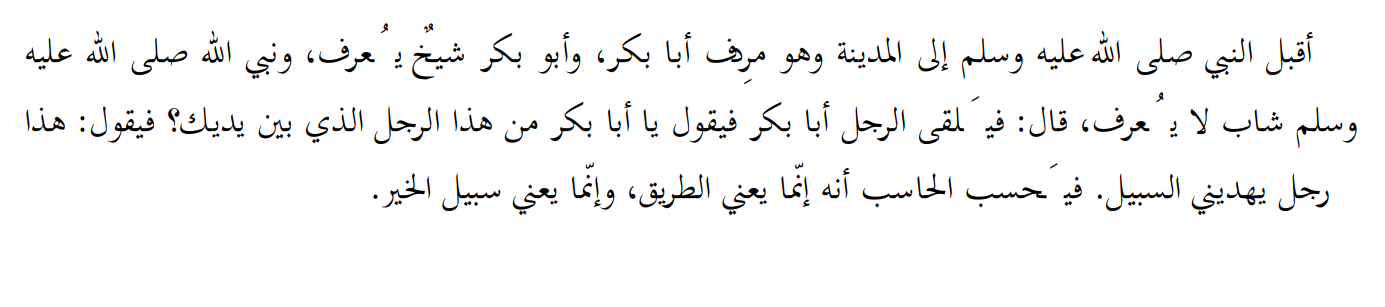
Allah'ın Resulü ﷺ Medine'ye doğru yola çıktı ve arkasından Ebu Bekir takip etti. Ebu Bekir tanınmış yaşlı bir adamdı, Allah'ın Resulü ﷺ ise tanınmayan genç bir delikanlıydı. Şöyle dedi: Bir adam Ebu Bekir ile karşılaşıp şöyle dedi: Ey Ebu Bekir, önünde giden bu adam kim? O dedi ki: Bu adam bana yolu gösteriyor. Adam dedi ki: Düşünen biri, onun yoldan (cadde) kastettiğini düşünürdü; oysa o, iyiliğe giden yolu kastediyordu.
“The Prophet of Allah (saw) headed for Madinah and he was followed by Abu Bakr. Abu Bakr was a well known old man and the Prophet of Allah (saw) was an unknown youth. He said: A man met Abu Bakr saying: O Abu Bakr, who is this man before you? He said: This man is showing me the way. He said: A thinker would think that he meant the road whereas he meant the road to goodness.”