ترمذی نے یہ حدیث روایت کی ہے جس سے یہ بات واضح ہے کہ امام سے غلطی، بھول چوک اور گناہ سرزد ہو سکتا ہے۔ اس کے باوجود، رسول اللہ ﷺ نے حکم دیا کہ جب تک وہ اسلام کے مطابق حکم دے رہا ہو اور اس سے کوئی صریح کفر صادر نہ ہوا ہو اور اس نے گناہ کا حکم نہ دیا ہو، اس کی اطاعت جاری رکھی جائے۔ رسول اللہ ﷺ کی خلفاء کے بارے میں اس خبر کے بعد کہ ان میں سے کچھ ایسے ہوں گے جنہیں مسلمان ناپسند کریں گے، پھر بھی آپ ﷺ نے اطاعت کا حکم دیا، کیا اس کے بعد یہ کہنے کا کوئی امکان باقی رہتا ہے کہ خلیفہ کا معصوم ہونا ضروری ہے اور وہ ان کاموں سے بالا تر ہے جو عام انسانوں کے لیے جائز ہیں؟ یہ خلیفہ کی حقیقت کے متعلق ہے کہ اس میں عصمت کی شرط موجود نہیں ہے، بلکہ اسے شرط بنانے کی اجازت بھی نہیں ہے۔ تاہم، جنہوں نے یہ کہا ہے کہ خلیفہ کا معصوم ہونا ضروری ہے، انہوں نے اپنے موقف کے حق میں دلائل پیش کیے ہیں، لہٰذا ہمیں ان دلائل کا جائزہ لینا چاہیے اور ان کی حقیقت واضح کرنی چاہیے۔ ان دلائل کا خلاصہ چار دلائل میں کیا جا سکتا ہے:
Tirmidhi narrated this hadith which is clear that the Imam can err, forget and sin. Despite that, the Messenger (saw) commanded to continue obeying him as long as he rules by Islam and clear disbelief has not occurred from him and he has not commanded with sin. After the news of the Messenger (saw) about the Khulafaa that there will be some which the Muslims will dislike yet he commanded obedience, is there after that any possibility of saying that the Khalifah must be infallible and that it is not permitted from him what is permitted from human beings? This is from the reality of the Khalifah in relation to the absence of the condition of infallibility, rather even the absence of permission to even make it a condition. However, those who said it is required that the Khalifah be infallible have presented evidences for their view, so we must examine and clarify what is within them. These evidences are summarised in four evidences:
۱۔ امام، شریعت کی حفاظت کرنے، اسے پہنچانے اور سکھانے، شہریوں کے معاملات کی نگرانی کرنے، ان کے درمیان انصاف قائم کرنے، مظلوموں کی مدد کرنے، لازمی اسلامی حدود اور تعزیرات کے قیام اور شریعت کے طریقے کے مطابق اسلام کے نفاذ میں رسول اللہ ﷺ کے مقام پر فائز ہوتا ہے۔ لہٰذا یہ ناگزیر ہے کہ وہ اپنی زندگی کے آغاز سے لے کر انجام تک، خواہ وہ جان بوجھ کر ہوں یا بھول چوک کی وجہ سے، تمام برائیوں سے، خواہ وہ بڑی ہوں یا چھوٹی، معصوم اور پاکیزہ ہوں۔
1. The Imam stands in the position of the Messenger in preserving the Shari’ah , conveying and teaching it, supervising the citizens’ affairs, establishing justice among them, assisting the oppressed, establishing the mandatory Islamic punishments (hudood) and discretionary punishments (ta’zeer) and implementing Islam in the Shari’ah way. Therefore it is inevitable that he be infallible and pure from all evil, large or small, whether they occurred deliberately or through forgetfulness, from the beginning of his life to the end.
۲۔ اگر امام سے گناہ کا ہونا ممکن ہو، تو اسے گناہوں اور غلطیوں سے بچانے کے لیے ایک معصوم امام کی ضرورت ہوگی۔ اور اگر دوسرے (امام) کے لیے غلطی کرنا اور گناہ کرنا جائز ہو، تو اسے اس سے روکنے کے لیے ایک اور معصوم امام کی ضرورت ہوگی، اور یہ سلسلہ اسی طرح چلتا رہے گا یہاں تک کہ اس کا خاتمہ ایک ایسے معصوم امام پر ہو جس سے گناہ یا غلطی کرنا ممکن نہ ہو۔ لہٰذا، ایک معصوم امام کا ہونا ضروری ہے۔
2. If sin is possible from the Imam, it will require an infallible Imam to prevent him from committing sins and erring. And if it is permitted for the second to err and perform sins, then it would require another infallible Imam to prevent this from him, and it would continue in this manner until the matter ends with an infallible Imam against whom it is not possible to commit sins or errors. Therefore there must be an infallible Imam.
۳۔ امام ایک الٰہی عہدہ ہے تاکہ اس شریعت کے احکامات کی حفاظت کی جائے جو اس مقصد کے ساتھ نازل کیے گئے ہیں کہ ان کی پیروی کی جائے اور ان پر عمل کیا جائے، نہ کہ یہ لوگوں کا بنایا ہوا کوئی قانون ہے۔ اور نہ ہی شریعت ان (عام) حکومتی دساتیر میں سے کوئی قانون یا دستور ہے جس کے ساتھ کھیل کود ممکن ہو۔ چنانچہ لوگوں کا رب، جس کے معاملے کی تعظیم کی جاتی ہے، لوگوں پر کسی ایسے حکمران کو اس وقت تک سپرد نہیں کرے گا جو معصوم نہ ہو، تاکہ لوگ اس کے ساتھ مطمئن رہیں اور اس کی طرف سے آنے والے احکامات کے بارے میں انہیں یہ یقین ہو کہ وہ بلا شبہ اللہ (سبحانہ و تعالیٰ) کے احکامات ہیں جن میں کوئی ایسی چیز شامل نہ ہو جو ان پر عمل کرنے یا ان کی پیروی کرنے سے روک دے۔ یہ اس وقت تک ممکن نہیں جب تک کہ حکمران شریعت کی حفاظت کی نگرانی کرنے میں معصوم نہ ہو، کیونکہ گناہ اور خطا کے امکان کی وجہ سے خطا کار شخص پر بھروسہ نہیں کیا جا سکتا، اور نہ ہی اس بات کا یقین ہو سکتا ہے کہ وہ جس چیز کی طرف لوگوں کی رہنمائی کر رہا ہے وہ اللہ (سبحانہ و تعالیٰ) کا حکم ہے، کیونکہ وہ لوگوں کے سامنے غیر یقینی صورتحال میں ہوگا۔ مقصد یہ نہیں ہے کہ وہ کچھ احکامات کی حفاظت کرے (جبکہ) دیگر احکامات کی حفاظت نہ کرے، بلکہ وہ تمام احکامات ہوں جو نبی ﷺ سے آئے ہیں۔ چنانچہ ایسا شخص ہونا ضروری ہے جو تمام احکامات کو جانتا ہو اور ان سب کا محافظ ہو تاکہ جب تک دنیا باقی ہے ان کے مطابق عمل کیا جا سکے۔ اگر کسی ایسے شخص کو مقرر کیا جائے جو (صرف) کچھ احکامات کو جانتا ہو، یا جس سے گناہ اور خطا کا امکان ہو، تو اس کا تقرر ذمہ داری کے مقصد کے خلاف ہوگا، یعنی ان تمام چیزوں کی اطاعت اور ان پر عمل کرنا جن کے ساتھ شریعت آئی ہے اور جو قیامت تک باقی رہنے والی ہے۔ چونکہ اللہ الحکیم (سبحانہ و تعالیٰ) کی طرف سے مقصد کے منافی ہونا ناممکن ہے، اس لیے کسی ایسے شخص کو مقرر کرنا جو خطا کار ہو یا صرف کچھ احکامات کو جانتا ہو، ناممکن ہے۔
3. The Imam is a divine post to protect the Shari’ah rule revealed with the objective to be followed and acted upon, not a rule of the people. Nor is the Shari’ah a law and constitution among the (normal) constitutions of government possible to be played with. So the Lord of the people whose matter is glorified would not entrust a ruler over the people except one who is infallible such that the people are at ease with him and the rules from him upon their truly being the rules of Allah (swt) without any doubt entering into it which would prevent acting upon or following them. This is not possible except with the infallibility of the ruler supervising the Shari’ah’s preservation as the fallible person due to the possibility of sin and error upon him cannot be depended upon nor can one be definite that what he leads the people to is the rule of Allah (swt) in that which is indefinite before the people. The objective is not his establishment to preserve some of the rules (while) not (preserving) other (rules), but rather all that came from the Prophet (saw) Thus there must be someone who knows all the rules and a protector for all of them to act according to them as long as there is a world; were there to be appointed one who knew (only) some of the rules, or upon whom sin and error is possible, his appointment would be contrary to the objective of responsibility i.e. obedience to and acting upon all that the Shari’ah came with which is known to remain until the Day of Judgement. Since contradiction of the objective is impossible from the All-Wise (swt), then appointing one who is fallible or knowing only some of the rules is impossible.
4۔ ایسی نصوص آئی ہیں جو اس بات کی وجوب کو بیان کرتی ہیں کہ خلیفہ کا معصوم ہونا ضروری ہے۔ قرآن کی ایسی آیات آئی ہیں جو اس کا اعلان کرتی ہیں، اور یہ بات تین آیات سے واضح ہے۔
4. The texts came indicating the obligation that the Khalifah be infallible. There are Qur’anic ayat which came announcing this which is clear from three ayat.
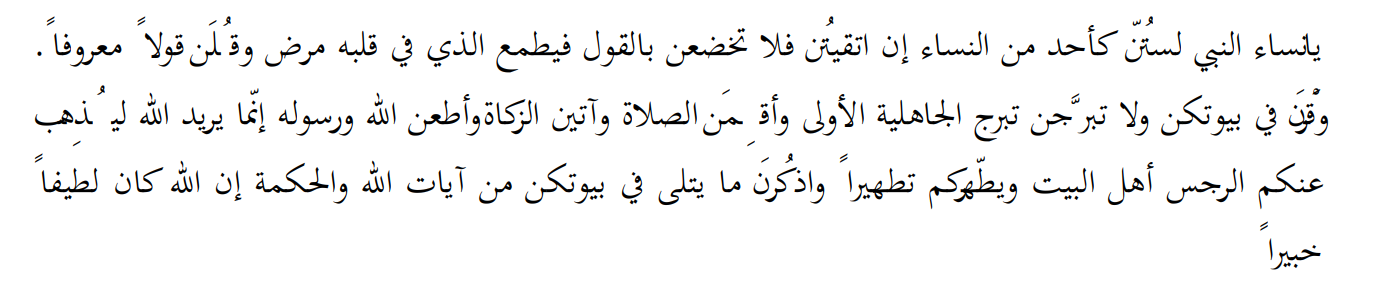
الف) اللہ (سبحانہ و تعالیٰ) فرماتا ہے:
a) Allah (swt) says: