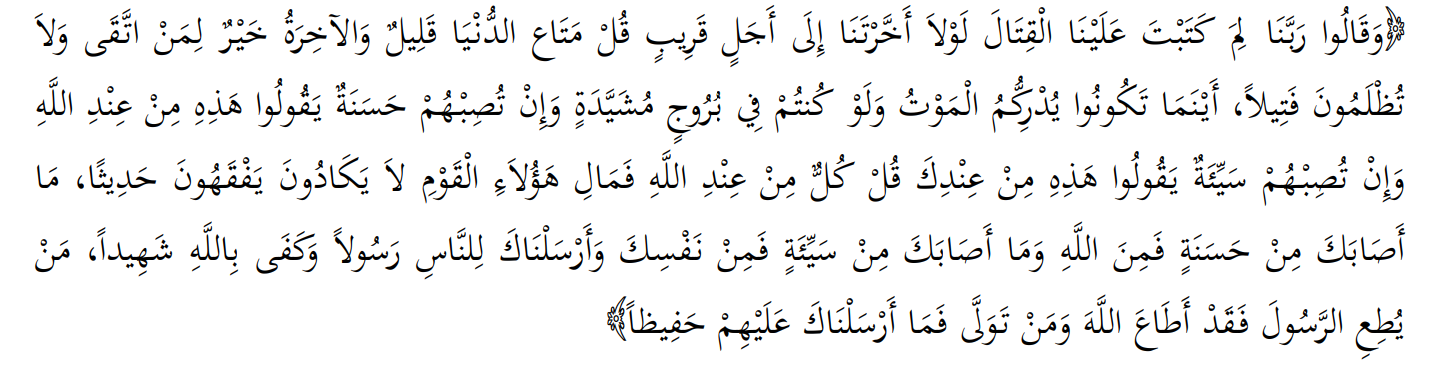
چنانچہ موضوع یہ ہے کہ ان پر کیا گزرتی ہے، نہ کہ وہ کیا کر رہے ہیں۔ لہٰذا اس کا تعلق قضا و قدر کے مطالعہ سے نہیں ہے۔
So the subject is what befalls them and not what they are doing. Thus it has nothing to do with the study of al-qadā’ wa‘l-qadar.
لہٰذا، مذکورہ بالا تمام باتیں قضائے و قدر کے مطالعہ سے کوئی تعلق نہیں رکھتی؛ وہ اس کے مفہوم کے تحت نہیں آتی ہیں اور ان کا مذکورہ بالا باتوں سے کوئی تعلق نہیں ہے۔ بلکہ، بطور مفہوم قضائے و قدر یونانی فلسفے سے آیا ہے جسے معتزلہ نے منتقل کیا اور اس کے بارے میں ایک رائے پیش کی۔ اہل السنت اور جبریہ نے ان کا رد کیا اور اہل السنت نے جبریہ کا بھی رد کیا۔ یہ بحث اسی مفہوم تک محدود تھی اور اسی بنیاد پر مبنی تھی۔ چنانچہ یہ مسئلہ ایک ایسا مفہوم/معنی ہے جو یونانی فلسفے سے آیا ہے اور یہ اس بحث میں سامنے آیا جو مسلمانوں اور ان کافروں کے درمیان ہوا کرتی تھی جو یونانی فلسفے سے مسلح ہوتے تھے۔ یہ ایک ایسا مفہوم ہے جس کا تعلق عقیدہ سے ہے، لہٰذا مقصد اس مفہوم کے بارے میں اسلام کی رائے بیان کرنا ہے۔ معتزلہ نے ایک رائے دی اور جبریہ نے ان کا رد کیا اور ایک دوسری رائے دی۔ اہل السنت نے ان سب کا رد کیا اور ایک رائے پیش کی، اور اس کے بارے میں کہا کہ یہ تیسری رائے ہے جو ان دو آراء سے نکلی ہے، اور انہوں نے اس کی تشبیہ یوں کی کہ یہ 'خالص دودھ ہے، پینے میں میٹھا، جو پاخانہ اور خون کے درمیان سے نکلتا ہے'۔
Therefore, all that has been mentioned above has nothing to do with the study of al-qadā’ wa‘l qadar; they do not come under its meaning and have no relation whatsoever with what has been mentioned above. Rather, al-qadā’ wa‘l-qadar as a meaning has come from Greek philosophy which was transmitted by the Mu'tazilah who gave an opinion with regards to it. Ahl al-Sunnah and the Jabriyyah refuted them and Ahl al-Sunnah (also) made a refutation of the Jabriyyah. The discussion was confined to the same meaning and preceded upon the same premise. Thus the issue is a meaning/sense that came from Greek philosophy and it came to the fore in the debate which used to take place between the Muslims and the kuffar who used to be armed with the Greek philosophy. It is a meaning which has a relevance to the ‘aqīdah (creed), thus what is desired is to give Islam's opinion regarding this meaning. The Mu'tazilah gave an opinion and the Jabriyyah refuted them and gave another opinion. Ahl al-Sunnah refuted all of them and gave an opinion, and said about it that it is a third opinion which has come out from the two opinions and they described it as ‘the pure milk, sweet to drink, that comes out from between excrement and blood’.
چنانچہ، یونانی فلسفے سے ماخوذ بحث کا یہ موضوع معروف ہو گیا، اور چونکہ اس کا تعلق عقیدہ سے ہے، اس لیے ایک مسلمان کے لیے یہ واضح ہونا ضروری ہے کہ اس موضوع کے بارے میں اس کا ایمان کیا ہے۔ مسلمانوں نے درحقیقت اپنی رائے کا اظہار کیا اور اس سے تین مکاتب فکر پیدا ہوئے۔ چنانچہ قضا و قدر کے مسئلے کو لغوی اور شرعی اعتبار سے قضا یا قدر کے معنی سے جو کچھ آیا ہے اس کی طرف منسوب کرنا جائز نہیں ہے، اور نہ ہی یہ جائز ہے کہ محض گمان، تصور یا تخیل کی بنیاد پر قضا یا قدر کا کوئی معنی تصور کیا جائے، اور مثلاً یہ کہا جائے کہ قضا صرف کلیات پر ایک عالمگیر فیصلہ ہے اور قدر جزئیات اور ان کی تفصیلات پر ایک عالمگیر فیصلہ ہے، یا یہ کہا جائے کہ قدر چیزوں کے لیے ایک ازلی منصوبہ ہے اور قضا اس پیشگی تعین اور منصوبے کے مطابق عمل درآمد اور تخلیق ہے۔ بے شک، یہ جائز نہیں ہے کیونکہ یہ محض تخیل، مفروضہ اور بعض لغوی اور شرعی اصطلاحات کو لاگو کرنے کی ایک ناکام کوشش ہے کیونکہ وہ اس پر لاگو نہیں ہوتی ہیں، بلکہ وہ عمومی معانی کی طرف اشارہ کرتی ہیں؛ لہٰذا بغیر کسی دلیل کے ان دونوں الفاظ کو ان مخصوص معانی تک محدود کرنا ایک خود ساختہ عمل ہوگا۔
Therefore, the subject of discussion, which came from the Greek philosophy, became known, and since it is related to the ‘aqīdah (creed), the Muslim must be clear as to what his belief is regarding this subject. The Muslims did actually state their opinion and three schools of thought arose. Thus it is not allowed to refer the issue of al-qadā’ wa‘l-qadar to what has come of the meaning of al-qadā’ or al-qadar, linguistically and in the Sharī’ah, nor is it allowed to imagine or conceive for al-qadā’ or ‘al-qadar any meaning from mere supposition, conception or imagination, and to say, for example, that al-qadā’ is the universal judgement on only the universals and al qadar is the universal judgement on the partial aspects and its details, or to say that al-qadar is the eternal plan for things and al-qadā’ is the execution and creation according to that predetermination and plan. Indeed, this is not allowed because this is mere imagination, assumption and a failed attempt of applying certain linguistic and shar’i expressions because they do not apply to it, they rather indicate general meanings; . It would then be an arbitrary action to restrict the two words to these specific meanings without evidence.
اسی طرح، یہ دعویٰ کرنا بھی جائز نہیں ہے کہ قضا و قدر اللہ عزوجل کے اسرار میں سے ایک راز ہے اور ہمیں اس پر بحث کرنے سے منع کیا گیا ہے، کیونکہ کوئی ایسی شرعی دلیل موجود نہیں جو یہ کہے کہ یہ اللہ عزوجل کے اسرار میں سے ایک ہے، اس حقیقت کا ذکر تو دور کی بات کہ یہ موضوع حسی طور پر ادراک کے قابل ہے جس کے بارے میں رائے دینا ضروری ہے، تو پھر یہ کیسے کہا جا سکتا ہے کہ اس کا مطالعہ نہیں کیا جا سکتا؟! مزید یہ کہ یہ ایک عقلی تحقیق ہے اور ایک ایسا موضوع ہے جس کا تعلق ان امور سے ہے جن کا مطالعہ عقل کرتی ہے ایک ایسی حقیقت کے طور پر جو حسی طور پر قابلِ ادراک ہے؛ اور چونکہ اس کا تعلق اللہ عزوجل پر ایمان سے ہے، لہٰذا قضا و قدر، اس معنی میں جسے موضوع کے طور پر رکھا گیا ہے اور جو عقیدہ کا حصہ بن چکا ہے، اس کا مطالعہ کیا جانا ضروری ہے۔
Similarly, it is not allowed to claim al-qadā’ wa‘l-qadar is a secret from amongst the secrets of Allah and that we have been forbidden to discuss it, because there is no shar’i text to say that it is one of the secrets of Allah , not to mention the fact that the subject matter is sensorially perceivable, for which an opinion must be given, so how can it be said that it cannot to be studied?! In addition to the fact that it is a rational inquiry and a subject which relates to matters that are studied by the intellect as a reality that is sensorially-perceivable; and since it relates to the imān in Allah . Thus, al-qadā’ wa‘l-qadar, in the meaning placed as the subject matter and which became part of the ‘aqīdah (creed) must be studied.
القضا والقدر کا مسئلہ، یا دوسرے الفاظ میں، القضا والقدر کا معاملہ، بندوں کے اعمال اور چیزوں کی صفات کا ہے۔ اس کی وجہ یہ ہے کہ مذکورہ مسئلہ بندے کے اعمال اور ان اعمال سے پیدا ہونے والی چیزوں کا ہے، یعنی وہ صفات جو بندہ چیزوں میں پیدا کرتا ہے: کیا وہ اللہ تعالیٰ کی تخلیق ہیں؟ کیا وہی اللہ تعالیٰ ہے جس نے انہیں پیدا کیا اور انہیں وجود بخشا؟ یا یہ بندے کا کام ہے؟ کیا بندہ وہ ہے جس نے انہیں پیدا کیا اور انہیں وجود بخشا؟ معتزلہ کے تمام لوگوں نے کہا کہ بندہ خود اپنے اعمال کا خالق ہے: وہی عمل کو پیدا کرتا ہے اور اسے وجود میں لاتا ہے۔ وہ صفات کے بارے میں اختلاف کرتے رہے۔ ان میں سے بعض نے کہا کہ بندہ ان تمام صفات کا خالق ہے جو انسان کی وجہ سے پیدا ہوتی ہیں اور وہی انہیں وجود میں لاتا ہے۔ دوسروں نے صفات کے درمیان فرق کیا۔ ان میں سے بعض نے انہیں چیزوں میں بندے کی طرف سے پیدا کردہ اور اس کے ذریعے وجود میں لائی گئی چیزیں قرار دیا، جبکہ بعض نے انہیں چیزوں میں اللہ تعالیٰ کی طرف سے پیدا کردہ اور اس کے ذریعے وجود میں لائی گئی چیزیں قرار دیا۔ جہاں تک جبریہ کا تعلق ہے، تو انہوں نے کہا کہ اللہ تعالیٰ انسان کے تمام اعمال کے ساتھ ساتھ چیزوں میں انسان کی وجہ سے پیدا ہونے والی تمام صفات کو بھی پیدا کرتا ہے۔ وہی انہیں وجود میں لاتا ہے؛ عمل کی تخلیق اور تشکیل میں یا چیز میں صفت پیدا کرنے میں بندے کا کوئی عمل نہیں۔ اہل السنت نے کہا کہ بندے کے اعمال اور بندے کی وجہ سے چیزوں میں پیدا ہونے والی صفات اللہ تعالیٰ کی تخلیق ہیں۔ لیکن انہوں نے کہا کہ اللہ تعالیٰ انہیں پیدا کرتا ہے جبکہ عمل بندہ انجام دیتا ہے اور صفت بندہ پیدا کرتا ہے۔ چنانچہ اللہ تعالیٰ انہیں اس وقت پیدا کرتا ہے جب بندے کے پاس قدرت اور ارادہ ہوتا ہے، نہ کہ بندے کی اپنی قدرت اور ارادے سے۔
The question of al-qadā’ wa‘l-qadar, or in other words, the issue of al-qadā’ wa‘l-qadar, is the actions of the servants and the attributes of things. This is because the issue mentioned is the actions of the servant and what arises from these actions, that is, the attributes brought about by the servant in things: are they the creation of Allah ? Is He the one who has created them and brought them into being? Or is it the servant? Is the servant the one who created them and brought them into being? The Mu'tazilah, all of them, said that the servant is the one who creates his own actions: he is the one who creates the action and brings it into being. They differed about the attributes. Some of them said that the servant is the one who creates all of the attributes that are caused by man and he is the one who brings them into existence. Others differentiated between the attributes. Some of these made them as being created in things by the servant and brought into existence by him and part of them made them as being created in things by Allah and brought into existence by Him. As for the Jabriyyah, they said that Allah creates all the actions of man as well as all the attributes caused by man in things. He is the one who brings them into existence; the servant has nothing to do with the creation and formation of the action or in causing the attribute in the thing. Ahl us-Sunnah said that the actions of the servant and the attributes caused in things by the servant are created by Allah . But they said that Allah creates them while the servant performs the action and the servant causes the attribute. So Allah creates them when the servant has the ability and will and not by his own ability and will.
اصل مسئلہ قضا و تقدیر کا ہے – اور یہ ان آراء کا خلاصہ ہے جو اس بارے میں بیان کی گئی ہیں۔ جو شخص بھی ان آراء کا باریک بینی سے جائزہ لیتا ہے، اسے اس بنیاد کا علم ہونا چاہیے جس پر یہ بحث قائم کی گئی ہے تاکہ بحث ایک مشترکہ بنیاد پر ہو۔ اس طرح نتیجہ وہی نکلے گا جو بحث کی بنیاد کا تقاضا ہے اور وہ غلط نہیں ہوگا۔ قضا و تقدیر میں بحث کی بنیاد بندے کا عمل نہیں ہے کہ آیا عمل اس نے پیدا کیا یا اللہ تعالیٰ نے اسے پیدا کیا، اور نہ ہی یہ اللہ تعالیٰ کی مشیت ہے کہ اس کی مشیت بندے کے عمل پر مشروط ہے چنانچہ اسے اس مشیت کے ساتھ وجود میں آنا چاہیے، اور نہ ہی یہ اللہ تعالیٰ کا علم ہے کہ اللہ تعالیٰ کا یہ جاننا کہ بندہ ایسا یا ویسا عمل کرے گا، یا یہ کہ اس کا علم بندے کو گھیرے ہوئے ہے، یا یہ کہ بندے کا یہ عمل لوحِ محفوظ میں لکھا ہوا ہے چنانچہ اسے وہی کرنا چاہیے جو لکھا گیا ہے۔ درحقیقت، بحث کی بنیاد یقینی طور پر ان میں سے کوئی چیز نہیں ہے، کیونکہ ان کا ثواب و عقاب کے تناظر میں موضوع سے کوئی تعلق نہیں ہے؛ ان کا تعلق اس سوال سے اس تناظر میں ہے کہ عدم سے وجود میں لانا (تخلیق)، تمام امکانات کے ساتھ مشیت کا تعلق، تمام چیزوں کا احاطہ کرنے والا علم اور لوحِ محفوظ۔ یہ کسی عمل کے ثواب و عقاب کے موضوع سے بالکل مختلف ہے۔ بحث کا موضوع جس بنیاد پر قضا و تقدیر کا سوال قائم ہے، وہ کسی عمل کے ثواب و عقاب کا مسئلہ ہے، یعنی کیا انسان کسی عمل، خیر یا شر، کو انجام دینے کا پابند ہے، یا اس کے پاس اختیار ہے؟ اور کیا انسان کے پاس عمل کرنے کا اختیار ہے، یا اس کے پاس کوئی اختیار نہیں ہے؟ وہ شخص جو بندوں کے اعمال کا جائزہ لیتا ہے، وہ دیکھتا ہے کہ انسان دو دائروں میں زندگی بسر کرتا ہے: ایک وہ جس پر اس کا غلبہ ہے، یعنی وہ دائرہ جو اس کے طرزِ عمل کے دائرہ کار میں ہے، اور جس کے اندر اس کے اعمال مکمل طور پر اس کے اختیار سے سرانجام پاتے ہیں؛ اور دوسرا (دائرہ) جو اس پر غالب ہے؛ وہ اس کے دائرہ اختیار میں موجود ہے، اور اس کے اندر ہونے والے اعمال، خواہ وہ اس سے صادر ہوں یا اس پر واقع ہوں، اس کے اختیار کے بغیر ہوتے ہیں۔
This is the issue - the issue of al-qadā’ wa‘l-qadar – and this is a summary of the opinions that have been opined about it. Anyone who scrutinises these views must know the basis on which the discussion has been built such that the discussion is on a common basis. Thus the outcome will be as required by the basis of the discussion and it will not be an incorrect one. The basis of the discussion in al-qadā’ wa‘l-qadar is not the action of the servant in terms of whether he created the action or Allah created it, nor is it the will of Allah in that His will is conditional on the action of the servant so it must exist with this will, nor is it the Knowledge of Allah in terms of Him knowing that the servant will do such and such an action or that His Knowledge encompasses the servant, or that this action of the servant is written in the Lawh al-Mahfūdh so he must act according to what has been written. Indeed, the basis of the discussion is definitely none of these things, because they have no relation to the subject from the perspective of reward and punishment; they are related to the question from the perspective of formation from nothing, the connection of the will to all possibilities, the all-encompassing Knowledge of all things and the Lawh al-Mahfūdh. This is quite different from the subject of the reward and punishment for an action.The topic of discussion on whose basis the question of al-qadā’ wa‘l qadar is built is the issue of reward and punishment for an action, that is, is man obliged to perform an action, good or evil, or does he have a choice? And, does man have the choice to perform an action, or does he have no choice? The person who scrutinises the actions of the servants sees that man lives within two spheres: one which he dominates, the sphere that is present within the region of his conduct, and within which his actions happen absolutely by his choice; the other (sphere) dominates him; he exists within its domain, and the actions that occur within it, whether they originate from him or fall upon him, occur without his choice.
چنانچہ، وہ اعمال جو اس دائرہ کار میں آتے ہیں جو انسان پر غالب ہے، ان میں یا ان کے وجود میں انسان کا کوئی اختیار نہیں؛ یہ دو قسم کے ہیں: ایک قسم جو کائناتی قوانین کا تقاضا ہے، اور دوسری قسم جو کائناتی قوانین سے لازم و ملزوم نہیں ہے، اگرچہ تمام چیزیں (جو واقع ہوتی ہیں) ان قوانین سے صادر نہیں ہوتیں۔ جہاں تک کائناتی قوانین سے لازم و ملزوم اعمال کا تعلق ہے، انسان ان کے سامنے مکمل طور پر سرنگوں ہے؛ وہ ان کے مطابق مجبوراً عمل کرتا ہے، کیونکہ وہ کائنات اور زندگی کے ساتھ حرکت کرتا ہے، جو ایک مخصوص نظم و ضبط کے تابع ہیں، جو تبدیل نہیں ہوتا۔ اس کے نتیجے میں، اس دائرہ کار میں انسان کے اعمال اس کی مرضی کے بغیر واقع ہوتے ہیں، وہ ان اعمال میں مجبور ہے اور اس کا کوئی اختیار نہیں۔ وہ اپنی مرضی کے بغیر اس زندگی میں آیا اور وہ اپنی مرضی کے بغیر اسے چھوڑ جائے گا؛ وہ محض اپنے جسم کے استعمال سے اڑ نہیں سکتا، نہ ہی اپنی فطری حالت میں پانی پر چل سکتا ہے، اور نہ ہی اپنے لیے اپنی آنکھوں کا رنگ، اپنے سر کی شکل یا اپنے جسم کا حجم منتخب کر سکتا ہے۔ درحقیقت، یہ اللہ تعالیٰ ہی تھا جس نے یہ سب کچھ تخلیق کیا، مخلوق انسان کے کسی اثر یا تعلق کے بغیر، کیونکہ اللہ تعالیٰ نے کائنات کے قوانین تخلیق کیے، انہیں کائنات کو منظم کرنے کے لیے بنایا اور کائنات کو ان کے مطابق عمل کرنے پر مجبور کیا بغیر اس کے کہ اس میں تبدیلی لانے کی کوئی صلاحیت ہو۔ جہاں تک دوسری قسم کا تعلق ہے، تو یہ وہ اعمال ہیں جو انسان کے کنٹرول سے باہر واقع ہوتے ہیں، جن سے وہ بچ نہیں سکتا اور جن کا کائناتی قوانین سے تعلق نہیں ہوتا؛ یہ وہ اعمال ہیں جو یا تو اس کے ذریعے غیر ارادی طور پر یا اس پر واقع ہوتے ہیں اور جن سے وہ بچ نہیں سکتا، جیسے اگر کوئی شخص کسی پر گر جائے اور اس طرح اسے ہلاک کر دے، یا اگر کوئی پرندے پر گولی چلائے اور غیر ارادی طور پر کسی شخص کو لگ جائے اور اسے ہلاک کر دے، یا اگر کوئی کار، ٹرین یا جہاز حادثے کا شکار ہو جائے، جس میں ان واقعات سے بچنے کا کوئی امکان نہ ہو، اور نتیجے کے طور پر مسافر ہلاک ہو جائیں۔ یہ تمام مثالیں ایسے اعمال ہیں جو کسی انسان سے یا اس پر واقع ہوئے - اگرچہ وہ کائناتی قوانین کے تابع ہیں - وہ اس کی مرضی کے بغیر اور ان پر قابو پانے کی اس کی صلاحیت سے باہر واقع ہوئے، اور وہ اس دائرہ کار کے اندر ہیں جو انسان پر غالب ہے۔ تمام وہ افعال جو انسان کے زیرِ اثر دائرہ کار میں واقع ہوتے ہیں، انہیں قضا کہا جاتا ہے، کیونکہ اللہ تعالیٰ نے اکیلے ہی ان کا فیصلہ کیا ہے، اور بندے کو ایسے افعال میں اختیارِ آزاد نہیں دیا؛ ان کے متعلق اس کا کوئی انتخاب نہیں۔ لہٰذا انسان کو ان افعال پر نہیں پکڑا جائے گا، خواہ انسان کے لحاظ سے ان میں نفع ہو یا نقصان، یا پسندیدگی ہو یا ناپسندیدگی، یعنی اس بات سے قطع نظر کہ وہ انسان کے نزدیک اچھے ہیں یا برے؛ اللہ تعالیٰ اکیلے ہی ان افعال میں اچھائی اور برائی کو جانتا ہے، کیونکہ انسان کا ان پر کوئی اثر نہیں؛ وہ نہ تو انہیں جانتا ہے اور نہ ہی یہ جانتا ہے کہ وہ کیسے وجود میں آتے ہیں، اور وہ ان سے بچنے یا انہیں پیدا کرنے سے بالکل قاصر ہے۔ لہٰذا ان کے لیے کوئی ثواب یا سزا نہیں ہے۔ پس یہی قضا ہے، اور اسی لیے کہا جاتا ہے کہ یہ فعل قضا کے ذریعے ہوا۔ انسان پر لازم ہے کہ وہ اس قضا پر ایمان رکھے اور یہ کہ یہ قضا اللہ تعالیٰ کی طرف سے ہے، جو کہ بلند و برتر اور بزرگ و برتر ہے۔
Thus, the actions that fall within the sphere that dominates man, man has no choice in them or in their existence; they are of two types: a type which is a requirement of the laws of the universe, and a type not necessitated by the universal laws, even though all the things (that occur) may not emanate from these laws. As for the actions necessitated by the laws of the universe, man submits to them totally; he acts according to them as a matter of compulsion, because he moves with the Universe and Life, which are subjected to a specific regulation, which does not change. Subsequently, man's actions in this sphere occur without his will, he is forced in these actions and has no choice. He came to this life without his will and he will leave it without his will; he cannot fly merely by the use of his own body, nor can he walk in his natural form on water, nor choose for himself the colour of his eyes, the shape of his head or the size of his body. Indeed, it was Allah who created all of this without any influence or relation from the created man, because Allah created the laws of the Universe, made them regulate the universe and made the universe act according to them without having the ability to change. As for the second type, they are actions which happen beyond man's control, which he cannot avoid and which are not related to the laws of the universe; they are the actions which occur either unintentionally through him or upon him and which he cannot avoid, such as if someone falls on a person and thus kills him, or if someone shoots at a bird and unintentionally hits a person and kills him, or if a car, train or plane should crash, without any possibility to avoid the incidents, and as a result the passengers die. All these examples are actions which occurred from a man or upon him - though they are bound by the laws of the universe - they happened without his will and outside his ability to control them, and they are within the sphere that dominates man. All the actions which occur within the sphere that dominates man are termed qadā, because Allah alone has decreed them, and has not given the servant the freedom of will in such actions; he has no choice with regards to them. Therefore man is not reckoned on these actions, whether, with respect to man, there is benefit or harm in them or like or dislike, that is, regardless of whether they are, according to man, good or bad; Allah alone knows the good and bad in these actions, because man has no influence on them; he does not know them or how they are brought into existence, and he is absolutely unable to avoid and bring them about. Therefore there is no reward or punishment for them. Thus this is qadā’, and it is therefore said that the action happened by qadā’. It is upon man to have imān in this qadā’ and that this qadā’ is from Allah , the Glorified and Exalted.
جہاں تک ان افعال کا تعلق ہے جو اس دائرہ کار میں واقع ہوتے ہیں جس پر انسان کا اختیار ہے، تو یہ وہ دائرہ ہے جس میں وہ اپنے منتخب کردہ نظام کے مطابق اپنی مرضی سے عمل کرتا ہے، خواہ وہ اللہ عزوجل کی شریعت ہو یا کوئی اور۔ یہ وہ دائرہ ہے جس میں انسان کے ذریعے کیے جانے والے یا اس سے متعلقہ افعال اس کی اپنی مرضی سے سرانجام پاتے ہیں۔ چنانچہ وہ جب چاہے چلتا ہے، کھاتا ہے، پیتا ہے اور سفر کرتا ہے؛ اسی طرح وہ جب چاہے ان میں سے کسی بھی کام سے باز رہتا ہے؛ وہ جب چاہے آگ سے جلتا ہے اور چھری سے کٹتا ہے، اور وہ اپنی افزائشِ نسل، ملکیت اور بھوک کی جبلتی خواہشات کو اپنی مرضی کے مطابق پورا کرتا ہے۔ یہ سب وہ اپنی پسند اور انتخاب سے کرتا ہے یا ان سے باز رہتا ہے۔ لہٰذا، انسان ان افعال پر جوابدہ ہے جو اس دائرہ کار کے اندر واقع ہوتے ہیں۔ چنانچہ، اسے ثواب کے مستحق عمل پر اجر دیا جاتا ہے اور سزا کے مستحق عمل پر سزا دی جاتی ہے۔ ان افعال کا قضا سے کوئی تعلق نہیں ہے اور نہ ہی ان کا قضا سے کوئی واسطہ ہے کیونکہ انسان خود اپنی مرضی اور انتخاب سے ان کا ذمہ دار ہوتا ہے۔ لہٰذا، اختیاری افعال القضا کے تحت نہیں آتے۔
As for the actions that occur in the sphere that man dominates, it is the sphere in which he proceeds with choice according to the system he chooses, whether it is the Sharī’ah of Allah or any other. This sphere is the one in which actions carried out by man or involving him occur by his will. Thus he walks, eats, drinks and travels anytime he likes; likewise he refrains from doing any of these things whenever he likes; he also burns with fire and cuts with a knife when he chooses, and he satisfies his instincts of procreation, ownership and hunger as he likes. All this he performs or abstains from, by his choice. Therefore, man is accountable on actions which occur within this sphere. Thus, he is rewarded for the action deserving reward and is punished for the action deserving punishment. These actions have nothing to do with qadā’ nor does it have anything to do with them because man is the one who undertook them with his own will and choice. Therefore, actions of choice do not come under al-qadā’.
جہاں تک تقدیر کا تعلق ہے، تو اس کا تعلق ان اعمال سے ہے، خواہ وہ اس دائرہ کار میں ہوں جس پر انسان کا اختیار ہو یا اس دائرہ کار میں جس میں انسان خود مغلوب ہو، جو کائنات کے مادے، انسان اور زندگی کے ذریعے چیزوں میں یا چیزوں پر واقع ہوتے ہیں اور ایک اثر پیدا کرتے ہیں، یعنی عمل سے کوئی نتیجہ نکلتا ہے؛ پس یہ طریقہ کار جو انسان صفات کے اعتبار سے چیزوں میں پیدا کرتا ہے، کیا وہ انسان پیدا کرتا ہے یا اللہ عزوجل، بالکل اسی طرح جیسے اس نے عزوجل چیزوں کو خود پیدا کیا ہے۔ جو شخص اس مسئلے کی باریک بینی سے تحقیق کرے گا وہ پائے گا کہ چیزوں میں پیدا ہونے والے یہ معاملات ان چیزوں کی صفات سے ہیں، نہ کہ انسان کے عمل سے، جیسا کہ اس حقیقت سے ثابت ہے کہ انسان ان (یعنی ان اثرات) کو ان چیزوں میں پیدا کرنے کے قابل نہیں ہے جن میں ان کی (متعلقہ) صفات میں سے وہ (متعلقہ) صفت موجود نہ ہو۔ رہا وہ معاملہ جس میں چیزوں میں ان کی صفات میں سے وہ (متعلقہ) صفت موجود نہ ہو، تو انسان ان میں وہ کچھ پیدا کرنے کے قابل نہیں ہوتا جو وہ چاہتا ہے۔ لہٰذا یہ معاملات انسان کے اعمال میں سے نہیں بلکہ چیزوں کی صفات میں سے ہیں۔
As for al-qadar, it relates to the actions, whether they occur in the sphere which man dominates or in the sphere which dominates him, which occur from or on things through the matter of the universe, man and life, and cause an effect, that is, something results from the action; so this mechanism that man causes in things in terms of attributes, is it created by man or by Allah just as He has created the things themself. The one who scrutinises this issue will find that these matters which are caused in things are from the attributes of the things, not from the action of man, as evidenced by the fact that man is not able to form them (i.e these effects) except in the things which possess the (relevant) attribute amongst its attributes. As for the things which do not have the (relevant) attribute amongst their attributes, man is not able to cause in them what he wants. Therefore these matters are not from the actions of man but from the attributes of the things.
چنانچہ اللہ عزوجل نے اشیاء کو پیدا کیا اور ان میں اس طرح صفات مقرر کیں کہ ان سے وہی کچھ نکلنا ممکن ہے جو اس نے ان میں مقرر کر دیا ہے، جیسے کھجور کی گٹھلی میں (یہ صفت ہے کہ) اس سے کھجور کا درخت نکلے گا نہ کہ سیب کا، اور اسی طرح انسانی سپرم سے انسان ہی پیدا ہوں گے نہ کہ کوئی دوسرا جانور۔ اللہ عزوجل نے اشیاء میں مخصوص صفات پیدا کی ہیں، مثلاً اس نے آگ میں جلنے کی صفت، لکڑی میں آگ پکڑنے کی صفت، اور چھری میں کاٹنے کی صفت پیدا کی۔ اس نے کائنات کے قوانین کے مطابق ان صفات کو اشیاء کا ایک لازمی اور دائمی حصہ بنا دیا ہے۔ جب ایسا معلوم ہو کہ صفات اب موجود نہیں ہیں، تو اس کا مطلب یہ ہے کہ اللہ عزوجل نے انہیں چھین لیا ہے، اور ایسا واقعہ غیر معمولی ہوگا؛ یہ صرف انبیاء کے لیے معجزے کے طور پر ہوتا ہے۔ اسی طرح، جس طرح اللہ عزوجل نے اشیاء کے لیے صفات پیدا کیں، اس نے انسان میں جبلتیں اور جسمانی ضروریات پیدا کیں، اور جیسا کہ اس نے اشیاء میں صفات پیدا کیں، اسی طرح اس نے جبلتوں اور جسمانی ضروریات میں مخصوص صفات پیدا کیں۔ چنانچہ، تولیدی جبلت میں اللہ عزوجل نے جنسی میلان پیدا کیا، اور جسمانی ضروریات میں اس نے بھوک کی صفت پیدا کی۔ اس نے ان صفات کو کائنات کے قوانین کے مطابق ان کے ساتھ لازم کر دیا۔ وہ مخصوص صفات جو اللہ تعالیٰ نے اشیاء، جبلتوں اور جسمانی ضروریات میں پیدا کی ہیں، انہیں 'القدر' کہا جاتا ہے، کیونکہ اللہ عزوجل نے اکیلے ہی اشیاء، جبلتوں اور جسمانی ضروریات کو پیدا کیا اور ان میں ان کی صفات کا تعین کیا۔ چنانچہ جب انسان میں شہوت پیدا ہوتی ہے، جب وہ آنکھیں کھولنے پر (کسی کو) دیکھتا ہے، اور جب پتھر کو اوپر کی طرف پھینکا جائے تو وہ اوپر جاتا ہے اور نیچے کی طرف پھینکا جائے تو وہ نیچے جاتا ہے، یہ سب انسان کا فعل نہیں ہے، بلکہ یہ اللہ عزوجل کا فعل ہے؛ یعنی چیزوں کی فطرت ہی ایسی ہے، یعنی اللہ عزوجل نے انہیں پیدا کیا اور ان میں مخصوص صفات پیدا کیں، چنانچہ وہ (صفات) اللہ عزوجل کی طرف سے ہیں نہ کہ انسان کی طرف سے؛ انسان کا ان سے کوئی تعلق نہیں، اور نہ ہی وہ کسی طرح سے انہیں اثر انداز کر سکتا ہے۔ یہی القدر ہے، اور اسی لیے کہا جاتا ہے کہ 'القضاء والقدر' کے موضوع میں 'القدر' ان چیزوں کی وہ صفات ہیں جو انسان ان میں پیدا کرتا ہے۔ انسان پر یہ ایمان لانا لازم ہے کہ ان چیزوں میں صفات کا تعین کرنے والا اللہ عزوجل ہے۔
Thus, Allah has created the things and set [qaddara] in them attributes in a manner that nothing else is possible to come from them except what He has set in them, such as setting in the date pit (the attribute) of growing date palm from it and not apple, and such the human sperm to result in humans not any other animal. Allah has created specific attributes in things, for example, He created in fire the attribute of burning, in wood the attribute of catching fire, and in the knife the attribute of cutting. He made the attributes an essential and perpetual part of the objects in accordance with the Laws of the Universe. When it appears that the attributes are no longer present, it means Allah has stripped them off, and such an event would be unusual; it only happens to the prophets as a miracle for them. Likewise, in the manner that Allah created attributes for the objects, He created in man instincts and organic needs and, as He created attributes in objects, He created in the instincts and organic needs specific attributes. Hence, in the procreational instinct Allah created the sexual inclination, and in the organic needs He created the attribute of hunger. He made these attributes adhere to them according to the laws of the universe. The particular attributes that Allah the Exlated has created in objects, instincts and organic needs are called al-qadar, because Allah alone created the things, instincts and organic needs and determined in them their attributes. Thus when the sexual desire occurs in man, when he sees upon opening his eyes and when the stone goes up when thrown upwards and down when thrown downward, all of this is not by man’s action, rather it is by the action of Allah ; meaning that it is from the nature of the things to be so, that is, Allah created them and created particular attributes in them, thus they (the attributes) are from Allah and are not from man; man has nothing to do with them, nor can he effect them in any way. This is al-qadar, and it is thus said that al-qadar in the subject of al-qadā’ wa‘l-qadar is the attributes of the things which man causes in them. It is upon man to have imān in that the one who determined the attributes in these things is Allah .
چنانچہ قضا و قدر سے مراد وہ افعال ہیں جو اس دائرہ کار میں واقع ہوتے ہیں جو انسان پر غالب ہے، قطع نظر اس کے کہ آیا وہ کائناتی قوانین کا تقاضا ہیں یا نہیں، یا آیا وہ اس سے صادر ہوتے ہیں یا اس پر واقع ہوتے ہیں، اور وہ صفات جن کے نتیجے میں اشیاء وجود میں آتی ہیں۔ قضا و قدر میں ایمان کا مفہوم، خواہ وہ اس کی خیر ہو یا شر، اور وہ سب اللہ تعالیٰ کی طرف سے ہیں، یہ ہے کہ (اس بات پر) ایمان لانا کہ وہ افعال جو اس سے صادر ہوتے ہیں یا اس پر اس کی مرضی کے خلاف واقع ہوتے ہیں، اور اسے انہیں دور کرنے کی کوئی طاقت حاصل نہیں، اور وہ صفات جنہیں انسان اشیاء میں پیدا کرتا ہے وہ اللہ تعالیٰ کی طرف سے ہیں اور بندے کی طرف سے نہیں، اور نہ ہی اس کا ان سے کوئی تعلق ہے۔ اس طرح وہ افعال جن کے متعلق انسان کو اختیار حاصل ہے، انہیں قضا و قدر کے موضوع سے خارج کر دیا گیا ہے، کیونکہ یہ افعال انسان سے یا اس پر اس کے اپنے اختیار سے واقع ہوتے ہیں، اور اس لیے کہ جب اللہ تعالیٰ نے انسان کو پیدا کیا اور اشیاء میں، جبلتوں میں اور جسمانی ضروریات میں صفات پیدا کیں، اور انسان میں امتیاز کرنے والی عقل پیدا کی، تو اللہ تعالیٰ نے اسے عمل کرنے یا اس سے باز رہنے کا اختیار دیا، اور اللہ تعالیٰ نے اسے اس کام کو کرنے یا نہ کرنے پر مجبور نہیں کیا۔ اور نہ ہی اللہ تعالیٰ نے چیزوں کی صفات میں، یا جبلتوں اور جسمانی ضروریات میں ایسی کوئی چیز رکھی جو انسان کو عمل کرنے یا نہ کرنے پر مجبور کرے۔ لہٰذا انسان کو اس عمل کو کرنے یا اس سے باز رہنے کا اختیار اس امتیاز کرنے والے ذہن کے ذریعے حاصل ہے جو اللہ تعالیٰ نے اسے عطا فرمایا، اور اللہ تعالیٰ نے (صحیح) عقل کو جوابدہی کا معیار بنایا۔ چنانچہ اللہ تعالیٰ نے انسان کے لیے نیکی کرنے پر اجر مقرر کیا، کیونکہ اس کے ذہن نے اللہ تعالیٰ کے احکامات پر عمل کرنے اور اللہ تعالیٰ کی ممانعتوں سے باز رہنے کا انتخاب کیا، اور اللہ تعالیٰ نے اس کے لیے برائی کرنے پر سزا بھی مقرر کی، کیونکہ اس کے ذہن نے اللہ تعالیٰ کے احکامات کی نافرمانی کرنے اور اس کام کو کرنے کا انتخاب کیا جس سے اللہ تعالیٰ نے منع فرمایا تھا۔ پس ایسے افعال پر اس کا حساب درست اور عادلانہ ہے، کیونکہ انسان کو افعال کرنے کا اختیار حاصل ہے اور وہ اس پر مجبور نہیں ہے؛ اور قضا و قدر کا اس معاملے سے کوئی تعلق نہیں ہے، یہ انسان کے خود اپنے اختیار سے عمل کرنے کا معاملہ ہے۔ چنانچہ انسان اپنے کیے ہوئے اعمال کا جوابدہ ہے۔
Hence al-qadā’ wa‘l-qadar are the actions which occur in the sphere that dominates man, irrespective of whether they are a requirement of the Laws of the Universe or not, or if they emanate from him or fall upon him, and the attributes which results in the objects. The meaning of imān in al-qadā’ wa‘l-qadar, both the good and the bad thereof being from Allah , is (having) imān in that the actions which occur from him or upon him against his will, and he has no power to drive them away, and the attributes which man causes in the object are from Allah and are not from the servant, nor does he have anything to do with them. Thus the actions with regards to which man has a choice are excluded from the subject of al-qadā’ wa‘l-qadar, because these actions occur from man or upon him by his choice, and because when Allah created man and created the attributes in the objects and in the instincts and the organic needs, and created in man the distinguishing intellect, He gave him the choice to carry out the action, or abstain from it, and He did not oblige him to do or not do it. Nor did He make in the attributes of things, or in the instincts and organic needs anything that obliges man to do or not to do the action. Therefore man has the choice to carry out the action or abstain from it by way of the distinguishing mind that Allah bestowed him with, and He made the (sound) intellect the criteria of the accountabilty. Therefore He set for man reward for doing good, because his mind chose to carry out the orders of Allah and abstain from his prohibitions, and He also set for him punishment for doing bad, because his mind chose to disobey the the orders of Allah and commit what He had prohibited. So his accounting on such actions is true and just, because man has the choice to carry out the actions and is not compelled to do so; and al qadā’ wa‘l-qadar has nothing to do with this matter, it is a question of the man himself doing his action by choice. Therefore man is accountable for what he earns,