2.13 انبیاء اور رسل
2.13 The Prophets And Messengers
'نبی' اور 'رسول' دو مختلف اصطلاحات ہیں لیکن اس لحاظ سے ان میں اشتراک ہے کہ دونوں پر شریعت نازل کی جاتی ہے۔ رسول اور نبی کے درمیان فرق یہ ہے کہ پہلے (رسول) کو ایک ایسی شریعت سے الہام کیا جاتا ہے جس کی تبلیغ کا اسے حکم دیا جاتا ہے، جبکہ دوسرے یعنی نبی کو بھی الہام کیا جاتا ہے، لیکن اسے رسولوں کی شریعت کی تبلیغ کرنے کا حکم دیا جاتا ہے۔ دوسرے لفظوں میں، رسول کو خود شریعت کی تبلیغ کرنے کا حکم دیا جاتا ہے، جبکہ نبی رسولوں کی شریعت کی تبلیغ کرتا ہے۔
‘Prophet’ (nabi) and ‘Messenger’ (rasul) are two contrastive terms but they share in the respect that a shari’a is revelaed to both of them. The difference between the Messenger and the prophet is that the former is inspired with a Sharī’ah which he is commanded to propagate, whereas the latter, i.e. the prophet is also inspired, but commanded to propagate the Sharī’ah of the messengers. In other words, the messenger is commanded to propagate the Sharī’ah himself, whilst the prophet propagates the Sharī’ah of the messengers.
قاضی بیضاوی، اللہ تعالیٰ کے اس قول کی تفسیر میں،
Qadi al-Baydawi in commentary of the saying of Allah ,
"ہم نے آپ سے پہلے کوئی رسول یا نبی نہیں بھیجا، مگر جب اس نے کوئی خواہش کی" [TMQ Hajj: 52]؛
"Never did we send an apostle or a prophet before thee, but, when he framed a desire" [TMQ Hajj: 52];
کہتے ہیں، 'رسول کو اللہ تعالیٰ نے ایک نئی یا احیا شدہ شریعت کے ساتھ بھیجا جاتا ہے جس کی وہ لوگوں کو دعوت دیتا ہے، جبکہ نبی کو اللہ تعالیٰ نے پچھلی شریعت کی تصدیق کے لیے بھیجا جاتا ہے۔' چنانچہ، موسیٰ علیہ السلام ایک نبی تھے کیونکہ انہیں شریعت کی وحی کی گئی تھی اور ایک رسول تھے کیونکہ یہ شریعت ان کے مشن کے لیے تھی۔ دوسری طرف، اگرچہ ہارون علیہ السلام بھی ایک نبی تھے کیونکہ انہیں شریعت کی وحی کی گئی تھی، لیکن وہ رسول نہیں تھے کیونکہ وہ شریعت جو ان پر نازل ہوئی تھی وہ ان کے مشن کے لیے نہیں تھی، بلکہ وہ موسیٰ علیہ السلام کے مشن کے لیے تھی۔ اسی طرح، محمد ﷺ ایک نبی اور ایک رسول تھے کیونکہ انہیں ایک شریعت کی وحی کی گئی تھی، جو ان کے مشن کے لیے تھی۔
Says, ‘The messenger is sent by Allah with a revived or new Sharī’ah which he calls people to, whereas the prophet is sent by Allah to affirm the former Sharī’ah.’ Thus, Musa was a prophet because he was inspired with a Sharī’ah and a messenger because this Sharī’ah was for his mission. On the other hand, although Aaron was also a prophet because he was inspired with a Sharī’ah, he was not a messenger because the Sharī’ah, which was revealed to him was not for his mission, rather it was for the mission of Musa . By the same token, Muhammad was a prophet and a messenger because he was inspired with a Sharī’ah, which was for his mission.
پیغام اللہ عزوجل اور بندوں کے درمیان ایک واسطہ ہے تاکہ اس دنیا اور آخرت کی ضروریات کو پورا کرنے کے طریقے کی وضاحت اور تشریح کی جا سکے۔ حکمت کا تقاضا یہ ہے کہ رسولوں کو بھیجا جائے کیونکہ وہ لوگوں کے لیے قوانین اور فوائد لے کر آتے ہیں۔
The message is the mediation between Allah and the slaves in order to explain and clarify the method of satisfying the needs of this world and the hereafter. Wisdom necessitates the sending of messengers as they bring laws and benefits for people.
چنانچہ، رسولوں کی بھیجنے کا عمل حقیقت میں واقع ہو چکا ہے۔ اللہ عزوجل نے انسانوں میں سے رسول مقرر کیے اور انہیں اہل ایمان اور اہل اطاعت کے لیے جنت اور ثواب کی خوشخبری سنانے والے بنا کر بھیجا۔ وہ اہل کفر اور اہل نافرمانی کے لیے دوزخ کی آگ اور عذاب سے ڈرانے والے تھے، اور انہوں نے انسان کے لیے اس دنیا اور آخرت کی ضروریات اور تقاضوں کی وضاحت کی۔ یہ سب اس لیے ہے کیونکہ عقل نہ تو نیکی اور بدی کا فیصلہ کرنے کی صلاحیت رکھتی ہے اور نہ ہی انسان اور اس کے معاملات کو سمجھنے کے قابل ہے۔
Thus, the sending of Messengers has actually occurred. Allah appointed messengers from amongst mankind and sent them as bearers of glad tidings of paradise and reward to the people of belief and obedience. They were warners of the hell fire and punishment to people of disbelief and disobedience and they clarified the needs and requirements of this world and the hereafter for man. All because the mind is incapable of either deciding the good and bad or able to comprehend man himself and his affairs.
آدم علیہ السلام اپنے رب کے حکم سے پھسل گئے، پھر وہ جس کی تمنا کرتے تھے اسے حاصل نہ کر سکے۔ اس کے بعد ان کے رب نے انہیں منتخب فرمایا اور اپنی رحمت کے ساتھ ان کی طرف متوجہ ہوئے اور انہیں اپنی پسندیدہ قربت کا راستہ دکھایا۔ [TMQ Tā Hā: 121-2]
"Adam slipped the commandment of his Lord then what he had desired, did not get the way to it. Thereafter his Lord chose him and turned to him with his mercy and showed him the way to his favoured nearness" [TMQ Tā Hā: 121-2]
اس سیاق و سباق میں 'اجتبیٰ' کا مطلب ہے اسے منتخب کرنا۔ قرآن اس بات کی بھی دلیل دیتا ہے کہ اللہ عزوجل نے آدم علیہ السلام کو بعض چیزوں کا حکم بھی دیا اور بعض سے منع بھی فرمایا۔ چنانچہ اللہ عزوجل فرماتا ہے،
The meaning of Ijtaba in this context means selecting him. The Quran also proves that Allah both commanded and prohibited Adam certain things. Hence Allah says,
"اور ہم نے کہا، اے آدم! تم اور تمہاری بیوی جنت میں رہو اور جہاں سے چاہو کھاؤ، لیکن اس درخت کے قریب نہ جانا ورنہ تم نافرمانوں میں سے ہو جاؤ گے۔" [TMQ Baqarah: 35]
"And we said, O Adam, dwell you and your wife in paradise and eat freely thereof where you will, but do not approach this tree lest you become of the transgressors" [TMQ Baqarah: 35]
یہ اس بات کا قطعی ثبوت ہے کہ ان کے زمانے میں کوئی دوسرا نبی نہیں تھا۔ لہٰذا، آدم علیہ السلام وحی کے ذریعے ایک نبی تھے اور اس کے سوا کچھ نہیں۔ ایک ایسے نبی جنہیں شریعت کے ذریعے الہام کیا گیا تھا، کیونکہ ہر حکم اور ہر ممانعت شریعت ہے۔ چنانچہ چونکہ انہیں الہام ملا، اس لیے وہ ایک نبی ہیں۔
This categorically proves that there was no other prophet during his time. Therefore, Adam was a prophet by revelation and nothing else. A prophet who was inspired with a Sharī’ah, as every commandment [amr] or prohibition [nahi] is Sharī’ah. Thus since he received inspiration he is a prophet.
دوسرا ماخذ سنت ہے۔ ترمذی نے ابو سعید خدری سے روایت کیا ہے کہ نبی ﷺ نے فرمایا،
The Second source is the Sunnah. Tirmidhi reported from Abu Said al-Khudri that the prophet said,
"میں قیامت کے دن آدم کے بیٹوں کا سردار ہوں گا لیکن میں فخر نہیں کر رہا، میرے ہاتھ میں پرچمِ حمد ہوگا لیکن میں فخر نہیں کر رہا، اور اس دن آدم سے لے کر تمام انبیاء میرے پرچم کے نیچے ہوں گے۔"
"I will be the leader of the sons of Adam on the day of resurrection but I do not boast. I will have the banner of al-Hamd in my hand but I do not boast and on that day, all the prophets from Adam will be under my banner."
آخر میں، صحابہ کا اجماع بھی اس بات پر دال ہے کہ آدم علیہ السلام ایک نبی تھے۔
Lastly, the consensus of the Sahaba also proves that Adam was a prophet.
جہاں تک محمد ﷺ کی نبوت کا تعلق ہے، چونکہ انہوں نے نبوت کا دعویٰ کیا اور معجزات بھی دکھائے، تو یہ نبوت متواتر روایات سے ثابت ہے، جو اسے کسی بھی شک و شبہ سے بالاتر کر کے مستند کرتی ہے۔ جہاں تک معجزے (یعنی قرآن) کا تعلق ہے، تو یہ اللہ عزوجل کا کلام ہے، جس نے مکہ کے فصیح و بلیغ اور عظیم خطیبوں کو چیلنج کیا اور انہیں لاجواب کر دیا۔ وہ قرآن کی مختصر ترین سورت کا مقابلہ کرنے سے بھی عاجز رہے، اگرچہ انہوں نے اس کے لیے بھرپور کوشش کی۔ پھر انہوں نے اپنی مخالفت کے انداز کو گفتگو اور بلاغت سے بدل کر طاقت اور تلوار پر منتقل کر دیا، باوجود اس کے کہ وہ اپنے زمانے کے بہترین اور معزز ماہرینِ لسانیات تھے۔ کافروں میں سے کسی ایک نے بھی کبھی یہ بیان نہیں کیا کہ کوئی شخص قرآن کے مشابہ کچھ بھی پیش کرنے پر قادر رہا، باوجود اس حقیقت کے کہ اگر ضرورت ہوتی تو ان کے پاس یہ معلومات بیان کرنے کے تمام ذرائع موجود تھے۔ یہ سب کچھ قطعی طور پر اس بات کو ثابت کرتا ہے کہ قرآن، یعنی محمد ﷺ کو عطا کیا گیا معجزہ، اللہ عزوجل کی طرف سے ہے اور بلا شک و شبہ نبی ﷺ کے سچے دعوے کی تصدیق کرتا ہے۔
As for the prophethood of Muhammad , as he also claimed prophethood and brought forth miracles, the prophethood is known by Mutawatir narrations, which substantiates it beyond any doubt. As for the miracle (i.e. the Qur’ān) it is the speech of Allah , which challenged and defied the eloquent and great speakers of Mecca. They were unable to oppose the shortest Sura of the Qur’ān, although they strived to do so. They then abandoned their styles of opposition from talk and rhetoric, even though they were the best and most revered linguists of their time, to force and the sword. Not even one of the disbelieving Kuffars ever related that someone was ever able to produce anything similar to the Qur’ān, despite the fact that they had the means to relate this information if required. All this categorically proves that the Qur’ān, i.e. the miracle given to Muhammad is from Allah and without any doubt verifies the true claim of the prophet .
انبیاء اور مرسلین کی تعداد نامعلوم ہے کیونکہ اللہ تعالیٰ اپنے رسول ﷺ کو مطلع فرماتا ہے،
The number of prophets and messengers are unknown because Allah informs his messenger,
"ہم نے آپ سے پہلے بھی بہت سے رسول بھیجے، ہم نے ان میں سے کچھ کے قصے آپ کو سنا دیے ہیں اور کچھ کے قصے آپ کو نہیں سنائے۔" [TMQ Ghafir:78]
"We have sent messengers before you, we have mentioned some of their stories to you, whilst we have not mentioned others." [TMQ Ghafir:78]
اگرچہ یہ تعداد بعض احادیث میں ذکر کی گئی ہے، لیکن جن احادیث کا یہاں ذکر ہو رہا ہے وہ 'آحاد' کی قسم سے ہیں۔ چنانچہ عقیدہ میں ان کی کوئی حیثیت نہیں؛ یعنی وہ عقیدہ کا حصہ نہیں ہیں۔ اگر یہ فرض بھی کر لیا جائے کہ آحاد حدیث اصول الفقہ کی تمام شرائط پر پوری اترتی ہے، تب بھی یہ محض گمان (conjecture) کی طرف لے جائے گی، اور گمان کو عقیدے کا حصہ تسلیم نہیں کیا جا سکتا۔ لہٰذا، انبیاء اور رسل کی تعداد قرآن میں مذکورہ انبیاء تک محدود ہے کیونکہ وہی یقینی ہے۔ مزید برآں، انبیاء کی تعداد کا ذکر متواتر حدیث میں بھی نہیں ہے۔ قرآن میں مذکور انبیاء کے بارے میں اللہ تعالیٰ فرماتا ہے،
Although the number has been mentioned in some Ahadith, the Ahadith in question are of the Ahad category. Thus they do not have any value in ‘aqīdah (creed); i.e. they do not form part of the ‘aqīdah (creed). Assuming that the Ahad Hadith met all the pre-requisites of Usul-al-fiqh, it would only lead to conjecture, and conjecture can not be accepted as part of belief. Therefore the number is limited to the prophets and messengers mentioned in the Qur’ān because that is definite. Moreover, the number of prophets is neither mentioned in the Mutawatir Hadith. In respect to the prophets mentioned in the Qur’ān, Allah says,
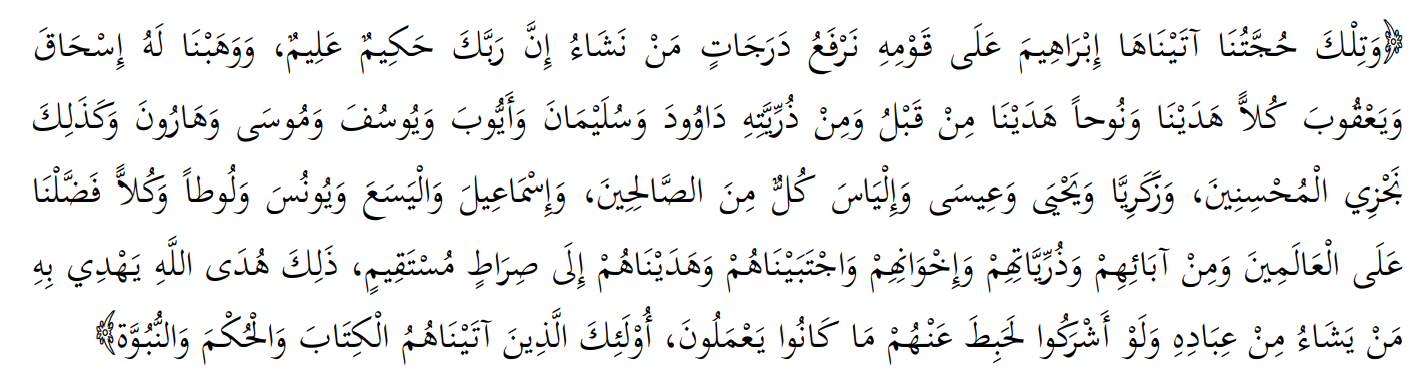
"اور یہی وہ ہمارا حجت ہے جو ہم نے ابراہیمؑ کو ان کی قوم کے خلاف دی تھی، ہم جسے چاہتے ہیں درجے بلند کر دیتے ہیں، بے شک آپ کا رب حکمت والا اور علم والا ہے۔ اور ہم نے انہیں اسحاقؑ اور یعقوبؑ عطا کیے، اور ہم نے ان سب کو ہدایت کا راستہ دکھایا اور ان سے پہلے نوحؑ کو بھی راستہ دکھایا، اور ان کی نسل میں سے داؤدؑ، سلیمانؑ، ایوبؑ، یوسفؑ، موسیٰؑ اور ہارونؑ کو، اور اسی طرح ہم نیک لوگوں کو جزا دیتے ہیں۔ اور زکریاؑ، یحییٰؑ، عیسیٰؑ اور الیاسؑ کو۔ یہ سب ہمارے مقرب بندے ہیں۔ اور اسماعیلؑ، الیسعؑ، یونسؑ اور لوطؑ کو، اور ہم نے ہر ایک کو اس کے زمانے میں سب پر فضیلت دی۔ اور ان کے بعض باپوں، ان کی اولاد اور ان کے بعض بھائیوں کو بھی، اور ہم نے انہیں چنا اور انہیں سیدھا راستہ دکھایا۔ یہی اللہ کی ہدایت ہے، وہ اپنے بندوں میں سے جسے چاہتا ہے عطا فرماتا ہے، اور اگر وہ شرک کرتے تو یقیناً ان کا کیا کچھ بھی برباد ہو جاتا۔ یہی وہ لوگ ہیں جنہیں ہم نے کتاب، حکمت اور نبوت عطا فرمائی۔" [TMQ An’ām: 83-89]
"And this is our argument that we gave to Abraham against his people, we raise in degrees whom we please, undoubtedly, your lord is wise, knowing. And we gave him Ishaq and Yaqub, we showed the path to all of them and showed the path to Nuh before them, and of his progeny, to Daud and Sulaiman and Ayub and Yusuf and musa and Haroon, and thus we recompense the righteous. And to Zakaria, Yahya, Isa and Ilyas. These are all entitled to be our near ones. And to Ismail and Yasa and Yunus and lot, and to each one we preferred above all in his time. And also to some of their fathers and their progeny and some of their brothers, and we chose them and showed them the straight path. This is the guidance of Allah. He gives whom he will of his bondmen, and if they would have committed polytheism, then surely all that they had already done would have been destroyed. These are they to whom we gave the book and order and prophet hood" [TMQ An’ām: 83-89]
"اور اسماعیل، ادریس اور ذوالکفل، یہ سب صبر کرنے والوں میں سے تھے جنہیں ہم نے اپنی رحمت میں شامل کر لیا، بے شک یہ نیکوکار تھے۔" [TMQ Anbiya: 85-86]
"And Ismail and Idrees and Dhul-Kifl all were from the patient ones who we took into our mercy. Indeed they are from the righteous." [TMQ Anbiya: 85-86]
"اور ہم نے مدین کی طرف ان کے بھائی شعیبؑ کو بھیجا۔" [TMQ Araf: 85]
"And to Madyan, we sent their brother Shu'aib." [TMQ Araf: 85]
"اور قومِ ثمود کی طرف ہم نے ان کے بھائی صالح ﷺ کو بھیجا۔" [TMQ Araf: 73]
"And to Thamud, we sent their brother Salih." [TMQ Araf: 73]
"اور عاد کی طرف ہم نے ان کے بھائی ہود ﷺ کو بھیجا۔" [TMQ Araf:65]
"And to A'ad, we sent their brother Hud." [TMQ Araf:65]
"اور ہم نے کہا، اے آدم! تم اور تمہاری بیوی جنت میں رہو۔" [TMQ Baqarah: 35]
"And we said, o Adam dwell you and your wife in paradise." [TMQ Baqarah: 35]
محمد ﷺ اللہ کے رسول ہیں۔ جو لوگ ان کے ساتھ ہیں وہ کافروں پر سخت اور آپس میں نہایت رحم دل ہیں۔ [TMQ Fath: 29]
"Muhammad is the messenger of Allah. Those with him are severe on the Kuffar and merciful between themselves." [TMQ Fath: 29]
تمام انبیاء اور رسل اللہ عزوجل کی طرف سے اطلاع دینے والے تھے کیونکہ نبوت اور رسالت کا یہی مفہوم ہے۔ وہ سچے ہیں، مخلوق کو ڈرانے والے ہیں تاکہ مشن اور پیغام ضائع نہ ہو جائے، اور وہ اپنی تبلیغ میں جھوٹ اور غلطی سے معصوم ہیں، بالکل اسی طرح جیسے وہ کسی بھی گناہ کے ارتکاب سے معصوم ہیں۔ مزید یہ کہ قرآن یا سنت میں ایسی کوئی قطعی دلیل موجود نہیں ہے جو اس بات کی خبر دے کہ انبیاء اپنی نبوت اور رسالت کے بعد غلطی کا مرتکب ہوئے۔ جو کچھ بھی مروی ہے وہ یا تو ایسی احادیث میں ہے جو اپنی سند کے اعتبار سے ظنی الثبوت ہیں یا ایسی آیات میں ہیں جو اپنی مدلول کے اعتبار سے ظنی الدلالت ہیں، اور ظنی دلیل عصمت کے بارے میں قطعی عقلی دلیل کو مسترد نہیں کر سکتی۔ جہاں تک قرآن میں حضرت آدم علیہ السلام کے اس درخت سے کھانے کے بارے میں وحی کا تعلق ہے جس سے اللہ عزوجل نے انہیں منع فرمایا تھا، تو یہ زمین پر لوگوں تک پیغام کی تبلیغ میں عصمت کے تقاضے کے منافی نہیں ہے، کیونکہ حضرت آدم علیہ السلام سے جو کچھ ہوا وہ جنت میں ہوا تھا، جس کی حکمت صرف اللہ عزوجل ہی جانتا ہے۔ لہٰذا یہ ایک الگ معاملہ ہے (یعنی حضرت آدم علیہ السلام کا درخت کا پھل کھانا) کیونکہ عصمت کا تعلق زمین پر لوگوں تک پیغام کی تبلیغ سے ہے۔
All the prophets and messengers were informers from Allah because this is the meaning of prophethood and messengerhood. They are truthful, admonishers to creation lest the mission and message become futile and they are infallible from lying and error in their propagation, just as they are infallible from committing any sin. Further there is no definite [Qati] textual evidence in the Qur’ān or the Sunnah of the prophet informing about the erring of the prophets after their Prophethood of Messengership. Whatever has been reported is either in the ahadith that are indefinite in their transmission [dhanni athuboot] or in the ayat that are indefinite in their evidence [dhanni ad-dalala] and the Indefinite [dhanni] cannot over ride the definite rational evidence on infallibility. As for what was revealed regarding Adam in the Qur’ān about him eating from the tree which Allah had prohibited him to eat from, this does not contradict the requirement of infallibility in the propogation of the message to the people on the earth because what happened from Adam was in the Paradise, the wisdom of which is only known to Allah . Therefore this is separate matter (i.e Adam’s eating of the fruit of the tree) because infallibility is related to the propogation of the message to the people on the earth.