১৮ ইসলামী রাষ্ট্র একটি মানবিক রাষ্ট্র, ধর্মতান্ত্রিক রাষ্ট্র নয়।
18 The Islamic State Is A Human State And Not A Theocratic State.
ইসলামী রাষ্ট্র হলো খিলাফত, কারণ এটি এমন একটি পদ যার তত্ত্বাবধায়ক শাসন ও কর্তৃত্বের সমস্ত যোগ্যতার অধিকারী হন এবং কোনো ব্যতিক্রম ছাড়াই সমস্ত বিধান গ্রহণ করেন। এটি বিশ্বের সকল মুসলিমের উপর সাধারণ নেতৃত্ব, যার মাধ্যমে ইসলামের সকল শরীয়াহ বিধান বাস্তবায়ন করা হয়, সেই চিন্তাধারা ও বিধানসমূহ অনুযায়ী যা ইসলাম নিয়ে এসেছে এবং যা বিধিবদ্ধ করেছে, এবং ইসলামী দাওয়াহকে বিশ্বের কাছে পৌঁছে দেওয়া হয়, তাদেরকে ইসলাম সম্পর্কে অবহিত করে, তাদেরকে এর প্রতি আহ্বান জানিয়ে এবং আল্লাহর পথে জিহাদের মাধ্যমে। এটি ইমামাহ এবং মুমিনদের উপর নেতৃত্ব নামেও পরিচিত। এটি একটি মানবিক ভূমিকা, ঐশ্বরিক নয়, যা মানুষের উপর ইসলামের দীন বাস্তবায়ন করা এবং তাদের মধ্যে তা ছড়িয়ে দেওয়ার জন্য বিদ্যমান। এটি নিশ্চিতভাবে নবুওয়াত নয়, কারণ নবুওয়াত ও রিসালাত বোঝায় যে নবী বা রাসূল আল্লাহ (সুবহানাহু ওয়া তা'আলা) থেকে ওহীর মাধ্যমে শরীয়াহ গ্রহণ করেন, যাতে তিনি তা মানুষের কাছে পৌঁছে দেন, সেটি বাস্তবায়নের প্রতি মনোযোগ না দিয়েই। আল্লাহ (সুবহানাহু ওয়া তা'আলা) বলেন:
The Islamic State is the Khilafah as it is the position in which the one who supervises it possesses all the competence of ruling and authority, and adopts all the rules without exception. It is the general leadership over all Muslims in the world to implement all the Islamic Shar’a rules, by the thoughts it came with and the rules it legislated, and to carry the Islamic da’wah to the world, by informing them of Islam, calling them to it and jihad in the way of Allah. It is also known as the Imamah and the leadership over the believers. It is a human role not a divine one, which exists to implement the deen of Islam over human beings and to spread it among them. It is definitely not the Prophethood as the Prophethood and Messengership conotates to the Prophet or the Messenger the Shar’a from Allah (saw) via the means of revelation to deliver it to the people without paying attention to his implementing it. Allah (swt) says:
রাসূলের উপর কেবল স্পষ্টভাবে বার্তা পৌঁছে দেওয়ার দায়িত্ব রয়েছে। [TMQ 24:54]
"There is nothing upon the Messenger except the clear conveyance " [TMQ 24:54]
এবং
And:
নিশ্চয়ই আপনার উপর কেবল পৌঁছে দেওয়ার দায়িত্ব। [TMQ 3:20]
"Verily it is upon you the conveyance " [TMQ 3:20]
এবং
And:
"রাসূলের উপর কেবল পৌঁছে দেওয়ার দায়িত্ব ছাড়া আর কিছু নেই" [TMQ 5:99]।
"There is nothing upon the Messenger except the conveyance" [TMQ 5:99].
এটি খিলাফাহ থেকে ভিন্ন, যা হলো মানুষের উপর আল্লাহর শারী'আহ বাস্তবায়ন। নবী (সাঃ) বা রাসূল (সাঃ)-এর জন্য আল্লাহ (সুবঃ) তাঁর কাছে যা নাযিল করেছেন তা বাস্তবায়ন করা রাসূল হওয়ার শর্ত নয়; বরং নবী বা রাসূল হওয়ার শর্ত হলো আল্লাহ তাঁর কাছে একটি শারী'আহ নাযিল করেন এবং তা পৌঁছে দেওয়ার আদেশ দেন। মূসা (আঃ), ঈসা (আঃ) ও ইবরাহীম (আঃ) নবী ও রাসূল ছিলেন, যদিও তাঁরা যে শারী'আহ নিয়ে এসেছিলেন তা বাস্তবায়ন করেননি, এবং তাঁরা শাসকও ছিলেন না। সুতরাং নবুওয়াত ও রিসালাতের পদ খিলাফাহর পদ নয়। নবুওয়াত একটি ঐশ্বরিক পদ, যা আল্লাহ যাকে ইচ্ছা দান করেন; আর খিলাফাহ একটি মানবিক পদ, যাতে মুসলিমরা তাদের মধ্য থেকে যাকে ইচ্ছা নিজেদের উপর শাসক হিসেবে বাইয়াত দেয়। আমাদের নেতা মুহাম্মাদ (সাঃ) এমন একজন শাসক ছিলেন যিনি তাঁর নিয়ে আসা শারী'আহ বাস্তবায়ন করেছিলেন। সুতরাং তিনি একই সঙ্গে নবুওয়াত ও রিসালাতের দায়িত্বে থাকতেন এবং ইসলামী বিধান প্রতিষ্ঠায় মুসলিমদের নেতৃত্বের দায়িত্বেও থাকতেন। আল্লাহ (সুবঃ) তাঁকে শাসন করার আদেশ দিয়েছিলেন, যেমন তাঁকে বার্তা পৌঁছে দেওয়ার আদেশ দিয়েছিলেন, যেমন তিনি তাঁকে বলেছেন:
This is different from the Khilafah which is the implementation of Allah’s Shar’a upon human beings. It is not a condition upon the Prophet (saw) or Messenger (saw) to implement what Allah (swt) revealed to him in order to be a Messenger, rather the condition to become a Messenger or Prophet is that Allah reveals a Shar’a to him and commands him to convey it. Musa (as), Isa (as) and Ibrahim (as) were Prophets and Messengers though they did not implement the Shariah they came with nor were they rulers. Therefore the post of Prophethood and Messengership is not the post of Khilafah. Prophethood is a divine post which Allah gives to whomever He wills, while the Khilafah is a human post in which the Muslims pledge whomever they wish over them from among the Muslims. Our master Muhammad (saw) was a ruler who implemented the Shari’ah he came with, so he would be in charge of the Prophethood and Messengership while at the same time he would be in charge of the post of leadership of the Muslims in establishing the Islamic rules. Allah (swt) commanded him to rule just like He commanded him to convey the message as He said to him:
"আল্লাহ যা নাযিল করেছেন তদনুযায়ী তাদের মাঝে ফয়সালা করো" [TMQ 5:47]
"Rule between them by what Allah revealed" [TMQ 5:47]
এবং
And:
নিশ্চয়ই আমি সত্যসহ আপনার প্রতি কিতাব নাযিল করেছি, যাতে আল্লাহ আপনাকে যা দেখিয়েছেন সেই অনুযায়ী আপনি মানুষের মধ্যে বিচার করেন। [TMQ 4:105]
"Verily we revealed the Book to you in Truth so that you rule between the people by what Allah showed you" [TMQ 4:105]
ঠিক যেমন তিনি (সুবহানাহু ওয়া তাআলা) তাঁকে বলেছিলেন:
Just like He (swt) said to him:
"হে রাসূল, আপনার রবের পক্ষ থেকে আপনার প্রতি যা নাযিল করা হয়েছে তা পৌঁছে দিন।" [TMQ 5:67]
"O Messenger, convey what has been revealed to you from your Lord "[TMQ 5:67]
এবং
And:
এই কুরআন আমার প্রতি অবতীর্ণ হয়েছে, যেন আমি তোমাদেরকে এবং যার কাছে এটি পৌঁছাবে তাদের সবাইকে সতর্ক করি। [TMQ 6:19]
"This Qur’an has been revealed to me so that I warn you and whoever it is conveyed to" [TMQ 6:19]
এবং
And:
"হে বস্ত্রাবৃত ব্যক্তি! উঠুন এবং সতর্ক করুন।" [সূরা মুদ্দাসসির, ৭৪:১]
"O you enshrouded in a cloak. Stand up and warn" [TMQ 74:1].
যখন তিনি বাণী পৌঁছে দেওয়ার দায়িত্বে ছিলেন, যেমন আল্লাহর এই বাণী পৌঁছে দেওয়া:
Except that when he was in charge of conveying the message by speech like conveying Allah’s saying:
আল্লাহ ব্যবসাকে হালাল করেছেন এবং সুদকে হারাম করেছেন। [TMQ 2:275]
Allah has permitted trade and forbidden riba" [TMQ 2:275]
বা কর্মের মাধ্যমে, যেমন হুদাইবিয়ার সন্धि। তিনি বার্তা পৌঁছে দেওয়ায় দৃঢ় থাকতেন এবং সিদ্ধান্তমূলকভাবে কাজ করার আদেশ দিতেন; তিনি পরামর্শ করতেন না, বরং যদি তাঁকে এমন কোনো পরামর্শ দেওয়া হতো যা ওহীর সাথে আসা বিষয়ের বিপরীত, তবে তিনি সমস্ত মতামত প্রত্যাখ্যান করতেন। আর যখন তাঁকে এমন কোনো বিধান সম্পর্কে জিজ্ঞাসা করা হতো যার ওহী তখনও নাযিল হয়নি, তিনি নীরব থাকতেন এবং ওহী নাযিল না হওয়া পর্যন্ত উত্তর দিতেন না। অথচ যখন তিনি কোনো কাজ করতে চাইতেন, তখন মানুষের সাথে পরামর্শ করতেন এবং বিশেষজ্ঞদের মতামত বা সংখ্যাগরিষ্ঠের মতামত অনুযায়ী কাজ করতেন, যদিও তা তাঁর নিজের মতের বিপরীত হতো। আর যখন তিনি মানুষের মধ্যে বিচার করতেন, তখন দৃঢ়ভাবে এ কথা বলতেন না যে, তিনি যে রায় দিয়েছেন তা বাস্তবতার সাথে মিলে যায়; বরং তিনি প্রমাণ সম্পর্কে যা শুনতেন সে অনুযায়ী বিচার করতেন। যখন সূরা বারাআহ নাযিল হলো, তিনি ﷺ আলী ইবনু আবী তালিব (রা.)-কে আবু বকর (রা.)-এর সাথে মিলিত হতে এবং হজের সময় মানুষের কাছে সম্পর্কচ্ছেদের ঘোষণা (বারাআহ) পৌঁছে দিতে আদেশ করলেন। তিনি আরাফার দিনে তাদের কাছে তা পাঠ করলেন এবং মানুষের মধ্যে ঘুরে ঘুরে তা পৌঁছে দিলেন। হুদাইবিয়ার সন্धि স্বাক্ষরের সময় তিনি ﷺ সকল সাহাবী (রা.)-এর মত প্রত্যাখ্যান করলেন এবং নিজের মত তাঁদের উপর চাপিয়ে দিলেন, কারণ তা আল্লাহ (সুবহানাহু ওয়া তা'আলা)-র পক্ষ থেকে ওহী ছিল। জাবির (রা.) যখন তাঁকে জিজ্ঞাসা করলেন: "আমি কীভাবে আমার সম্পদের বিষয়ে ফয়সালা করব?", তিনি ﷺ বিধানসহ ওহী নাযিল না হওয়া পর্যন্ত তাঁকে উত্তর দেননি। ইমাম বুখারী ইবনুল মুনকাদির সূত্রে বর্ণনা করেছেন, যিনি বলেছেন:
or by action like the Treaty of Hudaybiyya, he would be decisive in conveying and command decisively to undertake the action; nor would he consult but would rather reject all opinion if he was advised anything different from what the revelation came with. And when he was asked of a rule for which no revelation had descended yet, he would keep silent and not reply until the revelation descended. Whereas when he would undertake an action he would consult people and act according to the opinion of experts or the opinion of the majority even where it differed from his opinion, and when he would judge between people he would not be decisive saying that what he judged with conformed with the reality rather he was judging according to what he heard of the evidence. When Surah Bara’ah was revealed, he (saw) commanded Ali bin Abi Talib (ra) to go meet Abu Bakr and commanded him to announce inculpability “Bara’ah to the people during the Hajj period. So he read it to them Arafah and went around to the people until he had conveyed it. When he signed the Treaty of Hudaybiyya he rejected the opinion of all the Sahabah (ra) and compelled his opinion upon them as it was revelation from Allah (swt). When Jabir asked him: “How should I judge over my wealth?", He did not answer him until the revelation descended with the rule. Al-Bukhari narrated via bin al-Munkadir who said:
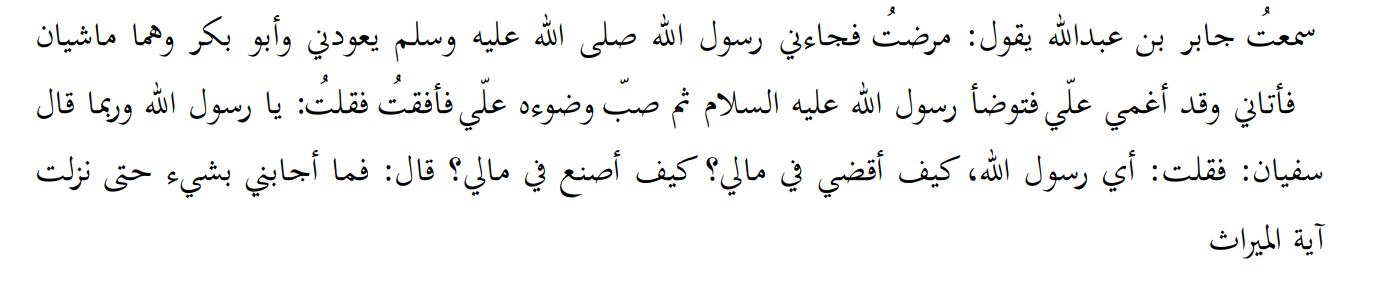
“আমি জাবির ইবনু আব্দুল্লাহকে বলতে শুনেছি: আমি অসুস্থ ছিলাম, তখন আল্লাহর রাসূল ﷺ আবু বকরের সঙ্গে হেঁটে আমাকে দেখতে এলেন। তাঁরা আমাকে অচেতন অবস্থায় পেলেন। আল্লাহর রাসূল ﷺ ওযু করলেন, তারপর আমার উপর কিছু পানি ঢাললেন। আমি জ্ঞান ফিরে পেয়ে বললাম: হে আল্লাহর রাসূল ﷺ, আমার সম্পদের ব্যাপারে আমি কীভাবে সিদ্ধান্ত নেব? আমার সম্পদ নিয়ে আমি কী করব? তিনি আমাকে কোনো উত্তর দিলেন না, যতক্ষণ না উত্তরাধিকারের আয়াত নাযিল হলো।”
“I heard Jabir bin Abdullah saying: I was ill so the Messenger of Allah (saw) came to visit me together with Abu Bakr walking. They found me when I was unconscious. The Messenger of Allah (saw) made wudhu then poured some water upon me. I woke up and said to the Messenger of Allah (saw): O Messenger of Allah, how should I judge over my wealth? What should I do with my wealth? He said: He did not answer me at all until the ayah of inheritance was revealed.”
এটি ছিল নবুওয়াত ও রিসালাতের দায়িত্ব বহন এবং মানুষের কাছে পৌঁছে দেওয়ার ক্ষেত্রে, অন্যদিকে শাসনক্ষমতার দায়িত্ব বহনের ক্ষেত্রে তিনি ভিন্নভাবে আচরণ করতেন। উহুদের যুদ্ধের সময় তিনি মুসলমানদের মসজিদে একত্র করলেন এবং মদীনার ভেতরে থেকে যুদ্ধ করা হবে নাকি বাইরে গিয়ে, সে বিষয়ে পরামর্শ করলেন। অধিকাংশের মত ছিল বাইরে গিয়ে যুদ্ধ করার, আর রাসূলুল্লাহ ﷺ-এর মত ছিল ভেতরে থেকে যুদ্ধ করার। তিনি সংখ্যাগরিষ্ঠের মতের উপর আমল করলেন, বের হয়ে গেলেন এবং মদীনার বাইরে গিয়ে যুদ্ধ করলেন। একইভাবে, তিনি যখন মানুষের মধ্যে বিচার করতেন, তখন তাদেরকে সতর্ক করতেন যেন তারা তাঁকে এমন কিছুর জন্য বিচার করতে বাধ্য না করে, যাতে অন্যের প্রাপ্য অধিকার নষ্ট হয়। ইমাম আল-বুখারী উম্মে সালামাহ (রাঃ) থেকে বর্ণনা করেছেন যে রাসূলুল্লাহ ﷺ তাঁর ঘরের দরজায় দুজন লোকের বিবাদ শুনলেন, অতঃপর তিনি তাদের কাছে গেলেন এবং বললেন:
This was in the undertaking of the burden of Prophethood and Messengership and conveying to the people, whereas in undertaking the burden of rule he would behave differently. In Uhud he collected the Muslims in the mosque, consulted over whether to fight inside Madinah or outside; the opinion of the majority was to fight outside while the Messenger’s opinion was to fight inside. He acted upon the majority opinion, left and fought outside Madinah. Similarly when he judged between people, he would warn them from causing him to judge for them against someone else’s due right. Al-Bukhari narrated from Umm Salamah about the Messenger of Allah (saw) that he heard a dispute at the door of his house so he went to them and said:
“আমি তো কেবল একজন মানুষ। বিবাদের মামলা নিয়ে লোকেরা আমার কাছে আসে, আর তোমাদের কেউ হয়তো অন্যজনের চেয়ে যুক্তি উপস্থাপনে বেশি দক্ষ হতে পারে, ফলে আমি তাকে সত্যবাদী মনে করে তার পক্ষে রায় দিয়ে দিতে পারি। অতএব, আমি যদি এমন কারও পক্ষে রায় দিয়ে ফেলি, যার ফলে সে অন্যায়ভাবে কোনো মুসলিমের অধিকার নিয়ে নেয়, তবে সে যা নেয় তা আগুনের একটি টুকরো ছাড়া আর কিছুই নয়; এখন সে তা নেবে কি না, তা তারই ইচ্ছা।”
“I am only a human being, and litigants with cases of dispute come to me, and someone of you may happen to be more eloquent (in presenting his case) than the other, whereby I may consider that he is truthful and pass a judgment in his favor. If ever I pass a judgment in favor of somebody whereby he takes a Muslim's right unjustly, then whatever he takes is nothing but a piece of Fire, and it is up to him to take or leave.”
এভাবেই তিনি তাঁর থেকে বর্ণনা করেছেন যে, তিনি (সাঃ) বলেছেন:
Similarly he narrated from him that he (saw) said:
“আমি নিশ্চয়ই চাই যে আমি আল্লাহ 'আয্যা ওয়া জাল্লা-র সাথে এমন অবস্থায় মিলিত হই যে, আমি যে অন্যায় করেছি তার কারণে কেউ আমার কাছে কোনো দাবি করবে না, তা রক্তের দিক দিয়ে হোক বা সম্পদের দিক দিয়ে।”
“Verily I wish to meet Allah ‘azza wa jalla without anyone seeking from me an injustice I committed against him, whether in blood or money.”
এর দ্বারা বোঝা যায় যে তিনি দুটি ভূমিকা পালন করতেন: নবুওয়াত ও রিসালাতের পদ, এবং দুনিয়ায় মুসলিমদের নেতৃত্ব দেওয়ার পদ, যাতে তাঁর প্রতি অবতীর্ণ আল্লাহর (সুবহানাহু ওয়া তাআলা) শরীয়াহ প্রতিষ্ঠিত হয়। প্রতিটি ভূমিকা তিনি তার দাবি অনুযায়ী পালন করতেন, তাই একটিকে অন্যটি থেকে ভিন্নভাবে পরিচালনা করতেন। তিনি শাসন-ক্ষমতার বিষয়ে মানুষের বাইয়াত গ্রহণ করেছিলেন, এবং তা নারী ও পুরুষ উভয়ের কাছ থেকে নিয়েছিলেন, কিন্তু যারা এখনো বালেগ হয়নি সেই শিশুদের কাছ থেকে নেননি। এতে স্পষ্ট হয় যে এটি ছিল শাসনের উপর বাইয়াত, নবুওয়াতের উপর নয়। এখান থেকে আমরা দেখতে পাই যে, বার্তা পৌঁছে দেওয়া ও তার দায়িত্ব বহনের সাথে সম্পর্কিত কোনো বিষয়ে আল্লাহ (সুবহানাহু ওয়া তাআলা) তাঁকে কখনো তিরস্কার করেননি। বরং তিনি তাঁকে নির্দেশ দিয়েছেন যেন মানুষের সাড়া না দেওয়ার কারণে তিনি মনঃক্ষুণ্ন না হন, কারণ বার্তার দায়িত্ব বহন বলতে শুধু পৌঁছে দেওয়াকেই বোঝায়; তাই পৌঁছে দেওয়া ছাড়া তাঁর উপর আর কোনো দায়িত্ব ছিল না। আল্লাহ (সুবহানাহু ওয়া তাআলা) বলেন:
This goes to indicate that he would undertake two roles: the position of Prophethood and Messengership, and the position of leading the Muslims in this world in establishing the Shari’ah of Allah (swt) which was revealed to him. He would dispose in undertaking each role according to what it required, so he would conduct one differently from the other. He took the pledge of the people in ruling, taking it from both women and men but not from young children who had not yet reached puberty, which emphasises that it was a pledge upon ruling not upon Prophethood. From here we find we find that Allah (swt) never censured him in anything to do with conveying the message or undertaking its burden, rather he would request him not to be troubled due to people’s failure to respond to him as the undertaking of the burden of the message was conveying alone; so there was no duty upon him except to convey. Allah (swt) said:
"তাদের জন্য আফসোস করতে করতে যেন তোমাদের প্রাণ বেরিয়ে না যায়।" [TMQ 35:8]
"Let not your souls go out in (vainly) sighing for them" [TMQ 35:8]
এবং
And:
"তারা যা ষড়যন্ত্র করছে তার জন্য দুঃখ করো না।" [TMQ 16:27]
"Do not grieve over what they are plotting" [TMQ 16:27]
এবং
And:
"শুধু পৌঁছে দেওয়াই আপনার দায়িত্ব" [সূরা আশ-শূরা ৪২:৪৮]।
"The only (duty) upon you is conveying" [TMQ 42:48].
তথাপি আল্লাহ (সুবহানাহু ওয়া তাআলা) তাঁকে তিরস্কার করেছেন, কারণ তিনি শাসনের দায়িত্ব গ্রহণ করেছিলেন এবং তাঁর কাছে পূর্বে অবতীর্ণ ও ইতোমধ্যে পৌঁছে দেওয়া বিধানসমূহ বাস্তবায়নের ক্ষেত্রে যে কাজগুলো তিনি করেছিলেন, সেগুলোর জন্য। আল্লাহ (সুবহানাহু ওয়া তাআলা) তাঁকে তিরস্কার করেছেন, কারণ তিনি এমন কিছু করেছিলেন যা উত্তম বিষয়ের বিপরীত ছিল। আল্লাহ (সুবহানাহু ওয়া তাআলা) বলেছেন:
However Allah (swt) censured him over his undertaking of the burden of ruling in the actions he performed in implementing rules previously revealed to him and already conveyed. Allah (swt) censured him over doing something contrary to what was better. Allah (swt) said:
"কোনো নবীর জন্য উচিত নয় যে, পৃথিবীতে রক্তপাত ঘটিয়ে শত্রুদের পরাভূত না করা পর্যন্ত বন্দী রাখা।" [TMQ 8:67]
"It is not for a Prophet to have captives of war until he made great slaughter in the world" [TMQ 8:67]
এবং
And:
"আল্লাহ আপনাকে ক্ষমা করুন! আপনি কেন তাদের অনুমতি দিলেন?" [TMQ 9:43]।
"Allah forgive you! Why did you grant them permission?" [TMQ 9:43].
এই সবকিছু থেকে স্পষ্ট যে নেতৃস্থানীয় মুসলিমদের শাসনে ভূমিকা নবুওয়াতের ভূমিকা থেকে ভিন্ন ছিল। এ থেকে এটাও স্পষ্ট হয় যে খিলাফত, যা বিশ্বের সকল মুসলিমের উপর সাধারণ নেতৃত্ব, একটি মানবীয় পদ, ঐশ্বরিক নয়। এটি এমন একটি ভূমিকা যার দায়িত্বে রাসূলুল্লাহ ﷺ ছিলেন, আর তিনি তা ছেড়ে গেছেন এবং এই বলে বাধ্যতামূলক করেছেন যে একজন মুসলিম তাঁর পক্ষ থেকে তা গ্রহণ করবে, যাতে সে রাসূলুল্লাহ ﷺ-এর স্থলাভিষিক্ত হয় এবং শাসনের ক্ষেত্রে তাঁর খলীফা হয়, কিন্তু নবুওয়াতের ক্ষেত্রে নয়। এটি রাসূলের খিলাফত, ইসলামী বিধান বাস্তবায়নে ও দাওয়াত পৌঁছানোর ক্ষেত্রে মুসলিমদের নেতৃত্ব দেওয়ার মাধ্যমে, ওহী গ্রহণ বা আল্লাহর পক্ষ থেকে শরী'আত প্রণয়নের ক্ষেত্রে নয়।
All this is clear that the role of leading Muslims in the rule was different from the role of Prophethood. From this it becomes clear that the Khilafah, which is the general leadership over all Muslims in the world, is a human post not a divine one. Since it is a role which the Messenger (saw) used to be in charge of and he left it while obliging that a Muslim should take it over for him so that he takes the place of the Messenger of Allah (saw) and be his Khalifah in ruling but not in Prophethood. It is a Khilafah to the Messenger in leading the Muslims to implement the Islamic rules and conveying the message not in receiving revelation or taking a Shari’ah from Allah.
রাসূল (সা)-এর নিষ্পাপতা (ইসমত) তাঁর নবুওয়াতের কারণে, শাসক হওয়ার কারণে নয়। কারণ নিষ্পাপতা সকল নবী ও রাসূলের জন্য আবশ্যকীয় গুণ, তাঁরা নিজেরা মানুষের উপর তাঁদের শরীয়াহ দ্বারা শাসন করে তা বাস্তবায়ন করেছেন কি না, অথবা শুধু তা পৌঁছে দেওয়ার মধ্যেই সীমাবদ্ধ ছিলেন কি না, সেটা বিবেচ্য নয়। আমাদের প্রভু মূসা (আ), আমাদের প্রভু ঈসা (আ) ও আমাদের প্রভু ইবরাহীম (আ) নিষ্পাপ ছিলেন, ঠিক যেমন আমাদের প্রভু মুহাম্মাদ (সা) নিষ্পাপ ছিলেন, কারণ নিষ্পাপতা নবুওয়াত ও রিসালাতের জন্য, শাসনের জন্য নয়। আর শাসনের দায়িত্ব গ্রহণকালেও তিনি (সা) যে কোনো হারাম কাজ করেননি বা কোনো ফরয কাজ ছেড়ে দেননি, তা নবুওয়াত ও রিসালাতের ক্ষেত্রে তাঁর নিষ্পাপ হওয়ার কারণে হয়েছে, শাসক হওয়ার ক্ষেত্রে নয়। সুতরাং তাঁর (সা) শাসনের দায়িত্ব গ্রহণ করার জন্য নিষ্পাপ গুণে গুণান্বিত হওয়া আবশ্যক ছিল না, তবে বাস্তবে নবী ও রাসূল হওয়ার কারণে তিনি নিষ্পাপ ছিলেন। সেই হিসেবে তিনি মানুষের উপর শাসনকারী একজন মানুষ হিসেবেই শাসনের দায়িত্ব গ্রহণ করতেন। কুরআন স্পষ্টভাবে বলেছে যে তিনি একজন মানুষ। আল্লাহ (সু) বলেছেন:
As for the Messenger (saw)’s infallibility, it comes from his being a Prophet not from his being a ruler. This is because infallibility is an obligatory attribute for all Prophets and Messengers, irrespective of whether they themselves were the ones to rule over people by their Shari’ah and implement it or whether they were merely restricted to conveying it without ruling with it or implementing it. Our master Musa (as), our master Isa (as) and our master Ibrahim (as) were infallible just like our master Muhammad (saw) was infallible as the infallibility is for Prophethood and the Message not the rule. As for his (saw) not doing any haram action during his undertaking the burden of ruling nor leaving any obligatory action, this came from his being infallible in relation to Prophethood and the Message not in relation to his being a ruler. So his (saw) undertaking the rule did not require his being characterised with infallibility, but practically he was infallible due to his being a Prophet and Messenger. Accordingly, he would undertake the rule in his description as a human being ruling over human beings. The Qur’an has come explicitly stating that he is a human being. Allah (swt) said:
বলুন, "নিশ্চয়ই আমি তোমাদের মতোই একজন মানুষ।" [TMQ 18:110]
"Say: Verily I am only a human similar to you" [TMQ 18:110]
তারপর এটি তাঁকে বাকি মানবজাতি থেকে আলাদা করে দিয়েছে বলে স্পষ্ট করা হয়েছে (এই কথা বলার মাধ্যমে):
Then it clarified distinguishing him from the rest of humanity (by saying):
"এটি আমার প্রতি ওহী করা হয়েছে" [তাফসীর/TMQ ৬:৫০]।
"It has been revealed to me" [TMQ 6:50].
যে বৈশিষ্ট্য তাঁকে সমগ্র মানবজাতি থেকে পৃথক করে তা হলো নবুওয়াতের ক্ষেত্রে তাঁর কাছে ওহী প্রেরণ করা হতো। এ ছাড়া তিনি অন্য সব মানুষের মতোই একজন মানুষ। তাই শাসনের ক্ষেত্রে তিনিও অন্য মানুষের মতোই একজন মানুষ। সুতরাং তাঁর পরে যিনি খলীফা হবেন, তিনিও নিঃসন্দেহে অন্য মানুষের মতোই একজন মানুষ হবেন, কারণ তিনি তাঁর খলীফা হন শাসনের ক্ষেত্রে, নবুওয়াত বা রিসালাতের ক্ষেত্রে নয়। অতএব ইসমত বা নিষ্পাপতা এর শর্ত নয়, কেননা এটি সেই বিষয়গুলোর অন্তর্ভুক্ত নয় যেগুলোতে ইসমত আবশ্যক। ইসমত কেবল নবুওয়াতের জন্যই আবশ্যক। তিনি একজন শাসক, এর বেশি কিছু নন; তাই যারা এর দায়িত্বে থাকেন তাদের জন্য ইসমত দাবি করার কোনো অবকাশ নেই। বস্তুত, যিনি এ দায়িত্ব গ্রহণ করেন তাঁর জন্য ইসমত দাবি করা জায়েয নয়, কারণ ইসমত নবীদের জন্যই নির্দিষ্ট, এবং নবী ছাড়া অন্যের জন্য তা জায়েয নয়। নবী ও রাসূল (ﷺ)-এর ক্ষেত্রে এটি বিদ্যমান থাকা প্রয়োজন ছিল, কারণ তাঁর পয়গাম পৌঁছানোর জন্য তা আবশ্যক। সুতরাং এটি হলো পয়গাম পৌঁছানোর ক্ষেত্রে ইসমত। আর হারাম কাজ থেকে বিরত থাকার ইসমত অর্জিত হয় পয়গাম পৌঁছানোর ইসমতের স্বাভাবিক দাবি হিসেবে, কেননা পয়গাম পৌঁছানোর ইসমত হারাম কাজ থেকে নিষ্পাপ থাকা ছাড়া পূর্ণ হতে পারে না। যে বিষয়ের জন্য এটি আবশ্যক, তা হলো পয়গাম পৌঁছানো।
The distinction from the rest of humanity is that he is revealed to i.e. in the Prophethood. Apart from that he is a human like the rest of mankind. So he is in the rule a human like other people so whoever becomes Khalifah after him would doubtless be a human being like the rest of the people since he is his Khalifah in the rule not in Prophethood or the Message. Therefore infallibility is not a condition for it since it is not one of the matters which require infallibility which is only required for Prophethood. He is a ruler, nothing else, so there is no place for requiring infallibility for those who are in charge of it. In fact, it is not allowed to require infallibility for the one undertaking it as infallibility is restricted to Prophets and it is not allowed for other than Prophets as its existence for the Prophet and Messenger (saw) is required for conveyance. So it is infallibility in conveyance and its acquirement in never performing a haram naturally follows the infallibility in conveyance as the infallibility in the latter cannot be complete save with the infallibility from performing haram. The matter which requires it is the conveyance, The Islamic Personality Vol 2 95
এটি বার্তা পৌঁছে দেওয়ার বিষয়; অন্য কিছু নয়, মানুষের বিশ্বাস বা অবিশ্বাস, কিংবা কর্মে ত্রুটি থাকা বা না থাকাও এখানে মূল বিষয় নয়। কারণ যদি তিনি আল্লাহ (SWT)-র পক্ষ থেকে নিষ্পাপ না হতেন, তবে তাঁর পক্ষে বার্তা গোপন করা, তাতে কিছু বাড়ানো বা কমানো, আল্লাহর বিরুদ্ধে মিথ্যা বলা (অর্থাৎ আল্লাহ যা বলেননি তা বলা) কিংবা ভুল করে যা পৌঁছানোর আদেশ পেয়েছেন তার বদলে অন্য কিছু পৌঁছানো সম্ভব হত। আল্লাহ (SWT)-র বার্তায় এসব সবই অস্বীকৃত, এবং তিনি যে রাসূল, যাঁকে বিশ্বাস করতেই হবে, তাঁর রিসালাতেও এসব অস্বীকৃত। অতএব রাসূলের বার্তা পৌঁছানোর ক্ষেত্রে নিষ্পাপ হওয়া অনিবার্য, এবং হারাম কাজ করা থেকে নিষ্পাপ হওয়াও এর স্বাভাবিক ফল। এ কারণেই নবীগণের হারাম কাজ থেকে নিষ্পাপ হওয়ার বিষয়ে আলিমগণ মতভেদ করেছেন। কেউ বলেছেন, তিনি কেবল কবীরা গুনাহ থেকে নিষ্পাপ, আর সগীরা গুনাহ তাঁর থেকে ঘটতে পারে। আবার কেউ বলেছেন, তিনি কবীরা ও সগীরা উভয় প্রকার গুনাহ থেকেই নিষ্পাপ। তাঁদের এই মতভেদ নির্ভর করেছে কাজগুলো বার্তা পূর্ণভাবে পৌঁছানোর সাথে সম্পর্কিত কি না, তার উপর। যদি বার্তা পূর্ণ করা সেই কাজের উপর নির্ভরশীল হয়, তবে বার্তা পৌঁছানোর নিষ্পাপত্ব সেগুলোকেও ঘিরে ধরে, ফলে নবী সেগুলো থেকে নিষ্পাপ হন, কারণ তাঁর থেকে নিষ্পাপ না হলে বার্তা পূর্ণ হয় না। কিন্তু যদি বার্তা পূর্ণতা সেই কাজের উপর নির্ভর না করে, তবে নিষ্পাপত্ব তাতে প্রযোজ্য হয় না, তাই তিনি সেগুলো থেকে নিষ্পাপ নন, কারণ ওই কাজ ছাড়াও বার্তা পূর্ণ হয়ে যায়। সুতরাং মুসলিমদের মধ্যে এ বিষয়ে কোনো মতভেদ নেই যে, রাসূল (সা.) উত্তমের বিপরীত কাজ করা থেকে নিষ্পাপ নন, কারণ সেগুলো বার্তা পৌঁছানোর উপর নির্ভরশীল নয়। অতএব নিষ্পাপত্ব কেবল বার্তা পৌঁছানোর সাথে সম্পর্কিত, এবং সেই কারণে তা নবী ও রাসূলগণ ছাড়া অন্য কারও জন্য না থাকে, না তা অন্য কারও জন্য সম্ভব।
নিশ্চয়ই ইসমত (নিষ্পাপতা) সাব্যস্ত হওয়ার দলিল বুদ্ধিভিত্তিক, শাব্দিক (নকলি) নয়, কারণ নবী, রাসূল বা অন্য কারও ইসমতের অস্তিত্বের উপর কুরআনে বা হাদীসে কোনো স্পষ্ট শার'য়ী নস আসেনি। আর আল্লাহর এই বাণীর ব্যাপারে বলা যায়:
Verily the evidence for infallibility is rational not textual as there has not come any Shari’ah texts, whether a clear text in the Qur’an or Hadith, upon the existence of infallibility for anyone whether the Prophets, the Messengers or others. As for Allah’s statement:
"নিশ্চয়ই আল্লাহ কেবল চান তোমাদের থেকে অপবিত্রতা (রিজস) দূর করতে, হে পরিবারের সদস্যগণ, এবং তোমাদের সম্পূর্ণরূপে পবিত্র করতে" [তাফসীরে মাআরিফুল কুরআন ৩৩:৩৩],
"Verily, Allah only intends to remove filth (rijs) from you, the family of the house, and purify you completely" [TMQ 33:33],
তার অর্থ হলো, তিনি তোমাদের থেকে সকল সন্দেহ ও অভিযোগ দূর করতে চান। এই আয়াতটি তিনটি আয়াতের মধ্যে একটি অংশ। আল্লাহ (সুবহানাহু ওয়া তাআলা) বলেন:
Its meaning is that He intends to remove from you any doubt and accusation. This ayah is a piece among three ayat. Allah (swt) said:
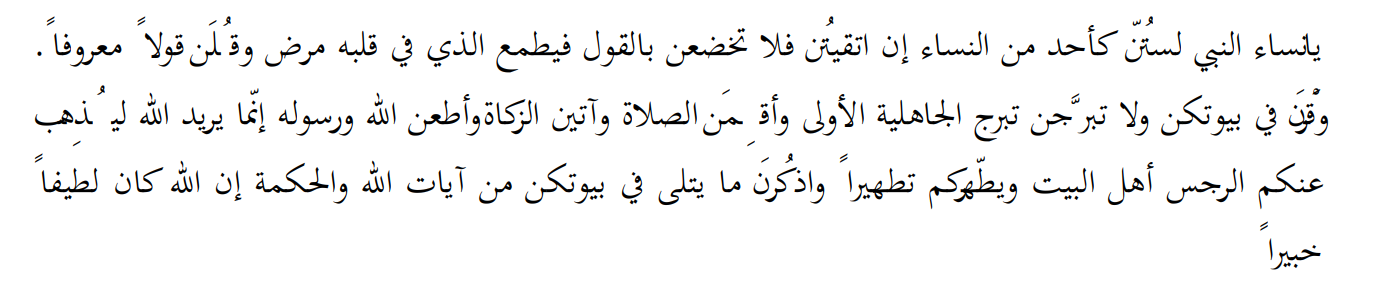
"হে নবীর স্ত্রীগণ, তোমরা অন্য নারীদের মতো নও। যদি তোমরা আল্লাহকে ভয় করো, তাহলে কথা বলার সময় কোমল সুরে কথা বলো না, যাতে যার অন্তরে ব্যাধি আছে সে লালসাগ্রস্ত হয়ে পড়ে; বরং ন্যায়সংগত কথা বলো। আর তোমরা নিজেদের ঘরে অবস্থান করো এবং জাহিলিয়াতের প্রথম যুগের মতো সাজসজ্জা প্রদর্শন করে বেড়িয়ো না। নামায কায়েম করো, যাকাত দাও এবং আল্লাহ ও তাঁর রাসূলের আনুগত্য করো। হে আহলে বাইত, আল্লাহ তো কেবল চান তোমাদের থেকে অপবিত্রতা দূর করতে এবং তোমাদেরকে সম্পূর্ণরূপে পবিত্র করতে। আর তোমাদের ঘরে আল্লাহর আয়াত ও হিকমতের যে সকল কথা তিলাওয়াত করা হয়, তা স্মরণ করো। নিশ্চয়ই আল্লাহ সূক্ষ্মদর্শী, সর্ববিষয়ে অবহিত।" [সূরা আল-আহযাব ৩৩:৩২-৩৪]
"O wives of the Prophet, you are not like any other woman. If you fear (Allah) then be not too complaisant of speech lest one in whose heart is a disease should be moved with desire but speak a speech (that is) just. And stay quietly in your houses and make not a dazzling display like that of the former times of ignorance, and establish prayer and give the zakat and obey Allah and His Messenger. Verily Allah only wishes to remove filth from you, O family of the house, and purify you completely. And remember what is recited in your homes of the signs of Allah and the Wisdom. Verily Allah is Courteous, All-Knowing" [TMQ 33:32-34].
এই আয়াতের সঙ্গে নিষ্পাপতার (ইসমাত) কোনো সম্পর্ক কোনোভাবেই নেই। তাঁর বাণী “তোমাদের থেকে অপবিত্রতা দূর করতে” থেকে এমন বোঝার কোনো উপায় নেই যে, তোমাদের নিষ্পাপ করা। বরং অপবিত্রতা দূর করা মানে সমস্ত ময়লা দূর করা, এবং এখানে অপবিত্রতা রূপক অর্থে ব্যবহৃত হয়েছে, অর্থাৎ সন্দেহ ও সংশয়। এই আয়াতের আগের দুটি আয়াতের বাক্যগুলোতেও এটি সুস্পষ্ট। সন্দেহ ও সংশয় থেকে পবিত্রতা বলতে এখানে সেটিই বোঝানো হয়েছে, কারণ “রিজস” (অপবিত্রতা) শব্দের অর্থ বাস্তব ময়লা, রূপক ময়লা এবং এমনকি শাস্তিও হতে পারে, যেমন কুরআনে এই অর্থগুলোতেই শব্দটি এসেছে। আল্লাহ (সুবহানাহু ওয়া তাআলা) বলেছেন:
There is no relationship between this ayah and infallibility in any way whatsoever. It is not possible to understand from His statement “to remove filth from you” i.e. to make you infallible. Rather the removing of filth is the removing of all dirt and the meaning here is metaphorical filth i.e. doubt and suspicion as is explicitly clear in the sentences before this sentence in the two ayat. The purification here is cleansing from doubt and suspicion because the meaning(s) of the word filth is material filth, metaphorical filth and even punishment as it has come in the Qur’an with these meanings. Allah (swt) said:
মূর্তিপূজার অপবিত্রতা থেকে দূরে থাকো। [TMQ 22:30]
"Avoid the filth of the idols" [TMQ 22:30]
এবং
And:
এভাবেই আল্লাহ যারা ঈমান আনে না তাদের উপর অপবিত্রতা আরোপ করেন। [তারাবির ৬:১২৫]
"Similarly does Allah ordain the filth upon those who do not believe" [TMQ 6:125].
এই দুই আয়াতে ময়লা (রিজস) বলতে রূপক অর্থের ময়লা বোঝানো হয়েছে। আর আল্লাহ (SWT) বলেছেন:
In these two ayat, filth is metaphorical filth. And Allah (swt) said:
অথবা শূকরের মাংস, কারণ নিশ্চয়ই তা অপবিত্র। [TMQ 22:30]
"Or the meat of pig for verily it is filth" [TMQ 22:30]
অর্থাৎ, নাপাকি (ritual impurity) মানে শারীরিক ময়লা। আর আল্লাহ (SWT) বলেন:
i.e. ritual impurity meaning physical filth. And Allah (swt) said:
এভাবে আল্লাহ যারা ঈমান আনে না তাদের উপর ক্রোধ স্থাপন করেন। [তাফসীরে মাআরেফুল কুরআন ৬:১২৫]
"Thus Allâh puts the wrath on those who believe not" [TMQ 6:125].
তাঁর এই বাণী "তোমাদের থেকে অপবিত্রতা দূর করতে" -এর অর্থ হলো রূপক অর্থে অপবিত্রতা, অর্থাৎ সন্দেহ দূর করা। আর তাঁর বাণী: "এবং তোমাদের সম্পূর্ণরূপে পবিত্র করতে" -এর ক্ষেত্রে, "ইয়ুতাহহিরাকুম" (তোমাদের পবিত্র করতে) শব্দটি এবং "তাতহীর" (পবিত্রকরণ) শব্দটি ভাষায়, কুরআনে বা হাদীসে কখনো নিষ্পাপতা অর্থে আসেনি। ভাষায় "তাহারা" (পবিত্র করা) অর্থ কোনো কিছু থেকে অপবিত্রতা দূর করা, আর নারী "তাহির" (পবিত্র) হয় ঋতুস্রাব থেকে এবং "তাহিরা" হয় অপবিত্রতা ও ত্রুটি থেকে, আর শরিয়তে "তাহারা" হলো হাদাস (অপবিত্রতা) দূর করা। নবী ﷺ বলেছেন:
So His statement in the ayah “to remove the filth from you” means to remove metaphorical filth i.e. suspicion. As for His saying: “And purify you completely” verily the word yutahirukum (to purify you) and the word purification never came with the meaning of infallibility, neither in the language, Qur’an or the Hadith. In the language, to purify (tahara) something purification (tatheera) means to remove impurity from it, and the woman is pure (tahir) from menstruation and (tahira) from impurity and defects, and (tahara) in the Shar’a is removing the (hadath). He (saw) said:
আল্লাহ পবিত্রতা (তুহূর) ছাড়া সালাত কবুল করেন না।
“Allah does not accept prayer without purity (tuhur)”
এবং কুরআনে এই অর্থে এসেছে। আল্লাহ (SWT) বলেন:
And it has come in the Qur’an with this meaning. Allah (swt) said:
"এবং তোমার পোশাক পবিত্র রাখো।" [TMQ 74:4]
"And purify your garment" [TMQ 74:4]
এবং
And:
"যাতে তা দ্বারা তোমরা পবিত্র হতে পারো" — এই পানি [TMQ 8:11]
"Water so that you may be purified by it" [TMQ 8:11]
এবং
And:
তারা পবিত্র না হওয়া পর্যন্ত তাদের কাছে যেয়ো না। [TMQ 2:222]
Do not approach them until they purify themselves [TMQ 2:222]
"তিনি তোমাদের বেছে নিয়েছেন এবং তোমাদের পবিত্র করেছেন" [TMQ 3:42
"Chose you and purified you" [TMQ 3:42
অর্থাৎ দোষত্রুটি থেকে এবং আরও।
i.e. from faults and also:
আর যদি তোমরা জুনুব (অপবিত্র) হও, তবে পবিত্র হয়ে নাও। [TMQ 5:6]
"And if you are (junub) then purify yourselves" [TMQ 5:6]
অর্থাৎ অপবিত্রতা থেকে। মুমিনদের পবিত্রতার বিষয়টিও তখন এসেছিল, যখন আল্লাহ (SWT) বললেন:
I.e from the impurity. The purification of the believers also came when Allah (swt) said:
আল্লাহ তোমাদের জন্য কোনো কষ্ট (হারাজ) চান না, বরং তিনি তোমাদের পবিত্র করতে চান এবং তোমাদের উপর তাঁর নিয়ামত পূর্ণ করতে চান। [তাফসীরে মাআরেফুল কুরআন ৫:৬]
"Allah does not wish to make difficulty (haraj) for you but rather He wishes to purify you and complete His blessing upon you" [TMQ 5:6].
এই সব লেখায় বলা হয়েছে যে আয়াতটির অর্থ হলো আল্লাহ (SWT) তাঁদের সন্দেহ ও সংশয় থেকে পবিত্র করেছেন, এবং এই কথা অস্বীকার করা হয়েছে যে এর অর্থ নিষ্পাপতা (ইসমত)। সুতরাং আয়াতটি নিষ্পাপতার প্রমাণ দেয় না।
All these texts specify that the meaning of the ayah is that Allah (swt) cleansed them from doubt and suspicion, and negates that its meaning is infallibility hence the ayah does not indicate infallibility.
অতএব কারও জন্য নিষ্পাপতার (ইসমত) পক্ষে কোনো শর্মী দলিল নেই; এর পক্ষে কেবল যৌক্তিক প্রমাণ রয়েছে। বিবেক এই দাবি করে যে, নবী ও রাসূলের ক্ষেত্রে বার্তা পৌঁছানোয় নিষ্পাপতা থাকতে হবে, কারণ তিনি নবী ও রাসূল হওয়ার কারণেই নিষ্পাপ হওয়া আবশ্যক; অন্যথায় তিনি নবী বা রাসূল হতে পারেন না। বিবেক আরও দাবি করে যে, আল্লাহ (সুবহানাহু ওয়া তাআলা) কর্তৃক প্রদত্ত কোনো বার্তা পৌঁছানোর দায়িত্ব যার ওপর অর্পিত নয়, তার নিষ্পাপ হওয়া অনুমোদিত নয়, কারণ সে একজন মানুষ, আর আল্লাহ (সুবহানাহু ওয়া তাআলা) তাকে যে প্রকৃতি (ফিতরাত) দিয়ে সৃষ্টি করেছেন, তাতে ভুল ও বিস্মৃতি ঘটা স্বাভাবিক। আর যতক্ষণ পর্যন্ত তাকে আল্লাহ (সুবহানাহু ওয়া তাআলা)-র পক্ষ থেকে বার্তার দায়িত্ব দেওয়া হয়নি, ততক্ষণ তার নিষ্পাপ হওয়াকে আবশ্যক করে এমন কিছু নেই। যদি দাবি করা হয় যে, তিনি নিষ্পাপ, তবে এর অর্থ হবে তিনি আল্লাহ-র পক্ষ থেকে এমন বার্তার দায়িত্বপ্রাপ্ত, যা অনুমোদিত নয়, কারণ মুহাম্মদ ﷺ-এর পরে আর কোনো নবী নেই। আল্লাহ (সুবহানাহু ওয়া তাআলা) বলেন:
Therefore there is no textual evidence for the existence of infallibility for anyone; there is only rational proof for it. The mind is what compels that there be infallibility in conveyance for the Prophet and Messenger as his being a Prophet and Messenger requires that he be infallible otherwise he cannot be a Prophet or Messenger. The mind is the one which compels that one not given the responsibility to convey a message from Allah (swt) is not allowed to be infallible as he is a human being, and his nature (fitra) with which Allah (swt) created him is that error and forgetfulness occur in him. And as long as he is not given responsibility with a message from Allah (swt), this means there is nothing which requires that he be infallible. If it is claimed that he is infallible, then this means that he is responsible with a message from Allah which is not permitted since there is no Prophet after Muhammad, the Messenger of Allah (saw). Allah (swt) said:
কিন্তু তিনি আল্লাহর রাসূল এবং নবীদের সমাপ্তকারী ﷺ। [তাফহীমুল কুরআন ৩৩:৪০]
" But he is the Messenger of Allah and seal of the Prophets" [TMQ 33:40].
ইসমত বা নিষ্পাপত্ব দাবি করা মানে রিসালাত দাবি করা, কারণ রাসূল হলেন আল্লাহর পক্ষ থেকে বার্তাবাহক, আর তাঁর মানবিক গুণাবলির কারণে আল্লাহর পক্ষ থেকে বার্তা পৌঁছানোর ক্ষেত্রে তাঁর মধ্যে ভুল ও বিভ্রান্তির সম্ভাবনা থাকে। আল্লাহর বার্তাকে ভুল ও পরিবর্তন থেকে রক্ষা করতে হলে রাসূলকে ভুল ও বিভ্রান্তি থেকে নিষ্পাপ হতে হবে। এ কারণেই ইসমত রাসূলের একটি গুণ, এবং একমাত্র তাঁরই এটি আবশ্যক। যদি এটি তাঁর ছাড়া অন্য কারও জন্য দাবি করা হয়, অথচ জানা থাকে যে এটি আবশ্যক হওয়ার একমাত্র কারণ হলো আল্লাহর পক্ষ থেকে বার্তা পৌঁছানো, তবে তা সেই ব্যক্তির জন্য ওই বিষয়কে দাবি করার সমতুল্য, যা ইসমত আবশ্যক করে, অর্থাৎ বার্তা পৌঁছানোর দায়িত্ব। ফলে এর অর্থ দাঁড়ায় যে তিনি আল্লাহ (সুবহানাহু ওয়া তাআলা)-র পক্ষ থেকে একটি বার্তা পৌঁছানোর দায়িত্বপ্রাপ্ত। অতএব খলিফার জন্য ইসমত আবশ্যক করা জায়েয নয়, কারণ তা আবশ্যক করলে এর অর্থ হবে তিনি আল্লাহ (সুবহানাহু ওয়া তাআলা)-র পক্ষ থেকে একটি বার্তা পৌঁছানোর দায়িত্বপ্রাপ্ত, ফলে তাঁর জন্য নিষ্পাপ হওয়াও আবশ্যক হয়ে পড়বে, আর এটি অনুমোদিত নয়।
Claiming infallibility means claiming Messengership since the Messenger is a conveyor from Allah, and there is within him due to his attributes as a human being the potential of error and misguidance in conveying from Allah, protecting the message of Allah from error and change in the conveyance requires that the Messenger be infallible from error and misguidance. For this reason alone, infallibility is an attribute of the Messenger and it alone requires infallibility. If it is claimed for anyone other than him while being known that the only matter requiring it is conveying the message from Allah then it is equivalent to claiming for this other person what requires infallibility and its cause i.e. conveying the message. Thus it would be claiming that he is responsible to convey a message from Allah (swt). Therefore it is not allowed to require infallibility for the Khalifah as requiring it means that he is responsible to convey a message from Allah (swt) thus requiring him to be infallible, and this is not permitted.
এতে স্পষ্ট হয় যে খলীফা একজন মানুষ, যিনি ভুল করতে পারেন বা সঠিক হতে পারেন, এবং তাঁর থেকে সেই সব বিষয় ঘটা সম্ভব যা যেকোনো মানুষের থেকে ঘটে থাকে—অবহেলা ও বিস্মৃতি, মিথ্যা, বিশ্বাসঘাতকতা, পাপ; কারণ তিনি একজন মানুষ, নবী বা রাসূল নন। রাসূলুল্লাহ ﷺ জানিয়েছেন যে ইমামের পক্ষে ভুল করা সম্ভব, এবং তিনি এও জানিয়েছেন যে তাঁর থেকে এমন কিছু ঘটতে পারে যার ফলে অবিচার, পাপ ইত্যাদির কারণে মানুষ তাঁকে ঘৃণা করবে ও অভিশাপ দেবে। তিনি এমনকি জানিয়েছেন যে তাঁর থেকে স্পষ্ট কুফরও প্রকাশ পেতে পারে। মুসলিম বর্ণনা করেছেন: যুহায়র ইবনু হারব আমার নিকট বর্ণনা করেছেন, তাঁর কাছে শাবাবা বর্ণনা করেছেন, তাঁর কাছে ওয়ারকা বর্ণনা করেছেন আবূ যিনাদ থেকে, তিনি আল-আ'রাজ থেকে, তিনি আবূ হুরায়রা থেকে, যিনি নবী ﷺ থেকে বর্ণনা করেন, তিনি বলেছেন:
This makes it clear that the Khalifah is a human being who can make a mistake or be correct, and it is allowed to occur from him what occurs from any human being of neglect and forgetfulness, falsehood, treachery, sins as he is a human being and not a Prophet or Messenger. The Messenger (saw) informed that it is possible for the Imam to err, and he informed that it may occur from him what may cause people the hate him and curse him due to injustice, sins etc. He even informed that clear disbelief may occur from him. Muslim narrated: Zuhayr bin Harb related to me that Shababa related to us that Warqa related to me from Aby Zayyad from Al- ‘Araj from Abu Hurayray from the Prophet (saw) who said:
নিশ্চয়ই ইমাম হলেন একটি ঢাল, যার পেছনে থেকে মানুষ যুদ্ধ করে এবং যার দ্বারা তারা সুরক্ষিত থাকে। তিনি যদি আল্লাহ 'আযযা ওয়া জাল্লা-র তাকওয়ার সাথে আদেশ দেন এবং ন্যায়বিচার করেন, তবে এর জন্য তাঁর প্রতিদান রয়েছে। আর যদি তিনি এর বাইরে আদেশ দেন, তবে তার বিরুদ্ধেও তেমনই (পাপ) বর্তাবে।
“Verily the Imam is a shield from behind whom they fight and by whom they are protected. If he commanded with the fear (taqwa) of Allah ‘azza wa jalla and does justice then there is reward for that for him. If he commands with other than that, then there is the same against him.”
এর অর্থ হলো, ইমাম মা'সূম (নিষ্পাপ) নন, এবং তাঁর পক্ষে আল্লাহর ভয় ছাড়া অন্য কিছুর আদেশ দেওয়া সম্ভব। মুসলিম আরও বর্ণনা করেছেন: উসমান ইবনু আবী শাইবা আমাদের কাছে বর্ণনা করেছেন, তিনি বলেন জারীর আমাদের কাছে বর্ণনা করেছেন, তিনি আল-আ'মাশ থেকে, তিনি যায়দ ইবনু ওয়াহহাব থেকে, তিনি আব্দুল্লাহ থেকে, যিনি বলেন: রাসূলুল্লাহ ﷺ বলেছেন:
This means that the Imam is not infallible and it is possible for him to command other than the fear of Allah. Muslim also narrated: Uthman bin Abi Sheeba related to us that Jareer related to us from Al-‘Amash from Zayd bin Wahhab from Abdullah who said: The Messenger of Allah (saw) said:
নিশ্চয়ই আমার পরে এমন কিছু স্বার্থপরতা ও বিষয় আসবে যা তোমরা অপছন্দ করবে। তারা বলল, হে আল্লাহর রাসূল ﷺ, যখন তা কারও কাছে এসে পৌঁছাবে তখন আপনি আমাদের কী করতে আদেশ করেন? তিনি বললেন, তোমাদের উপর যে অধিকার রয়েছে তা পূরণ করো, আর তোমাদের প্রাপ্য অধিকার আল্লাহর কাছে চাও।
“Verily there will be after me some improper preferences and matters which you will reject. They said: O Messenger of Allah, what would you command anyone of us when that reaches him? He said: Fulfill the rights due from you and ask Allah (for) what is due to you.”
মুসলিম বর্ণনা করেছেন: ইসহাক ইবনু ইবরাহীম আল-হানযালী আমাদের কাছে বর্ণনা করেছেন যে ঈসা ইবনু ইউনুস তাঁকে জানিয়েছেন যে আল-আওযাঈ তাঁদের কাছে বর্ণনা করেছেন যাইদ ইবনু ইয়াযীদ ইবনু জাবির থেকে, তিনি যারীক ইবনু হাইয়্যান থেকে, তিনি মুসলিম ইবনু কুরতা থেকে, তিনি আওফ ইবনু মালিক থেকে, যে আল্লাহর রাসূল ﷺ বলেছেন:
Muslim narrated: Ishaq bin Ibrahim Al-Handhalee related to us that Isa bin Yunus informed us that Al-Awza’i related to us from Zayd bin Yazid bin Jabir from Zareeq bin Hayyan from Muslim bin Qurta from ‘Awf bin Malik from the Messenger of Allah (saw) who said:
“তোমাদের শাসকদের মধ্যে সর্বোত্তম হলো তারা, যাদের তোমরা ভালোবাসো এবং যারা তোমাদের ভালোবাসে, যারা তোমাদের জন্য দোয়া করে এবং তোমরাও তাদের জন্য দোয়া করো। আর তোমাদের শাসকদের মধ্যে সবচেয়ে নিকৃষ্ট হলো তারা, যাদের তোমরা ঘৃণা করো এবং যারা তোমাদের ঘৃণা করে, যাদেরকে তোমরা অভিশাপ দাও এবং যারা তোমাদের অভিশাপ দেয়। (উপস্থিত লোকেরা) জিজ্ঞেস করা হলো: আমরা কি তলোয়ারের সাহায্যে তাদেরকে উৎখাত করব না? তিনি বললেন: না, যতক্ষণ পর্যন্ত তারা তোমাদের মধ্যে সালাত কায়েম রাখে। তোমরা যদি তাদের মধ্যে এমন কিছু দেখো যা ঘৃণ্য, তবে তাদের শাসন-পদ্ধতিকে ঘৃণা করো, কিন্তু তাদের আনুগত্য থেকে নিজেদেরকে সরিয়ে নিয়ো না।”
“The best of your rulers are those whom you love and who love you, who invoke God's blessings upon you and you invoke His blessings upon them. And the worst of your rulers are those whom you hate and who hate you and whom you curse and who curse you. It was asked (by those present): Shouldn't we overthrow them with the help of the sword? He said: No, as long as they establish prayer among you. If you then find anything detestable in them. You should hate their administration, but do not withdraw yourselves from their obedience.”
ইমাম বুখারী বর্ণনা করেছেন: “ইসমাঈল আমাদের কাছে বর্ণনা করেছেন, তিনি বলেন, ইবনু ওয়াহব আমার কাছে বর্ণনা করেছেন, আমর থেকে, তিনি বুকায়র থেকে, তিনি বুসর ইবনু সাঈদ থেকে, তিনি জুনাদা ইবনু আবী উমাইয়্যাহ থেকে, যিনি বলেন: আমরা উবাদাহ ইবনুস সামিতের কাছে প্রবেশ করলাম, যিনি অসুস্থ ছিলেন। আমরা বললাম: আল্লাহ আপনাকে সুস্থ করুন। আমাদের কাছে এমন একটি হাদীস বর্ণনা করুন, যা আপনি নবী ﷺ থেকে শুনেছেন, যার মাধ্যমে আল্লাহ আপনাকে উপকৃত করবেন। তিনি বললেন:
Al-Bukhari narrated: “Ismail related to us that Bin Wahhab related to me from Amru from Bukayr from Busr bin Said from Junada bin Abu Umayyah who said: We entered to ‘Ubadah bin As-Samit who was ill and we said: May Allah improve you. Relate to us a hadith which you heard from the Prophet by which Allah will help you. He said:
“নবী ﷺ আমাদের ডাকলেন, তখন আমরা তাঁর কাছে বাইআত (আনুগত্যের অঙ্গীকার) করলাম। তিনি যা আমাদের কাছ থেকে নিয়েছিলেন তা ছিল এই যে, আমরা যেন তাঁর কথা শুনি ও মানি—যা আমাদের পছন্দ হোক আর যা আমরা অপছন্দ করি, কঠিন সময়ে ও সহজ সময়ে, এবং যখন অন্যদেরকে আমাদের উপর অগ্রাধিকার দেওয়া হয়, আর আমরা শাসনক্ষমতার অধিকারীদের সাথে কর্তৃত্ব নিয়ে বিবাদ না করি। (তিনি বলেছেন): তবে যদি তোমরা এমন স্পষ্ট কুফর দেখো, যার পক্ষে আল্লাহর কাছ থেকে তোমাদের কাছে স্পষ্ট প্রমাণ (সুলতান) রয়েছে।”
“The Prophet (saw) called us so we gave him a pledge. So he said in what we took from us that we pledged him to hear and obey in what attracts us and what we hate, in hardship and ease, and when others are preferred over us and that we do not dispute the rule with those in authority (He said): Unless you see clear disbelief (kufr bawah) upon which you have from Allah a clear proof (sultan).”
এবং আয়েশা (রাঃ) থেকে বর্ণিত, তিনি বলেন: "রাসূলুল্লাহ ﷺ বলেছেন:
And from Aisha who said: “The Messenger of Allah (saw) said:
"যথাসম্ভব মুসলিমদের থেকে শাস্তির বিধান প্রতিহত করো; যদি তার কোনো পথ (মুক্তির) থাকে তবে তাকে তার পথে ছেড়ে দাও, কেননা ইমাম যদি ক্ষমা করতে গিয়ে ভুল করেন তা শাস্তি প্রয়োগে ভুল করার চেয়ে উত্তম।"
" Avert the legal penalties from the Muslims as much as possible, if he has a way out then leave him to his way, for if the Imam makes a mistake in forgiving it would be better than making mistake in punishment.”
তিরমিযী এই হাদীসটি বর্ণনা করেছেন, যা স্পষ্ট করে দেয় যে ইমাম ভুল করতে পারেন, ভুলে যেতে পারেন এবং পাপ করতে পারেন। তা সত্ত্বেও রাসূল (সা.) তাঁর আনুগত্য করতে আদেশ করেছেন, যতক্ষণ তিনি ইসলাম অনুযায়ী শাসন করেন, তাঁর থেকে সুস্পষ্ট কুফর প্রকাশ না পায় এবং তিনি পাপের আদেশ না দেন। রাসূল (সা.)-এর খুলাফাদের সম্পর্কে এমন সংবাদের পর, যে তাদের মধ্যে এমন কিছু থাকবে যা মুসলিমরা অপছন্দ করবে, তবুও তিনি আনুগত্যের আদেশ দিয়েছেন, তাহলে এরপর কি এই কথা বলার কোনো সুযোগ থাকে যে খলীফাকে অবশ্যই নিষ্পাপ হতে হবে এবং মানুষের জন্য যা বৈধ, তাঁর জন্য তা বৈধ নয়? এটি খলীফার প্রকৃত অবস্থা থেকেই উদ্ভূত, যেখানে নিষ্পাপ হওয়ার শর্ত নেই, বরং তাকে শর্ত করারও অনুমতি নেই। তবে যারা বলেছেন যে খলীফার নিষ্পাপ হওয়া আবশ্যক, তারা তাদের মতের পক্ষে কিছু প্রমাণ উপস্থাপন করেছেন, তাই আমাদের সেগুলো পরীক্ষা করে এর মধ্যে যা আছে তা স্পষ্ট করতে হবে। এই প্রমাণগুলো চারটি দলিলে সংক্ষিপ্ত করা যায়।
Tirmidhi narrated this hadith which is clear that the Imam can err, forget and sin. Despite that, the Messenger (saw) commanded to continue obeying him as long as he rules by Islam and clear disbelief has not occurred from him and he has not commanded with sin. After the news of the Messenger (saw) about the Khulafaa that there will be some which the Muslims will dislike yet he commanded obedience, is there after that any possibility of saying that the Khalifah must be infallible and that it is not permitted from him what is permitted from human beings? This is from the reality of the Khalifah in relation to the absence of the condition of infallibility, rather even the absence of permission to even make it a condition. However, those who said it is required that the Khalifah be infallible have presented evidences for their view, so we must examine and clarify what is within them. These evidences are summarised in four evidences:
১. ইমাম শরীয়ত সংরক্ষণ, তা প্রচার ও শিক্ষাদান, নাগরিকদের বিষয়াদি তত্ত্বাবধান, তাদের মধ্যে ন্যায়বিচার প্রতিষ্ঠা, নিপীড়িতদের সাহায্য, ইসলামী হুদুদ (নির্ধারিত শাস্তি) ও তা'যীর (বিচারকের বিবেচনাপ্রসূত শাস্তি) কার্যকর করা এবং ইসলামকে শরীয়তের বিধান অনুযায়ী বাস্তবায়ন করার ক্ষেত্রে রাসূলের স্থলাভিষিক্ত। তাই তার জীবনের শুরু থেকে শেষ পর্যন্ত ছোট-বড় সকল পাপ থেকে, তা ইচ্ছাকৃত হোক বা বিস্মৃতিবশত ঘটুক, মুক্ত ও নিষ্পাপ হওয়া অপরিহার্য।
1. The Imam stands in the position of the Messenger in preserving the Shari’ah , conveying and teaching it, supervising the citizens’ affairs, establishing justice among them, assisting the oppressed, establishing the mandatory Islamic punishments (hudood) and discretionary punishments (ta’zeer) and implementing Islam in the Shari’ah way. Therefore it is inevitable that he be infallible and pure from all evil, large or small, whether they occurred deliberately or through forgetfulness, from the beginning of his life to the end.
২. যদি ইমামের পক্ষ থেকে গুনাহ সম্ভব হয়, তবে তাকে গুনাহ ও ভুল থেকে বিরত রাখতে একজন নিষ্পাপ ইমামের প্রয়োজন হবে। আর যদি দ্বিতীয় ইমামের পক্ষেও ভুল করা ও গুনাহ করা অনুমোদিত হয়, তবে তাঁকে বিরত রাখতে আরেকজন নিষ্পাপ ইমামের প্রয়োজন হবে, এবং এভাবে চলতে থাকবে, যতক্ষণ না বিষয়টি এমন একজন নিষ্পাপ ইমামে গিয়ে শেষ হয়, যার পক্ষে গুনাহ বা ভুল করা সম্ভব নয়। অতএব একজন নিষ্পাপ ইমাম থাকা আবশ্যক।
"আমার প্রতিশ্রুতি অত্যাচারীদের অন্তর্ভুক্ত করে না" [TMQ 2:124]
"My promise does not include the oppressors" [TMQ 2:124]
আল্লাহ (SWT)-এর এই বাণী একজন নিষ্পাপ ইমামের আবশ্যকতার উপর প্রমাণ, যিনি শরীয়তের রক্ষাকর্তা। এই আয়াতটি সূরা আল-বাকারায় রয়েছে। আল্লাহ (SWT) বলেন:
The statement from Allah (swt) is an evidence upon the obligation of an infallible Imam who is a protector of Shari’ah. This ayah is in Surah Al-Baqarah. Allah (swt) said:
এবং স্মরণ করুন, যখন ইবরাহীমকে তাঁর প্রতিপালক কয়েকটি বাক্য দ্বারা পরীক্ষা করলেন, আর তিনি তা পূর্ণ করলেন। তিনি বললেন: আমি তোমাকে মানুষের জন্য ইমাম বানাব। তিনি বললেন: আর আমার বংশধরদের মধ্য থেকেও? তিনি বললেন: আমার প্রতিশ্রুতি জালিমদের পর্যন্ত পৌঁছাবে না।
"And when Ibrahim was tested by his Lord with certain words which he fulfilled. He said: I will make you an Imam for the people. He said: And of my offspring? He said: My promise will not reach the oppressors" [TMQ 2:124].
যে বাক্যগুলো তাঁকে ইমাম বানানোর কথা বলে, সেগুলোই এর পরের আয়াত দ্বারা অর্থ স্পষ্ট করে। যখন ইবরাহীম আল্লাহর এই উক্তি শুনলেন:
The words making him are those making him an Imam as the ayah coming after this ayah give sense to. When Ibrahim heard Allah’s statement:
"নিশ্চয়ই আমি তোমাকে মানুষের জন্য ইমাম বানাব।" [TMQ 2:124]
"Verily I will make you an Imam for the people" [TMQ 2:124]
আর তিনি এই সম্মানিত পদের মহত্ত্ব দেখেছিলেন; তিনি আশা করেছিলেন যে তাঁর বংশধরগণও এর একটি অংশ লাভ করবেন। তখন আল্লাহ (SWT) বললেন:
And saw the greatness of this honourable post; he hoped that his descendants would have a share of it. So Allah (swt) said:
"আমার প্রতিশ্রুতি অত্যাচারীদের পর্যন্ত পৌঁছায় না" [TMQ 2:124]।
"My promise does not reach the oppressors" [TMQ 2:124].
এর অর্থ হলো, এই পদ এমন কাউকে দেওয়া হবে না যে কলঙ্কিত, অথবা যে অন্যায়ে লিপ্ত হয়ে নিজেকে কলুষিত করবে। এই কথাটি এর চেয়েও ব্যাপক; এতে কেবল এটুকু বিবেচ্য নয় যে ব্যক্তিটি নিজের আত্মার প্রতি অথবা অন্যের প্রতি অন্যায় করেছে কি না, যদিও তা জীবনের কিছু সময়ের জন্যই হোক না কেন। বরং এই পদ তাকেই দেওয়া হবে যে তার জীবনে কোনো প্রকার অন্যায় করে না।
Its meaning is that this post will not be given to someone who is blemished or will become stained with injustice, which is more general than whether this one is unjust to his own soul or someone else even if only for a short time in his life. Rather it is given to someone who does not do any injustice in his life.
b) আল্লাহ (সুবহানাহু ওয়া তাআলা) বলেছেন:
b) Allah (swt) said:
"যে ব্যক্তি সত্যের পথ দেখায়, সে কি অধিক হকদার যে তাকে অনুসরণ করা হোক, নাকি সেই ব্যক্তি, যে নিজে পথ না পেলে পথ দেখাতে পারে না?" [TMQ 10:35].
"Is the one guided to the Truth of more right to be followed or the one who does not guide unless he is guided?" [TMQ 10:35].
এটি ইমামের নিষ্পাপতার (ইসমত) আবশ্যকতার একটি প্রমাণ। কারণ ইমাম সত্যের পথে পথনির্দেশ করেন, অথচ যার কাছ থেকে ভুল সম্ভব, সে সত্যের পথে পথনির্দেশ করতে পারে না, যদিও কখনো কখনো সে ঠিক কথায় পৌঁছে যেতে পারে।
This is an evidence for the obligation of the infallibility of the Imam as he guides to the truth, and the one from whom an error is possible does not guide to it though it may happen that he achieves the truth.
গ) আল্লাহ (সুবহানাহু ওয়া তাআলা) বলেছেন:
c) Allah (swt) said:
"আল্লাহর আনুগত্য করো, রাসূলের আনুগত্য করো এবং তোমাদের মধ্যে যারা কর্তৃত্বের অধিকারী তাদেরও।" [তাফসীরে মাআরিফুল কুরআন ৪:৫৯]
"Obey Allah and obey the Messenger and those in authority among you" [TMQ 4:59].
এই আয়াতটি ইমামের নিষ্পাপতার (ইসমত) প্রমাণ, কারণ আল্লাহ (SWT) উলুল আমরের আনুগত্য কোনো নির্দিষ্ট ব্যক্তি বা নির্দিষ্ট সময়ের সাথে সীমাবদ্ধ না করে সাধারণভাবে আবশ্যক করেছেন। এর দাবি হলো, যাঁর আনুগত্য করতে বলা হয়েছে তিনি নিষ্পাপ হতে হবে, কারণ যিনি ভুল ও পাপ করতে পারেন তিনি পাপ ও ভুলের নির্দেশও দিতে পারেন। যদি এমন অবস্থায় তাঁর আনুগত্য ওয়াজিব হয় যখন তাঁর কাজ নিষিদ্ধ, তাহলে এর অর্থ দাঁড়ায় যে, যিনি মহিমান্বিত তিনি দুটি বিপরীত বা পরস্পরবিরোধী বিষয়ের আদেশ দিয়েছেন, যা অসম্ভব। সুতরাং যাঁর আনুগত্য করা হবে তাঁকে অবশ্যই নিষ্পাপ হতে হবে। এ ছাড়াও, আল্লাহ (SWT) উলুল আমরের আনুগত্যকে রাসূলুল্লাহ ﷺ-এর আনুগত্যের সাথে যুক্ত করেছেন, আর রাসূলের আনুগত্য আল্লাহর আনুগত্যের সাথে যুক্ত, এবং এতে মর্যাদার বিষয় নিহিত। এখানে উলুল আমর বলতে নিষ্পাপ ইমামগণকে বোঝানো হয়েছে। যারা বলেন যে ইমামের নিষ্পাপ হওয়া শর্ত, এগুলোই তাঁদের প্রমাণ। এর প্রতিটির জবাব নিচে সংক্ষেপে দেওয়া হলো:
This ayah is an evidence for the infallibility of those in authority i.e. infallibility of the Imam, because Allah (swt) commanded the obedience of those in authority in an unrestricted manner without specifying the obedience for a specific or period. This requires that the obeyed one is infallible as a fallible one can command with sin and error. If his obedience was obliged while this is (his) situation though it is forbidden, this obliges that the Lord whose matter is glorified has commanded to combine two opposites or contradictory matters which is impossible. The obeyed one must be infallible. Also, Allah (swt) linked obedience to those in authority with obedience to the Messenger (saw) whose obedience is linked to His (swt) obedience which requires exaltation. Those meant in authority here are the infallible Imams. These are the evidences of those who say that it is a condition that the Imam be infallible. The response to each one of this is summarised in the following:
প্রথমত: খলীফা রাষ্ট্র পরিচালনায় শরীয়াহ বাস্তবায়নের মাধ্যমে রাসূল ﷺ-এর স্থলাভিষিক্ত হন, আল্লাহ (SWT) থেকে শরীয়াহ পৌঁছে দেওয়ার মাধ্যমে নয়; তিনি রাষ্ট্র পরিচালনায় রাসূল ﷺ-এর খলীফা, আল্লাহ (SWT) থেকে বার্তা পৌঁছে দেওয়ার ক্ষেত্রে নন। এর জন্য তাঁর নিষ্পাপ (মা'সূম) হওয়া আবশ্যক নয়, কারণ শাসনের পদ যুক্তিগতভাবেও এবং শরীয়াহর দৃষ্টিতেও নিষ্পাপতা দাবি করে না। সত্য যে, খলীফার জন্য কিছু গুণাবলি আবশ্যক, যথা: ইসলাম, পুরুষ হওয়া, স্বাধীন হওয়া (দাস না হওয়া), প্রাপ্তবয়স্ক হওয়া (অর্থাৎ বালেগ হওয়া), সুস্থ মস্তিষ্ক, ন্যায়পরায়ণতা (উদালাহ) এবং সামর্থ্য। এর প্রতিটি গুণ শরীয়াহ যে দলীল নিয়ে এসেছে তার ভিত্তিতে আবশ্যক করা হয়েছে। তবে এই শর্তগুলো আবশ্যক করার অর্থ এই নয় যে খলীফা এগুলোর বিপরীত কিছু করা থেকে নিষ্পাপ; বরং এর অর্থ হলো, এই পদে যিনি দায়িত্বপ্রাপ্ত, নিযুক্ত হওয়ার সময় তাঁর এই গুণাবলি থাকা বাধ্যতামূলক, এগুলো হারানো থেকে তিনি নিষ্পাপ, তা নয়। তিনি এগুলো হারাতে পারেন, যার ফলে তিনি হয় অপসারণের যোগ্য হন, অথবা খিলাফত ত্যাগ করেন (অর্থাৎ তিনি আর খলীফা থাকেন না)। খলীফার জন্য এই গুণাবলি আবশ্যক করা সাক্ষীর ক্ষেত্রে তার সাক্ষ্য গ্রহণযোগ্য হওয়ার জন্য তার মধ্যে ন্যায়পরায়ণতা আবশ্যক করার মতো; এর অর্থ এই নয় যে তাকে সেই গুণের বিপরীত কিছু করা থেকে নিষ্পাপ হতে হবে। অতএব, রাষ্ট্র পরিচালনায় রাসূল ﷺ-এর স্থানে খলীফার অবস্থান এটা প্রমাণ করে না যে তাঁকে অবশ্যই নিষ্পাপ হতে হবে। আর মুসলিমদের দ্বারা শরীয়াহ পৌঁছে দেওয়ার বিষয়ে বলা যায়, তা আল্লাহ (SWT) থেকে পৌঁছে দেওয়া নয়। বরং এটি হলো আল্লাহ (SWT) মুসলিমদের উপর যে দাওয়াহ মানবজাতির কাছে পৌঁছে দেওয়া, তাদেরকে ইসলামের চিন্তা ও এর বিধিবিধান শিক্ষা দেওয়ার দায়িত্ব অর্পণ করেছেন, তা পালন করা, এবং এর অর্থ কখনোই এর বাইরে কিছু হতে পারে না। এটি আল্লাহ (SWT) থেকে পৌঁছে দেওয়া নয়; বরং এটি সেই দায়িত্বসমূহের একটি, যা রাসূল ﷺ নিয়ে এসেছিলেন, এবং এটি রাসূল ﷺ-এর আল্লাহ (SWT) থেকে পৌঁছে দেওয়ার মতো নয়। অতএব এতে নিষ্পাপতা আবশ্যক হয় না; এটি পালন করা অন্যান্য শরীয়াহ দায়িত্ব পালনের মতোই। খলীফার উপর এটি তাঁর খলীফা হিসেবে বাধ্যতামূলক নয়; বরং এটি শরী'আহ জানেন এমন প্রতিটি মুসলিমের উপর বাধ্যতামূলক। খলীফাকে একজন মুসলিম হিসেবে শরী'আহ পৌঁছে দিতে আদেশ করা হয়েছে; তিনি যদি আলেম হন, তবে আলেম হিসেবে এটি করবেন, কারণ শরী'আহ সম্পর্কে যে জ্ঞান রাখে, তার জানা বিষয়গুলো পৌঁছে দেওয়া বাধ্যতামূলক। পৌঁছে দেওয়ার জন্য নিষ্পাপতা বাধ্যতামূলক নয়, এবং এটি তাদের জন্য শর্তও নয়। আর খলীফা হিসেবে তাঁর উপর যে ইসলামী দা'ওয়াহ বহন করা বাধ্যতামূলক, তা তাঁর উপর কর্তৃত্বের অধিকারী শাসক হিসেবে বাধ্যতামূলক। তাঁর উপর তা একটি নির্দিষ্ট পদ্ধতিতে বহন করা বাধ্যতামূলক, অর্থাৎ জিহাদের মাধ্যমে, যার জন্য নিষ্পাপতার প্রয়োজন হয় না। বরং এটি শর্ত করার কোনো অবকাশই নেই।
“নিশ্চয়ই তোমাদের উপর এমন শাসকদের নিয়োগ করা হবে, যাদের (কিছু কাজ) তোমরা চিনবে এবং (কিছু কাজ) অস্বীকার করবে। যে ব্যক্তি তাদের মধ্যকার মুনকার (অন্যায় কাজ) অপছন্দ করবে, সে দায়মুক্ত থাকবে, আর যে ব্যক্তি তা অস্বীকার করবে, সে নিরাপদ থাকবে; কিন্তু যে ব্যক্তি (তাতে) সন্তুষ্ট থাকবে এবং অনুসরণ করবে (সে দায়মুক্ত থাকবে না বা নিরাপদও থাকবে না)।” সাহাবিগণ বললেন, হে আল্লাহর রাসূল ﷺ, আমরা কি তাদের বিরুদ্ধে যুদ্ধ করব না? তিনি বললেন, না, যতক্ষণ তারা সালাত আদায় করবে।
“Verily there will be appointed rulers over you. You will recognise (some of what they do) and deny (some of what they do). Whoever dislikes (the munkar from them) will be guiltless, and whoever denies it will be safe; but whoever is pleased and follows (will not be guiltless or safe). They said: O Messenger of Allah, should we not fight them? He said: No, not as long as they prayed.”
এর মাধ্যমে শরীয়াহ সেই পদ্ধতি স্পষ্ট করেছে, যার দ্বারা খলীফাকে পাপ করা থেকে বিরত রাখা হবে। এটি কোনো ইমামের অস্তিত্বের মাধ্যমে হয় না, যিনি তাঁকে বিরত রাখবেন; বরং উম্মাহ-ই এ কাজ করে। যে ব্যক্তি বলে যে খলীফার পাপ থেকে বিরত থাকার জন্য আরেকজন খলীফার প্রয়োজন, সে "শাসন" (হুকুম) বলতে কী বোঝায় তা বোঝে না এবং এর প্রকৃত ধারণাও তার নেই। কারণ খলীফা আরেকজন খলীফাকে বিরত রাখে না; বরং সে শাসনক্ষমতার জন্য তার সঙ্গে যুদ্ধ করে। অথবা সে তার আনুগত্য করে, ফলে সে খলীফা না হয়ে গভর্নর বা ওয়ালী হয়ে যায়; কিংবা বিদ্রোহের কারণে তার সঙ্গে যুদ্ধ করে। তাহলে কীভাবে কল্পনা করা যায় যে একজন খলীফা আরেকজন খলীফাকে পাপ করা থেকে বিরত রাখছে?
Through this the Shar’a clarified the method to prevent the Khalifah form committing sins. It is not via the existence of an Imam who prevents him but rather the Ummah does that. The one who says that the Khalifah requires another Khalifah to prevent him from committing sins does not understand what ruling means and he does not have a vision of it because the Khalifah does not prevent another Khalifah but rather he fights him over for the rule. Or he follows him, thereby becoming a governor or Wali not the Khalifah, or he fights him for rebellion. So how can one imagine that a Khalifah prevents another Khalifah from committing sins?
তৃতীয়ত: ইমামাহ (ইমামত) কোনো ঐশ্বরিক পদ নয়, বরং একটি মানবিক পদ। এর অস্তিত্ব শরী'আতের বিধানকে রক্ষা করার জন্য নয়, বরং আল্লাহ (সুবহানাহু ওয়া তা'আলা) মুহাম্মাদ ﷺ-এর উপর যে শরী'আত নাযিল করেছেন, তা বাস্তবায়ন করার জন্য। আর শরী'আত সংরক্ষণের ব্যাপারে, নিশ্চয়ই আল্লাহ (সুবহানাহু ওয়া তা'আলা) তা রক্ষা করার দায়িত্ব নিয়েছেন, যেমন তিনি কুরআন রক্ষা করার দায়িত্ব নিয়েছেন। আল্লাহ (সুবহানাহু ওয়া তা'আলা) বলেন:
Thirdly: The Imamah is not a divine post but a human one. It does not exist to protect the Shari’ah rule but rather to implement the Shari’ah which Allah (swt) revealed to our master Muhammad (saw). As for the protection of the Shari’ah, verily Allah (swt) guarantees to protect it when He (swt) guarantees to protect the Qur’an. Allah (swt) said:
নিশ্চয়ই আমি এই উপদেশগ্রন্থ (যিকর) অবতীর্ণ করেছি এবং আমিই এর সংরক্ষক।
"Verily We revealed the Remembrance and We will be its protector" [TMQ 15:9].
খিলাফত প্রতিষ্ঠার উদ্দেশ্য এই নয় যে খলীফাকে এমনভাবে নিযুক্ত করা হয়েছে যে তিনি নবী (ﷺ)-এর আনীত সবকিছু রক্ষা করবেন, যার ফলে তাঁর জন্য সমস্ত বিধান জানা এবং সেগুলোর সবকটির রক্ষাকারী হওয়া আবশ্যক, এমন কথা বলা হয়। বরং খলীফা প্রতিষ্ঠার উদ্দেশ্য হলো কিতাব ও সুন্নাহর বিধানসমূহ প্রতিষ্ঠা করা, অর্থাৎ ইসলামকে বাস্তবায়ন করা এবং বিশ্বের কাছে তার দাওয়াত পৌঁছে দেওয়া। আর এর জন্য তাঁর কাছ থেকে সমস্ত বিধান জানা এবং সবগুলো রক্ষা করা দাবি করা হয় না। অতএব তাঁর নিষ্পাপ হওয়া শর্ত নয়, সুতরাং তাঁকে নিযুক্ত করা অবশ্যম্ভাবীভাবে সেই উদ্দেশ্যের বিপরীত হয় না, যার জন্য তাঁকে নিযুক্ত করা হয়েছে। আর মানুষ তাঁর প্রতি এমন আস্থা রাখবে যে তারা তাঁর কাছ থেকে গৃহীত সব বিধানকে বাস্তবে আল্লাহ (সুবহানাহু ওয়া তাআলা)-র বিধান হিসেবে গ্রহণ করবে, এবং এতে কোনো সন্দেহ থাকবে না যা সেগুলোর ওপর আমল ও অনুসরণে বাধা হয়ে দাঁড়ায়, তবে এই আস্থা খলীফার নিষ্পাপ বা পাপপ্রবণ হওয়ার কারণে আসে না। বরং তা আসে বিধানের নিজস্ব দলিল থেকে। যদি তা শরয়ী দলিল হয় এবং শরয়ী ইস্তিম্বাত (গবেষণালব্ধ সিদ্ধান্ত) দ্বারা প্রমাণিত হয়, তবে মানুষ বিশ্বাস করবে যে এই বিধানটি শরয়ী বিধান, এবং এই অবস্থায় তাদের মনে এমন কোনো সন্দেহ প্রবেশ করবে না যা তাদেরকে সেটির ওপর আমল ও অনুসরণ করতে বাধা দেয়, খলীফা কে তা দেখার প্রয়োজন ছাড়াই, এমনকি তিনি নিজে যদি সেই ইস্তিম্বাত থেকে ভিন্নমত পোষণ করেন তবুও। কারণ ইস্তিম্বাতে মতভেদ কোনো বিধানকে একজন মুজতাহিদের কাছে বৈধ এবং অন্যজনের কাছে অবৈধ করে না। বরং যতক্ষণ বিধানের স্বপক্ষে ইস্তিম্বাতকারীর সামনে শরয়ী দলিলসমূহের মধ্যে কোনো শুবহা দলিল (অস্পষ্ট দলিল) থাকে এবং ভাষা ও শরয়ী জ্ঞান অনুযায়ী এই ধরনের ইস্তিম্বাত করা সম্ভব হয়, ততক্ষণ তা সমস্ত মুসলিমের কাছে একটি শরয়ী বিধান। আর তাঁর পাপ ও ভুলের সম্ভাবনার কারণে তিনি পাপপ্রবণ হওয়ায় তাঁর ওপর আস্থার অভাব দেখা দেওয়া, এবং তিনি যে দিকে নিয়ে যান তা আল্লাহ (সুবহানাহু ওয়া তাআলা)-র বিধান কিনা এ নিয়ে নিশ্চিত না থাকা, এখানে বিষয়টি হলো বিধান ও শাসকের: অর্থাৎ যে বিধান দিয়ে তিনি শাসন করেন ও যে সিদ্ধান্তে পৌঁছান, এবং যে শাসক শাসন করেন ও পৌঁছান, এই দুইয়ের পার্থক্য। যে আস্থা কাম্য, তা এই নয় যে শাসক আল্লাহর (swt) বিধানে পৌঁছেছেন কি না, অথবা তিনি তা দিয়ে শাসন করেন কি না। বিবেচ্য শুধু সেই বিধান, যা দিয়ে তিনি শাসন করেন এবং গ্রহণ করেন, সেটি ইসলামী বিধান কি না। এটি সেই ব্যক্তির সাপেক্ষে নয় যিনি তা প্রদান করেন, অর্থাৎ তিনি নিষ্পাপ কি না। যা মানুষকে বিধানের প্রতি এমনভাবে নিঃশর্ত আস্থাশীল করে তোলে যে তাতে সন্দেহ প্রবেশ করতে পারে না, যা তাদেরকে সেটির উপর আমল করা বা তা অনুসরণ করা থেকে বিরত রাখত, তা হলো বিধানটি নিজে বৈধ কি না, সেই বিষয়ে তাদের বিবেচনা। এটি নির্ভর করে না সেই খলীফার উপর, যার কাছ থেকে তারা বিধান গ্রহণ করছে, তিনি নিষ্পাপ কি না তার উপর।
The objective in establishing the Khalifah is not that he is appointed to protect all that the Prophet (saw) came with such that it is said that it is obligatory for him to know all the rules and be a protector for all of them. Rather the objective in establishing him is to establish the rules of the Book and Sunnah i.e. to implement Islam and carry its da’wah to the world which does not require from him to know all the rules and protect all of them. Therefore it is not required for him to be infallible so accordingly appointing him does not neccesarily mean contradicting the objective for which he was appointed. As for the people’s trust in him such that they take all rules from him as the rules of Allah (swt) in reality without any doubt which prevents acting upon and following them, this does not come from the Khalifah being infallible or fallible. Rather it comes from the evidence of the rule itself; if it is a Shari’ah evidence and has been deduced by a Shari’ah deduction, the people will trust that this rule is a Shari’ah rule and no doubt will enter into them in this situation preventing them from acting upon and following it without looking to who the Khalifah is, even if he himself differs from the rule they deduced. This is because a difference of opinion in deduction does not make a rule legitimate before a mujtahid and illegitimate before another. Rather it is a Shari’ah rule before all Muslims as long as there is (even) obscure evidence (shubha daleel) from the Shari’ah evidence before the deducer of the rule and it is possible according to the linguistic and Shari’ah knowledge's that one can deduce this type of deduction. As for his being fallible due to the possibility of sin and error upon him leading to lack of trust in him, and that one is not definite that what he leads to is the law of Allah (swt), the issue here is one of the rule and the ruler i.e. the rule he rules by and arrives at and the ruler who rules and arrives at. The trust sought is not whether the ruler arrives at Allah’s (swt) law or whether he rules by it or not. The consideration is only in the rule which he rules by and adopts in relation to it being an Islamic law or not. It is not in relation to the person who gives it as to whether he is infallible or not. That which makes the people implicitly trust the rule so as to prevent doubt entering into it which would prevent them from acting upon or following it is their consideration of the rule itself as to whether it is legitimate or not. It does not depend on whether the Khalifah from whom they take the rule is infallible or not.
"আমার প্রতিশ্রুতি অত্যাচারীদের পর্যন্ত পৌঁছায় না" [TMQ 2:124],
"My promise does not cover the oppressors" [TMQ 2:124],
এখানে ইমাম শব্দটির অর্থ খিলাফত বা শাসনক্ষমতা নয়। ইমাম শব্দটি মহিমান্বিত কুরআনের অনেক আয়াতে এসেছে। আল্লাহ (সুব্হানাহু ওয়া তা'আলা) বলেন:
The word Imam therein does not mean the Khilafah or the rule. The word Imam came in the Glorious Qur'an in many ayat. Allah (swt) said:
এবং এর আগে ছিল মূসার কিতাব, যা ছিল পথপ্রদর্শক ও রহমত। [TMQ 11:17]
"And before him the book of Musa (as an) Imam and mercy" [TMQ 11:17]
এবং
And:
এবং যারা বলে, "হে আমাদের প্রতিপালক, আমাদের স্ত্রী ও আমাদের সন্তানদের থেকে আমাদের চোখের শীতলতা দান করুন, এবং আমাদেরকে মুত্তাকীদের ইমাম বানান।" [তাফসীরুল কুরআন মাজীদ ২৫:৭৪]
"And those who say: O our Lord, grant for us from our wives and our offspring the comfort of our eyes and make us Imams for the pious" [TMQ 25:74].
ইমাম আল-বুখারী বলেছেন: "আল্লাহ তা'আলার বাণী (সুবহানাহু ওয়া তা'আলা):
The meaning of the word Imam in these two ayat is a guide. Imam Al-Bukhari said: “The statement of Allah (swt):
"এবং আমাদেরকে মুত্তাকীদের ইমাম বানাও" [সূরা আল-ফুরকান ২৫:৭৪]।
"And make us Imams for the pious" [TMQ 25:74].
তিনি বললেন: "নেতা (ইমাম), যারা আমাদের আগে ছিলেন তাদের অনুসরণ করেন এবং যারা আমাদের পরে আসবেন তারা তাদের অনুসরণ করেন।" আল্লাহর বাণীতে "ইমাম" শব্দটি:
He said: Leaders who follow those before us and are followed by those after us.” The word Imam in Allah’s statement:
এবং স্মরণ করো, যখন ইবরাহীমকে তাঁর প্রতিপালক কিছু বাক্য দ্বারা পরীক্ষা করেছিলেন, আর তিনি তা পূর্ণ করেছিলেন। তিনি বললেন: "আমি তোমাকে মানুষের নেতা বানাব।" তিনি বললেন: "আর আমার বংশধরদের মধ্য থেকেও?" তিনি বললেন: "আমার অঙ্গীকার জালিমদের পর্যন্ত পৌঁছায় না।"
"And when Ibrahim was tested by his Lord with some words which he fulfilled. He said: I make you an Imam for the people. He said: And my descendants? He said: My promise does not cover the oppressors" [TMQ 2:124 ].
অর্থ হলো নবুওয়াত ও আদর্শ, কারণ এর পরের আয়াতগুলো কা'বা, ইসমাঈলের বংশধর এবং ইবরাহীমকে নবুওয়াত প্রদানের বিষয়ে আলোচনা করে। সুতরাং অর্থ দাঁড়ায়: "আমি তোমাকে এমন ইমাম বানিয়েছি যাকে মানুষ অনুসরণ করে, এবং এমন নবী বানিয়েছি যাকে মানুষ অনুসরণ করে।" এখানে "ইমাম" শব্দের অর্থ খিলাফত বা শাসনক্ষমতা হওয়া সম্ভব নয়, বিশেষ করে যেহেতু ইবরাহীম (আ.) কখনো শাসনক্ষমতার অধিকারী ছিলেন না এবং তিনি শাসক ছিলেন না, বরং ছিলেন একজন নবী ও রাসূল। সুতরাং আল্লাহ (সুবহানাহু ওয়া তাআলা) তাঁকে বলেছেন যে এই পদ, অর্থাৎ আদর্শ ও নবুওয়াত, যালিমদের জন্য নয়, যখন তিনি আল্লাহর কাছে আবেদন করেছিলেন যেন তাঁর বংশধরদের জন্যও তা নির্ধারণ করা হয় যা তাঁর জন্য নির্ধারণ করা হয়েছে। অতএব এই আয়াতে খলীফার ইসমাত (নিষ্পাপতা) প্রমাণের কোনো দলিল নেই। তদুপরি, "যালিম" শব্দের বিপরীত অর্থ হলো বিশ্বস্ত, নিষ্পাপ ব্যক্তি নয়। সুতরাং "যারা যালিম নয়" বলতে এটি বোঝায় না যে তারা নিষ্পাপ; বরং এর অর্থ হলো যারা অত্যাচারের অনুপস্থিতি দ্বারা চিহ্নিত, যা হলো ন্যায়বিচার। আর দ্বিতীয় দলিল, যে আয়াতটি রয়েছে:
The meaning here is Prophethood and example as the ayat which are after it discuss about the Ka’abah, the people of Ismail then the granting of Prophethood to Ibrahim so the meaning becomes: We made you an Imam whom the people imitate and a Prophet whom people follow. It is not possible that the word Imam here means the Khilafah or rule, especially since Ibrahim was never in charge of the rule nor was he a ruler but was a Prophet and Messenger. So Allah (swt) said to him that this post which is the example and Prophethood is not for oppressors when he requested from Him (swt) to ordain for his descendants what He ordained for him. So there is no evidence in the ayah for the infallibility of the Khalifah. Moreover, the opposite meaning for the word oppressors is trustworthy not infallible persons. So those who are not oppressors does not mean that they are infallible; rather it means those who are characterised with the absence of oppression which is justice. As for the second text which is the ayah:
"সত্যের পথে যিনি পথ দেখান" [সূরা ইউনুস ১০:৩৫],
"Is the one guided to the Truth" [TMQ 10:35],
এর অর্থ এবং আল্লাহ (সুবহানাহু ওয়া তাআলা) ভালো জানেন: যে ব্যক্তি হিদায়াতের অনুসরণ করে, অর্থাৎ রাসূল (সুবহানাহু ওয়া তাআলা), তিনি কি অধিক উপযুক্ত যে তাঁকে অনুসরণ করা হোক, নাকি সেই ব্যক্তি যে নিজে পথ পায় না যতক্ষণ না অন্য কেউ তাকে পথ দেখায়? পুরো বিষয়টিই হিদায়াত ও পথপ্রদর্শকের অনুসরণ নিয়ে, এর সঙ্গে শাসন বা খিলাফতের কোনো সম্পর্ক নেই। ইমাম মানুষের উপর শাসন করেন, এবং তাঁর দায়িত্ব শাসন, হিদায়াত নয়; তিনি পথভ্রষ্ট ও অবাধ্য ব্যক্তিদের শাস্তি দেন এবং কাফিরদের বিরুদ্ধে যুদ্ধ করেন। এখানে "পথপ্রদর্শক" শব্দটি কেবল রাসূল ﷺ-এর ক্ষেত্রেই ব্যবহৃত হয়েছে। এই অর্থ খলীফার উপর প্রযোজ্য নয়, এবং এই আয়াতের সঙ্গে খলীফার নিষ্পাপতার (ইসমত) কোনো সম্পর্ক নেই। শাসন কি হিদায়াত, নাকি শরী'আহ বাস্তবায়ন?
Its meaning and Allah (swt) knows best is: Is the one who is following the guidance i.e. the Messenger (swt) more worthy to be followed or the one who is misguided nor does he guide except if another guides him. The whole subject is guidance and following the guide, and it has no relationship with the rule or Khilafah. The Imam rules the people and his duty is ruling not guidance; he punishes the misguided and disobedient persons, and fights the disbelievers. The word guide is not used here except for the Messenger. The meaning does not apply upon the Khalifah, and there is no relationship between this ayah and Khalifah’s infallibility. Is the rule guidance or the implementation of the Shari’ah ?
I haven't received the third text yet. Could you paste the ayah (verse) you'd like me to translate into Bengali? Once you share it, I'll translate it.
As for the third text which is the ayah:
"আল্লাহর আনুগত্য করো, রাসূলের আনুগত্য করো এবং তোমাদের মধ্যে যারা কর্তৃত্বের অধিকারী তাদেরও।" [তাফসীরে মা'আরেফুল কুরআন ৪:৫৯]
"Obey Allah and obey the Messenger and those in authority among you" [TMQ 4:59],
এটি শাসকদের আনুগত্যের আদেশ, এবং একে আল্লাহর (সুবহানাহু ওয়া তাআলা) আনুগত্য ও রাসূলের ﷺ আনুগত্যের সঙ্গে যুক্ত করা হয়েছে। এটি প্রমাণ করে যে তাদের আনুগত্যের বিধান আল্লাহর (সুবহানাহু ওয়া তাআলা) আনুগত্য ও রাসূলের ﷺ আনুগত্যের বিধানের মতোই, এর বাইরে কিছু নয়। এটি সাধারণভাবে আয়াতের ভেতরে প্রয়োগ হয়েছে; তবে অন্যান্য আয়াত ও অসংখ্য হাদিস দ্বারা এর ব্যাখ্যা বা সীমাবদ্ধতা এসেছে। যেসব আয়াত ও হাদিস পাপ ছাড়া অন্য বিষয়ে এবং কুফর ছাড়া অন্য বিষয়ে আনুগত্যের সঙ্গে সম্পর্কিত, সেগুলো দ্বারা এর সীমা নির্ধারণ করা হয়েছে; এবং বিষয়টি সেখানেই থেমে থাকেনি, বরং ইমামের বিরুদ্ধে যুদ্ধ করার নির্দেশও দেওয়া হয়েছে। সীমাবদ্ধতাকারী এই আয়াত ও হাদিসসমূহ এ বিষয়ে সুস্পষ্ট। আল্লাহ (সুবহানাহু ওয়া তাআলা) বলেন:
It is the command to obey those in authority, and linking this with obedience to Allah (swt) and obedience to the Messenger (saw). It is evidence that its rule is like the rule of obeying Him (swt) and obeying the Messenger (saw), nothing else. It came in practice generally within the ayah; it is, however, specified by other ayat and numerous ahadith. It was specified by those ayat and ahadith related to obedience in other than sin and other than disbelief; and it did not stop there but rather commanded fighting the Imam. The specifying ayat and ahadith are explicit upon this. Allah (swt) said:
"যার অন্তরকে আমি আমার স্মরণ থেকে গাফিল করে দিয়েছি, তুমি তার আনুগত্য কোরো না।" [TMQ 18:28]
"Do not obey the one whose heart we have made forget our remembrance" [TMQ 18:28]
এবং
And:
কাফিরদের আনুগত্য করো না [TMQ 25:52]
"Do not obey the disbelievers" [TMQ 25:52]
এবং
And:
মিথ্যাবাদীদের আনুগত্য করো না [TMQ 68:8]
"Do not obey the liars" [TMQ 68:8]
এবং
And:
"প্রত্যেক হীন শপথকারীর আনুগত্য করো না।" [TMQ 68:10]
"Do not obey each despicable swearer" [TMQ 68:10]
এবং
And:
তাদের মধ্যে কোনো পাপী বা কাফিরের আনুগত্য করো না। [TMQ 76:24]
"Do not obey among them the sinful or the disbeliever" [TMQ 76:24]
রাসূল (সা.)-কে সম্বোধন করে বলা কথা তাঁর উম্মতের প্রতিও সম্বোধন, যতক্ষণ না এমন কোনো প্রমাণ আসে যে তা বিশেষভাবে তাঁর জন্য এবং তাঁর বিশেষত্বসমূহের অন্তর্ভুক্ত। এখানে এমন কোনো প্রমাণ আসেনি যে তা বিশেষভাবে তাঁর জন্য, সুতরাং এটি তাঁর উম্মতের প্রতি সম্বোধন। ইমাম বুখারী নাফি' থেকে, তিনি আব্দুল্লাহ (রা.) থেকে, তিনি নবী (সা.) থেকে বর্ণনা করেছেন, যে তিনি বলেছেন:
The speech to the Messenger (saw) is the speech to his Ummah as long as there came no evidence that it is specific for him and among his specificities; no evidence came here that it is specific for him so it is a speech to his Ummah. Al-Bukhari narrated from Nafi’ from Abdullah (ra) from the Prophet (saw) who said:
মুসলিম ব্যক্তির জন্য তার পছন্দ ও অপছন্দের বিষয়ে শোনা ও আনুগত্য করা আবশ্যক, তবে তাকে যদি কোনো পাপের আদেশ দেওয়া হয় তবে ভিন্ন কথা। কাউকে যদি পাপের আদেশ দেওয়া হয়, তাহলে সেখানে শোনা ও আনুগত্য করার কিছু নেই।
“To hear and to obey is obligatory upon the Muslim person in what he likes and dislikes except if he is commanded with a sin. If he is commanded with a sin, there is no hearing or obedience.”
আর তিনি (সা.) বলেছেন খলীফা ও শাসকদের আনুগত্যের বিষয়ে, যেমন মুসলিম বর্ণনা করেছেন:
And he (saw) said in the matter of obeying the Khalifahs and leaders according to what Muslim narrated:
তারা বলল: আমরা কি তাদের সাথে যুদ্ধ করব না? তিনি বললেন: যতক্ষণ তারা সালাত আদায় করে, ততক্ষণ নয়।
“They said: Should we not fight them? He said: Not as long as they prayed.”
তিনি আরও বর্ণনা করেছেন:
He also narrated:
“বলা হলো: হে আল্লাহর রাসূল ﷺ, আমরা কি তাদের বিরুদ্ধে তরবারি দিয়ে মোকাবিলা করব না? তিনি বললেন: না, যতক্ষণ না তারা তোমাদের মধ্যে সালাত কায়েম করে।” এবং: “…তবে যদি তোমরা স্পষ্ট কুফর দেখো।”
“It was said: O Messenger of Allah, should we not confront them with the sword? He said: Not as long as they establish the prayer over you?” and: “…except if you see clear disbelief.”
এবং আল-বুখারী ও মুসলিম বর্ণনা করেছেন:
And Al-Bukhari and Muslim narrated:
“যে ব্যক্তি অপছন্দ করল (সে দায়মুক্ত), আর যে প্রত্যাখ্যান করল (সে নিরাপদ), কিন্তু যে অনুসরণ করল (সে না দায়মুক্ত, না নিরাপদ)।” (মুসলিম কর্তৃক বর্ণিত)
“Whoever dislikes (then he) is guiltless and whoever rejects (then he) is safe, but whoever follows (is neither guiltless nor safe)” (Reported by Muslim)
এই আয়াত ও হাদীসসমূহ খলীফার আনুগত্যকে পাপ ও কুফর ব্যতীত অন্য বিষয়ে নির্দিষ্ট করে। অতএব এই কথা আসে না যে, ভুলপ্রবণ ব্যক্তি পাপ ও ভুলের নির্দেশ দিতে পারে, যার ফলে তার আনুগত্য আবশ্যক হলে তা অনিবার্যভাবে এই অর্থ বহন করবে যে, আল্লাহ (সুব) খলীফার আনুগত্যের আদেশ দিয়ে এবং পাপ থেকে নিষেধ করে পরস্পরবিরোধী দুটি বিষয়কে একত্র করেছেন। এই কথা আসে না, কারণ পরস্পরবিরোধী দুটি বিষয়ের একত্রীকরণ সেখানে নেই; তিনি (সুব) পাপ ও কুফর ব্যতীত অন্য বিষয়ে আনুগত্যের আদেশ দেন, পাপ ও কুফরের ক্ষেত্রে আনুগত্য না করার আদেশ দেন, এবং পাপ নিষিদ্ধ করেন। সুতরাং এই বিষয়ে আল্লাহ (সুব)-এর আদেশসমূহের মধ্যে কোনো বিরোধ নেই। এতে স্পষ্ট হয় যে, এই আয়াতটি নিষ্পাপতার (ইস্মত) আবশ্যকতার প্রমাণ হিসেবে উপযুক্ত নয়, এবং এর মাধ্যমে এমন অনুমান ব্যর্থ হয়ে যায়।
These ayat and ahadith specify the obedience to the Khalifah for other than sin or disbelief. Therefore the statement does not come that the fallible can command with sin and error such that if his obedience is obliged this would necessarily mean that Allah (swt) has commanded the joining between two contradictory matters by commanding obedience to the Khalifah and prohibiting sins. This statement does not come because there does not exist the joining between two contradictory matters as He commands obedience in other that sin and disbelief, commands with non-obedience in sin and disbelief, and commands the prohibition of sins. So there is no contradiction in His commands (swt) in this issue. This clarifies that this ayah is not suitable as evidence upon the requirement of infallibility so such deduction by it fails.
এগুলো হলো যারা (খলিফার) নিষ্পাপ হওয়া আবশ্যক বলেন, তাদের দলিলসমূহ। এদের প্রত্যেকটিই ইস্তিদলালের স্তর থেকে পতিত হয়েছে এবং দলিল হিসেবে উপযুক্ত নয়। অতএব এ থেকে স্পষ্ট হয় যে, খলিফার নিষ্পাপ হওয়া আবশ্যক নয়; বরং এটি আবশ্যক করা জায়েজ নয়, এবং খিলাফত একটি মানবিক পদ, ঐশ্বরিক নয়। সুতরাং ইসলামী রাষ্ট্র একটি মানবিক রাষ্ট্র, ধর্মতান্ত্রিক (Theocratic) রাষ্ট্র নয়।
These are the evidences of those stating (the requirement) of infallibility. Each one of them has fallen from the rank of deduction and is not suitable as proof. Therefore from this it is clarified that it is not required from the Khalifah that he be infallible rather it is not allowed to entail this and that the Khilafah is a human post not a divine one. Thus the Islamic State is a human state and not a Theocratic state.