২.১৩ নবী ও রাসূলগণ
2.13 The Prophets And Messengers
‘নবী’ (nabi) ও ‘রাসূল’ (rasul) দুটি বিপরীতধর্মী শব্দ হলেও উভয়ের মধ্যে একটি সাদৃশ্য রয়েছে যে, উভয়ের প্রতিই শরিয়ত অবতীর্ণ হয়। রাসূল ও নবীর মধ্যে পার্থক্য হলো, রাসূলের প্রতি এমন একটি শরিয়ত ওহি হিসেবে প্রেরিত হয় যা প্রচার করতে তিনি আদিষ্ট হন, পক্ষান্তরে নবীও ওহিপ্রাপ্ত হন, কিন্তু তাঁকে রাসূলদের শরিয়ত প্রচারের নির্দেশ দেওয়া হয়। অন্য কথায়, রাসূলকে নিজের শরিয়ত প্রচার করতে আদেশ দেওয়া হয়, আর নবী রাসূলদের শরিয়ত প্রচার করেন।
‘Prophet’ (nabi) and ‘Messenger’ (rasul) are two contrastive terms but they share in the respect that a shari’a is revelaed to both of them. The difference between the Messenger and the prophet is that the former is inspired with a Sharī’ah which he is commanded to propagate, whereas the latter, i.e. the prophet is also inspired, but commanded to propagate the Sharī’ah of the messengers. In other words, the messenger is commanded to propagate the Sharī’ah himself, whilst the prophet propagates the Sharī’ah of the messengers.
কাযী আল-বাইদাবী, আল্লাহর এই বাণীর তাফসীরে:
Qadi al-Baydawi in commentary of the saying of Allah ,
আর আমি তোমার পূর্বে কোনো রাসূল বা নবী পাঠাইনি, যখন সে কিছু আকাঙ্ক্ষা করেছে, তখন শয়তান তার আকাঙ্ক্ষায় (প্রতিবন্ধক) নিক্ষেপ করেছে।
"Never did we send an apostle or a prophet before thee, but, when he framed a desire" [TMQ Hajj: 52];
বলা হয়েছে, ‘রাসূল হলেন এমন ব্যক্তি যাকে আল্লাহ একটি নতুন বা পুনরুজ্জীবিত শরী‘আহ দিয়ে পাঠান, যার দিকে তিনি মানুষকে আহ্বান করেন। অপরদিকে নবী হলেন এমন ব্যক্তি যাকে আল্লাহ পূর্ববর্তী শরী‘আহকে সমর্থন ও প্রতিষ্ঠিত করার জন্য পাঠান।’ সুতরাং মূসা ﷺ একজন নবী ছিলেন, কারণ তাঁর উপর একটি শরী‘আহ ওহী হিসেবে অবতীর্ণ হয়েছিল, এবং একজন রাসূল ছিলেন, কারণ এই শরী‘আহ তাঁর মিশনের জন্য ছিল। অন্যদিকে, হারূন ﷺ-ও একজন নবী ছিলেন, কারণ তাঁর উপরও একটি শরী‘আহ ওহী হিসেবে অবতীর্ণ হয়েছিল, কিন্তু তিনি রাসূল ছিলেন না, কারণ তাঁর উপর যে শরী‘আহ অবতীর্ণ হয়েছিল তা তাঁর নিজের মিশনের জন্য ছিল না, বরং তা ছিল মূসা ﷺ-এর মিশনের জন্য। একইভাবে, মুহাম্মাদ ﷺ একজন নবী ও রাসূল উভয়ই ছিলেন, কারণ তাঁর উপর একটি শরী‘আহ ওহী হিসেবে অবতীর্ণ হয়েছিল, যা ছিল তাঁর মিশনের জন্য।
Says, ‘The messenger is sent by Allah with a revived or new Sharī’ah which he calls people to, whereas the prophet is sent by Allah to affirm the former Sharī’ah.’ Thus, Musa was a prophet because he was inspired with a Sharī’ah and a messenger because this Sharī’ah was for his mission. On the other hand, although Aaron was also a prophet because he was inspired with a Sharī’ah, he was not a messenger because the Sharī’ah, which was revealed to him was not for his mission, rather it was for the mission of Musa . By the same token, Muhammad was a prophet and a messenger because he was inspired with a Sharī’ah, which was for his mission.
রিসালাত হলো আল্লাহ ও বান্দাদের মধ্যে মধ্যস্থতা, যার উদ্দেশ্য দুনিয়া ও আখিরাতের প্রয়োজন পূরণের পদ্ধতি ব্যাখ্যা ও স্পষ্ট করা। প্রজ্ঞার দাবি হলো রাসূল প্রেরণ করা, কারণ তাঁরা মানুষের জন্য বিধান ও কল্যাণ নিয়ে আসেন।
The message is the mediation between Allah and the slaves in order to explain and clarify the method of satisfying the needs of this world and the hereafter. Wisdom necessitates the sending of messengers as they bring laws and benefits for people.
সুতরাং, রাসূল প্রেরণ বাস্তবেই ঘটেছে। আল্লাহ মানুষের মধ্য থেকে রাসূলগণকে মনোনীত করেছেন এবং তাদেরকে ঈমানদার ও অনুগতদের জন্য জান্নাত ও প্রতিদানের সুসংবাদদাতারূপে প্রেরণ করেছেন। আর তারা কাফির ও অবাধ্যদের জন্য জাহান্নামের আগুন ও শাস্তির সতর্ককারী ছিলেন এবং মানুষের জন্য এই দুনিয়া ও আখিরাতের প্রয়োজন ও দাবিসমূহ স্পষ্টভাবে বর্ণনা করেছেন। এর কারণ, মানুষের বিবেক একদিকে ভাল-মন্দ নির্ধারণ করতে অক্ষম, অন্যদিকে মানুষ নিজে এবং তার বিষয়াদি উপলব্ধি করতেও অসমর্থ।
Thus, the sending of Messengers has actually occurred. Allah appointed messengers from amongst mankind and sent them as bearers of glad tidings of paradise and reward to the people of belief and obedience. They were warners of the hell fire and punishment to people of disbelief and disobedience and they clarified the needs and requirements of this world and the hereafter for man. All because the mind is incapable of either deciding the good and bad or able to comprehend man himself and his affairs.
আদম তাঁর প্রভুর আদেশ লঙ্ঘন করলেন, ফলে যা তিনি কামনা করেছিলেন, তা অর্জনের পথ পেলেন না। এরপর তাঁর প্রভু তাঁকে মনোনীত করলেন, নিজ রহমতে তাঁর প্রতি ফিরে এলেন এবং তাঁকে তাঁর নৈকট্যের পথ দেখিয়ে দিলেন। [TMQ Tā Hā: 121-2]
"Adam slipped the commandment of his Lord then what he had desired, did not get the way to it. Thereafter his Lord chose him and turned to him with his mercy and showed him the way to his favoured nearness" [TMQ Tā Hā: 121-2]
ইজতিবা (اجتباء)-এর এই প্রেক্ষাপটে অর্থ হলো তাঁকে বেছে নেওয়া। কুরআন আরও প্রমাণ করে যে আল্লাহ আদম (আলাইহিস সালাম)-কে কিছু বিষয়ে আদেশ করেছিলেন এবং কিছু বিষয় থেকে নিষেধও করেছিলেন। সেজন্য আল্লাহ বলেন,
The meaning of Ijtaba in this context means selecting him. The Quran also proves that Allah both commanded and prohibited Adam certain things. Hence Allah says,
এবং আমি বললাম, হে আদম, তুমি ও তোমার স্ত্রী জান্নাতে বসবাস করো, এবং সেখান থেকে যেখানে ইচ্ছা স্বচ্ছন্দে আহার করো, কিন্তু এই গাছের কাছেও যেয়ো না, নইলে তোমরা সীমালঙ্ঘনকারীদের অন্তর্ভুক্ত হয়ে যাবে। [TMQ Baqarah: 35]
"And we said, O Adam, dwell you and your wife in paradise and eat freely thereof where you will, but do not approach this tree lest you become of the transgressors" [TMQ Baqarah: 35]
এটি সুস্পষ্টভাবে প্রমাণ করে যে তাঁর সময়ে অন্য কোনো নবী ছিলেন না। অতএব, আদম (আঃ) কেবল ওহীর মাধ্যমে নবী ছিলেন, এর বেশি কিছু নন। তিনি এমন একজন নবী ছিলেন যাঁকে একটি শরীয়ত ওহীর মাধ্যমে প্রদান করা হয়েছিল, কারণ প্রতিটি আদেশ (আমr) বা নিষেধ (নাহি)ই শরীয়ত। সুতরাং তিনি যেহেতু ওহী প্রাপ্ত হয়েছিলেন, তাই তিনি একজন নবী।
This categorically proves that there was no other prophet during his time. Therefore, Adam was a prophet by revelation and nothing else. A prophet who was inspired with a Sharī’ah, as every commandment [amr] or prohibition [nahi] is Sharī’ah. Thus since he received inspiration he is a prophet.
দ্বিতীয় উৎস হলো সুন্নাহ। তিরমিযী আবূ সাঈদ আল-খুদরী (রাঃ) থেকে বর্ণনা করেছেন যে নবী ﷺ বলেছেন,
The Second source is the Sunnah. Tirmidhi reported from Abu Said al-Khudri that the prophet said,
কিয়ামতের দিন আমি আদম সন্তানদের নেতা হব, কিন্তু আমি গর্ব করছি না। কিয়ামতের দিন আমার হাতে থাকবে আল-হামদের পতাকা, কিন্তু আমি গর্ব করছি না। সেদিন আদম থেকে শুরু করে সকল নবী আমার পতাকার নিচে থাকবেন ﷺ।
"I will be the leader of the sons of Adam on the day of resurrection but I do not boast. I will have the banner of al-Hamd in my hand but I do not boast and on that day, all the prophets from Adam will be under my banner."
শেষে, সাহাবাদের ইজমাও প্রমাণ করে যে আদম আলাইহিস সালাম একজন নবী ছিলেন।
Lastly, the consensus of the Sahaba also proves that Adam was a prophet.
মুহাম্মাদ ﷺ-এর নবুওয়াতের বিষয়ে বলা যায়, তিনি নবুওয়াতের দাবি করেছেন এবং মুজিযা নিয়ে এসেছেন, আর এই নবুওয়াত মুতাওয়াতির বর্ণনার মাধ্যমে জানা যায়, যা একে সন্দেহের সম্পূর্ণ উর্ধ্বে প্রতিষ্ঠিত করে। আর মুজিযা, অর্থাৎ কুরআন, তা আল্লাহর কালাম, যা মক্কার বাগ্মী ও মহান বক্তাদের চ্যালেঞ্জ করেছে এবং তাদের প্রতি প্রতিদ্বন্দ্বিতার আহ্বান জানিয়েছে। তারা চেষ্টা করা সত্ত্বেও কুরআনের সবচেয়ে ছোট সূরার বিরোধিতা করতেও সক্ষম হয়নি। অতঃপর তারা তাদের বিরোধিতার পথ কথা ও বাকচাতুর্যের পরিবর্তে বল প্রয়োগ ও তরবারির দিকে ঘুরিয়ে দেয়, অথচ তারা ছিল তাদের যুগের সর্বোত্তম ও সবচেয়ে সম্মানিত ভাষাবিদ। কাফিরদের মধ্যে কেউই কখনো বর্ণনা করেনি যে কেউ কুরআনের অনুরূপ কিছু উপস্থাপন করতে সক্ষম হয়েছে, যদিও তাদের হাতে এমন তথ্য বর্ণনার সুযোগ ছিল, যদি তা প্রয়োজন হতো। এসব কিছু সুনিশ্চিতভাবে প্রমাণ করে যে, কুরআন, অর্থাৎ মুহাম্মাদ ﷺ-কে প্রদত্ত মুজিযা, আল্লাহর পক্ষ থেকে, এবং তা নিঃসন্দেহে নবীর ﷺ সত্য দাবিকে প্রতিষ্ঠিত করে।
As for the prophethood of Muhammad , as he also claimed prophethood and brought forth miracles, the prophethood is known by Mutawatir narrations, which substantiates it beyond any doubt. As for the miracle (i.e. the Qur’ān) it is the speech of Allah , which challenged and defied the eloquent and great speakers of Mecca. They were unable to oppose the shortest Sura of the Qur’ān, although they strived to do so. They then abandoned their styles of opposition from talk and rhetoric, even though they were the best and most revered linguists of their time, to force and the sword. Not even one of the disbelieving Kuffars ever related that someone was ever able to produce anything similar to the Qur’ān, despite the fact that they had the means to relate this information if required. All this categorically proves that the Qur’ān, i.e. the miracle given to Muhammad is from Allah and without any doubt verifies the true claim of the prophet .
নবী ও রাসূলদের সংখ্যা অজানা, কারণ আল্লাহ তাঁর রাসূলকে ﷺ এ বিষয়ে জানিয়েছেন।
The number of prophets and messengers are unknown because Allah informs his messenger,
আমি আপনার পূর্বেও অনেক রাসূল পাঠিয়েছি; তাদের মধ্যে কারো কারো কাহিনী আপনার কাছে বর্ণনা করেছি, আর কারো কাহিনী আপনার কাছে বর্ণনা করিনি। [TMQ Ghafir:78]
"We have sent messengers before you, we have mentioned some of their stories to you, whilst we have not mentioned others." [TMQ Ghafir:78]
যদিও কিছু হাদীসে (নবীদের) সংখ্যার কথা উল্লেখ করা হয়েছে, তবুও সেই হাদীসগুলো আহাদ শ্রেণির। সুতরাং আকীদার ক্ষেত্রে সেগুলোর কোনো মূল্য নেই; অর্থাৎ সেগুলো আকীদার অংশ নয়। যদি ধরেও নেওয়া হয় যে আহাদ হাদীসগুলো উসূলুল ফিকহের সকল শর্ত পূরণ করে, তবুও তা কেবল ধারণা (জন্না) দেয়, আর ধারণাকে বিশ্বাসের অংশ হিসেবে গ্রহণ করা যায় না। তাই নবী ও রাসূলদের সংখ্যা কুরআনে উল্লেখিত নবী ও রাসূলদের মধ্যেই সীমাবদ্ধ, কারণ সেটিই সুনিশ্চিত। তদুপরি, নবীদের সংখ্যা মুতাওয়াতির হাদীসেও উল্লেখ করা হয়নি। কুরআনে উল্লেখিত নবীদের সম্পর্কে আল্লাহ তাআলা বলেন,
Although the number has been mentioned in some Ahadith, the Ahadith in question are of the Ahad category. Thus they do not have any value in ‘aqīdah (creed); i.e. they do not form part of the ‘aqīdah (creed). Assuming that the Ahad Hadith met all the pre-requisites of Usul-al-fiqh, it would only lead to conjecture, and conjecture can not be accepted as part of belief. Therefore the number is limited to the prophets and messengers mentioned in the Qur’ān because that is definite. Moreover, the number of prophets is neither mentioned in the Mutawatir Hadith. In respect to the prophets mentioned in the Qur’ān, Allah says,
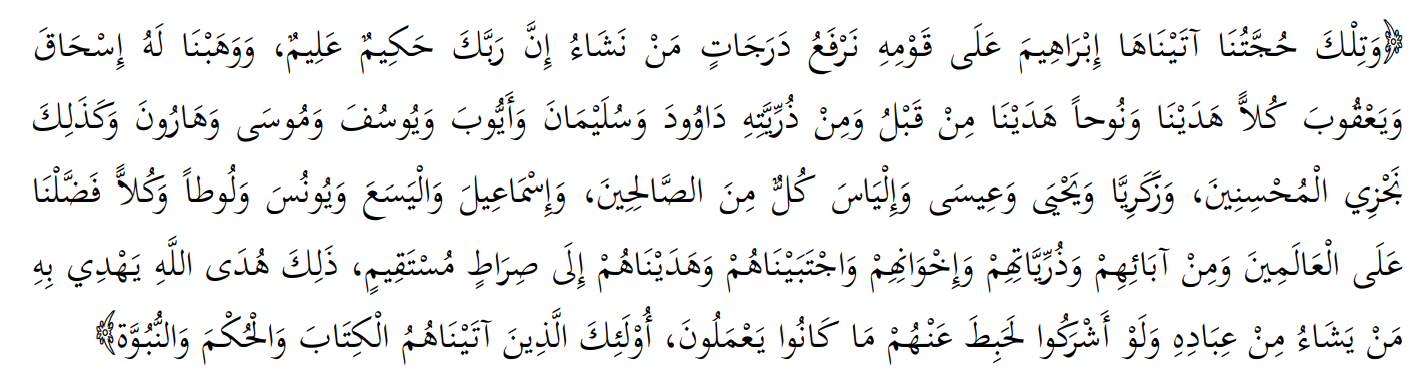
আর এটি ছিল ইবরাহীমের প্রতি আমাদের দেওয়া সেই যুক্তি, যা তিনি তাঁর জাতির বিরুদ্ধে উপস্থাপন করেছিলেন। আমরা যাকে ইচ্ছা মর্যাদায় উন্নীত করি। নিশ্চয়ই তোমার প্রতিপালক প্রজ্ঞাময়, সর্বজ্ঞ। আর আমরা তাঁকে দান করেছিলাম ইসহাক ও ইয়াকূব; তাদের সকলকেই আমরা পথ প্রদর্শন করেছিলাম। আর নূহকেও আমরা এর আগে পথ প্রদর্শন করেছিলাম, এবং তাঁর বংশধরদের মধ্যে দাউদ, সুলাইমান, আইয়ূব, ইউসুফ, মূসা ও হারূনকে। এভাবেই আমরা সৎকর্মশীলদের প্রতিদান দিয়ে থাকি। আর যাকারিয়া, ইয়াহইয়া, ঈসা ও ইলিয়াসকেও (পথ প্রদর্শন করেছিলাম)। তাঁরা সকলেই ছিলেন সৎকর্মশীল। আর ইসমাঈল, আল-ইয়াসা, ইউনুস ও লূতকেও; এবং তাদের প্রত্যেককেই আমরা সমগ্র জগতের উপর মর্যাদা দান করেছিলাম। আর তাদের কয়েকজন পূর্বপুরুষ, তাদের বংশধর ও ভাইদের কতককেও (আমরা পথ প্রদর্শন করেছিলাম); আমরা তাদের বাছাই করেছিলাম এবং সরল পথে পরিচালিত করেছিলাম। এটিই আল্লাহর হিদায়াত; তিনি তাঁর বান্দাদের মধ্যে যাকে ইচ্ছা তাকে এর দ্বারা পথ প্রদর্শন করেন। আর যদি তারা শিরক করত, তবে তাদের সমস্ত কর্ম নিশ্চয়ই নিষ্ফল হয়ে যেত। এরাই তারা, যাদেরকে আমরা কিতাব, কর্তৃত্ব ও নবুওয়াত দান করেছিলাম। [TMQ An’ām: 83-89]
"And this is our argument that we gave to Abraham against his people, we raise in degrees whom we please, undoubtedly, your lord is wise, knowing. And we gave him Ishaq and Yaqub, we showed the path to all of them and showed the path to Nuh before them, and of his progeny, to Daud and Sulaiman and Ayub and Yusuf and musa and Haroon, and thus we recompense the righteous. And to Zakaria, Yahya, Isa and Ilyas. These are all entitled to be our near ones. And to Ismail and Yasa and Yunus and lot, and to each one we preferred above all in his time. And also to some of their fathers and their progeny and some of their brothers, and we chose them and showed them the straight path. This is the guidance of Allah. He gives whom he will of his bondmen, and if they would have committed polytheism, then surely all that they had already done would have been destroyed. These are they to whom we gave the book and order and prophet hood" [TMQ An’ām: 83-89]
এবং ইসমাঈল, ইদরীস ও যুলকিফল, তাঁরা সকলেই ছিলেন ধৈর্যশীলদের অন্তর্ভুক্ত। আমি তাঁদের আমার রহমতের অন্তর্ভুক্ত করেছিলাম। নিশ্চয়ই তাঁরা ছিলেন সৎকর্মশীলদের অন্তর্ভুক্ত। [TMQ Anbiya: 85-86]
"And Ismail and Idrees and Dhul-Kifl all were from the patient ones who we took into our mercy. Indeed they are from the righteous." [TMQ Anbiya: 85-86]
আর মাদইয়ানের প্রতি আমি পাঠিয়েছিলাম তাদের ভাই শু'আইবকে। [TMQ Araf: 85]
"And to Madyan, we sent their brother Shu'aib." [TMQ Araf: 85]
এবং সামূদ জাতির কাছে আমি তাদের ভাই সালিহকে পাঠিয়েছিলাম। [TMQ Araf: 73]
"And to Thamud, we sent their brother Salih." [TMQ Araf: 73]
এবং আদ জাতির কাছে আমি তাদের ভাই হূদকে পাঠিয়েছিলাম। [TMQ Araf:65]
"And to A'ad, we sent their brother Hud." [TMQ Araf:65]
"আর আমি বললাম, হে আদম, তুমি ও তোমার স্ত্রী জান্নাতে বসবাস করো।" [TMQ Baqarah: 35]
"And we said, o Adam dwell you and your wife in paradise." [TMQ Baqarah: 35]
মুহাম্মাদ ﷺ আল্লাহর রাসূল। তাঁর সঙ্গীরা কাফিরদের প্রতি কঠোর এবং নিজেদের মধ্যে দয়াশীল। [TMQ Fath: 29]
"Muhammad is the messenger of Allah. Those with him are severe on the Kuffar and merciful between themselves." [TMQ Fath: 29]
সমস্ত নবী ও রাসূল ছিলেন আল্লাহর পক্ষ থেকে সংবাদবাহক, কারণ নবুওয়াত ও রিসালাতের অর্থই এটি। তাঁরা সত্যবাদী, সৃষ্টির প্রতি সতর্ককারী, যাতে তাঁদের মিশন ও বার্তা নিষ্ফল না হয়; এবং তাঁরা তাঁদের প্রচারে মিথ্যা বলা ও ভুল করা থেকে নিষ্পাপ, যেমন তাঁরা যেকোনো পাপ করা থেকেও নিষ্পাপ। আরও, নবুওয়াত ও রিসালাত লাভের পর নবীদের পথভ্রষ্ট হওয়া সম্পর্কে আল-কুরআন বা নবী ﷺ-এর সুন্নাহে কোনো নিশ্চিত (কাতঈ) দলিল নেই। যা বর্ণিত হয়েছে, তা হয় এমন হাদীসে যার বর্ণনা-সূত্র অনিশ্চিত (জান্নী আস-সুবূত), অথবা এমন আয়াতে যার প্রমাণ অনিশ্চিত (জান্নী আদ-দালালাহ)। আর অনিশ্চিত (জান্নী) দলিল নিষ্পাপতা সম্পর্কিত সুস্পষ্ট যুক্তিভিত্তিক নিশ্চিত প্রমাণকে রহিত করতে পারে না। আর আদম ﷺ সম্পর্কে কুরআনে যা অবতীর্ণ হয়েছে, অর্থাৎ আল্লাহ যে গাছ থেকে খেতে নিষেধ করেছিলেন, তিনি সেই গাছ থেকে খেয়েছিলেন, তা পৃথিবীর মানুষের কাছে বার্তা প্রচারে নিষ্পাপতার দাবির পরিপন্থী নয়। কারণ আদম ﷺ-এর যা ঘটেছিল তা জান্নাতে ঘটেছিল, যার হিকমত কেবল আল্লাহই জানেন। সুতরাং এটি একটি ভিন্ন বিষয় (অর্থাৎ আদম ﷺ-এর গাছের ফল খাওয়া), কারণ নিষ্পাপতা পৃথিবীর মানুষের কাছে বার্তা প্রচারের সঙ্গে সম্পর্কিত।
All the prophets and messengers were informers from Allah because this is the meaning of prophethood and messengerhood. They are truthful, admonishers to creation lest the mission and message become futile and they are infallible from lying and error in their propagation, just as they are infallible from committing any sin. Further there is no definite [Qati] textual evidence in the Qur’ān or the Sunnah of the prophet informing about the erring of the prophets after their Prophethood of Messengership. Whatever has been reported is either in the ahadith that are indefinite in their transmission [dhanni athuboot] or in the ayat that are indefinite in their evidence [dhanni ad-dalala] and the Indefinite [dhanni] cannot over ride the definite rational evidence on infallibility. As for what was revealed regarding Adam in the Qur’ān about him eating from the tree which Allah had prohibited him to eat from, this does not contradict the requirement of infallibility in the propogation of the message to the people on the earth because what happened from Adam was in the Paradise, the wisdom of which is only known to Allah . Therefore this is separate matter (i.e Adam’s eating of the fruit of the tree) because infallibility is related to the propogation of the message to the people on the earth.