18 इस्लामी राज्य एक मानवीय राज्य है, न कि एक धर्मतंत्रीय (थियोक्रेटिक) राज्य।
18 The Islamic State Is A Human State And Not A Theocratic State.
इस्लामी राज्य ख़िलाफ़त है, क्योंकि यह वह पद है जिसमें इसका निरीक्षण करने वाला शासन और अधिकार की सारी योग्यता रखता है और बिना किसी अपवाद के सभी नियमों को अपनाता है। यह समस्त विश्व के मुसलमानों पर सामान्य नेतृत्व है, ताकि वह इस्लाम के सभी शरई नियमों को उन विचारों और नियमों के अनुसार लागू करे जो इस्लाम लेकर आया और जिन्हें उसने विधान बनाया, और इस्लामी दावत को दुनिया तक पहुँचाए, उन्हें इस्लाम से अवगत कराकर, उसकी ओर बुलाकर और अल्लाह के मार्ग में जिहाद के द्वारा। इसे इमामत और ईमान वालों के नेतृत्व के नाम से भी जाना जाता है। यह एक मानवीय भूमिका है, न कि दैवी भूमिका, जो इस्लाम के दीन को इंसानों पर लागू करने और उनके बीच फैलाने के लिए है। यह निश्चित रूप से नबुव्वत नहीं है, क्योंकि नबुव्वत और रिसालत का तात्पर्य उस नबी या रसूल ﷺ से है जिसे अल्लाह (سبحانه وتعالى) की ओर से वह शरीयत वahi के माध्यम से दी जाती है ताकि वह उसे लोगों तक पहुँचाए, इस बात की परवाह किए बिना कि वह उसे लागू करता है या नहीं। अल्लाह (سبحانه وتعالى) फ़रमाता है:
The Islamic State is the Khilafah as it is the position in which the one who supervises it possesses all the competence of ruling and authority, and adopts all the rules without exception. It is the general leadership over all Muslims in the world to implement all the Islamic Shar’a rules, by the thoughts it came with and the rules it legislated, and to carry the Islamic da’wah to the world, by informing them of Islam, calling them to it and jihad in the way of Allah. It is also known as the Imamah and the leadership over the believers. It is a human role not a divine one, which exists to implement the deen of Islam over human beings and to spread it among them. It is definitely not the Prophethood as the Prophethood and Messengership conotates to the Prophet or the Messenger the Shar’a from Allah (saw) via the means of revelation to deliver it to the people without paying attention to his implementing it. Allah (swt) says:
रसूल पर केवल स्पष्ट रूप से पहुँचा देने की ज़िम्मेदारी है। [TMQ 24:54]
"There is nothing upon the Messenger except the clear conveyance " [TMQ 24:54]
और:
And:
निश्चय ही आपका कर्तव्य केवल संदेश पहुँचा देना है। [TMQ 3:20]
"Verily it is upon you the conveyance " [TMQ 3:20]
और:
And:
"रसूल पर केवल पहुँचा देना है।" [TMQ 5:99]
"There is nothing upon the Messenger except the conveyance" [TMQ 5:99].
यह खिलाफत से अलग है, जो अल्लाह की शरीअत को इंसानों पर लागू करना है। पैगंबर (सल्ल०) या रसूल (सल्ल०) के लिए यह शर्त नहीं है कि वे अपने ऊपर उतारी गई अल्लाह की शरीअत को लागू करें ताकि वे रसूल बनें; बल्कि नबी या रसूल बनने की शर्त यह है कि अल्लाह उनपर कोई शरीअत उतारे और उन्हें उसे पहुँचाने का हुक्म दे। मूसा (अलैहि०), ईसा (अलैहि०) और इब्राहीम (अलैहि०) नबी और रसूल थे, हालाँकि उन्होंने जो शरीअत लेकर वे आए थे उसे लागू नहीं किया, न ही वे शासक थे। इसलिए नुबुव्वत और रिसालत का पद खिलाफत का पद नहीं है। नुबुव्वत एक दैवी पद है जिसे अल्लाह जिसे चाहता है देता है, जबकि खिलाफत एक इंसानी पद है जिसमें मुसलमान अपने में से जिसे चाहते हैं अपने ऊपर बैअत देकर नियुक्त करते हैं। हमारे सरदार मुहम्मद (सल्ल०) एक ऐसे शासक थे जिन्होंने उस शरीअत को लागू किया जो वे लेकर आए थे, इसलिए वे नुबुव्वत और रिसालत के पद के साथ-साथ इस्लामी कानूनों की स्थापना में मुसलमानों के नेतृत्व के पद पर भी थे। अल्लाह (सु०) ने उन्हें शासन करने का हुक्म दिया, जैसे उसने उन्हें संदेश पहुँचाने का हुक्म दिया, जैसा कि उसने उनसे कहा:
This is different from the Khilafah which is the implementation of Allah’s Shar’a upon human beings. It is not a condition upon the Prophet (saw) or Messenger (saw) to implement what Allah (swt) revealed to him in order to be a Messenger, rather the condition to become a Messenger or Prophet is that Allah reveals a Shar’a to him and commands him to convey it. Musa (as), Isa (as) and Ibrahim (as) were Prophets and Messengers though they did not implement the Shariah they came with nor were they rulers. Therefore the post of Prophethood and Messengership is not the post of Khilafah. Prophethood is a divine post which Allah gives to whomever He wills, while the Khilafah is a human post in which the Muslims pledge whomever they wish over them from among the Muslims. Our master Muhammad (saw) was a ruler who implemented the Shari’ah he came with, so he would be in charge of the Prophethood and Messengership while at the same time he would be in charge of the post of leadership of the Muslims in establishing the Islamic rules. Allah (swt) commanded him to rule just like He commanded him to convey the message as He said to him:
"उनके बीच वही फ़ैसला करो जो अल्लाह ने उतारा है" [TMQ 5:47]
"Rule between them by what Allah revealed" [TMQ 5:47]
और:
And:
निश्चय ही हमने आपकी ओर सत्य के साथ यह किताब उतारी है ताकि आप लोगों के बीच वही फ़ैसला करें जो अल्लाह ने आपको दिखाया है ﷺ। [TMQ 4:105]
"Verily we revealed the Book to you in Truth so that you rule between the people by what Allah showed you" [TMQ 4:105]
जैसा कि उन्होंने (SWT) उससे कहा:
Just like He (swt) said to him:
हे रसूल, जो कुछ आपके रब की ओर से आपपर उतारा गया है, उसे पहुँचा दीजिए। [TMQ 5:67]
"O Messenger, convey what has been revealed to you from your Lord "[TMQ 5:67]
और:
And:
यह कुरआन मेरी ओर इसलिए वह्य किया गया है ताकि मैं तुम्हें और जिस-जिस तक यह पहुँचे, उन सबको सचेत करूँ। [TMQ 6:19]
"This Qur’an has been revealed to me so that I warn you and whoever it is conveyed to" [TMQ 6:19]
और:
And:
"ऐ कम्बल में लिपटे हुए, उठो और सचेत करो" [TMQ 74:1].
"O you enshrouded in a cloak. Stand up and warn" [TMQ 74:1].
जब वे ज़ुबानी रूप से संदेश पहुँचाने के ज़िम्मेदार थे, जैसे अल्लाह के इस कथन को पहुँचाना:
Except that when he was in charge of conveying the message by speech like conveying Allah’s saying:
अल्लाह ने व्यापार को हलाल किया है और रिबा (ब्याज) को हराम ठहराया है। [TMQ 2:275]
Allah has permitted trade and forbidden riba" [TMQ 2:275]
या किसी कार्य के द्वारा, जैसे हुदैबिया की संधि, वे संदेश पहुँचाने में निर्णायक होते और किसी कार्य को करने का आदेश दृढ़ता से देते; वे सलाह नहीं लेते थे, बल्कि यदि उन्हें वह कुछ सुझाया जाता जो वह्य के साथ आए हुक्म से भिन्न होता तो वे हर राय को ठुकरा देते। और जब उनसे ऐसे हुक्म के बारे में पूछा जाता जिसकी वह्य अभी नहीं उतरी थी, तो वे चुप रहते और वह्य उतरने तक जवाब नहीं देते। इसके विपरीत, जब वे कोई कार्य करने का इरादा करते तो लोगों से सलाह लेते और विशेषज्ञों की राय या बहुमत की राय के अनुसार अमल करते, भले ही वह उनकी अपनी राय से भिन्न हो। और जब वे लोगों के बीच फ़ैसला करते तो निर्णायक रूप से यह न कहते कि जो उन्होंने फ़ैसला किया वह वास्तविकता के अनुरूप है, बल्कि वे उस प्रमाण के अनुसार फ़ैसला करते जो उन्होंने सुना था। जब सूरह बराअत उतरी, तो नबी ﷺ ने अली बिन अबी तालिब (रज़ि.) को आदेश दिया कि वे अबू बक्र (रज़ि.) से मिलें और हज के समय लोगों के सामने बराअत (विमुक्ति की घोषणा) करें। अतः उन्होंने अरफ़ा में वह उन्हें पढ़कर सुनाई और लोगों के बीच घूमते रहे यहाँ तक कि उसे पहुँचा दिया। जब उन्होंने हुदैबिया की संधि की, तो उन्होंने सभी सहाबा (रज़ि.) की राय को ठुकरा दिया और अपनी राय उन पर थोपी, क्योंकि वह अल्लाह (सुब्हानहू व तआला) की ओर से वह्य थी। जब जाबिर ने उनसे पूछा: "मैं अपने माल के बारे में कैसे फ़ैसला करूँ?", तो उन्होंने तब तक जवाब नहीं दिया जब तक हुक्म के साथ वह्य नहीं उतरी। इमाम अल-बुखारी ने इब्न अल-मुनकदिर के माध्यम से वर्णन किया, जिन्होंने कहा:
or by action like the Treaty of Hudaybiyya, he would be decisive in conveying and command decisively to undertake the action; nor would he consult but would rather reject all opinion if he was advised anything different from what the revelation came with. And when he was asked of a rule for which no revelation had descended yet, he would keep silent and not reply until the revelation descended. Whereas when he would undertake an action he would consult people and act according to the opinion of experts or the opinion of the majority even where it differed from his opinion, and when he would judge between people he would not be decisive saying that what he judged with conformed with the reality rather he was judging according to what he heard of the evidence. When Surah Bara’ah was revealed, he (saw) commanded Ali bin Abi Talib (ra) to go meet Abu Bakr and commanded him to announce inculpability “Bara’ah to the people during the Hajj period. So he read it to them Arafah and went around to the people until he had conveyed it. When he signed the Treaty of Hudaybiyya he rejected the opinion of all the Sahabah (ra) and compelled his opinion upon them as it was revelation from Allah (swt). When Jabir asked him: “How should I judge over my wealth?", He did not answer him until the revelation descended with the rule. Al-Bukhari narrated via bin al-Munkadir who said:
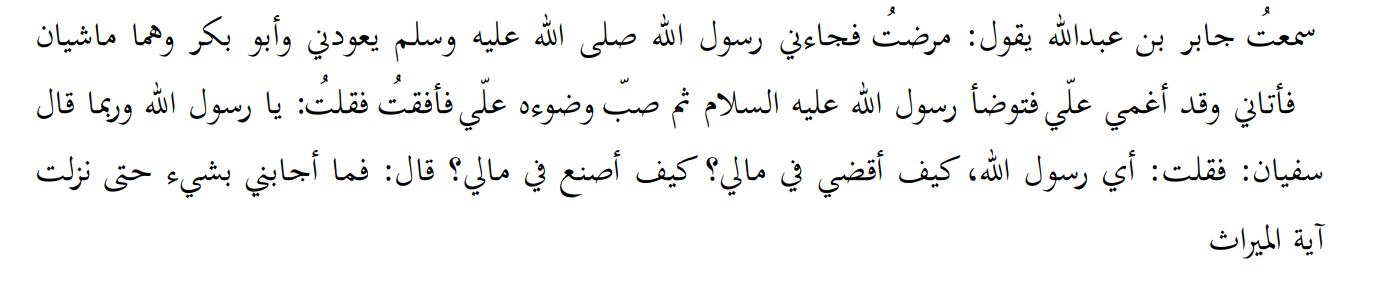
"मैंने जाबिर बिन अब्दुल्लाह को कहते हुए सुना: मैं बीमार था, तो अल्लाह के रसूल ﷺ मेरी अयादत के लिए अबू बक्र के साथ पैदल चलकर आए। उन्होंने मुझे बेहोश पाया। अल्लाह के रसूल ﷺ ने वुज़ू किया, फिर उसका पानी मुझ पर छिड़का। मैं होश में आया और मैंने कहा: ऐ अल्लाह के रसूल, मैं अपने माल के बारे में कैसे फ़ैसला करूँ? मैं अपने माल के साथ क्या करूँ? उन्होंने कोई जवाब नहीं दिया, यहाँ तक कि विरासत की आयत नाज़िल हुई।"
“I heard Jabir bin Abdullah saying: I was ill so the Messenger of Allah (saw) came to visit me together with Abu Bakr walking. They found me when I was unconscious. The Messenger of Allah (saw) made wudhu then poured some water upon me. I woke up and said to the Messenger of Allah (saw): O Messenger of Allah, how should I judge over my wealth? What should I do with my wealth? He said: He did not answer me at all until the ayah of inheritance was revealed.”
यह उस बात में था जो नुबुव्वत और रिसालत के बोझ को उठाने और लोगों तक पहुँचाने से संबंधित थी, जबकि शासन का बोझ उठाने में उनका व्यवहार अलग होता था। उहुद के दिन उन्होंने मुसलमानों को मस्जिद में इकट्ठा किया और इस पर सलाह ली कि मदीना के अंदर रहकर लड़ा जाए या बाहर निकलकर। अधिकांश लोगों की राय बाहर निकलकर लड़ने की थी, जबकि रसूलुल्लाह ﷺ की राय मदीना के अंदर लड़ने की थी। उन्होंने बहुमत की राय पर अमल किया, निकले और मदीना से बाहर लड़े। इसी तरह जब वे लोगों के बीच फ़ैसला करते थे तो उन्हें इस बात से सचेत करते थे कि कहीं वे उन्हें किसी के हक़ के ख़िलाफ़ फ़ैसला करने पर मजबूर न कर दें। इमाम अल-बुख़ारी ने उम्मे सलमा (रज़ि०) से रिवायत किया कि रसूलुल्लाह ﷺ ने अपने घर के दरवाज़े पर एक झगड़े की आवाज़ सुनी, तो आप ﷺ उनके पास गए और फ़रमाया:
This was in the undertaking of the burden of Prophethood and Messengership and conveying to the people, whereas in undertaking the burden of rule he would behave differently. In Uhud he collected the Muslims in the mosque, consulted over whether to fight inside Madinah or outside; the opinion of the majority was to fight outside while the Messenger’s opinion was to fight inside. He acted upon the majority opinion, left and fought outside Madinah. Similarly when he judged between people, he would warn them from causing him to judge for them against someone else’s due right. Al-Bukhari narrated from Umm Salamah about the Messenger of Allah (saw) that he heard a dispute at the door of his house so he went to them and said:
"मैं भी एक इंसान ही हूँ, और झगड़ों वाले मुक़दमे मेरे पास आते हैं, और हो सकता है तुम में से कोई अपनी बात (पेश करने) में दूसरे से अधिक वाक्पटु हो, जिसके कारण मैं समझ लूँ कि वह सच्चा है और उसके पक्ष में फ़ैसला सुना दूँ। अगर कभी मैं किसी के पक्ष में ऐसा फ़ैसला कर दूँ जिससे वह किसी मुसलमान का हक़ अन्यायपूर्वक ले ले, तो वह जो कुछ लेता है वह आग का एक टुकड़ा ही है, अब उसके ऊपर है कि उसे ले ले या छोड़ दे।"
“I am only a human being, and litigants with cases of dispute come to me, and someone of you may happen to be more eloquent (in presenting his case) than the other, whereby I may consider that he is truthful and pass a judgment in his favor. If ever I pass a judgment in favor of somebody whereby he takes a Muslim's right unjustly, then whatever he takes is nothing but a piece of Fire, and it is up to him to take or leave.”
इसी प्रकार उन्होंने उनसे वर्णन किया कि उन्होंने कहा: ﷺ
Similarly he narrated from him that he (saw) said:
मैं चाहता हूँ कि मैं अल्लाह अज़्ज़ व जल्ल से इस हाल में मिलूँ कि मुझसे किसी ऐसे व्यक्ति का हक़ न माँगा जाए जिस पर मैंने कोई ज़ुल्म किया हो, चाहे वह जान के मामले में हो या माल के मामले में।
“Verily I wish to meet Allah ‘azza wa jalla without anyone seeking from me an injustice I committed against him, whether in blood or money.”
इससे यह संकेत मिलता है कि वे दो भूमिकाएँ निभाते थे: नबूवत और रिसालत का पद, और इस दुनिया में मुसलमानों का नेतृत्व करते हुए अल्लाह (swt) की उस शरीअत को स्थापित करना जो उन पर उतारी गई थी। हर भूमिका को निभाने में वे उसकी आवश्यकता के अनुसार आचरण करते थे, इसलिए एक को दूसरी से भिन्न रूप में निभाते थे। उन्होंने शासन के संबंध में लोगों से बैअत (निष्ठा की प्रतिज्ञा) ली, और यह बैअत पुरुषों और महिलाओं दोनों से ली, लेकिन उन छोटे बच्चों से नहीं ली जो अभी बालिग़ नहीं हुए थे। यह इस बात पर बल देता है कि यह बैअत शासन पर थी, नबूवत पर नहीं। यहीं से हम पाते हैं कि अल्लाह (swt) ने संदेश पहुँचाने या उसका भार उठाने से संबंधित किसी बात पर उन्हें कभी नहीं डाँटा, बल्कि उन्हें इस बात से दुखी न होने का निर्देश दिया कि लोग उनकी बात का उत्तर नहीं दे रहे, क्योंकि संदेश के भार को उठाना केवल पहुँचाने तक सीमित था; अतः उन पर पहुँचा देने के अतिरिक्त कोई दायित्व नहीं था। अल्लाह (swt) ने फ़रमाया:
This goes to indicate that he would undertake two roles: the position of Prophethood and Messengership, and the position of leading the Muslims in this world in establishing the Shari’ah of Allah (swt) which was revealed to him. He would dispose in undertaking each role according to what it required, so he would conduct one differently from the other. He took the pledge of the people in ruling, taking it from both women and men but not from young children who had not yet reached puberty, which emphasises that it was a pledge upon ruling not upon Prophethood. From here we find we find that Allah (swt) never censured him in anything to do with conveying the message or undertaking its burden, rather he would request him not to be troubled due to people’s failure to respond to him as the undertaking of the burden of the message was conveying alone; so there was no duty upon him except to convey. Allah (swt) said:
"उनके लिए अपनी जानों को (व्यर्थ) आहें भरते हुए न घुलने दो" [TMQ 35:8]
"Let not your souls go out in (vainly) sighing for them" [TMQ 35:8]
और:
And:
"उन जो कुछ रच रहे हैं उस पर शोक न करो" [TMQ 16:27]
"Do not grieve over what they are plotting" [TMQ 16:27]
और:
And:
"तुम पर केवल (संदेश) पहुँचा देना ही (कर्तव्य) है" [TMQ 42:48].
"The only (duty) upon you is conveying" [TMQ 42:48].
लेकिन अल्लाह (SWT) ने उन्हें इस बात पर फटकार लगाई कि उन्होंने शासन का भार उठाते हुए, उन नियमों को लागू करने में, जो पहले से उन पर उतारे गए थे और जिन्हें वे पहले ही पहुँचा चुके थे, ऐसे काम किए। अल्लाह (SWT) ने उन्हें इस बात पर फटकार लगाई कि उन्होंने वह किया जो उत्तम था उसके विपरीत था। अल्लाह (SWT) ने फरमाया:
However Allah (swt) censured him over his undertaking of the burden of ruling in the actions he performed in implementing rules previously revealed to him and already conveyed. Allah (swt) censured him over doing something contrary to what was better. Allah (swt) said:
"कोई भी नबी तब तक युद्ध-बंदी नहीं रख सकता जब तक वह धरती पर बड़ा नरसंहार न कर ले" [TMQ 8:67]
"It is not for a Prophet to have captives of war until he made great slaughter in the world" [TMQ 8:67]
और:
And:
"अल्लाह तुम्हें माफ़ करे! तुमने उन्हें (पीछे रहने की) इजाज़त क्यों दे दी?" [TMQ 9:43]।
"Allah forgive you! Why did you grant them permission?" [TMQ 9:43].
इन सबसे यह स्पष्ट है कि शासन में मुसलमानों के नेता की भूमिका नुबुव्वत की भूमिका से भिन्न थी। इससे यह स्पष्ट हो जाता है कि ख़िलाफ़त, जो दुनिया के सभी मुसलमानों पर सामान्य नेतृत्व है, एक मानवीय पद है, दैवी नहीं। यह वह भूमिका है जिसका संचालन रसूल ﷺ किया करते थे और उन्होंने इसे छोड़ते हुए यह अनिवार्य किया कि एक मुसलमान उनके बाद इसे संभाले, ताकि वह रसूलुल्लाह ﷺ का स्थान ले और शासन में उनका ख़लीफ़ा हो, नुबुव्वत में नहीं। यह रसूल ﷺ की ख़िलाफ़त है मुसलमानों का नेतृत्व करने में, इस्लामी नियमों को लागू करने और संदेश पहुँचाने में, न कि वह्य प्राप्त करने में या अल्लाह की ओर से शरीअत लेने में।
All this is clear that the role of leading Muslims in the rule was different from the role of Prophethood. From this it becomes clear that the Khilafah, which is the general leadership over all Muslims in the world, is a human post not a divine one. Since it is a role which the Messenger (saw) used to be in charge of and he left it while obliging that a Muslim should take it over for him so that he takes the place of the Messenger of Allah (saw) and be his Khalifah in ruling but not in Prophethood. It is a Khilafah to the Messenger in leading the Muslims to implement the Islamic rules and conveying the message not in receiving revelation or taking a Shari’ah from Allah.
पैगंबर (सल्ल०) की मासूमियत (निष्पापता) उनके नबी होने के कारण है, न कि उनके शासक होने के कारण। इसका कारण यह है कि मासूमियत सभी नबियों और रसूलों के लिए अनिवार्य गुण है, चाहे वे स्वयं अपनी शरीअत के अनुसार लोगों पर शासन करने और उसे लागू करने वाले रहे हों, या केवल उसे पहुँचाने तक सीमित रहे हों और उसके साथ शासन करने या उसे लागू करने का काम न किया हो। हमारे आका मूसा (अ०) और हमारे आका ईसा (अ०) तथा हमारे आका इब्राहीम (अ०) भी मासूम थे, जैसे हमारे आका मुहम्मद (सल्ल०) मासूम थे, क्योंकि मासूमियत नबुव्वत और रिसालत से संबंधित है, शासन से नहीं। रही बात उनके (सल्ल०) शासन का भार उठाते हुए किसी हराम कार्य को न करने और किसी अनिवार्य कार्य को न छोड़ने की, तो यह उनके नबी और रसूल होने के नाते मासूम होने से आया, शासक होने के संबंध में नहीं। अतः उनका (सल्ल०) शासन का भार उठाना उनके मासूम गुण से विशेष होने की आवश्यकता नहीं रखता था, परंतु व्यवहार में वे नबी और रसूल होने के कारण मासूम थे। इसी के अनुसार वे इंसानों पर इंसान के रूप में शासन करते थे, जिसमें उनका वर्णन एक इंसान का था। कुरआन ने स्पष्ट रूप से बताया है कि वे एक इंसान हैं। अल्लाह (सु०त०) ने फ़रमाया:
As for the Messenger (saw)’s infallibility, it comes from his being a Prophet not from his being a ruler. This is because infallibility is an obligatory attribute for all Prophets and Messengers, irrespective of whether they themselves were the ones to rule over people by their Shari’ah and implement it or whether they were merely restricted to conveying it without ruling with it or implementing it. Our master Musa (as), our master Isa (as) and our master Ibrahim (as) were infallible just like our master Muhammad (saw) was infallible as the infallibility is for Prophethood and the Message not the rule. As for his (saw) not doing any haram action during his undertaking the burden of ruling nor leaving any obligatory action, this came from his being infallible in relation to Prophethood and the Message not in relation to his being a ruler. So his (saw) undertaking the rule did not require his being characterised with infallibility, but practically he was infallible due to his being a Prophet and Messenger. Accordingly, he would undertake the rule in his description as a human being ruling over human beings. The Qur’an has come explicitly stating that he is a human being. Allah (swt) said:
कहो: "निश्चय ही मैं तुम्हारे जैसा ही एक इंसान हूँ।" [TMQ 18:110]
"Say: Verily I am only a human similar to you" [TMQ 18:110]
फिर इसने उन्हें बाक़ी मानवजाति से अलग पहचान दिलाने के लिए (यह कहकर):
Then it clarified distinguishing him from the rest of humanity (by saying):
"मेरी ओर वह्य की गई है" [TMQ 6:50]।
"It has been revealed to me" [TMQ 6:50].
यह विशिष्टता कि वे (ﷺ) वह्य द्वारा नबुव्वत में प्राप्त होते हैं, इसी से वे शेष मानवजाति से अलग हैं। इसके अलावा वे बाकी लोगों की तरह एक इंसान हैं। इसलिए शासन में वे भी दूसरे लोगों जैसे एक इंसान हैं, अतः उनके बाद जो भी ख़लीफ़ा बनेगा वह निस्संदेह बाकी लोगों की तरह एक इंसान ही होगा, क्योंकि वह उनका ख़लीफ़ा शासन में है, नबुव्वत या रिसालत में नहीं। इसलिए उसके लिए मासूम (निष्पाप) होना शर्त नहीं है, क्योंकि यह उन मामलों में से नहीं है जिनमें मासूमियत की आवश्यकता होती है; मासूमियत केवल नबुव्वत के लिए आवश्यक है। वह केवल एक शासक है, और कुछ नहीं, इसलिए जो लोग इसके प्रभारी हैं उनके लिए मासूमियत की शर्त लगाने की कोई गुंजाइश नहीं है। वास्तव में, इसका भार उठाने वाले पर मासूमियत की शर्त लगाना जायज़ नहीं है, क्योंकि मासूमियत केवल नबियों तक सीमित है और नबियों के अलावा किसी और के लिए जायज़ नहीं है, जबकि नबी और रसूल (ﷺ) के लिए इसका होना संदेश पहुँचाने के लिए आवश्यक है। अतः यह संदेश पहुँचाने में मासूमियत है, और हराम कार्य न करने से इसकी प्राप्ति स्वाभाविक रूप से संदेश पहुँचाने की मासूमियत के साथ आती है, क्योंकि उत्तरार्ध में मासूमियत हराम कार्य से सुरक्षा के बिना पूर्ण नहीं हो सकती। जिस चीज़ के लिए इसकी आवश्यकता है वह संदेश पहुँचाना है।
The distinction from the rest of humanity is that he is revealed to i.e. in the Prophethood. Apart from that he is a human like the rest of mankind. So he is in the rule a human like other people so whoever becomes Khalifah after him would doubtless be a human being like the rest of the people since he is his Khalifah in the rule not in Prophethood or the Message. Therefore infallibility is not a condition for it since it is not one of the matters which require infallibility which is only required for Prophethood. He is a ruler, nothing else, so there is no place for requiring infallibility for those who are in charge of it. In fact, it is not allowed to require infallibility for the one undertaking it as infallibility is restricted to Prophets and it is not allowed for other than Prophets as its existence for the Prophet and Messenger (saw) is required for conveyance. So it is infallibility in conveyance and its acquirement in never performing a haram naturally follows the infallibility in conveyance as the infallibility in the latter cannot be complete save with the infallibility from performing haram. The matter which requires it is the conveyance, The Islamic Personality Vol 2 95
यह बात लोगों के विश्वास या अविश्वास, या कर्मों में त्रुटि या उसके अभाव की नहीं है; बल्कि जिस बात के लिए इसकी आवश्यकता है, वह केवल संदेश का पहुँचाना है, और कुछ नहीं। इसका कारण यह है कि यदि वह अल्लाह (سبحانه وتعالی) की ओर से मासूम (त्रुटि से सुरक्षित) न किए गए होते, तो उनके लिए संदेश को छिपाना, उसमें कुछ बढ़ाना या घटाना, अल्लाह पर झूठ बोलना (यह कहकर) कि जो उसने नहीं कहा, या गलती करना और जो उन्हें पहुँचाने का आदेश दिया गया था उसके अलावा कुछ और पहुँचाना, संभव होता। ये सब बातें अल्लाह की ओर से आए संदेश में नकारी गई हैं, और इस बात में भी नकारी गई हैं कि वह एक ऐसे रसूल हैं जिन पर विश्वास करना अनिवार्य है। इसलिए यह अनिवार्य है कि रसूल संदेश पहुँचाने में मासूमियत से विशेषित हों, और हराम कर्म करने से उनकी मासूमियत स्वाभाविक रूप से इसी कारण आती है। इसी कारण विद्वानों में नबियों की हराम कर्म से मासूमियत के विषय में मतभेद हुआ; कुछ ने कहा कि वह केवल बड़े गुनाहों (कबाइर) से मासूम हैं और छोटे गुनाह (सग़ाइर) उनसे संभव हैं, जबकि कुछ ने कहा कि वह बड़े और छोटे दोनों प्रकार के गुनाहों से मासूम हैं। उन्होंने यह बात इस आधार पर कही कि क्या वे कर्म संदेश की पूर्ति पर निर्भर हैं या नहीं। यदि संदेश की पूर्ति उन पर निर्भर है, तो संदेश में मासूमियत उन्हें भी घेर लेती है, ताकि नबी उनसे मासूम हों, क्योंकि संदेश उनकी मासूमियत के बिना पूरा नहीं होता। और यदि संदेश की पूर्ति उन पर निर्भर नहीं है, तो मासूमियत उन्हें नहीं घेरती, इसलिए वह उनसे मासूम नहीं होते, क्योंकि संदेश उसके बिना भी पूरा हो जाता है। तदनुसार, मुसलमानों में इस बात पर कोई मतभेद नहीं है कि रसूल (ﷺ) उन कर्मों से मासूम नहीं हैं जो उत्तम के विपरीत हों, क्योंकि संदेश का पहुँचाना उन पर निर्भर नहीं है। अतः मासूमियत केवल संदेश पहुँचाने से संबंधित है, और इसलिए यह केवल नबियों और रसूलों के लिए है, और उनके अलावा किसी अन्य में इसका होना संभव नहीं।
वास्तव में मासूम (अचूक) होने के प्रमाण का आधार अक़्ली (बौद्धिक) है, न कि नक़्ली (नस्सी), क्योंकि शरीअत के किसी भी नस (स्पष्ट पाठ), चाहे वह क़ुरआन में हो या हदीस में, में किसी के भी मासूम होने का कोई प्रमाण नहीं आया है, चाहे वह नबी हों, रसूल हों या अन्य। जहाँ तक अल्लाह के इस कथन की बात है:
Verily the evidence for infallibility is rational not textual as there has not come any Shari’ah texts, whether a clear text in the Qur’an or Hadith, upon the existence of infallibility for anyone whether the Prophets, the Messengers or others. As for Allah’s statement:
"बेशक अल्लाह तो बस यह चाहता है कि तुम अहले बैत से गंदगी (रिज्स) को दूर कर दे और तुम्हें पूरी तरह से पाक-साफ़ कर दे" [TMQ 33:33],
"Verily, Allah only intends to remove filth (rijs) from you, the family of the house, and purify you completely" [TMQ 33:33],
इसका अर्थ यह है कि वह आपसे हर संदेह और आरोप को दूर करना चाहता है। यह आयत तीन आयतों में से एक टुकड़ा है। अल्लाह (SWT) ने फ़रमाया:
Its meaning is that He intends to remove from you any doubt and accusation. This ayah is a piece among three ayat. Allah (swt) said:
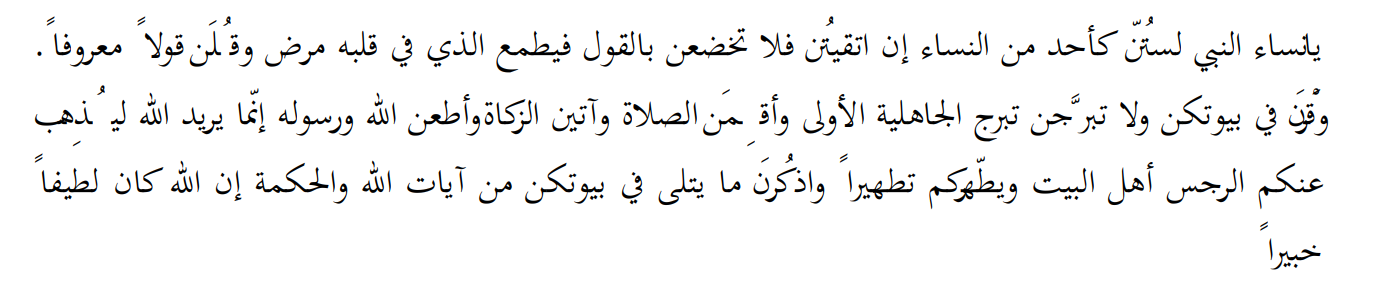
"हे पैग़म्बर ﷺ की पत्नियो, तुम आम स्त्रियों जैसी नहीं हो। यदि तुम (अल्लाह से) डरती हो तो बात करने में नरम लहजा न अपनाओ कि जिसके दिल में रोग है वह लालच में पड़ जाए, बल्कि सीधी और उचित बात कहो। और अपने घरों में टिकी रहो, और पहले की जाहिलियत के ज़माने की तरह बनाव-श्रृंगार का प्रदर्शन न करो, और नमाज़ क़ायम करो, ज़कात दो, और अल्लाह और उसके रसूल ﷺ की आज्ञा मानो। निस्संदेह अल्लाह तो बस यह चाहता है कि ऐ नबी के घर वालो, तुमसे गंदगी को दूर करे और तुम्हें पूरी तरह पाक कर दे। और उसे याद रखो जो तुम्हारे घरों में अल्लाह की आयतों और हिकमत की बातों में से सुनाया जाता है। निस्संदेह अल्लाह सूक्ष्मदर्शी, पूरी ख़बर रखने वाला है।" [TMQ 33:32-34]
"O wives of the Prophet, you are not like any other woman. If you fear (Allah) then be not too complaisant of speech lest one in whose heart is a disease should be moved with desire but speak a speech (that is) just. And stay quietly in your houses and make not a dazzling display like that of the former times of ignorance, and establish prayer and give the zakat and obey Allah and His Messenger. Verily Allah only wishes to remove filth from you, O family of the house, and purify you completely. And remember what is recited in your homes of the signs of Allah and the Wisdom. Verily Allah is Courteous, All-Knowing" [TMQ 33:32-34].
इस आयत का इस्मत (गुनाह से पाक होने) से किसी भी तरह कोई संबंध नहीं है। अल्लाह के इस कथन "तुम से गंदगी दूर करना" से यह समझना संभव नहीं कि वह तुम्हें मासूम बनाना चाहता है। बल्कि गंदगी दूर करने से मुराद हर प्रकार की मैल को दूर करना है, और यहाँ रूपक के तौर पर गंदगी से मुराद शक और संदेह है, जैसा कि इन दो आयतों की उन वाक्यों से स्पष्ट है जो इस वाक्य से पहले आए हैं। यहाँ पवित्रता से मुराद शक और संदेह से पाक करना है, क्योंकि "रिजस" (गंदगी) शब्द के अर्थ भौतिक गंदगी, रूपक गंदगी और यहाँ तक कि सज़ा भी हैं, जैसा कि कुरआन में इन्हीं अर्थों में आया है। अल्लाह (सुब्हानहू व तआला) ने फ़रमाया:
There is no relationship between this ayah and infallibility in any way whatsoever. It is not possible to understand from His statement “to remove filth from you” i.e. to make you infallible. Rather the removing of filth is the removing of all dirt and the meaning here is metaphorical filth i.e. doubt and suspicion as is explicitly clear in the sentences before this sentence in the two ayat. The purification here is cleansing from doubt and suspicion because the meaning(s) of the word filth is material filth, metaphorical filth and even punishment as it has come in the Qur’an with these meanings. Allah (swt) said:
मूर्तियों की गंदगी से बचो [TMQ 22:30]
"Avoid the filth of the idols" [TMQ 22:30]
और:
And:
इसी प्रकार अल्लाह उन लोगों पर गंदगी डाल देता है जो ईमान नहीं लाते। [TMQ 6:125]
"Similarly does Allah ordain the filth upon those who do not believe" [TMQ 6:125].
इन दो आयतों में गंदगी (रिज्स) से मुराद प्रतीकात्मक गंदगी है। और अल्लाह (SWT) ने फ़रमाया:
In these two ayat, filth is metaphorical filth. And Allah (swt) said:
या सूअर का मांस, क्योंकि निश्चय ही वह गंदगी है। [TMQ 22:30]
"Or the meat of pig for verily it is filth" [TMQ 22:30]
अर्थात् हदस (कर्मकांडीय अपवित्रता) का अर्थ शारीरिक गंदगी है। और अल्लाह (SWT) ने फ़रमाया:
i.e. ritual impurity meaning physical filth. And Allah (swt) said:
इस प्रकार अल्लाह उन लोगों पर प्रकोप डालता है जो ईमान नहीं लाते। [TMQ 6:125]
"Thus Allâh puts the wrath on those who believe not" [TMQ 6:125].
उसका यह कथन "तुमसे गंदगी दूर करने" का अर्थ रूपक के तौर पर गंदगी यानी संदेह को दूर करना है। रही उसकी बात "और तुम्हें पूरी तरह पवित्र करे", तो निस्संदेह शब्द "युतह्हिरकum" (तुम्हें पवित्र करे) और "तत्हीर" (पवित्रता) शब्द कभी भी न भाषा में, न कुरआन में और न हदीस में मासूमियत (निष्पापता) के अर्थ में आए हैं। भाषा में "तहारा" (पवित्र होना) और "तत़हीर" (पवित्र करना) का अर्थ किसी चीज़ से अशुद्धि को दूर करना है, और स्त्री मासिक धर्म से "ताहिर" (पवित्र) होती है और दोष व अशुद्धि से "ताहिरा" होती है। शरीअत में "तहारा" का अर्थ हदस (अपवित्रता की स्थिति) को दूर करना है। नबी ﷺ ने फ़रमाया:
So His statement in the ayah “to remove the filth from you” means to remove metaphorical filth i.e. suspicion. As for His saying: “And purify you completely” verily the word yutahirukum (to purify you) and the word purification never came with the meaning of infallibility, neither in the language, Qur’an or the Hadith. In the language, to purify (tahara) something purification (tatheera) means to remove impurity from it, and the woman is pure (tahir) from menstruation and (tahira) from impurity and defects, and (tahara) in the Shar’a is removing the (hadath). He (saw) said:
अल्लाह बिना पवित्रता (तुहूर) के नमाज़ स्वीकार नहीं करता
“Allah does not accept prayer without purity (tuhur)”
और कुरआन में यह अर्थ इस प्रकार आया है। अल्लाह (SWT) ने फ़रमाया:
And it has come in the Qur’an with this meaning. Allah (swt) said:
"और अपने वस्त्र को पवित्र रखो" [TMQ 74:4]
"And purify your garment" [TMQ 74:4]
और:
And:
"ताकि तुम उससे पवित्र हो सको" वह जल [TMQ 8:11]
"Water so that you may be purified by it" [TMQ 8:11]
और:
And:
जब तक वे पाक-साफ़ न हो जाएँ, उनके पास न जाओ। [TMQ 2:222]
Do not approach them until they purify themselves [TMQ 2:222]
"तुम्हें चुना और तुम्हें पवित्र किया" [TMQ 3:42
"Chose you and purified you" [TMQ 3:42
अर्थात् दोषों से, और भी।
i.e. from faults and also:
"और यदि तुम जुनुब हो तो पवित्र हो जाओ" [TMQ 5:6]
"And if you are (junub) then purify yourselves" [TMQ 5:6]
यानी गंदगी से। ईमान वालों की पाकीज़गी का (हुक्म) भी तब आया जब अल्लाह (SWT) ने फ़रमाया:
I.e from the impurity. The purification of the believers also came when Allah (swt) said:
{अल्लाह तुम पर कोई तंगी (हरज) नहीं डालना चाहता, बल्कि वह चाहता है कि तुम्हें पाक करे और तुम पर अपनी नेमत पूरी करे} [TMQ 5:6]।
"Allah does not wish to make difficulty (haraj) for you but rather He wishes to purify you and complete His blessing upon you" [TMQ 5:6].
ये सभी ग्रंथ स्पष्ट करते हैं कि इस आयत का अर्थ यह है कि अल्लाह (SWT) ने उन्हें संदेह और शक से पवित्र रखा, और यह अर्थ नकारते हैं कि इसका अर्थ निर्दोषता (इस्मत) है, इसलिए यह आयत निर्दोषता पर दलील नहीं देती।
All these texts specify that the meaning of the ayah is that Allah (swt) cleansed them from doubt and suspicion, and negates that its meaning is infallibility hence the ayah does not indicate infallibility.
इसलिए किसी के लिए मासूम (अचूक) होने का कोई नassी (शास्त्रीय) प्रमाण नहीं है; उसके लिए केवल तार्किक प्रमाण है। बुद्धि ही यह अनिवार्य ठहराती है कि संदेश पहुँचाने में पैग़म्बर और रसूल मासूम हों, क्योंकि उनका पैग़म्बर और रसूल होना यह अपेक्षित करता है कि वे मासूम हों, अन्यथा वे पैग़म्बर या रसूल नहीं हो सकते। बुद्धि ही यह अनिवार्य ठहराती है कि जिस व्यक्ति को अल्लाह (SWT) की ओर से संदेश पहुँचाने की ज़िम्मेदारी न दी गई हो, उसे मासूम होना जायज़ नहीं है, क्योंकि वह एक इंसान है, और उसकी प्रकृति (फ़ितरत) जिस पर अल्लाह (SWT) ने उसे पैदा किया है, यह है कि उससे ग़लती और भूल-चूक होती है। और जब तक उसे अल्लाह (SWT) के संदेश की ज़िम्मेदारी नहीं दी गई, इसका अर्थ है कि कोई ऐसी चीज़ नहीं है जो उसके मासूम होने को आवश्यक ठहराए। यदि यह दावा किया जाए कि वह मासूम है, तो इसका अर्थ है कि वह अल्लाह की ओर से एक संदेश की ज़िम्मेदारी उठाए हुए है, जो जायज़ नहीं है, क्योंकि मुहम्मद, अल्लाह के रसूल ﷺ के बाद कोई पैग़म्बर नहीं है। अल्लाह (SWT) ने फ़रमाया:
Therefore there is no textual evidence for the existence of infallibility for anyone; there is only rational proof for it. The mind is what compels that there be infallibility in conveyance for the Prophet and Messenger as his being a Prophet and Messenger requires that he be infallible otherwise he cannot be a Prophet or Messenger. The mind is the one which compels that one not given the responsibility to convey a message from Allah (swt) is not allowed to be infallible as he is a human being, and his nature (fitra) with which Allah (swt) created him is that error and forgetfulness occur in him. And as long as he is not given responsibility with a message from Allah (swt), this means there is nothing which requires that he be infallible. If it is claimed that he is infallible, then this means that he is responsible with a message from Allah which is not permitted since there is no Prophet after Muhammad, the Messenger of Allah (saw). Allah (swt) said:
लेकिन वे अल्लाह के रसूल और नबियों की मुहर हैं" [TMQ 33:40]।
" But he is the Messenger of Allah and seal of the Prophets" [TMQ 33:40].
इस्मत (मासूम होने) का दावा करना रिसालत का दावा करना है, क्योंकि रसूल अल्लाह की ओर से संदेश पहुँचाने वाला होता है, और उसमें अपनी मानवीय विशेषताओं के कारण अल्लाह की ओर से संदेश पहुँचाने में गलती और गुमराही की संभावना मौजूद रहती है। अल्लाह के संदेश को गलती और बदलाव से सुरक्षित रखने के लिए आवश्यक है कि रसूल गलती और गुमराही से मासूम हो। केवल इसी कारण इस्मत रसूल की एक विशेषता है, और केवल वही इस्मत का तक़ाज़ा करती है। यदि इसे उसके अलावा किसी और के लिए दावा किया जाए, जबकि यह ज्ञात है कि इस्मत की आवश्यकता केवल अल्लाह की ओर से संदेश पहुँचाने के मामले में होती है, तो यह उस दूसरे व्यक्ति के लिए वह चीज़ दावा करना है जो इस्मत की माँग करती है, यानी संदेश पहुँचाना, और उसका कारण भी यही है। इस तरह यह दावा करना होगा कि वह अल्लाह (सुबहानहू व तआला) की ओर से कोई संदेश पहुँचाने का ज़िम्मेदार है। अतः ख़लीफ़ा के लिए इस्मत की शर्त रखना जायज़ नहीं है, क्योंकि इसका अर्थ यह होगा कि वह अल्लाह (सुबहानहू व तआला) का संदेश पहुँचाने का ज़िम्मेदार है और इस तरह उस पर इस्मत अनिवार्य हो जाती है, और यह अनुमति योग्य नहीं है।
Claiming infallibility means claiming Messengership since the Messenger is a conveyor from Allah, and there is within him due to his attributes as a human being the potential of error and misguidance in conveying from Allah, protecting the message of Allah from error and change in the conveyance requires that the Messenger be infallible from error and misguidance. For this reason alone, infallibility is an attribute of the Messenger and it alone requires infallibility. If it is claimed for anyone other than him while being known that the only matter requiring it is conveying the message from Allah then it is equivalent to claiming for this other person what requires infallibility and its cause i.e. conveying the message. Thus it would be claiming that he is responsible to convey a message from Allah (swt). Therefore it is not allowed to require infallibility for the Khalifah as requiring it means that he is responsible to convey a message from Allah (swt) thus requiring him to be infallible, and this is not permitted.
यह स्पष्ट करता है कि ख़लीफ़ा एक इंसान है जो ग़लती कर सकता है या सही हो सकता है, और उससे भी वही सब हो सकता है जो किसी भी इंसान से होता है, जैसे लापरवाही और भूल, झूठ, विश्वासघात, गुनाह, क्योंकि वह एक इंसान है, नबी या रसूल नहीं। रसूल ﷺ ने बताया है कि इमाम से ग़लती होना संभव है, और उन्होंने बताया कि उससे ऐसा भी हो सकता है जिसकी वजह से लोग अन्याय, गुनाहों आदि के कारण उससे नफ़रत करें और उस पर लानत भेजें। उन्होंने यहाँ तक बताया कि उससे स्पष्ट कुफ़्र भी प्रकट हो सकता है। मुस्लिम ने रिवायत किया: ज़ुहैर बिन हर्ब ने मुझसे बयान किया कि शबाबा ने हमसे बयान किया कि वर्क़ा ने मुझसे अबू ज़ियाद से, उन्होंने अल-अअरज से, उन्होंने अबू हुरैरा से, उन्होंने नबी ﷺ से रिवायत किया, जिन्होंने फ़रमाया:
This makes it clear that the Khalifah is a human being who can make a mistake or be correct, and it is allowed to occur from him what occurs from any human being of neglect and forgetfulness, falsehood, treachery, sins as he is a human being and not a Prophet or Messenger. The Messenger (saw) informed that it is possible for the Imam to err, and he informed that it may occur from him what may cause people the hate him and curse him due to injustice, sins etc. He even informed that clear disbelief may occur from him. Muslim narrated: Zuhayr bin Harb related to me that Shababa related to us that Warqa related to me from Aby Zayyad from Al- ‘Araj from Abu Hurayray from the Prophet (saw) who said:
निश्चय ही इमाम एक ढाल है, जिसके पीछे रहकर लोग लड़ते हैं और जिसके द्वारा वे सुरक्षित रहते हैं। यदि वह अल्लाह अज़्ज़ा व जल्ल के तक़्वा (भय) के साथ आदेश दे और न्याय करे, तो इसके बदले में उसे पुण्य मिलेगा। और यदि वह इसके अतिरिक्त (किसी और तरीक़े से) आदेश दे, तो उसका उस पर वैसा ही (दंड/बोझ) होगा।
“Verily the Imam is a shield from behind whom they fight and by whom they are protected. If he commanded with the fear (taqwa) of Allah ‘azza wa jalla and does justice then there is reward for that for him. If he commands with other than that, then there is the same against him.”
इसका अर्थ है कि इमाम मासूम (निष्पाप) नहीं है, और उसके लिए अल्लाह के डर के अलावा किसी और बात का आदेश देना संभव है। मुस्लिम ने यह भी रिवायत किया: उस्मान बिन अबी शैबा ने हमसे बयान किया कि जरीर ने हमसे बयान किया, अल-अमash से, उन्होंने ज़ैद बिन वहब से, उन्होंने अब्दुल्लाह से रिवायत किया जिन्होंने कहा: रसूलुल्लाह ﷺ ने फ़रमाया:
This means that the Imam is not infallible and it is possible for him to command other than the fear of Allah. Muslim also narrated: Uthman bin Abi Sheeba related to us that Jareer related to us from Al-‘Amash from Zayd bin Wahhab from Abdullah who said: The Messenger of Allah (saw) said:
"निश्चय ही मेरे बाद कुछ पक्षपात (स्वार्थपूर्ण प्राथमिकताएँ) होंगे और ऐसी बातें होंगी जिन्हें तुम अस्वीकार करोगे।" उन्होंने कहा: "ऐ अल्लाह के रसूल ﷺ, जब ऐसा समय आए तो आप हममें से किसी को क्या आदेश देंगे?" उन्होंने ﷺ कहा: "जो अधिकार तुम पर हैं उन्हें पूरा करो, और अल्लाह से वह माँगो जो तुम्हारा अधिकार है।"
“Verily there will be after me some improper preferences and matters which you will reject. They said: O Messenger of Allah, what would you command anyone of us when that reaches him? He said: Fulfill the rights due from you and ask Allah (for) what is due to you.”
मुस्लिम ने रिवायत किया: इसहाक़ बिन इब्राहीम अल-हंधली ने हमसे बयान किया कि ईसा बिन यूनुस ने हमें ख़बर दी कि अल-औज़ाई ने हमसे बयान किया ज़ैद बिन यज़ीद बिन जाबिर से, उन्होंने ज़रीक़ बिन हय्यान से, उन्होंने मुस्लिम बिन क़ुर्ता से, उन्होंने औफ़ बिन मालिक से, और उन्होंने अल्लाह के रसूल ﷺ से, जिन्होंने फ़रमाया:
Muslim narrated: Ishaq bin Ibrahim Al-Handhalee related to us that Isa bin Yunus informed us that Al-Awza’i related to us from Zayd bin Yazid bin Jabir from Zareeq bin Hayyan from Muslim bin Qurta from ‘Awf bin Malik from the Messenger of Allah (saw) who said:
"तुम्हारे सबसे अच्छे शासक वे हैं जिनसे तुम प्रेम करते हो और जो तुमसे प्रेम करते हैं, जो तुम्हारे लिए अल्लाह की दुआएँ करते हैं और तुम उनके लिए दुआ करते हो। और तुम्हारे सबसे बुरे शासक वे हैं जिनसे तुम घृणा करते हो और जो तुमसे घृणा करते हैं, जिन पर तुम लानत करते हो और जो तुम पर लानत करते हैं।" (उपस्थित लोगों ने) पूछा: क्या हम तलवार के सहारे उन्हें सत्ता से हटा न दें? आपने फ़रमाया: नहीं, जब तक वे तुम्हारे बीच नमाज़ क़ायम रखें। फिर यदि तुम उनमें कोई नापसंद बात देखो, तो उनके शासन से घृणा करो, लेकिन उनकी आज्ञाकारिता से अपना हाथ न खींचो।
“The best of your rulers are those whom you love and who love you, who invoke God's blessings upon you and you invoke His blessings upon them. And the worst of your rulers are those whom you hate and who hate you and whom you curse and who curse you. It was asked (by those present): Shouldn't we overthrow them with the help of the sword? He said: No, as long as they establish prayer among you. If you then find anything detestable in them. You should hate their administration, but do not withdraw yourselves from their obedience.”
इमाम बुख़ारी ने रिवायत किया: “इस्माईल ने हमसे बयान किया, उन्होंने कहा कि इब्न वहब ने मुझसे बयान किया, उन्होंने अम्र से, उन्होंने बुकैर से, उन्होंने बुसर बिन सईद से, उन्होंने जुनादा बिन अबी उमय्या से रिवायत करते हुए कहा: हम उबादा बिन अस-सामित के पास गए, जो बीमार थे, तो हमने कहा: अल्लाह आपको सेहत अता फ़रमाए। हमें कोई ऐसी हदीस सुनाइए जो आपने नबी ﷺ से सुनी हो, जिससे अल्लाह आपको फ़ायदा पहुँचाए। उन्होंने कहा:
Al-Bukhari narrated: “Ismail related to us that Bin Wahhab related to me from Amru from Bukayr from Busr bin Said from Junada bin Abu Umayyah who said: We entered to ‘Ubadah bin As-Samit who was ill and we said: May Allah improve you. Relate to us a hadith which you heard from the Prophet by which Allah will help you. He said:
नबी ﷺ ने हमें बुलाया, तो हमने उनसे बैअत (निष्ठा की प्रतिज्ञा) की। उन्होंने जो बातें हमसे लीं, उनमें यह भी था कि हम उनकी बात सुनेंगे और मानेंगे, चाहे वह हमें पसंद हो या नापसंद, तंगी में हो या आसानी में, और चाहे हमारे ऊपर दूसरों को प्राथमिकता दी जाए। और यह कि हम शासन करने वालों से हुकूमत के मामले में झगड़ा नहीं करेंगे। (उन्होंने फ़रमाया): सिवाय इसके कि तुम खुला कुफ़्र (कुफ़्र बवाह) देखो, जिस पर तुम्हारे पास अल्लाह की ओर से स्पष्ट प्रमाण (सुल्तान) हो।
“The Prophet (saw) called us so we gave him a pledge. So he said in what we took from us that we pledged him to hear and obey in what attracts us and what we hate, in hardship and ease, and when others are preferred over us and that we do not dispute the rule with those in authority (He said): Unless you see clear disbelief (kufr bawah) upon which you have from Allah a clear proof (sultan).”
और आयशा (रज़ियल्लाहु अनहा) से वर्णित है, जिन्होंने कहा: "अल्लाह के रसूल ﷺ ने फ़रमाया:
And from Aisha who said: “The Messenger of Allah (saw) said:
मुसलमानों से हद (शरई दंड) यथासंभव टालो; यदि उसके लिए कोई रास्ता (बचाव) हो तो उसे उसके रास्ते पर छोड़ दो, क्योंकि इमाम का क्षमा करने में गलती करना दंड देने में गलती करने से बेहतर है।
" Avert the legal penalties from the Muslims as much as possible, if he has a way out then leave him to his way, for if the Imam makes a mistake in forgiving it would be better than making mistake in punishment.”
तिरमिज़ी ने यह हदीस रिवायत की है जो स्पष्ट करती है कि इमाम ग़लती कर सकता है, भूल सकता है और गुनाह कर सकता है। इसके बावजूद रसूल (सअ) ने उसकी आज्ञा मानना जारी रखने का आदेश दिया, जब तक वह इस्लाम के अनुसार शासन करता है, उससे स्पष्ट कुफ़्र प्रकट नहीं होता और उसने गुनाह का आदेश नहीं दिया। रसूल (सअ) की उस खबर के बाद कि ख़ुलफ़ा में कुछ ऐसे होंगे जिन्हें मुसलमान नापसंद करेंगे फिर भी उन्होंने आज्ञापालन का आदेश दिया, क्या इसके बाद यह कहने की कोई गुंजाइश है कि ख़लीफ़ा का मासूम (गुनाह से पाक) होना ज़रूरी है और उसके लिए वह बात जायज़ नहीं जो इंसानों के लिए जायज़ है? यह ख़लीफ़ा की वास्तविकता से है, इस बात से कि मासूमियत की शर्त मौजूद नहीं है, बल्कि उसे शर्त बनाने की अनुमति भी मौजूद नहीं है। फिर भी जिन लोगों ने कहा कि ख़लीफ़ा का मासूम होना आवश्यक है, उन्होंने अपने मत के पक्ष में प्रमाण पेश किए हैं, इसलिए हमें उनकी जाँच करनी होगी और उनमें जो है उसे स्पष्ट करना होगा। ये प्रमाण चार प्रमाणों में संक्षेप में दिए जा सकते हैं।
Tirmidhi narrated this hadith which is clear that the Imam can err, forget and sin. Despite that, the Messenger (saw) commanded to continue obeying him as long as he rules by Islam and clear disbelief has not occurred from him and he has not commanded with sin. After the news of the Messenger (saw) about the Khulafaa that there will be some which the Muslims will dislike yet he commanded obedience, is there after that any possibility of saying that the Khalifah must be infallible and that it is not permitted from him what is permitted from human beings? This is from the reality of the Khalifah in relation to the absence of the condition of infallibility, rather even the absence of permission to even make it a condition. However, those who said it is required that the Khalifah be infallible have presented evidences for their view, so we must examine and clarify what is within them. These evidences are summarised in four evidences:
1. इमाम शरीयत की रक्षा करने, उसे पहुँचाने और सिखाने, नागरिकों के मामलों की देखरेख करने, उनके बीच न्याय स्थापित करने, पीड़ितों की सहायता करने, अनिवार्य इस्लामी दंड (हुदूद) और विवेकाधीन दंड (ता'ज़ीर) लागू करने तथा शरीयत के अनुसार इस्लाम को लागू करने में रसूल ﷺ के स्थान पर खड़ा होता है। इसलिए आवश्यक है कि वह अपने जीवन के आरंभ से अंत तक हर प्रकार की बुराई से मुक्त और पवित्र हो, चाहे वह छोटी हो या बड़ी, और चाहे वह जानबूझकर हुई हो या भूल से।
1. The Imam stands in the position of the Messenger in preserving the Shari’ah , conveying and teaching it, supervising the citizens’ affairs, establishing justice among them, assisting the oppressed, establishing the mandatory Islamic punishments (hudood) and discretionary punishments (ta’zeer) and implementing Islam in the Shari’ah way. Therefore it is inevitable that he be infallible and pure from all evil, large or small, whether they occurred deliberately or through forgetfulness, from the beginning of his life to the end.
2. यदि इमाम से पाप संभव हो, तो उसे पाप करने और भटकने से रोकने के लिए एक मासूम (निष्पाप) इमाम की आवश्यकता होगी। और यदि दूसरे (इमाम) का भटकना और पाप करना जायज़ हो, तो उसे भी यह करने से रोकने के लिए एक और मासूम इमाम की आवश्यकता होगी, और यह सिलसिला इसी तरह चलता रहेगा, यहाँ तक कि मामला ऐसे मासूम इमाम पर समाप्त हो जाए जिससे पाप या भूल संभव न हो। अतः एक मासूम इमाम का होना अनिवार्य है।
मेरा वचन अत्याचारियों को शामिल नहीं करता। [TMQ 2:124]
"My promise does not include the oppressors" [TMQ 2:124]
अल्लाह (SWT) का यह कथन एक ऐसा प्रमाण है जो मासूम इमाम के अनिवार्य होने पर दलील देता है, जो शरीअत का संरक्षक है। यह आयत सूरह अल-बक़रह में है। अल्लाह (SWT) ने फ़रमाया:
The statement from Allah (swt) is an evidence upon the obligation of an infallible Imam who is a protector of Shari’ah. This ayah is in Surah Al-Baqarah. Allah (swt) said:
और जब इब्राहीम को उसके रब ने कुछ बातों से परखा, तो उसने उन्हें पूरा कर दिखाया। उसने कहा: मैं तुम्हें लोगों का इमाम बनाने वाला हूँ। उसने कहा: और मेरी संतान में से? उसने कहा: मेरा वादा ज़ालिमों तक नहीं पहुँचेगा।
"And when Ibrahim was tested by his Lord with certain words which he fulfilled. He said: I will make you an Imam for the people. He said: And of my offspring? He said: My promise will not reach the oppressors" [TMQ 2:124].
उन शब्दों का अर्थ, "उसे इमाम बनाऊँगा", वही है जो इस आयत के बाद आने वाली आयत स्पष्ट करती है। जब इब्राहीम ने अल्लाह का यह कथन सुना:
The words making him are those making him an Imam as the ayah coming after this ayah give sense to. When Ibrahim heard Allah’s statement:
निश्चय ही मैं तुम्हें लोगों का इमाम बनाऊँगा। [TMQ 2:124]
"Verily I will make you an Imam for the people" [TMQ 2:124]
और उसने इस सम्मानित पद की महानता को देखा; उसे आशा थी कि उसकी संतानों को भी इसमें से हिस्सा मिले। तब अल्लाह (SWT) ने फ़रमाया:
And saw the greatness of this honourable post; he hoped that his descendants would have a share of it. So Allah (swt) said:
"मेरा वचन अत्याचारियों तक नहीं पहुँचता" [TMQ 2:124]।
"My promise does not reach the oppressors" [TMQ 2:124].
इसका अर्थ यह है कि यह पद ऐसे व्यक्ति को नहीं दिया जाएगा जो दोषयुक्त हो या अन्याय से कलंकित हो जाए। यह बात इससे अधिक व्यापक है कि यह व्यक्ति अपनी आत्मा पर अन्याय करता है या दूसरों पर, चाहे वह अपने जीवन के थोड़े समय के लिए ही क्यों न हो। बल्कि यह पद उसी को दिया जाता है जो अपने जीवन में कोई भी अन्याय नहीं करता।
Its meaning is that this post will not be given to someone who is blemished or will become stained with injustice, which is more general than whether this one is unjust to his own soul or someone else even if only for a short time in his life. Rather it is given to someone who does not do any injustice in his life.
b) अल्लाह (سبحانه وتعالى) ने फ़रमाया:
b) Allah (swt) said:
"क्या वह जो सत्य की ओर मार्गदर्शन करता है, अधिक हक़दार है कि उसका अनुसरण किया जाए, या वह जो स्वयं मार्गदर्शन न पाए बिना मार्ग नहीं दिखा सकता?" [TMQ 10:35].
"Is the one guided to the Truth of more right to be followed or the one who does not guide unless he is guided?" [TMQ 10:35].
यह इस बात का प्रमाण है कि इमाम का मासूम (निष्पाप) होना अनिवार्य है, क्योंकि वह सत्य की ओर मार्गदर्शन करता है, और जिससे गलती संभव हो, वह सत्य की ओर मार्गदर्शन नहीं करता, यद्यपि यह हो सकता है कि वह सत्य तक पहुँच जाए।
This is an evidence for the obligation of the infallibility of the Imam as he guides to the truth, and the one from whom an error is possible does not guide to it though it may happen that he achieves the truth.
(ग) अल्लाह (SWT) ने फ़रमाया:
c) Allah (swt) said:
{अल्लाह का आज्ञापालन करो और रसूल का आज्ञापालन करो और उन लोगों का जो तुम में अधिकार रखने वाले हैं।} [TMQ 4:59]
"Obey Allah and obey the Messenger and those in authority among you" [TMQ 4:59].
इस आयत का प्रमाण इस बात पर है कि सत्ताधारियों (उलुल-अम्र) की इस्मत अर्थात् इमाम की इस्मत (पापरहित होना) सिद्ध होती है, क्योंकि अल्लाह (SWT) ने सत्ताधारियों की आज्ञापालन का आदेश किसी विशेष व्यक्ति या किसी विशेष समय तक सीमित किए बिना, बिना शर्त दिया है। इससे आवश्यक होता है कि जिसकी आज्ञा मानी जाए वह मासूम (पापरहित) हो, क्योंकि एक गैर-मासूम व्यक्ति पाप और गलती का आदेश दे सकता है। यदि ऐसी स्थिति में उसकी आज्ञा पालन अनिवार्य हो, जबकि वह (कार्य) हराम है, तो इसका अर्थ यह होगा कि वह ईश्वर, जिसकी महिमा है, ने दो विरोधी या परस्पर विरोधी बातों को एक साथ आदेशित किया, और यह असंभव है। अतः जिसकी आज्ञा मानी जाए वह अवश्य मासूम होना चाहिए। इसके अतिरिक्त, अल्लाह (SWT) ने सत्ताधारियों की आज्ञापालन को रसूल (ﷺ) की आज्ञापालन से जोड़ा है, और रसूल (ﷺ) की आज्ञापालन को अपनी (SWT) आज्ञापालन से जोड़ा है, जो उच्चता की आवश्यकता रखता है। यहाँ सत्ताधारियों से तात्पर्य मासूम इमाम हैं। ये उन लोगों के तर्क हैं जो कहते हैं कि इमाम का मासूम होना एक शर्त है। इनमें से प्रत्येक का उत्तर संक्षेप में निम्नलिखित है:
This ayah is an evidence for the infallibility of those in authority i.e. infallibility of the Imam, because Allah (swt) commanded the obedience of those in authority in an unrestricted manner without specifying the obedience for a specific or period. This requires that the obeyed one is infallible as a fallible one can command with sin and error. If his obedience was obliged while this is (his) situation though it is forbidden, this obliges that the Lord whose matter is glorified has commanded to combine two opposites or contradictory matters which is impossible. The obeyed one must be infallible. Also, Allah (swt) linked obedience to those in authority with obedience to the Messenger (saw) whose obedience is linked to His (swt) obedience which requires exaltation. Those meant in authority here are the infallible Imams. These are the evidences of those who say that it is a condition that the Imam be infallible. The response to each one of this is summarised in the following:
पहला: ख़लीफ़ा शासन में रसूल ﷺ का स्थान लेता है, वह शरीअत को लागू करके (यह काम करता है), न कि अल्लाह (سبحانه وتعالى) की ओर से उसे पहुँचाकर। वह शासन में रसूल ﷺ का ख़लीफ़ा है, अल्लाह (سبحانه وتعالى) की ओर से संदेश पहुँचाने में नहीं। शासन के पद के लिए मासूम (निष्पाप) होना आवश्यक नहीं है, न तर्क के आधार पर और न शरीअत के आधार पर। सच है कि ख़लीफ़ा के लिए कुछ गुण आवश्यक हैं, जो हैं: इस्लाम, पुरुष होना, स्वतंत्र होना (ग़ुलाम न होना), बालिग़ होना (यौवन प्राप्त करना), बुद्धि-संपन्न होना, नेकी (चरित्र की दृढ़ता) और क्षमता। इनमें से हर गुण उन प्रमाणों के आधार पर आवश्यक ठहराया गया है जो शरीअत लेकर आई। लेकिन इन शर्तों को आवश्यक ठहराने का अर्थ यह नहीं कि ख़लीफ़ा इन गुणों को खोने से मासूम है। इसका अर्थ यह है कि इस पद पर नियुक्त व्यक्ति के लिए नियुक्ति के समय इन गुणों का होना अनिवार्य है, न कि यह कि वह इन्हें खोने से सुरक्षित है। यह संभव है कि वह इन्हें खो दे, जिस पर या तो उसे हटाए जाने का हक़दार होना पड़ेगा या वह ख़िलाफ़त छोड़ देगा (यानी वह फिर ख़लीफ़ा नहीं रहेगा)। ख़लीफ़ा से इन गुणों की माँग करना उस गवाह से न्यायप्रिय होने की माँग करने जैसा है जिसके लिए उसकी गवाही स्वीकार करने हेतु उसमें यह गुण होना ज़रूरी है; इसका अर्थ यह नहीं कि उससे इस गुण के विरुद्ध कार्य करने से भी मासूम होने की माँग की जा रही है। अतः शासन में नबी ﷺ के स्थान पर खड़े होने के कारण ख़लीफ़ा के मासूम होने का कोई प्रमाण नहीं बनता। रही बात मुसलमानों द्वारा शरीअत पहुँचाने की, तो यह अल्लाह (سبحانه وتعالى) की ओर से पहुँचाना नहीं है। बल्कि यह वह काम है जो अल्लाह (سبحانه وتعالى) ने मुसलमानों से माँगा है कि वे मानवजाति तक दावत पहुँचाएँ, उन्हें इस्लाम के विचार और उसके क़ानून सिखाएँ, और इसका अर्थ इसके सिवा कभी कुछ और नहीं हो सकता। यह अल्लाह (سبحانه وتعالى) की ओर से पहुँचाना नहीं है; बल्कि यह उन ज़िम्मेदारियों में से एक है जिन्हें रसूल ﷺ लेकर आए थे, और यह रसूल ﷺ के अल्लाह की ओर से पहुँचाने जैसा नहीं है। इसलिए इसके लिए मासूम होना आवश्यक नहीं है; इसे अंजाम देना दूसरी शरई ज़िम्मेदारियों को अंजाम देने जैसा है। यह ख़लीफ़ा पर उसकी ख़िलाफ़त की हैसियत से वाजिब नहीं है; बल्कि यह हर उस मुसलमान पर वाजिब है जो शरीअत को जानता हो। ख़लीफ़ा को शरीअत पहुँचाने का हुक्म उसे एक मुसलमान की हैसियत से दिया गया है; यह उसकी हैसियत से है यदि वह एक आलिम है, क्योंकि शरीअत का जानकार मुसलमान जो कुछ वह जानता है उसे पहुँचाना वाजिब है। पहुँचाने वालों पर मासूम (निष्पाप) होना न वाजिब है और न ही उनके लिए शर्त है। रहा इस्लामी दावत को आगे बढ़ाना, जो ख़लीफ़ा पर उसकी ख़िलाफ़त की हैसियत से वाजिब है, तो यह उस पर एक ऐसे शासक की हैसियत से वाजिब है जिसके हाथ में अधिकार है। उस पर यह वाजिब है कि वह इसे एक विशेष तरीक़े से आगे बढ़ाए, यानी जिहाद के ज़रिए, और जिहाद के लिए मासूम होना ज़रूरी नहीं। बल्कि इसके लिए मासूम होने की शर्त लगाने की कोई गुंजाइश ही नहीं है।
"निश्चय ही तुम पर ऐसे शासक नियुक्त किए जाएँगे जिनके कुछ कामों को तुम पहचानोगे और कुछ कामों का इनकार करोगे। जो उनके (मुनकर) कामों से घृणा करेगा वह दोषमुक्त होगा, और जो उसका इनकार करेगा वह सुरक्षित रहेगा; परन्तु जो प्रसन्न होगा और अनुसरण करेगा (वह न दोषमुक्त होगा न सुरक्षित)। उन्होंने कहा: ऐ अल्लाह के रसूल ﷺ, क्या हम उनसे लड़ाई न करें? उन्होंने फ़रमाया: नहीं, जब तक वे नमाज़ पढ़ते रहें।"
“Verily there will be appointed rulers over you. You will recognise (some of what they do) and deny (some of what they do). Whoever dislikes (the munkar from them) will be guiltless, and whoever denies it will be safe; but whoever is pleased and follows (will not be guiltless or safe). They said: O Messenger of Allah, should we not fight them? He said: No, not as long as they prayed.”
इसके माध्यम से शरीअत ने ख़लीफ़ा को गुनाह करने से रोकने का तरीका स्पष्ट किया है। यह किसी ऐसे इमाम के अस्तित्व से नहीं होता जो उसे रोके, बल्कि उम्मत उसे रोकती है। जो कहता है कि ख़लीफ़ा को गुनाह से रोकने के लिए एक और ख़लीफ़ा चाहिए, वह यह नहीं समझता कि हुक्मरानी क्या होती है और उसे इसका सही दृष्टिकोण प्राप्त नहीं है, क्योंकि ख़लीफ़ा किसी दूसरे ख़लीफ़ा को नहीं रोकता, बल्कि वह सत्ता के लिए उससे लड़ता है। या वह उसका अनुसरण करता है, और इस प्रकार वह ख़लीफ़ा नहीं बल्कि गवर्नर या वाली बन जाता है, या वह विद्रोह के कारण उससे लड़ता है। तो फिर यह कैसे कल्पना की जा सकती है कि एक ख़लीफ़ा दूसरे ख़लीफ़ा को गुनाह करने से रोके?
Through this the Shar’a clarified the method to prevent the Khalifah form committing sins. It is not via the existence of an Imam who prevents him but rather the Ummah does that. The one who says that the Khalifah requires another Khalifah to prevent him from committing sins does not understand what ruling means and he does not have a vision of it because the Khalifah does not prevent another Khalifah but rather he fights him over for the rule. Or he follows him, thereby becoming a governor or Wali not the Khalifah, or he fights him for rebellion. So how can one imagine that a Khalifah prevents another Khalifah from committing sins?
तीसरा: इमामत एक ईश्वरीय पद नहीं बल्कि एक मानवीय पद है। यह शरीयत के क़ानून की रक्षा के लिए नहीं है, बल्कि उस शरीयत को लागू करने के लिए है जिसे अल्लाह (سبحانه وتعالى) ने हमारे आक़ा मुहम्मद ﷺ पर उतारा है। जहाँ तक शरीयत की रक्षा की बात है, तो निश्चय ही अल्लाह (سبحانه وتعالى) ने उसकी रक्षा की ज़िम्मेदारी ली है, जैसे उसने क़ुरआन की रक्षा की ज़िम्मेदारी ली है। अल्लाह (سبحانه وتعالى) ने फ़रमाया:
Thirdly: The Imamah is not a divine post but a human one. It does not exist to protect the Shari’ah rule but rather to implement the Shari’ah which Allah (swt) revealed to our master Muhammad (saw). As for the protection of the Shari’ah, verily Allah (swt) guarantees to protect it when He (swt) guarantees to protect the Qur’an. Allah (swt) said:
निस्संदेह, हमने ही इस ज़िक्र (कुरआन) को उतारा है और हम ही इसकी रक्षा करने वाले हैं। [सूरा अल-हिज्र 15:9]
"Verily We revealed the Remembrance and We will be its protector" [TMQ 15:9].
खलीफ़ा की स्थापना का उद्देश्य यह नहीं है कि उसे इसलिए नियुक्त किया जाए कि वह वह सब कुछ संरक्षित करे जो रसूलुल्लाह ﷺ लेकर आए, यहाँ तक कि यह कहा जाए कि उस पर सभी अहकाम को जानना और उन सबका संरक्षक बनना अनिवार्य है। बल्कि उसकी स्थापना का उद्देश्य किताब और सुन्नत के अहकाम को लागू करना है, यानी इस्लाम को लागू करना और उसकी दावत को दुनिया तक पहुँचाना, और इसके लिए उससे यह अपेक्षा नहीं की जाती कि वह सभी अहकाम को जाने और उन सबकी रक्षा करे। अतः उस पर मासूम (निष्पाप) होना आवश्यक नहीं है, और इसलिए उसकी नियुक्ति का यह अर्थ नहीं कि वह उस उद्देश्य का विरोधी है जिसके लिए उसे नियुक्त किया गया है। रही बात लोगों के उस भरोसे की कि वे उससे लिए गए हर हुक्म को वास्तव में अल्लाह (سبحانه و تعالى) का हुक्म मानें, बिना किसी संदेह के जो उन्हें उस पर अमल करने और उसका पालन करने से रोके, तो यह न तो खलीफ़ा के मासूम होने से आता है और न उसके गैर-मासूम होने से। बल्कि यह स्वयं हुक्म के प्रमाण से आता है: यदि वह शरई दलील है और शरई इस्तंबात (निष्कर्ष-विधि) से निकाला गया है, तो लोग यह भरोसा रखेंगे कि यह शरई हुक्म है, और इस स्थिति में उनके मन में कोई संदेह नहीं आएगा जो उन्हें उस पर अमल करने और उसका पालन करने से रोके, इसके लिए खलीफ़ा कौन है यह देखे बिना, भले ही वह स्वयं उस हुक्म से असहमत हो जिसे उन्होंने निकाला है। ऐसा इसलिए है क्योंकि इस्तंबात में मतभेद किसी हुक्म को एक मुज्तहिद के नज़दीक वैध और दूसरे के नज़दीक अवैध नहीं बना देता। बल्कि जब तक उस निष्कर्ष निकालने वाले के सामने शरई दलीलों में से कोई संदिग्ध दलील (शुबह दलील) मौजूद है, और भाषाई व शरई ज्ञान के अनुसार इस प्रकार का इस्तंबात संभव है, तब तक वह सभी मुसलमानों के नज़दीक शरई हुक्म है। रही बात उसके गैर-मासूम होने की, कि उससे पाप और गलती संभव है जिससे उस पर भरोसा कमज़ोर हो, और यह निश्चित न हो कि वह जिस ओर ले जाता है वही अल्लाह (سبحانه و تعالى) का क़ानून है, तो यहाँ मामला हुक्म और हाकिम का है, यानी वह हुक्म जिससे वह फैसला करता है और जिस तक वह पहुँचता है, और वह हाकिम जो फैसला करता है और पहुँचता है। जिस भरोसे की बात यहाँ की जा रही है, वह इस बात पर नहीं है कि शासक अल्लाह (swt) के क़ानून तक पहुँचता है या नहीं, या वह उसके अनुसार शासन करता है या नहीं। विचार केवल उस नियम के बारे में है जिस पर वह शासन करता है और जिसे वह अपनाता है, कि क्या वह इस्लामी क़ानून है या नहीं। यह इस बात से संबंधित नहीं है कि जो व्यक्ति उसे देता है वह मासूम (निर्दोष) है या नहीं। जो बात लोगों को उस नियम पर पूरा भरोसा करवाती है, ताकि उसमें संदेह न आए और जो संदेह उन्हें उस पर अमल करने या उसका पालन करने से रोक दे, वह स्वयं नियम के बारे में उनका यह विचार है कि वह वैध है या नहीं। यह इस पर निर्भर नहीं करता कि जिस ख़लीफ़ा से वे नियम लेते हैं वह मासूम है या नहीं।
The objective in establishing the Khalifah is not that he is appointed to protect all that the Prophet (saw) came with such that it is said that it is obligatory for him to know all the rules and be a protector for all of them. Rather the objective in establishing him is to establish the rules of the Book and Sunnah i.e. to implement Islam and carry its da’wah to the world which does not require from him to know all the rules and protect all of them. Therefore it is not required for him to be infallible so accordingly appointing him does not neccesarily mean contradicting the objective for which he was appointed. As for the people’s trust in him such that they take all rules from him as the rules of Allah (swt) in reality without any doubt which prevents acting upon and following them, this does not come from the Khalifah being infallible or fallible. Rather it comes from the evidence of the rule itself; if it is a Shari’ah evidence and has been deduced by a Shari’ah deduction, the people will trust that this rule is a Shari’ah rule and no doubt will enter into them in this situation preventing them from acting upon and following it without looking to who the Khalifah is, even if he himself differs from the rule they deduced. This is because a difference of opinion in deduction does not make a rule legitimate before a mujtahid and illegitimate before another. Rather it is a Shari’ah rule before all Muslims as long as there is (even) obscure evidence (shubha daleel) from the Shari’ah evidence before the deducer of the rule and it is possible according to the linguistic and Shari’ah knowledge's that one can deduce this type of deduction. As for his being fallible due to the possibility of sin and error upon him leading to lack of trust in him, and that one is not definite that what he leads to is the law of Allah (swt), the issue here is one of the rule and the ruler i.e. the rule he rules by and arrives at and the ruler who rules and arrives at. The trust sought is not whether the ruler arrives at Allah’s (swt) law or whether he rules by it or not. The consideration is only in the rule which he rules by and adopts in relation to it being an Islamic law or not. It is not in relation to the person who gives it as to whether he is infallible or not. That which makes the people implicitly trust the rule so as to prevent doubt entering into it which would prevent them from acting upon or following it is their consideration of the rule itself as to whether it is legitimate or not. It does not depend on whether the Khalifah from whom they take the rule is infallible or not.
"मेरा वचन ज़ालिमों पर लागू नहीं होता" [TMQ 2:124]
"My promise does not cover the oppressors" [TMQ 2:124],
वहाँ "इमाम" शब्द का अर्थ ख़िलाफ़त या शासन नहीं है। "इमाम" शब्द क़ुरआन-ए-करीम की कई आयतों में आया है। अल्लाह (SWT) ने फ़रमाया:
The word Imam therein does not mean the Khilafah or the rule. The word Imam came in the Glorious Qur'an in many ayat. Allah (swt) said:
और इससे पहले मूसा (अलैहिस्सलाम) की किताब इमाम और रहमत के रूप में थी। [TMQ 11:17]
"And before him the book of Musa (as an) Imam and mercy" [TMQ 11:17]
और:
And:
"और जो कहते हैं: ऐ हमारे रब, हमें हमारी बीवियों और हमारी औलाद की तरफ़ से आँखों की ठंडक अता फ़रमा, और हमें परहेज़गारों का इमाम बना।" [TMQ 25:74]
"And those who say: O our Lord, grant for us from our wives and our offspring the comfort of our eyes and make us Imams for the pious" [TMQ 25:74].
इन दोनों आयतों में "इमाम" शब्द का अर्थ मार्गदर्शक है। इमाम अल-बुख़ारी ने कहा: अल्लाह (SWT) के इस कथन में:
The meaning of the word Imam in these two ayat is a guide. Imam Al-Bukhari said: “The statement of Allah (swt):
"और हमें परहेज़गारों का इमाम बना" [TMQ 25:74]।
"And make us Imams for the pious" [TMQ 25:74].
उन्होंने कहा: "वे नेता जो हमसे पहले वालों का अनुसरण करते हैं और जिनका अनुसरण हमारे बाद वाले करते हैं।" अल्लाह के इस कथन में शब्द "इमाम":
He said: Leaders who follow those before us and are followed by those after us.” The word Imam in Allah’s statement:
और जब इब्राहीम को उनके रब ने कुछ बातों से परखा, तो उन्होंने उन्हें पूरा कर दिखाया। उसने कहा: मैं तुम्हें लोगों का इमाम बनाने वाला हूँ। उन्होंने कहा: और मेरी संतान का क्या? उसने कहा: मेरा वचन ज़ालिमों तक नहीं पहुँचता।
"And when Ibrahim was tested by his Lord with some words which he fulfilled. He said: I make you an Imam for the people. He said: And my descendants? He said: My promise does not cover the oppressors" [TMQ 2:124 ].
इमाम का अर्थ नुबुव्वत और उदाहरण है, क्योंकि इसके बाद की आयतें काबा, इस्माईल की संतान, और इब्राहीम को नुबुव्वत प्रदान किए जाने के बारे में बात करती हैं, इसलिए अर्थ यह बनता है: हमने तुम्हें एक ऐसा इमाम बनाया जिसका लोग अनुसरण करते हैं और एक ऐसा नबी जिसके पीछे लोग चलते हैं। यह संभव नहीं है कि यहाँ इमाम का अर्थ ख़िलाफ़त या शासन हो, विशेषकर इसलिए कि इब्राहीम (अलैहिस्सलाम) कभी शासन के प्रभारी नहीं थे, न ही वे कोई शासक थे, बल्कि वे नबी और रसूल थे। अतः अल्लाह (सुब्हानहू व तआला) ने उनसे कहा कि यह पद, जो उदाहरण और नुबुव्वत का है, ज़ालिमों के लिए नहीं है, जब उन्होंने अल्लाह (सुब्हानहू व तआला) से यह माँग की कि जो कुछ उन्हें प्रदान किया गया है वही उनकी संतान के लिए भी निर्धारित किया जाए। इसलिए इस आयत में ख़लीफ़ा की इस्मत (मासूम होने) पर कोई प्रमाण नहीं है। इसके अतिरिक्त, शब्द ज़ालिम (अत्याचारी) का विपरीत अर्थ अमानतदार है, मासूम व्यक्ति नहीं। अतः "जो ज़ालिम नहीं हैं" का अर्थ यह नहीं है कि वे मासूम हैं; बल्कि इसका अर्थ यह है कि वे ऐसे लोग हैं जिनमें ज़ुल्म की अनुपस्थिति है, जो कि अदल (न्याय) है। जहाँ तक दूसरे पाठ का संबंध है, जो यह आयत है:
The meaning here is Prophethood and example as the ayat which are after it discuss about the Ka’abah, the people of Ismail then the granting of Prophethood to Ibrahim so the meaning becomes: We made you an Imam whom the people imitate and a Prophet whom people follow. It is not possible that the word Imam here means the Khilafah or rule, especially since Ibrahim was never in charge of the rule nor was he a ruler but was a Prophet and Messenger. So Allah (swt) said to him that this post which is the example and Prophethood is not for oppressors when he requested from Him (swt) to ordain for his descendants what He ordained for him. So there is no evidence in the ayah for the infallibility of the Khalifah. Moreover, the opposite meaning for the word oppressors is trustworthy not infallible persons. So those who are not oppressors does not mean that they are infallible; rather it means those who are characterised with the absence of oppression which is justice. As for the second text which is the ayah:
"क्या वह जो सत्य की ओर मार्गदर्शन करता है" [TMQ 10:35],
"Is the one guided to the Truth" [TMQ 10:35],
इसका अर्थ है और अल्लाह (swt) सबसे बेहतर जानता है: क्या वह व्यक्ति जो मार्गदर्शन का पालन करता है, यानी रसूल (swt), अधिक योग्य है कि उसका अनुसरण किया जाए, या वह जो स्वयं मार्ग नहीं पाता जब तक कि कोई दूसरा उसे मार्ग न दिखाए? पूरा विषय मार्गदर्शन और मार्गदर्शक के अनुसरण का है, और इसका शासन या ख़िलाफ़त से कोई संबंध नहीं है। इमाम लोगों पर शासन करता है और उसका कर्तव्य शासन है, मार्गदर्शन नहीं; वह पथभ्रष्ट और अवज्ञाकारी लोगों को दंड देता है और इनकार करने वालों से युद्ध करता है। यहाँ "मार्गदर्शक" शब्द केवल रसूल के लिए प्रयुक्त हुआ है। यह अर्थ ख़लीफ़ा पर लागू नहीं होता, और इस आयत का ख़लीफ़ा की मासूमियत (अचूकता) से कोई संबंध नहीं है। क्या शासन मार्गदर्शन है, या शरीअत का लागू करना?
Its meaning and Allah (swt) knows best is: Is the one who is following the guidance i.e. the Messenger (swt) more worthy to be followed or the one who is misguided nor does he guide except if another guides him. The whole subject is guidance and following the guide, and it has no relationship with the rule or Khilafah. The Imam rules the people and his duty is ruling not guidance; he punishes the misguided and disobedient persons, and fights the disbelievers. The word guide is not used here except for the Messenger. The meaning does not apply upon the Khalifah, and there is no relationship between this ayah and Khalifah’s infallibility. Is the rule guidance or the implementation of the Shari’ah ?
आप जिस "तीसरे पाठ" का ज़िक्र कर रहे हैं, वह मुझे इस बातचीत में नहीं मिला। कृपया वह आयत या पाठ भेजें जिसका अनुवाद हिंदी में करना है।
As for the third text which is the ayah:
"अल्लाह की आज्ञा मानो और रसूल की आज्ञा मानो और अपने में से उन लोगों की आज्ञा मानो जो अधिकार वाले हैं" [TMQ 4:59],
"Obey Allah and obey the Messenger and those in authority among you" [TMQ 4:59],
यह अधिकार रखने वालों की आज्ञापालन का आदेश है, और इसे अल्लाह (swt) की आज्ञापालन और रसूल (ﷺ) की आज्ञापालन के साथ जोड़ा गया है। यह इस बात का प्रमाण है कि इसका हुक्म वैसा ही है जैसा अल्लाह (swt) की और रसूल (ﷺ) की आज्ञापालन का हुक्म है, इसके सिवा कुछ नहीं। यह आयत के भीतर आम तौर पर अमल में आया है; फिर भी, दूसरी आयतों और कई हदीसों से इसकी व्याख्या (तख़्सीस) होती है। यह उन आयतों और हदीसों से विशिष्ट किया गया है जो गुनाह के सिवा और कुफ़्र के सिवा की आज्ञापालन से संबंधित हैं; और बात यहीं तक नहीं रुकी, बल्कि इमाम के विरुद्ध लड़ने का आदेश भी दिया गया। विशिष्ट करने वाली आयतें और हदीसें इस पर स्पष्ट हैं। अल्लाह (swt) ने फ़रमाया:
It is the command to obey those in authority, and linking this with obedience to Allah (swt) and obedience to the Messenger (saw). It is evidence that its rule is like the rule of obeying Him (swt) and obeying the Messenger (saw), nothing else. It came in practice generally within the ayah; it is, however, specified by other ayat and numerous ahadith. It was specified by those ayat and ahadith related to obedience in other than sin and other than disbelief; and it did not stop there but rather commanded fighting the Imam. The specifying ayat and ahadith are explicit upon this. Allah (swt) said:
{उस व्यक्ति की आज्ञा का पालन मत करो जिसके दिल को हमने अपने स्मरण से गाफ़िल कर दिया है} [TMQ 18:28]
"Do not obey the one whose heart we have made forget our remembrance" [TMQ 18:28]
और:
And:
काफ़िरों की आज्ञा का पालन न करो [TMQ 25:52]
"Do not obey the disbelievers" [TMQ 25:52]
और:
And:
झूठे लोगों की आज्ञा का पालन मत करो। [TMQ 68:8]
"Do not obey the liars" [TMQ 68:8]
और:
And:
हर घटिया कसम खाने वाले की बात मत मानो [TMQ 68:10]
"Do not obey each despicable swearer" [TMQ 68:10]
और:
And:
उनमें से किसी पापी या इनकार करने वाले की बात न मानो। [TMQ 76:24]
"Do not obey among them the sinful or the disbeliever" [TMQ 76:24]
रसूल (सल्ल०) को किया गया संबोधन उनकी उम्मत को किया गया संबोधन है, जब तक कोई ऐसा प्रमाण न आया हो कि वह केवल उन्हीं के लिए और उनकी विशेषताओं में से है; और यहाँ कोई ऐसा प्रमाण नहीं आया कि यह केवल उन्हीं के लिए विशेष है, इसलिए यह उनकी उम्मत को किया गया संबोधन है। इमाम अल-बुखारी ने नाफ़िअ से, उन्होंने अब्दुल्लाह (रज़ि०) से, और उन्होंने नबी ﷺ से रिवायत किया, जिन्होंने फ़रमाया:
The speech to the Messenger (saw) is the speech to his Ummah as long as there came no evidence that it is specific for him and among his specificities; no evidence came here that it is specific for him so it is a speech to his Ummah. Al-Bukhari narrated from Nafi’ from Abdullah (ra) from the Prophet (saw) who said:
मुसलमान व्यक्ति पर सुनना और मानना अनिवार्य है, चाहे वह बात उसे पसंद हो या नापसंद, सिवाय उस स्थिति के जब उसे किसी गुनाह का आदेश दिया जाए। यदि उसे किसी गुनाह का आदेश दिया जाए, तो फिर न सुनना है और न मानना।
“To hear and to obey is obligatory upon the Muslim person in what he likes and dislikes except if he is commanded with a sin. If he is commanded with a sin, there is no hearing or obedience.”
और उन्होंने ﷺ ख़लीफ़ाओं और शासकों की आज्ञा मानने के विषय में वह फ़रमाया जो मुस्लिम ने रिवायत किया है:
And he (saw) said in the matter of obeying the Khalifahs and leaders according to what Muslim narrated:
उन्होंने कहा: क्या हम उनसे लड़ाई न करें? उन्होंने कहा: नहीं, जब तक वे नमाज़ पढ़ते रहें।
“They said: Should we not fight them? He said: Not as long as they prayed.”
उन्होंने यह भी वर्णन किया:
He also narrated:
"कहा गया: ऐ अल्लाह के रसूल ﷺ, क्या हम उनसे तलवार से मुकाबला न करें? उन्होंने फ़रमाया: नहीं, जब तक वे तुम्हारे बीच नमाज़ क़ायम करते रहें।" और: "…सिवाय इसके कि तुम खुला कुफ़्र देखो।"
“It was said: O Messenger of Allah, should we not confront them with the sword? He said: Not as long as they establish the prayer over you?” and: “…except if you see clear disbelief.”
और अल-बुखारी और मुस्लिम ने रिवायत किया:
And Al-Bukhari and Muslim narrated:
"जो व्यक्ति (उससे) घृणा करता है वह दोषमुक्त है, और जो इनकार करता है वह सुरक्षित है, किंतु जो अनुसरण करता है (वह न दोषमुक्त है और न सुरक्षित)" (मुस्लिम द्वारा वर्णित)
“Whoever dislikes (then he) is guiltless and whoever rejects (then he) is safe, but whoever follows (is neither guiltless nor safe)” (Reported by Muslim)
इन आयतों और हदीसों में ख़लीफ़ा की आज्ञापालन को गुनाह और कुफ़्र के अलावा के मामलों में सीमित किया गया है। इसलिए यह बात नहीं आती कि ग़लतियाँ करने वाला व्यक्ति गुनाह और ग़लती का आदेश दे सकता है, ताकि यह कहना पड़े कि यदि उसकी आज्ञापालन अनिवार्य है तो इसका अर्थ यह होगा कि अल्लाह (swt) ने ख़लीफ़ा की आज्ञापालन का आदेश देकर और गुनाहों से रोककर दो परस्पर विरोधी बातों को एकत्र कर दिया है। यह बात इसलिए नहीं आती क्योंकि दो परस्पर विरोधी बातों का एकत्र होना मौजूद ही नहीं है, क्योंकि अल्लाह (swt) गुनाह और कुफ़्र के अलावा के मामलों में आज्ञापालन का आदेश देता है, गुनाह और कुफ़्र में अवज्ञा का आदेश देता है, और गुनाहों से रोकने का आदेश देता है। अतः इस मामले में अल्लाह (swt) के आदेशों में कोई विरोधाभास नहीं है। इससे स्पष्ट होता है कि यह आयत मासूम (निष्पाप) होने की अनिवार्यता पर प्रमाण बनने के योग्य नहीं है, और इससे किया गया यह निष्कर्ष विफल हो जाता है।
These ayat and ahadith specify the obedience to the Khalifah for other than sin or disbelief. Therefore the statement does not come that the fallible can command with sin and error such that if his obedience is obliged this would necessarily mean that Allah (swt) has commanded the joining between two contradictory matters by commanding obedience to the Khalifah and prohibiting sins. This statement does not come because there does not exist the joining between two contradictory matters as He commands obedience in other that sin and disbelief, commands with non-obedience in sin and disbelief, and commands the prohibition of sins. So there is no contradiction in His commands (swt) in this issue. This clarifies that this ayah is not suitable as evidence upon the requirement of infallibility so such deduction by it fails.
ये उन लोगों के प्रमाण हैं जो (खलीफा के) मासूम (निष्पाप) होने की शर्त बताते हैं। इनमें से हर एक प्रमाण अनुमान के स्तर से गिर चुका है और प्रमाण के योग्य नहीं है। इसलिए इससे स्पष्ट हो जाता है कि खलीफा का मासूम होना आवश्यक नहीं है, बल्कि इसे अनिवार्य ठहराना जायज़ नहीं है, और खिलाफत एक मानवीय पद है, दैवीय नहीं। अतः इस्लामी राज्य एक मानवीय राज्य है, न कि धर्मतंत्रीय (Theocratic) राज्य।
These are the evidences of those stating (the requirement) of infallibility. Each one of them has fallen from the rank of deduction and is not suitable as proof. Therefore from this it is clarified that it is not required from the Khalifah that he be infallible rather it is not allowed to entail this and that the Khilafah is a human post not a divine one. Thus the Islamic State is a human state and not a Theocratic state.