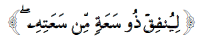
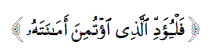
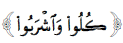
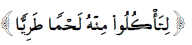
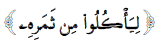
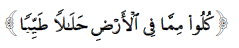
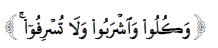
“Yeyin, için, fakat israf etmeyin (aşırıya kaçmayın).” (TMQ 7:31) Bu ayet, her şeyi içmenin caiz olduğunu ifade eder; dolayısıyla belirli bir şeyi içmenin caiz olduğunu göstermek için özel bir delile ihtiyaç yoktur, çünkü genel delil onu caiz kılmıştır. Ancak belirli bir şeyin içilmesinin yasaklanması, örneğin sarhoş edici içkiler gibi, bir delil gerektirir.
“And eat and drink, but be not excessive (extravagant).” (TMQ 7:31) which means that the drinking of everything is permitted; thus the drinking of a specific item does not require an evidence to make it permitted, because the general evidence has made it permitted. However, the prohibition of drinking a specific item, such as intoxicants for instance, requires evidence.
Bunlara benzer şekilde, konuşma, yürüme, oyun oynama, koklama, soluma, bakma ve insanın gerçekleştirdiği diğer eylemler gibi fiillerle ilgili her şeyi mubah kılan genel deliller bulunmaktadır. Dolayısıyla bu eylemlerle ilgili herhangi bir şeyin izni için delil gerekmez; ancak bu eylemlerle ilgili herhangi bir şeyin haram kılınması için ise onu yasaklayan bir delil gerekir.
Similar to these, general evidences are found permitting everything related to actions such as talking, walking, playing, smelling, inhaling, looking and other actions which man performs; thus the permission of anything related to them does not require an evidence, but the prohibition of anything related to these actions does require an evidence to make it forbidden.
Bu nedenle, fiillere yönelik olarak metinlerin getirdiği deliller, şeylerin hükmünü genel ve sınırlandırılmamış bir biçimde belirlemiştir; dolayısıyla bu şeylerin hükümlerini belirlemek için başka metinlere ihtiyaç duymazlar. Böylece, şeylerle ilgili özel metinlerin gelmesi, bu şeylerin genel hükmü belirlendikten sonra, bu özel hükümlerin şeylerin hükmünü genel hükmün dışına çıkardığına delildir. Dolayısıyla Şer'i metinler, şeyleri ilgilendiren Şer'i hükmü belirlemeye, bunların mubah olduğunu bildirmek üzere gelmiştir; bu yüzden, onları yasaklayan bir metin bulunmadıkça mubahtırlar. Şer'i kaide olan "Şeylerin aslı ibahadır" ilkesi de bu şekilde türetilmiştir. Bu makalenin delilleri bunlardır.
Therefore, the evidences brought by the texts and targeted at the actions have outlined the rule of things in a general and unrestricted manner; ,therefore, they do not require other texts to outline their rules. Thus, the advent of specific texts related to things, once the general rule of these things had been outlined, serves as evidence that these specific rules have come to exclude the rule of these things from the general rule. Hence, the Shari’ah texts have come to outline the Shari’ah rule pertaining things, denoting that they are permitted; hence, they are permitted unless a text exists to prohibit them. It is in this manner that the Shari’ah principle “The origion of things is ibahah” is derived. These are the evidences for this article.