21.6 Notfallverträge
21.6 Emergency Treaties
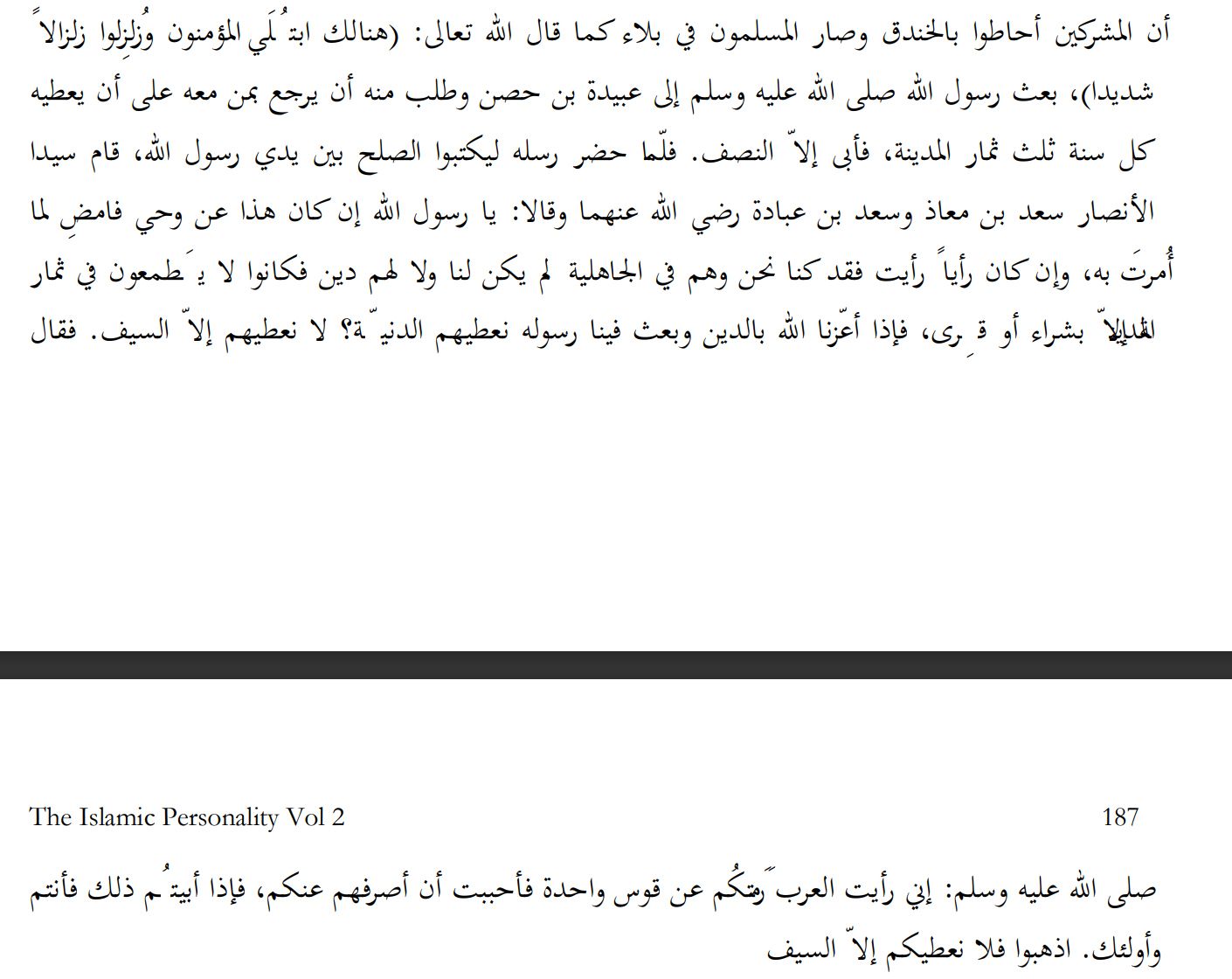
Muslime können in schwere Lagen geraten, die sie zu Dingen zwingen, die nicht erlaubt sind, die Notwendigkeit aber gebietet sie. Der Islamische Staat kann in innere oder äußere Krisen geraten, die ihn zwingen, Verträge abzuschließen, die nicht unmittelbar zur Verbreitung der Da'wah oder zum Kampf auf dem Weg Allahs (swt) führen, die aber die Entstehung von Bedingungen erleichtern, welche die Verbreitung der Da'wah in Zukunft ermöglichen, oder das Übel der Einstellung der Da'wah verhindern, oder den Bestand der Muslime bewahren. Die Notwendigkeit verlangt, dass diese Art von Verträgen abgeschlossen wird; daher ist es dem Khalifah erlaubt, sie abzuschließen, und sie sind für die Muslime verbindlich. Diese Verträge kommen in zwei Situationen vor, die die Rechtsgelehrten (fuqaha) klar dargelegt haben, und zwar sind dies:
Muslims can fall into severe situations which compel them to matters which are not allowed but the necessity obliges it. The Islamic State can fall into internal or external crises which compel it to contract treaties which do not lead directly to conveying the da’wah or fighting in the way of Allah (swt) but they facilitate creating conditions which will enable conveying it in the future or prevent the evil of stopping the da’wah or preserve the entity of the Muslims. Necessity compels these types of treaties to be contracted therefore it is allowed for the Khalifah to contract them and they are executed upon Muslims. These treaties occur in two situations which the jurisprudents (fuqaha) stated clearly, and they are: