17.9 The Shar'a Did Not Designate A Specific Person For The Khilafah
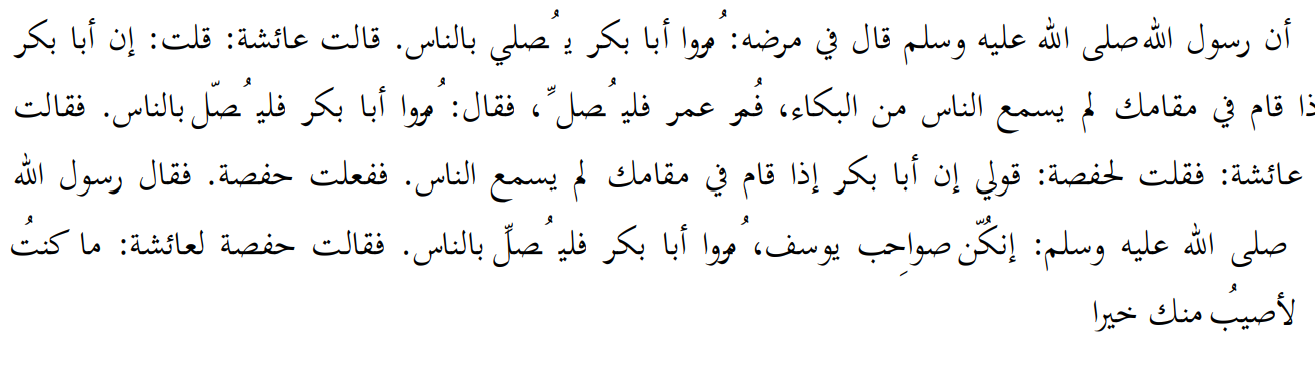
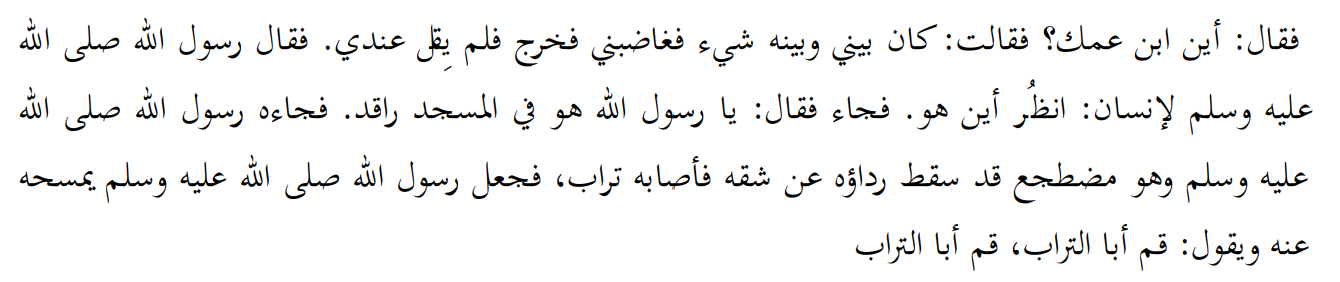
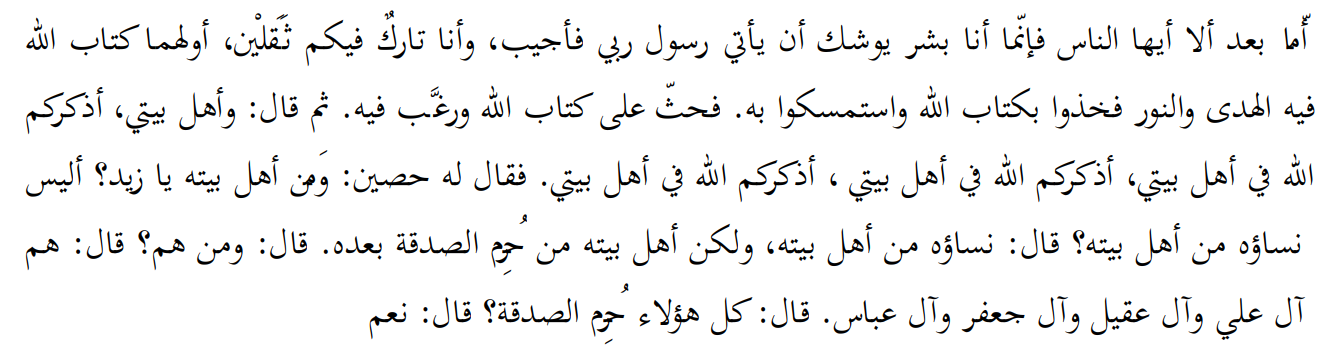
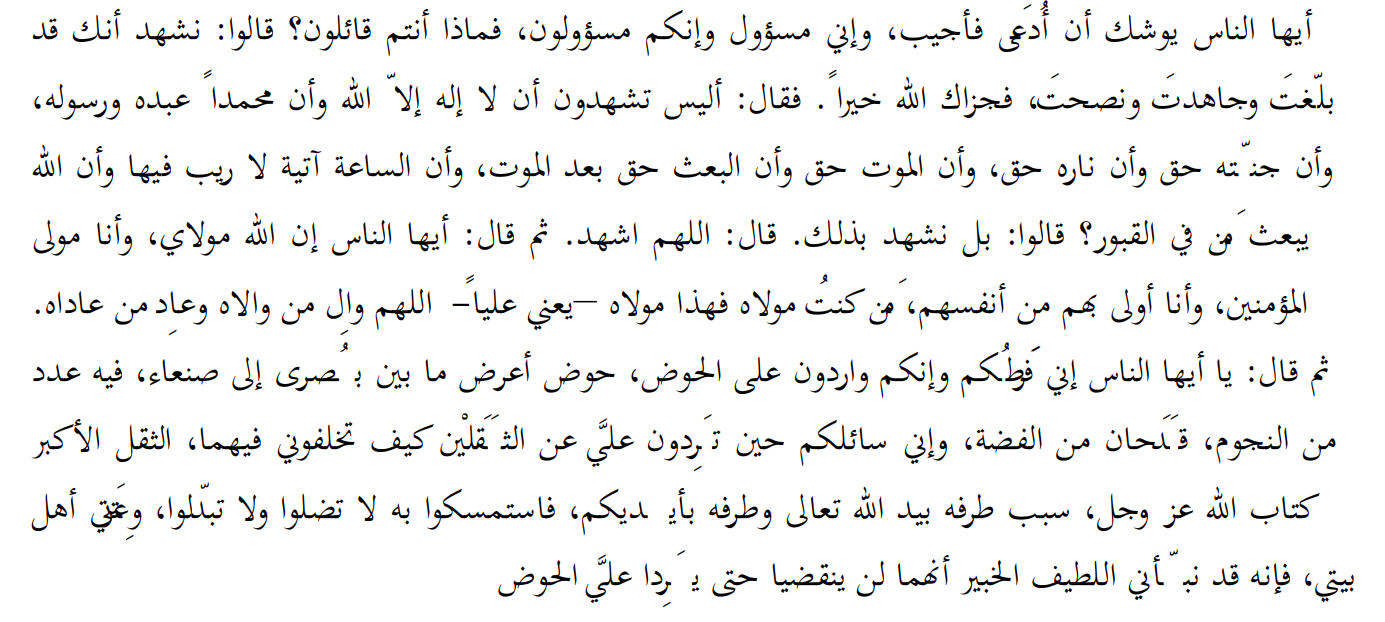
The view that the Messenger (saw) designated a specific person to be the Khalifah after him contradicts the Shari’ah texts. And the statement that the Messenger (saw) nominated certain persons to be Khulafaa after him until the Day of Judgement is even more contradictory to the Islamic texts.
As for invalidating (the opinion) that the Messenger (saw) nominated the Khilafah for someone after him, this is apparent in numerous ways:
First: This contradicts the pledge (bay’ah) since nominating a person means informing the Muslims as to who will be the Khalifah over them. Hence the Khalifah would be known so there would remain no need for legislating (tashri’) the pledge as the pledge is the method of appointing the Khalifah. So if he has already been appointed in advance, there remains no need to demonstrate the method of appointing him as, in fact, he has already been appointed. Nor can it be said that the pledge is the pledge of obedience to the Khalifah since the Shar’a has enunciated the obedience to the Khalifah and those in charge (ulu al-amr) in many other texts distinct from the text of the pledge. Obedience has been explicitly requested from Muslims; as for the pledge, it has been requested from Muslims in other request(s) not in consideration as being (merely) obedience, though it does include the meaning of obedience, but in consideration as being a contract for the Khilafah. Its meaning in all the ahadith that mentioned it is not obedience, rather it is about giving leadership to the one who is pledged and preparing to submit to this leadership. So making the pledge a condition for appointing the Khilafah contradicts the Messenger (saw) nominating a specific person to be Khalifah after him. Moreover, the words of the pledge which came in the correct (Saheeh) ahadith came in a general manner (‘aam) without specification (takhsees), and unrestricted (mutlaq) without any restriction (taqyeed), for anyone. Were they to mean the pledge for a specific person they would not have been general and unrestricted. The word(s) of the ahadith are: