ماده ۱۴
Article 14
اصل در افعال، تابع احکام شریعت است؛ از این رو هیچ عملی نباید انجام شود مگر آنکه حکم آن دانسته شده باشد. و اصل در چیزهای دیگر (غیر از آن) اباحه (جواز) است، تا زمانی که دلیلی که حرمت آن را ثابت کند وجود نداشته باشد.
Actions are originally bound by the Shari’ah rules. Hence, no action should be undertaken unless its rule is known. The things on the other side are originally Mubah (permitted) as long as there is no evidence that stipulates prohibition.
مسلمان به این مأمور است که کارهای خود را مطابق با احکام شریعت انجام دهد. الله (سبحانه و تعالی) میفرماید
The Muslim is commanded to conduct his actions according to the Shari’ah rules. Allah (swt) says

«پس نه، قسم به پروردگارت، ایمان نمیآورند تا آنکه تو را در آنچه میان خود اختلاف دارند داور قرار دهند.» (سوره النساء، آیه ۶۵) او (سبحانه و تعالی) همچنین میفرماید،
“But no, by your Lord, they will not [truly] believe until they make you, [O Muhammad], judge concerning that over which they dispute among.” (TMQ 4:65). He (swt) also says,

«وَمَا آتَاكُمُ الرَّسُولُ فَخُذُوهُ وَمَا نَهَاكُمْ عَنْهُ فَانْتَهُوا» ﴿الحشر: ۷﴾ ... Note: the source text reads "(pbuh)" after "Messenger"; per the rules this is rendered as ﷺ after the Prophet, and the verse itself is kept without honorific insertion. Corrected translation: «وَمَا آتَاكُمُ الرَّسُولُ فَخُذُوهُ وَمَا نَهَاكُمْ عَنْهُ فَانْتَهُوا» ﴿الحشر: ۷﴾
“And whatever the Messenger (pbuh) has given you - take; and what he has forbidden you - refrain from.” (TMQ 59:7).
بنابراین، اصل بر این است که مسلمان خود را به احکام شریعت مقید سازد. افزون بر این، قاعدۀ شرعی میگوید: «قبل از آمدن شریعت، هیچ حکمی نیست». به بیان دیگر، پیش از آمدن حکم الهی (سبحانه و تعالی) دربارۀ هر امری، نباید به آن امر هیچ حکمی داده شود. بنابراین، پیش از آمدن حکم خداوند (سبحانه و تعالی) نباید به هیچ امری حکمی داد. این بدان معناست که نباید حکم اباحه به آن داده شود، زیرا اباحه حکمی شرعی است که باید از طریق خطاب شارع ثابت شود، وگرنه نمیتوان آن را حکم شرعی دانست. این بدان سبب است که حکم شرعی، سخن شارع است که به افعال مکلفان مربوط میشود. از این رو، آنچه در خطاب شارع ذکر نشده، نمیتواند حکم شرعی به شمار آید. بنابراین، مباح بودن به معنای نبود منع نیست، بلکه به معنای آمدن دلیل شرعی است که مباح بودن را مقرر میکند؛ یعنی آمدن اختیار از سوی شارع برای انجام دادن یا ترک کردن. پس اصل، پایبندی به سخن شارع است، نه اباحه؛ زیرا خود حکم اباحه نیز نیازمند تأیید از سخن شارع است. این قاعده عمومیت دارد و هم افعال و هم اشیا را دربرمیگیرد. بنابراین، اگر مسلمانی بخواهد هر کاری را انجام دهد، بر او واجب است که به حکم خداوند (سبحانه و تعالی) دربارۀ آن کار پایبند باشد. از این رو، باید آن حکم را جستوجو کند تا آن را بشناسد و به آن عمل نماید. به همین سان، اگر مسلمانی بخواهد چیزی را بگیرد یا بدهد، هر آنچه که آن شیء باشد، بر او واجب است که به حکم خداوند (سبحانه و تعالی) دربارۀ آن شیء پایبند باشد. پس باید آن حکم را جستوجو کند تا آن را بشناسد و به آن عمل نماید. این همان چیزی است که آیات و احادیث، هم از راه دلالت لفظی و هم از راه فهم آن، بر آن دلالت کردهاند. بنابراین، برای مسلمان حرام است که هیچ عملی انجام دهد یا نسبت به هیچ چیزی بر پایه غیر از حکم شرعی رفتار کند؛ بلکه او موظف است در هر عملی که انجام میدهد و در هر امری، به حکم شرعی پایبند باشد. پس از آنکه الله (سبحانه و تعالی) نازل فرمود
Therefore, the origin is that the Muslim restricts himself to the Shari’ah rules. Besides that the Shari’ah principle states: “No rule before the advent of Shari’ah”. In other words, no matter should be given any rule whatsoever before the advent of the rule of Allah (swt) pertaining it. Hence, before the advent of Allah’s (swt) rule, no matter should be given any rule. This means that it should not be given the rule of permissibility, for the Ibaha is a Shari’ah rule that must be established through the address of the Legislator; otherwise it cannot be considered a Shari’ah rule. This is so because the Shari’ah rule is the speech of the Legislator related to the actions of the worshippers. Therefore, anything that has not been mentioned in the address of the Legislator cannot be considered a Shari’ah rule. Therefore, permissibility is not the non-advent of a prohibition, it is rather the advent of Shari’ah evidence stipulating the Mubah (permitted); in other words, the advent of the choice from the Legislator to either undertake or abstain. Therefore, the origin is the abidance by the speech of the Legislator, not the Ibahah; because the rule of Ibahah itself requires a confirmation from the speech of the Legislator. This principle is general, covering the actions and the things. So if a Muslim wanted to perform any action, it would be incumbent upon him to abide by the rule of Allah (swt) pertaining that action. Therefore, he must search for that rule until he knows it and abides by it. In the same manner if a Muslim wanted to take or give anything, whatever that object may be, it is incumbent upon him to abide by the rule of Allah (swt) regarding that object. So he must search for that rule until he knows it and abides by it. This is what the verses and the hadith have indicated in their literal indication and their understanding. Therefore, it is forbidden for a Muslim to undertake any action or to act towards anything upon other than the Shari’ah rule; rather he is obliged to abide by the Shari’ah rule in every action he undertakes and in every matter. After Allah (swt) revealed

«امروز دینتان را برای شما کامل کردم و نعمتم را بر شما تمام نمودم و اسلام را بهعنوان دین برای شما پسندیدم.» {المائدة: ۳}، و پس از آن (سبحانه و تعالی) میفرماید،
“This day I have perfected for you your religion and completed My favor upon you and have approved for you Islam as religion.” (TMQ 5:3), and after He (swt) says,
«و نازل کردیم بر تو کتاب را بهعنوان روشنگری برای همه چیز» (سوره النحل، آیه ۸۹)؛ نه یک عمل و نه یک چیز واحد باقی نمانده مگر اینکه الله (سبحانه و تعالی) دلیل حکم آن را بیان کرده است. و بر هیچکس روا نیست که پس از فهم این دو آیه ادعا کند که برخی اعمال، برخی چیزها یا برخی موقعیتها از حکم شرعی خالیاند؛ یعنی شریعت کاملاً از آن غفلت کرده و در نتیجه نتوانسته است دلیل یا نشانهای تعیین کند که توجه مکلفین را به وجود این حکم شرعی جلب کند؛ به عبارت دیگر، به وجود علتی که حکم را برای شخص مکلف به رعایت آن مشخص میکند: آیا واجب است، یا مندوب، یا حرام، یا مکروه، یا مباح؟ چنین ادعایی و هر آنچه شبیه آن باشد، توهین به شریعت به شمار میرود. بنابراین، بر هیچکس روا نیست که ادعا کند فلان عمل مجاز است زیرا هیچ حکم شرعی مربوط به آن ذکر نشده و قاعده این است که اگر حکم شرعیای ذکر نشده باشد، باید مجاز باشد؛ و همچنین روا نیست که کسی بگوید این چیز مباح است زیرا دلیل شرعیای درباره آن وجود ندارد، پس اصل بر اباحه است در صورت نبود دلیل شرعی. ادعای این مطلب ناروا است، زیرا هر عمل و هر چیزی در شریعت دلیل خود را دارد؛ باید حکم الله (سبحانه و تعالی) مربوط به آن عمل یا آن چیز را جستجو کرد تا آن را اخذ نموده و به کار بست، نه اینکه به بهانه نبود دلیل، آن را مباح دانست.
“And We have sent down to you the Book as clarification for all things.” (TMQ 16:89), neither one single action, nor one single object has been left except that Allah (swt) has explained the evidence for its rule, and it is forbidden for anyone, having understood these two verses, to claim that some actions, some things or some situations are devoid of the Shari’ah rule; meaning that Shari’ah has completely ignored it and ,therefore, it failed to designate an evidence or a sign to draw the attention of the obligated to the presence of this Shari’ah rule, in other words, the presence of an Illah that indicated the rule to the person obligated to abide by it; is it Wajib, or Mandub, or Haram, or Makruh or Mubah? Such a claim and anything similar is considered a slander against Shari’ah. Therefore, it is forbidden for anyone to claim that such action is permitted because no Shari’ah rule related to it has been mentioned and the principle is that if no Shari’ah rule is mentioned it must be permitted, and in the same way it is not permitted for anyone to say that this object is permitted because there is no Shari’ah evidence related to it so the origin is permissibility if there is no Shari’ah evidence. It is forbidden to claim this because every action and everything has its evidence in Shari’ah; one must search for the rule of Allah (swt) pertaining to the action or the object to take it and apply it as opposed to making it permitted under the pretext that there is no evidence for it.
با این حال، از آنجا که حکم شرعی خطاب شارع است که به کنشهای عبادتکنندگان مربوط میشود، خطاب در واقع ناظر به کنش عبادتکننده است، نه ناظر به متعلَّق. این خطاب، متعلَّق را به اعتبار پیوندش با کنش عبادتکننده مورد توجه قرار میدهد. بنابراین خطاب در اصل متوجه کنش عبادتکننده است و متعلَّق به تبع آن، به کنش عبادتکننده پیوند مییابد. این امر چه زمانی که خطاب ناظر به کنش باشد بدون آنکه هیچ اشارهای به متعلَّق شده باشد، صادق است، مانند سخن خداوند (سبحانه و تعالی) که میفرماید: {...}
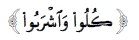
«کُلُوا وَاشْرَبُوا» (البقرہ: ۶۰)، یا این که حکم به شیء تعلق گرفته باشد بیآنکه هیچ اشارهای به فعل شده باشد، مانند این سخن الله (سبحانه و تعالی):
“Eat and drink” (TMQ 2:60), or it has come regarding the object without any mention of the action whatsoever, such as Allah (swt) saying

«حُرِّمَتْ عَلَيْكُمُ الْمَيْتَةُ وَالدَّمُ وَلَحْمُ الْخِنْزِيرِ» (المائدۃ: ۳). بناءً على ذلك، فإن حكم التحريم في هذه الأشياء الثلاثة إنما يتعلق بفعل المكلَّف من حيث الأكل والشراء والبيع والإجارة وغيرها من الأفعال. ولذلك فإن الحكم الشرعي يتناول فعل المكلَّف، سواء كان هذا حكماً متعلقاً بالفعل أو حكماً متعلقاً بالمحل. ولهذا فإن الأصل في الأفعال أن يُقيَّد بالحكم الشرعي، لأن الخطاب إنما يتعلق بفعل المكلَّف. Note: the Persian above is the translation of the Arabic-style rendering; the original text was in English, so here is the faithful Persian translation: «حرام شده است بر شما: مردار، خون و گوشت خوک.» (المائدۃ: ۳). بر این اساس، حکم تحریم در این سه چیز تنها به عمل مکلَّف از جهت خوردن، خریدن، فروختن، اجاره دادن و سایر اعمال مربوط است. پس حکم شرعی به عمل مکلَّف میپردازد، چه این حکم، حکمی دربارهی عمل باشد و چه حکمی دربارهی شیء. از این رو، اصل در افعال آن است که به حکم شرعی مقید شود، زیرا خطاب تنها به عمل مکلَّف مربوط است.
“Prohibited to you are dead animals, blood, the flesh of swine.” (TMQ 5:3). Accordingly, the rule of prohibition in these three things is only in relation to the action of the worshipper in terms of eating, buying, selling and hiring and other actions. Therefore, the Shari'ah rule deals with the action of the worshipper, whether this were a rule for the action or a rule for the object. This is why the origin in actions is to be restricted (to the Shari’ah rule) because the address is only related to the action of the worshipper.
با این حال، با بررسی دقیق دلایل تفصیلی احکام شرعی روشن میشود که در میان متونی که بهعنوان دلیل احکام آمدهاند، وضعیت متنی که دلیل بر فعل است با وضعیت متنی که دلیل بر متعلَّق (مفعول) است، از نظر شیوهی توجه خطاب، متفاوت است. در متنی که مربوط به فعل است، خطاب تنها متوجه خود فعل است، خواه متعلَّق آن ذکر شده باشد یا نه. برای نمونه، الله (سبحانه و تعالی) میفرماید،
However, by scrutinising the elaborated evidences of the Shari’ah rules, it becomes clear that within the texts which have come as evidences of the rules, the state of the text that acts as an evidence for the action is different to the state of the text that acts as evidence for the object, in terms of the manner in which the address is directed. In the text related to the action, the address is directed to the action alone, regardless of whether the object is mentioned or not. For instance, Allah (swt) says,

«الَّذِينَ يَأْكُلُونَ الرِّبَا لَا يَقُومُونَ إِلَّا كَمَا يَقُومُ الَّذِي يَتَخَبَّطُهُ الشَّيْطَانُ مِنَ الْمَسِّ ۚ ذَٰلِكَ بِأَنَّهُمْ قَالُوا إِنَّمَا الْبَيْعُ مِثْلُ الرِّبَا ۗ وَأَحَلَّ اللَّهُ الْبَيْعَ وَحَرَّمَ الرِّبَا» [سورۃ البقرہ: ۲۷۵] Note: the original gives only the English meaning and the opening words of the verse; here the verse is quoted in Arabic, as Persian Islamic books customarily do. The verse is given in full, so it is not to be read as a reference to the sentence "Allah has permitted trade and has forbidden interest" alone.
“Allah has permitted trade and has forbidden interest.” (TMQ 2:275) And He (swt) says,

«اے ایمان والو، ان کافروں سے لڑو جو تمہارے آس پاس ہیں۔» {التوبہ: ۱۲۳} اور وہ (سبحانہ و تعالیٰ) فرماتا ہے،
“O you who have believed, fight those adjacent to you of the disbelievers.” (TMQ 9:123) And He (swt) says,
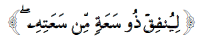
«لِيُنْفِقْ ذُو سَعَةٍ مِنْ سَعَتِهِ» (الطلاق: ۷)۔ و اللہ تعالیٰ فرماتا ہے، Note: The source reads "TMQ 65:7" and "(swt)"; in Persian the reference is given in Persian numerals with the surah name, and "(swt)" is rendered as the honorific "سبحانہ و تعالیٰ"-style phrase in full: "و اللہ سبحانہ و تعالیٰ فرماتا ہے،" Corrected final version: «لِيُنْفِقْ ذُو سَعَةٍ مِنْ سَعَتِهِ» (الطلاق: ۷)۔ و اللہ سبحانہ و تعالیٰ فرماتا ہے،
“Let a man of wealth spend from his wealth.” (TMQ 65:7) And He (swt) says,
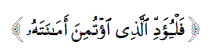
«و اگر یکی از شما دیگری را امین بداند، پس باید آن که امانت به او سپرده شده، امانت را [با وفاداری] ادا کند.» (ترجمه معانی قرآن، ۲:۲۸۳) و الله (سبحانه و تعالی) میفرماید،
“And if one of you entrusts another, then let him who is entrusted discharge his trust [faithfully].” (TMQ 2:283) And Allah (swt) says,
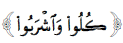
«بخورید و بنوشید» (سوره بقره، آیه ۶۰). و رسول خدا ﷺ فرمود.
“Eat and drink” (TMQ 2:60). And the Messenger of Allah (pbuh) said.
.» الْبَ يِّ عَانِ بِالْخِيَارِ مَا لَمْ يَ تَ فَرَّقَا «.
.» الْبَ يِّ عَانِ بِالْخِيَارِ مَا لَمْ يَ تَ فَرَّقَا «.
«طرفین معاملہ کو، جب تک وہ جدا نہ ہوں، (معاملے کو فسخ کرنے کا) اختیار حاصل ہے»، متفق علیہ، ابن عمر رضی اللہ عنہما اور دوسروں سے روایت ہے۔ اور آپ ﷺ نے فرمایا۔
“Both parties in a business transaction have the righ (the choice to annul it) so long as they have not separated.” agreed upon through Ibn Umar and others. And he said.
.» أَعْطُوا الأَجِيرَ أَجْرَه «.
.» أَعْطُوا الأَجِيرَ أَجْرَه «.
«أَعْطُوا الْأَجِيرَ أَجْرَهُ» را ابن ماجه از طریق ابن عمر روایت کرده، و البیهقی از طریق ابوهریره با سندی که البغوی آن را حسن دانسته است. در همه این متون، خطاب به خود عمل متوجه شده و از مفعول سخنی به میان نیامده است. و در مثالهای دیگر، الله (سبحانه و تعالی) میفرماید:
“Give the worker his wage” reported by Ibn Maja through Ibn Umar and Al-Bayhaqi through Abu Hurayrah with a chain that was deemed as Hasan by Al-Baghawi. In all of these texts, the address has been directed at the action, and the object has not been mentioned. And in other examples, Allah (swt) says,

«و از هر یک گوشتی تازه میخورید.» (سورۀ فاطر، آیۀ ۱۲). و خداوند (سبحانه و تعالی) میفرماید،
“And from each you eat tender meat.” (TMQ 35:12). And He (swt) says,
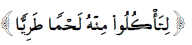
«تا از آن گوشت تازه بخورید» (سورۂ النحل، ۱۴). و او (عزّ و جلّ) میفرماید،
“To eat from it tender.” (TMQ 16:14). And He (swt) says,

«و از آن دانهها به وجود آوردیم، که از آن میخورند.» (سوره یس، آیه ۳۳). و او (سبحانه و تعالی) میفرماید،
“And brought forth from it grain, and from it they eat.” (TMQ 36:33). And He (swt) says,

«همانا کسانی که اموال یتیمان را به ستم میخورند.» (تفسیر تفهیم القرآن ۴:۱۰) و خداوند (سبحانه و تعالی) میفرماید،
“Indeed, those who devour the property of orphans unjustly.” (TMQ 4:10).And Allah (swt) says,
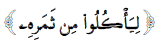
«تا از میوهاش بخورند.» (قرآن کریم، ۳۶:۳۵). خطاب در همهی این موارد به خودِ کنش نیز معطوف است، هرچند که مفعول ذکر شده است و این مشابه خطابی است که مستقیماً به کنشِ عبادتکننده مربوط میشود. این حالت با حالت متنی که به مفعول مربوط است متفاوت است، جایی که خطاب منحصراً به سوی مفعول است، خواه کنش همراه با آن ذکر شده باشد یا نه. برای نمونه، الله (سبحانه و تعالی) میفرماید
“That they may eat of His fruit.” (TMQ 36:35). The address in all these is also directed at the action, although the object has been mentioned and this is similar to the address related directly to the action of the worshipper. This state is different to the state of the text related to the object, where the address is directed exclusively towards the object, regardless of whether the action was mentioned alongside it or not. For instance Allah (swt) says
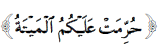
«حُرِّمَتْ عَلَيْكُمُ الْمَيْتَةُ» (المائدة: ۳). و اللّٰہ (سبحانہ و تعالیٰ) همچنین میفرماید
“Prohibited to you are dead animals.” (TMQ 5:3). Allah (swt) also says

او تنها مردار، خون و گوشت خوک را بر شما حرام کرده است». ({۲:۱۷۳}، ترجمه قرآن). خداوند (سبحانه و تعالی) همچنین میفرماید
He has only forbidden to you dead animals, blood, the flesh of swine.” (TMQ 2:173). Allah (swt) also says
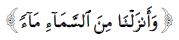
«و أَنزَلْنَا مِنَ السَّمَاءِ مَاءً بِقَدَرٍ» — این بخش از آیه را در ترجمههای معتبر فارسی به این صورت میتوان آورد: «و از آسمان آبی به اندازهای فرو فرستادیم.» (سورۃ المؤمنون، آیه ۱۸) Note: The user's text ends with "Allah (swt) also says" and no quoted verse follows. Here is the translation of the text as given: «و خداوند (سبحانه و تعالی) نیز میفرماید:»
“And We have sent down rain from the sky.” (TMQ 23:18).Allah (swt) also says

«و از آب هر چیز زندهای را پدید آوردیم.» (سوره انبیاء، آیه ۳۰). و همچنین سخن پیامبر خدا ﷺ درباره آب دریا:
“And made from water every living thing.” (TMQ 21:30). Also, the saying of the Messenger of Allah (pbuh) (saw) pertaining the sea water:

«ای کسانی که ایمان آوردهاید، همانا شراب و قمار و بتها و تیرهای فال، پلیدیای از کار شیطاناند؛ پس از آن دوری کنید تا رستگار شوید.» (قرآن ۵:۹۰) الله (سبحانه و تعالی) میفرماید
“O you who have believed, indeed, intoxicants, gambling, [sacrificing on] stone alters [to other than Allah], and divining arrows are but defilement from the work of Satan, so avoid it that you may be successful.” (TMQ 5:90). Allah (swt) says

«آیا آبی را که مینوشید دیدهاید؟» (سورۀ الواقعه، آیۀ ۶۸). الله (سبحانه و تعالی) میفرماید
“Have you seen the water that you drink?” (TMQ 56:68). Allah (swt) says

«آیا آتشی را که برمیافروزید دیدهاید؟» {تَرَوْا النَّارَ الَّتِي تُورُونَ} (سوره الواقعه، آیه ۷۱). الله (سبحانه و تعالی) میفرماید
“Have you seen the fire that you kindle?” (TMQ 56:71). Allah (swt) says

«و از میوههای درخت خرما و تاک، مستکننده میگیرید.» (سوره النحل، آیه ۶۷). الله (سبحانه و تعالیٰ) میفرماید
“And from the fruits of the palm trees and grapevines you take intoxicant.” (TMQ.16:67). Allah (swt) says

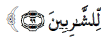
و همانا برای شما در چارپایان عبرتی است. از آنچه در شکمهایشان است، میان فضله و خون، شیر خالصی به شما مینوشانیم که برای نوشندگان گوارا است. (قرآن کریم ۱۶:۶۶)
“And indeed, for you in grazing livestock is a lesson. We give you drink from what is in their bellies - between excretion and blood - pure milk, palatable to drinkers.” (TMQ 16:66).
در تمام این متون، خطاب متوجه متعلَّق (مورد عمل) است، هرچند فعل [یا عمل] ذکر شده است. چنین خطابی به متعلَّق مربوط است؛ بنابراین بیانگر حکمی است که به آن متعلَّق مربوط میشود. با این حال، ارتباط حکم با متعلَّق در این امر بازتاب مییابد که حکم را نسبت به فعل بنده بیان میکند، نه نسبت به متعلَّقی که از فعل بنده جدا در نظر گرفته شده باشد؛ زیرا تصور اینکه متعلَّق حکمی داشته باشد بدون آنکه با بنده مرتبط باشد ممکن نیست. از این رو، تفاوت حالت متن نسبت به شیوهای که خطاب بدان هدف گرفته شده است روشن میشود.
The address in all of these texts is directed at the object, though the action has been mentioned. Such an address is related to the object; thus it is an outlining of a rule pertaining to that object. However, the rule’s relation to the object is reflected in the fact that it outlines its rule vis-à-vis the action of the worshipper, not vis-à-vis the object detached from the action of the servant, since it is inconceivable for a object to have a rule unless it is related to the servant. Therefore, the difference in the state of the text becomes clear with regard to the manner in which the address is targeted.
این اختلاف نشان میدهد که هرچند حکم شرعی کلام شارع است که به افعال مکلفان مربوط میشود، برخی احکام که به اشیاء تعلق دارند، با این حال حکم این اشیاء را به شکلی مطلق بیان کردهاند، با آنکه حکم آنها در ارتباط با مکلف بوده است، نه جدا از او. با بررسی دقیق، این دلالت برای ما روشن میسازد که احکام اشیاء از طریق دلیلی عام آمدهاند، و این دلیل عام خود دلیل افعال را تبیین میکند، و آنچه بهطور خاص درباره اشیاء آمده، در واقع استثنایی است بر قاعده کلیای که از طریق دلیل افعال، دلیل آنها محسوب میشد. این امر از آن روست که مطالعه تفصیلی نشان داده است که متن شرعی که خطاب در آن مستقیماً متوجه فعل بوده، بهصورت کلی آمده است. بنابراین، همه اموری که به آن مربوط میشوند، مباح خواهند بود، زیرا طلب انجام فعل یا تخییر، عام بوده و همه آنچه را که در ارتباط با این طلب مباح است در بر میگیرد، و تحریم چیزی نیازمند دلیل است. برای نمونه، خداوند (سبحانه و تعالی) میفرماید
This difference indicates that although the Shari’ah rule is the speech of the Legislator related to the actions of the worshippers some rules specified to things have however come to outline the rule of these things in an unrestricted manner, even though their rule was in relation to the worshipper as opposed to being isolated from the worshipper. Through scrutiny, this indication outlines to us that the rules of things have come through a general evidence, which in turn has come to outline the evidence of the actions, and that whatever came specifically related to things is in fact an exception from the general rule which had come as evidence for them through the evidence of the actions. This is so because detailed study has revealed that the Shari’ah text in which the address was directly targeted at the action has come in general terms. Therefore, all the things related to it would be permitted because the request to perform or the choice was general, encompassing all that which is permitted vis-à-vis this request, and the prohibition of something requires a text. For instance, Allah (swt) says

«و سخّر لكم ما في السماوات وما في الأرض جميعًا منه» — این آیه بدان معناست که آنچه در آسمانها و زمین است، خداوند آنها را برای ما آفریده و از این رو مباح است. خداوند (سبحانه و تعالی) همچنین میفرماید
“And He has subjected to you whatever is in the heavens and whatever is on the earth - all from Him.” (TMQ 45:13). This means that the things in the skies and the earth have been created for us by Allah, and ,therefore, are permitted. Allah (swt) also says
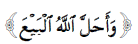
«خداوند تجارت را حلال کرده و ربا را حرام نموده است.» (سورۀ البقرہ، آیۀ ۲۷۵) که یعنی خداوند (سبحانه و تعالی) خرید و فروش همۀ چیزها را مباح ساخته است؛ بنابراین، اباحۀ فروش و خرید هر یک از این چیزها نیازی به دلیل ندارد، زیرا دلیلِ عام همهچیز را در بر میگیرد. از این رو، ممنوع بودن فروش چیزی مانند شراب، برای نمونه، نیازمند دلیل است. همچنین، خداوند میفرماید
“Allah has permitted trade and has forbidden interest (usury).” (TMQ 2:275) which means that Allah (swt) has made the buying and selling of all things permitted; thus the ibahah of selling and buying any of these things does not require an evidence, because the general evidence comprises everything. So, the prohibition of selling something, such as alcohol for instance, requires evidence. Also, Allah (swt) says
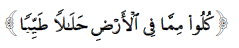
«ای مردم، از آنچه در زمین است، [آنچه] حلال و پاکیزه است، بخورید.» (قرآن کریم ۲:۱۶۸) که معنای آن این است که خوردنِ همهچیز حلال است؛ بنابراین خوردنِ یک مورد مشخص برای حلال بودن نیازی به دلیل ندارد، زیرا دلیلِ عام، آن را حلال کرده است. حرام کردنِ خوردنِ چیزی، مانند گوشتِ مردار برای نمونه، به دلیل نیاز دارد. الله (سبحانه و تعالی) میفرماید
“O mankind, eat from whatever is on earth [that is] lawful and good.” (TMQ 2:168) which means that eating everything is Halal (lawful); thus the eating of a specific item does not require an evidence to make it Halal, because the general evidence has made it Halal. The prohibition of eating something, such as dead meat for instance, requires evidence. Allah (swt) says
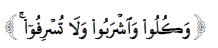
«و کلوا و اشربوا و لا تسرفوا» (الأعراف: ۳۱) یعنی نوشیدن هر چیزی مباح است؛ بنابراین نوشیدن یک چیز مشخص نیازی به دلیل برای مباح بودن آن ندارد، زیرا دلیل عمومی آن را مباح کرده است. اما ممنوع بودن نوشیدن یک چیز مشخص، مانند مسکرات برای نمونه، نیازمند دلیل است.
“And eat and drink, but be not excessive (extravagant).” (TMQ 7:31) which means that the drinking of everything is permitted; thus the drinking of a specific item does not require an evidence to make it permitted, because the general evidence has made it permitted. However, the prohibition of drinking a specific item, such as intoxicants for instance, requires evidence.
مشابه اینها، دلیلهای عام یافت میشوند که هر چیزی مرتبط با کارهایی مانند سخن گفتن، راه رفتن، بازی کردن، بوییدن، استنشاق کردن، نگاه کردن و سایر کارهایی که انسان انجام میدهد را مجاز میدانند؛ بنابراین جواز هر چیزی که با این کارها مرتبط است به دلیل نیاز ندارد، اما حرام شمردن هر چیزی که با این کارها مرتبط است به دلیلی نیاز دارد تا آن را حرام گرداند.
Similar to these, general evidences are found permitting everything related to actions such as talking, walking, playing, smelling, inhaling, looking and other actions which man performs; thus the permission of anything related to them does not require an evidence, but the prohibition of anything related to these actions does require an evidence to make it forbidden.
بنابراین، دلایلی که متون شرعی برای افعال آوردهاند، حکم اشیاء را بهصورت کلی و بدون قید بیان کردهاند؛ از این رو، برای بیان احکامشان به متون دیگری نیازی نیست. بر این اساس، ورود متون خاصی درباره اشیاء، پس از آنکه حکم کلی این اشیاء بیان شده، دلیلی است بر اینکه این احکام خاص آمدهاند تا حکم این اشیاء را از حکم کلی بیرون کنند. از همین روست که متون شریعت آمدهاند تا حکم شرعی مربوط به اشیاء را بیان کنند و بر جواز آنها دلالت نمایند؛ پس تا زمانی که متنی برای منع آنها وجود نداشته باشد، مباحاند. به همین شیوه، قاعده شرعی «اصل در اشیاء اباحه است» استنباط میشود. اینها دلایل این مقالهاند.
Therefore, the evidences brought by the texts and targeted at the actions have outlined the rule of things in a general and unrestricted manner; ,therefore, they do not require other texts to outline their rules. Thus, the advent of specific texts related to things, once the general rule of these things had been outlined, serves as evidence that these specific rules have come to exclude the rule of these things from the general rule. Hence, the Shari’ah texts have come to outline the Shari’ah rule pertaining things, denoting that they are permitted; hence, they are permitted unless a text exists to prohibit them. It is in this manner that the Shari’ah principle “The origion of things is ibahah” is derived. These are the evidences for this article.